Contract Law For Clat In Florida
Description

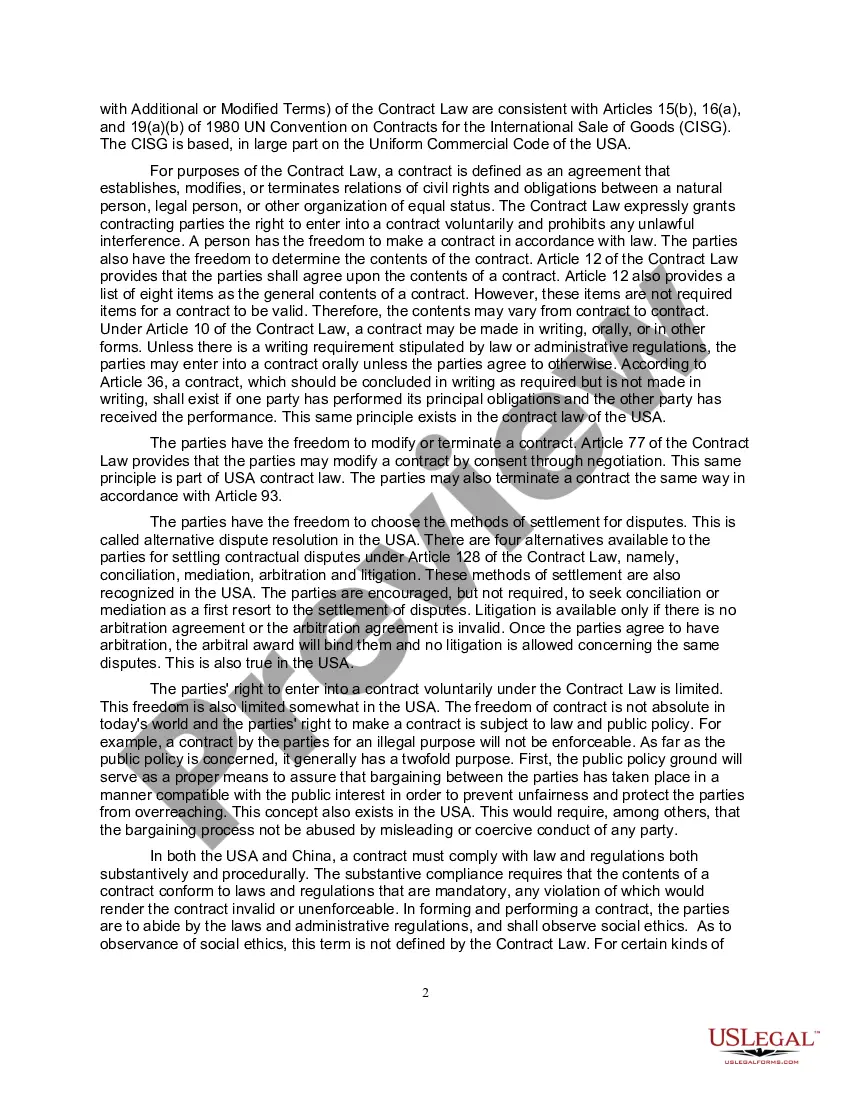
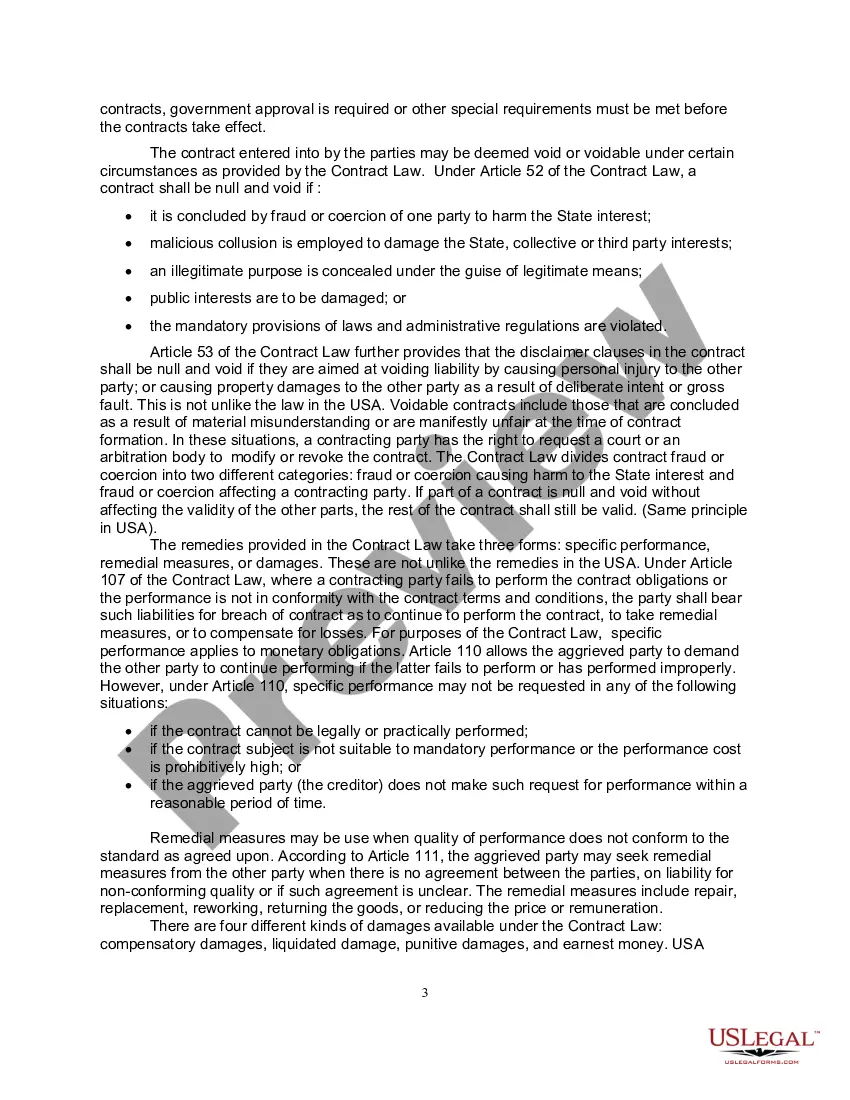
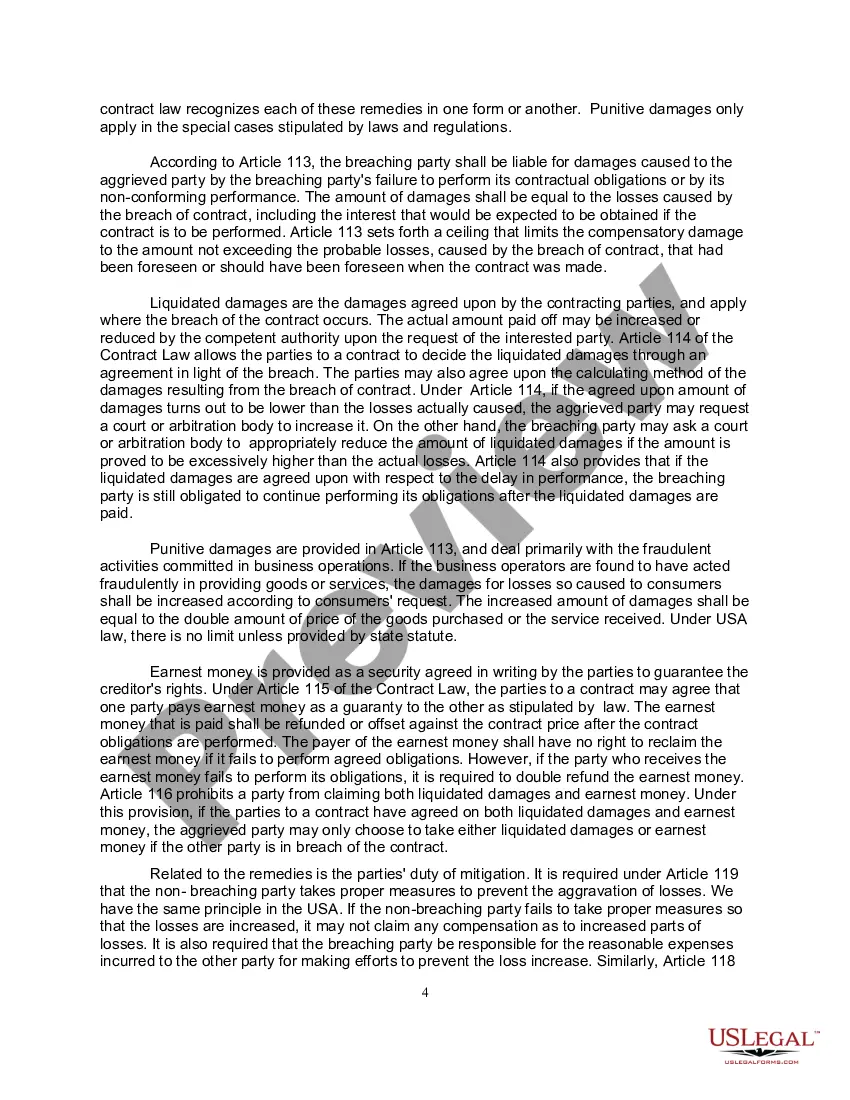
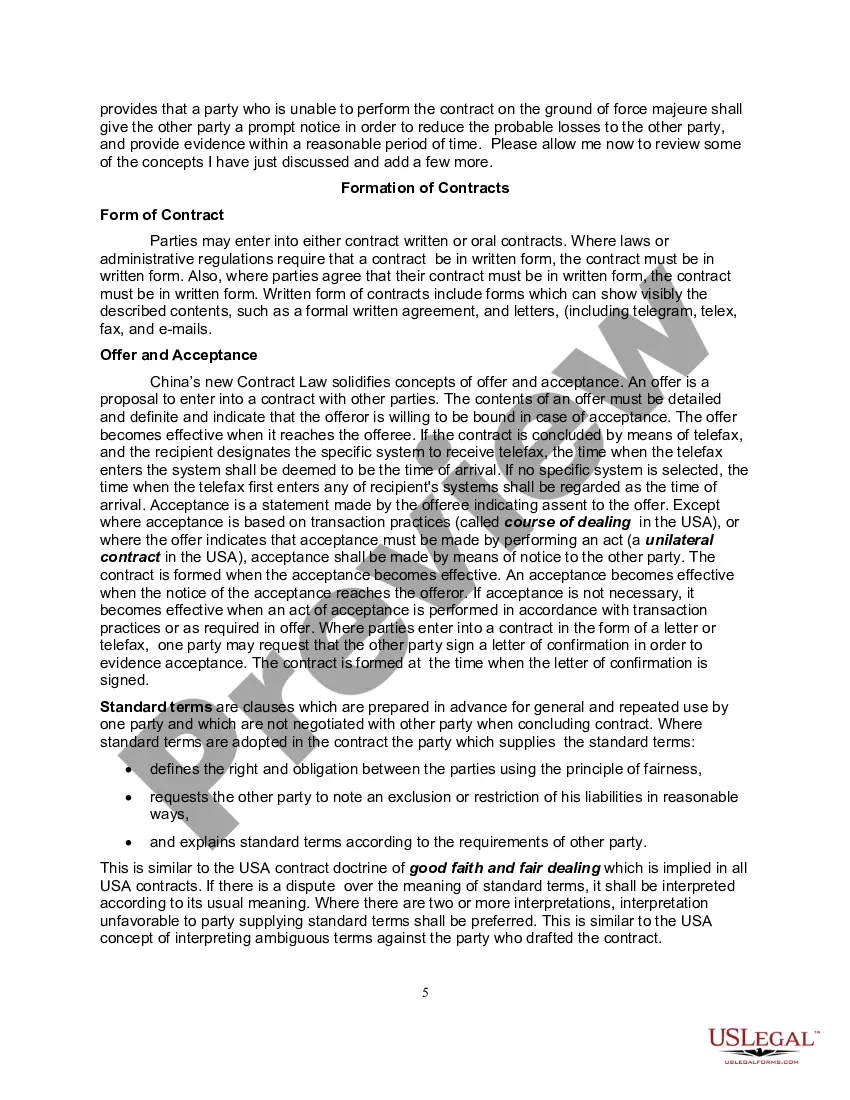
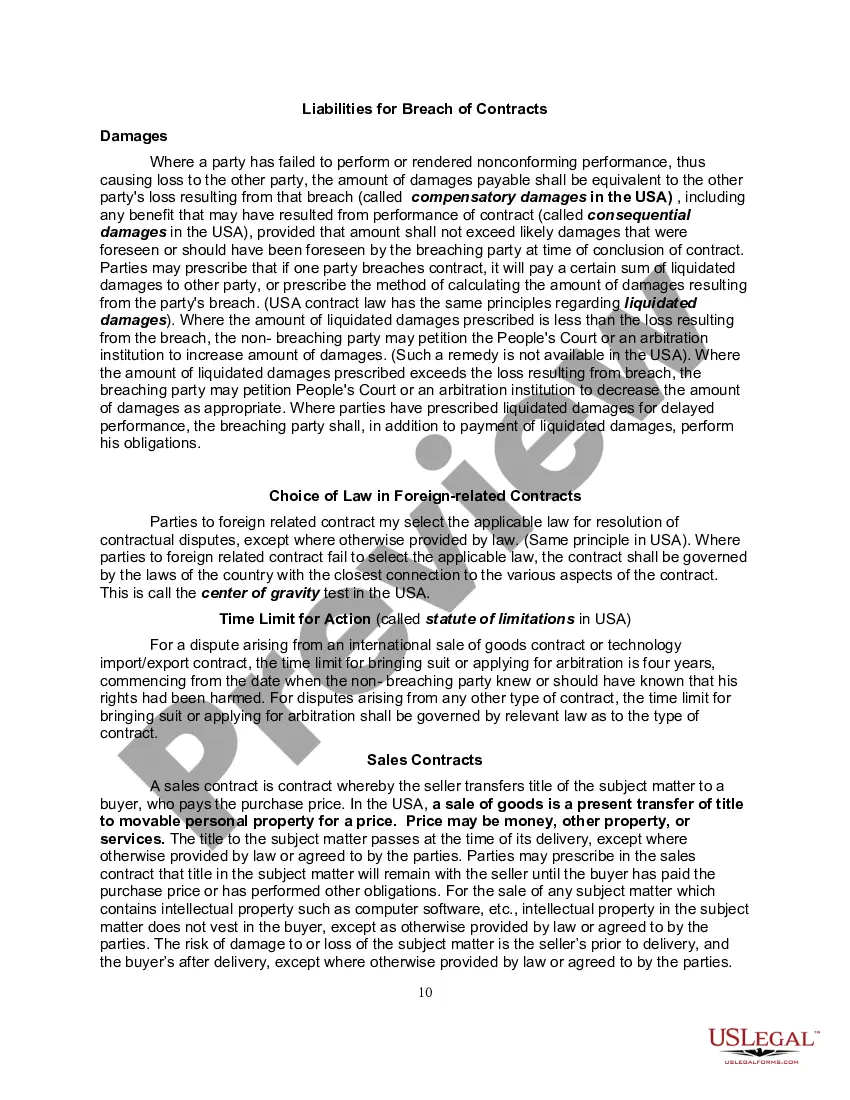


Get your form ready online
Our built-in tools help you complete, sign, share, and store your documents in one place.
Make edits, fill in missing information, and update formatting in US Legal Forms—just like you would in MS Word.
Download a copy, print it, send it by email, or mail it via USPS—whatever works best for your next step.
Sign and collect signatures with our SignNow integration. Send to multiple recipients, set reminders, and more. Go Premium to unlock E-Sign.
If this form requires notarization, complete it online through a secure video call—no need to meet a notary in person or wait for an appointment.
We protect your documents and personal data by following strict security and privacy standards.

Make edits, fill in missing information, and update formatting in US Legal Forms—just like you would in MS Word.

Download a copy, print it, send it by email, or mail it via USPS—whatever works best for your next step.

Sign and collect signatures with our SignNow integration. Send to multiple recipients, set reminders, and more. Go Premium to unlock E-Sign.

If this form requires notarization, complete it online through a secure video call—no need to meet a notary in person or wait for an appointment.

We protect your documents and personal data by following strict security and privacy standards.
Looking for another form?









Form popularity
FAQ
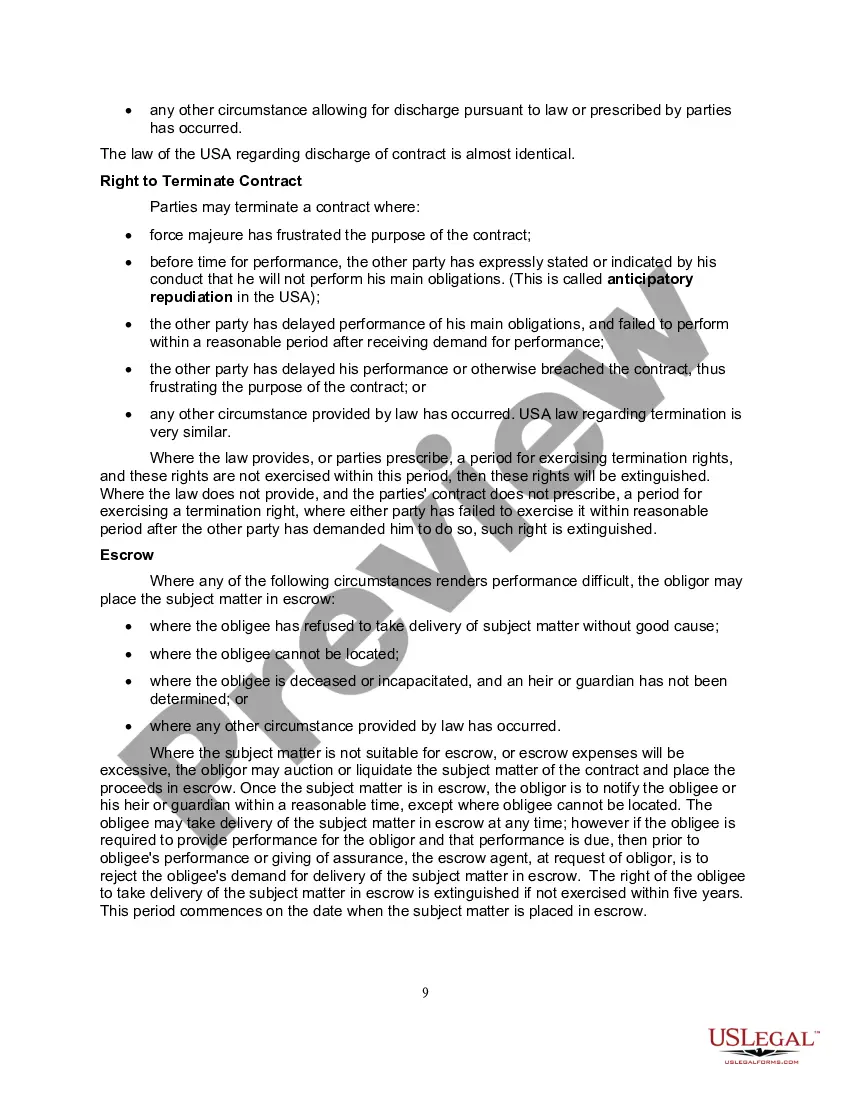
In Florida, certain contracts include cooling-off periods, allowing buyers time to reconsider their decision without facing penalties. These periods provide a safety net for buyers and can be a crucial factor in deciding whether to proceed with or cancel a contract.
A contract is legally binding. It is formed when there is an offer, an acceptance, and, importantly, consideration by both parties. Without consideration, there is no enforceable contract in Florida.
While the rules vary by state, in Florida, timeshare rescission periods are typically 10 calendar days. The timeline starts on the day the buyer receives the timeshare documents. If you decide you want to pursue a timeshare rescission, there is a process that must be followed. Written notice.
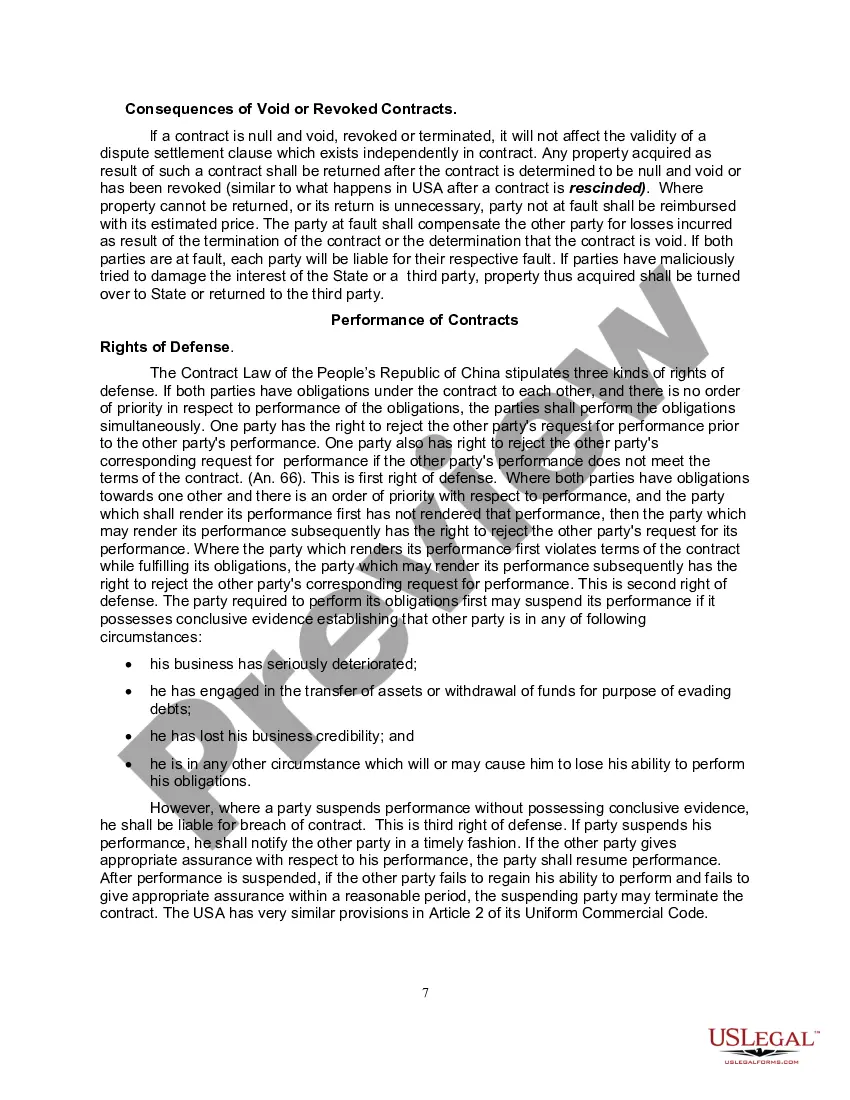
The 3-day contract law Florida follows allows for 72 hours to cancel a contract under most circumstances. There are certain exceptions to this rule – such as the sale of a vehicle. Under commercial contract law, the sale of goods and services is the most common type of contract to allow for a cooling-off period.
Know how to cancel your contract. A sale for future services can be cancelled by the buyer by notifying the seller within three business days from the date the buyer signs the contract. There is no requirement that the notice be made in writing.
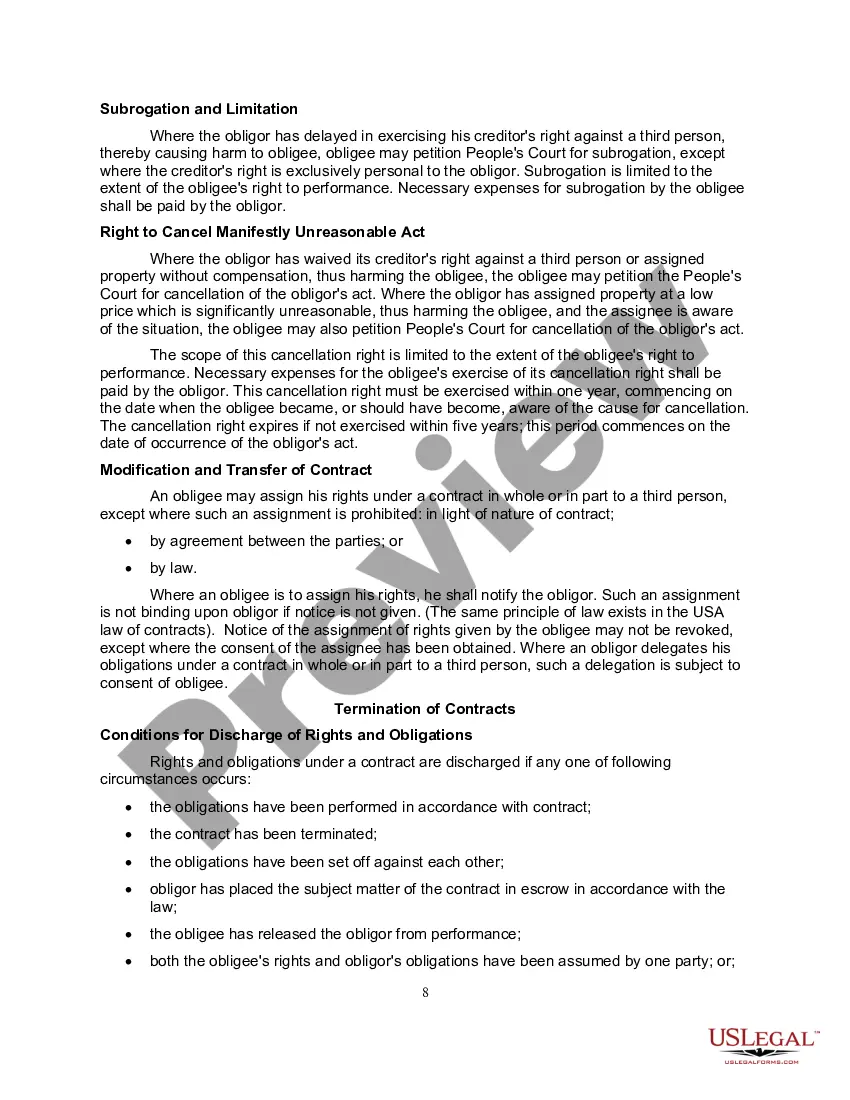
For a contract to be legally binding, and therefore enforceable, it needs to satisfy four principles: offer, acceptance, consideration and the intention to create legal relations. Consideration requires the exchange of something of value and to make a contract there has to be a clear intention.
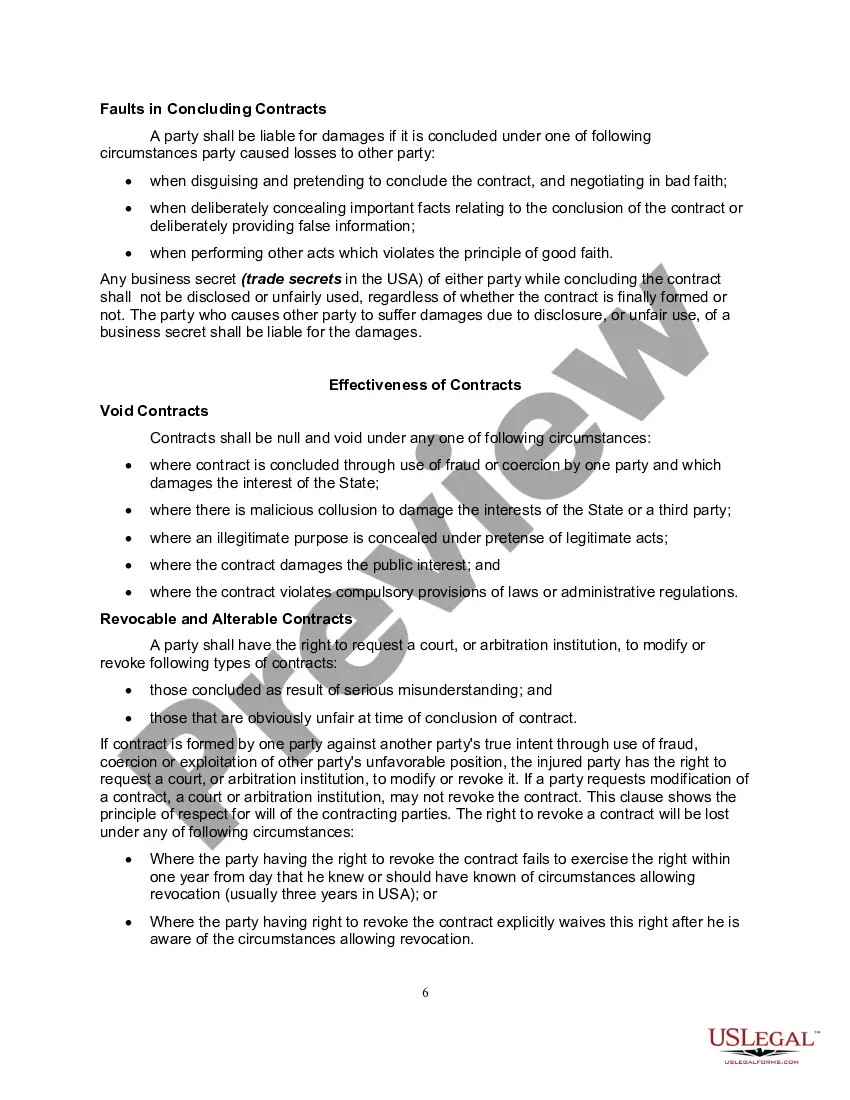
A contract will only be legally binding upon the contracting parties if the following requirements are complied with: consensus, contractual capacity, certainty, possibility, legality and formalities. 39 The above requirements will be discussed next. 39Para 1 1 above.
Both parties must give “consideration” for a contract to be formed. If one party does not receive consideration as part of the agreement, only a mere promise has been made. Promises are not enforceable in Florida. Without the exchange of something of value between parties, there is no contract.
To be legally enforceable, an agreement must contain all of the following criteria: An offer and acceptance; Certainty of terms; Consideration; An intention to create legal relations; Capacity of the parties; and, Legality of purpose.
The seven essential elements of a contract are: Offer. Acceptance. Consideration. Legally competent parties. Meeting of the minds. Terms of the contract. Legality of purpose.
