Closing Property Title Form Qld In Pennsylvania
Description

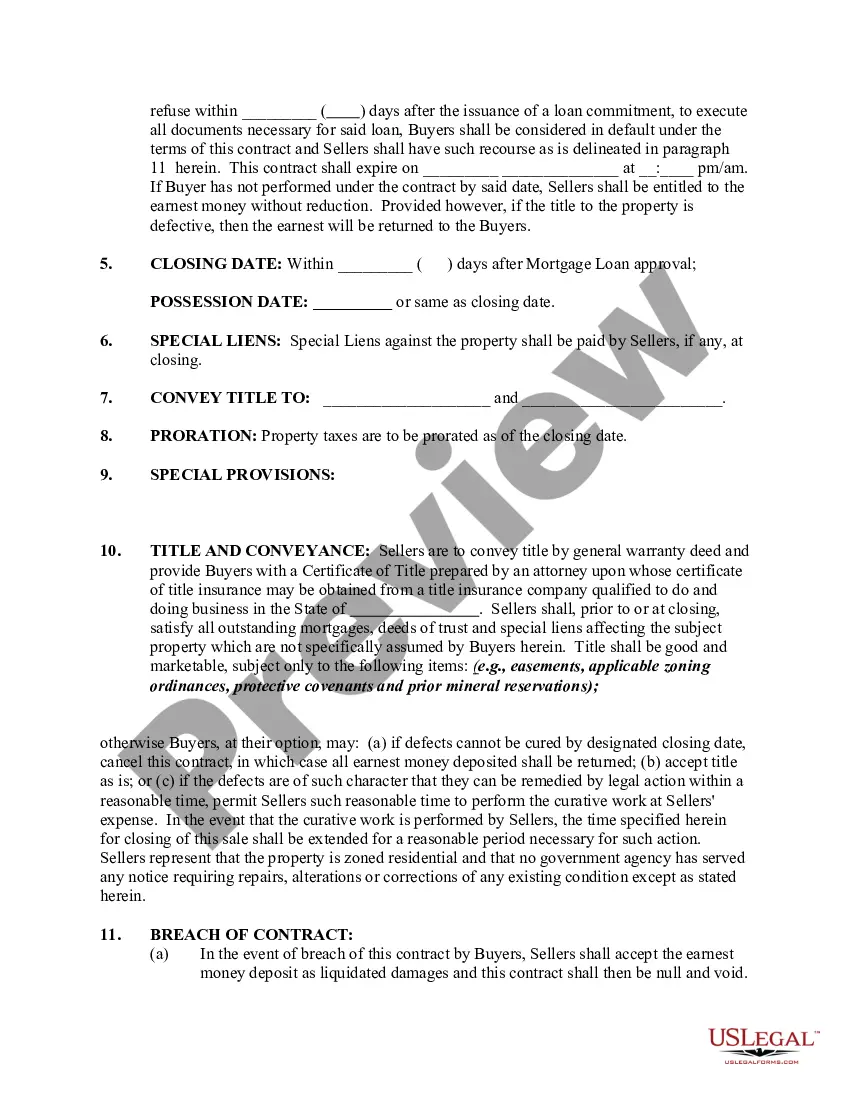
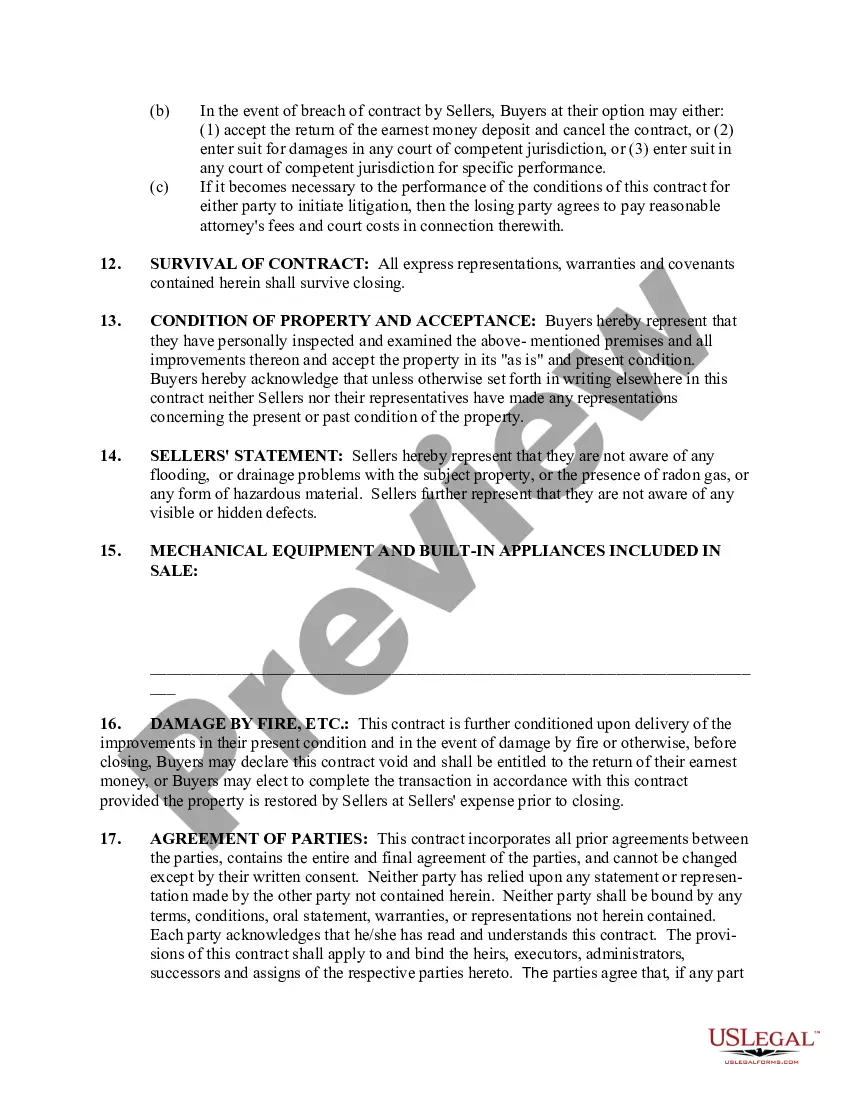
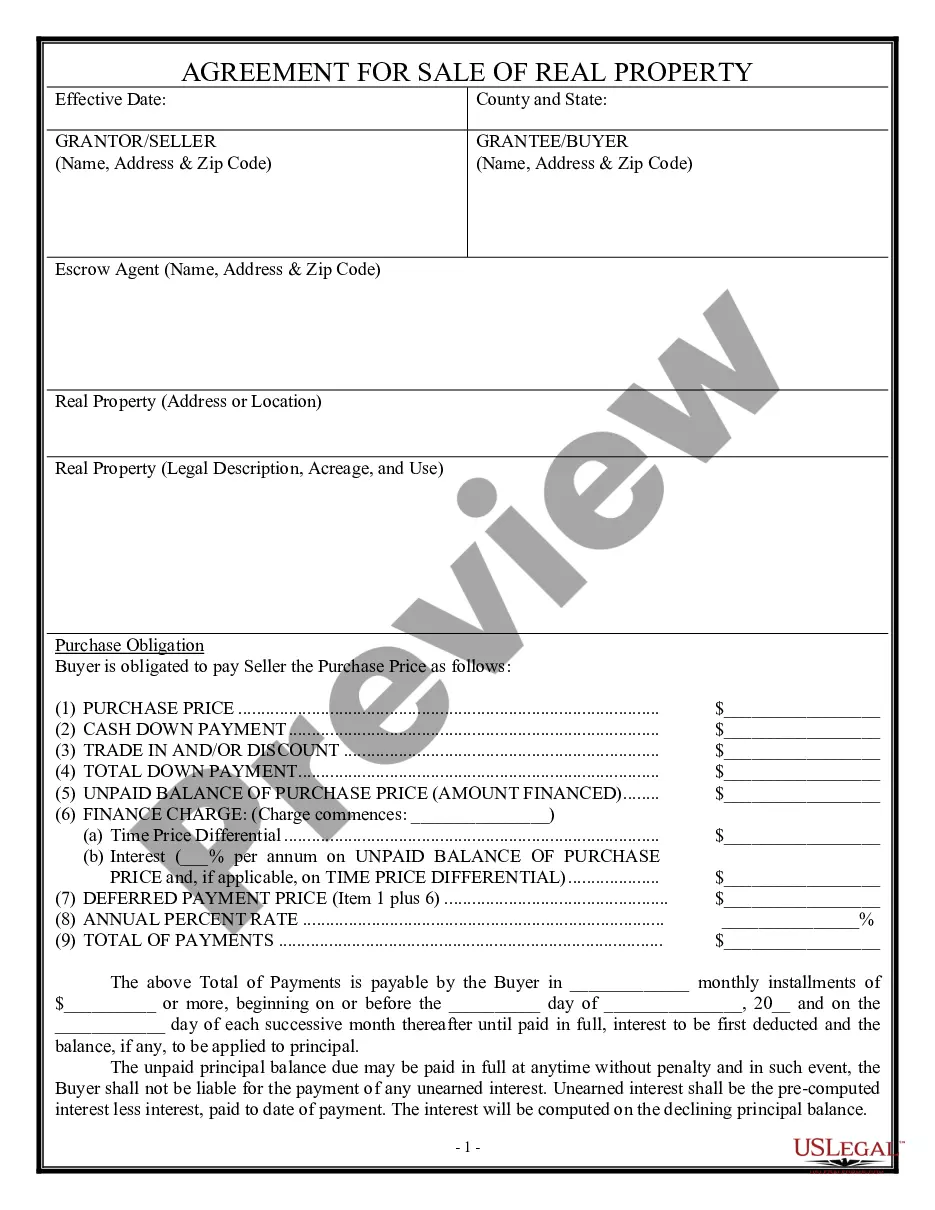
Get your form ready online
Our built-in tools help you complete, sign, share, and store your documents in one place.
Make edits, fill in missing information, and update formatting in US Legal Forms—just like you would in MS Word.
Download a copy, print it, send it by email, or mail it via USPS—whatever works best for your next step.
Sign and collect signatures with our SignNow integration. Send to multiple recipients, set reminders, and more. Go Premium to unlock E-Sign.
If this form requires notarization, complete it online through a secure video call—no need to meet a notary in person or wait for an appointment.
We protect your documents and personal data by following strict security and privacy standards.

Make edits, fill in missing information, and update formatting in US Legal Forms—just like you would in MS Word.

Download a copy, print it, send it by email, or mail it via USPS—whatever works best for your next step.

Sign and collect signatures with our SignNow integration. Send to multiple recipients, set reminders, and more. Go Premium to unlock E-Sign.

If this form requires notarization, complete it online through a secure video call—no need to meet a notary in person or wait for an appointment.

We protect your documents and personal data by following strict security and privacy standards.
Looking for another form?










Form popularity
FAQ
Transferring property in Pennsylvania involves the following process: Determine the deed option you are using. Download and fill out the appropriate forms. Fill out the realty transfer tax forms. Sign the deed in front of a notary public. File the transfer with the office of the Recorder of Deeds.
– Quitclaim Deed: This deed transfers the grantor's interest in the property without any warranties or guarantees. It is often used for transfers between family members where the grantor may not want to warrant the current status of title.
The easiest and cheapest way would be for owner to transfer by using a ``quitclaim'' deed where they are the grantor and the children are the grantees. A real estate attorney or title company can prepare the deed for around $100.
Generally, the most efficient way for the transfer to happen is at death via a trust. The deed is titled within your family trust or transfer on death deed. The trust transfers the assets to the children at passing. Skips probate.
However, one thing those in the market for a new home may wonder is how to do a house title search in Pennsylvania. To complete a house title search in Pennsylvania, you can hire someone to complete the search, visit the courthouse of the county where the property is located, or visit the county assessor.
Checklist of what to include Form 1 — Transfer (completed, signed, dated and witnessed) Form 24 — Property information (completed) Form 25 — Foreign ownership information (for foreign persons only: completed, signed, dated and witnessed) duty has been accounted for on the transfer with the Queensland Revenue Office.
How it works Be open and honest with your family member. Discuss your reasons for transferring the property with your family member and to ensure that they are aware of the implications of the transfer. Seek professional advice. Get everything in writing. Complete Transfer.
The most common way to transfer property is through a general warranty deed (sometimes called a "grant deed"). A general warranty deed guarantees good title from the beginning of time.
The information on the Form 24 is required for the Queensland Revenue Office and to monitor compliance with legislative requirements relating to electrical safety switches (Electrical Safety Office) and smoke alarms (Queensland Fire and Emergency Services); and to update information held on the valuation and sales ...
How long does registration take? Most correctly prepared dealings are registered within our service time of 3–5 working days. You can use the dealing number on your lodgement summary to check the status of your lodgement using our online dealing status search enquiry.
