Contract Law Without Foundations In Arizona
Description

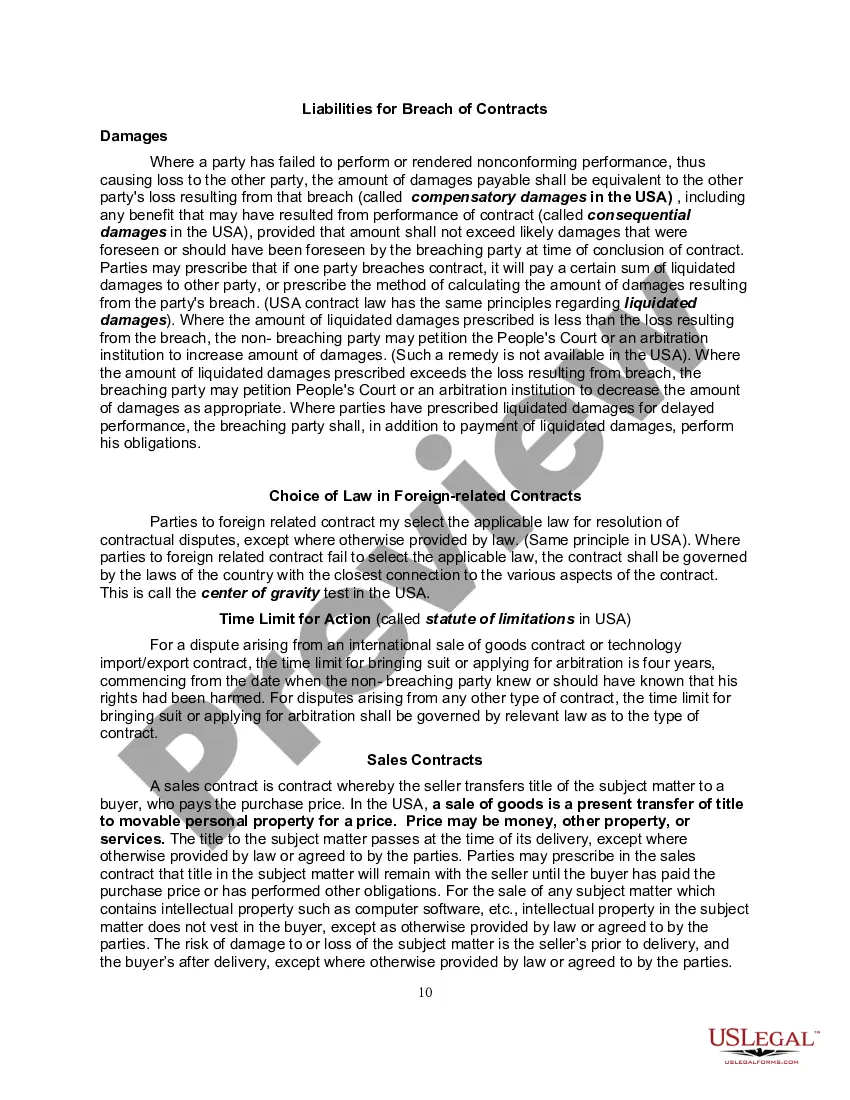


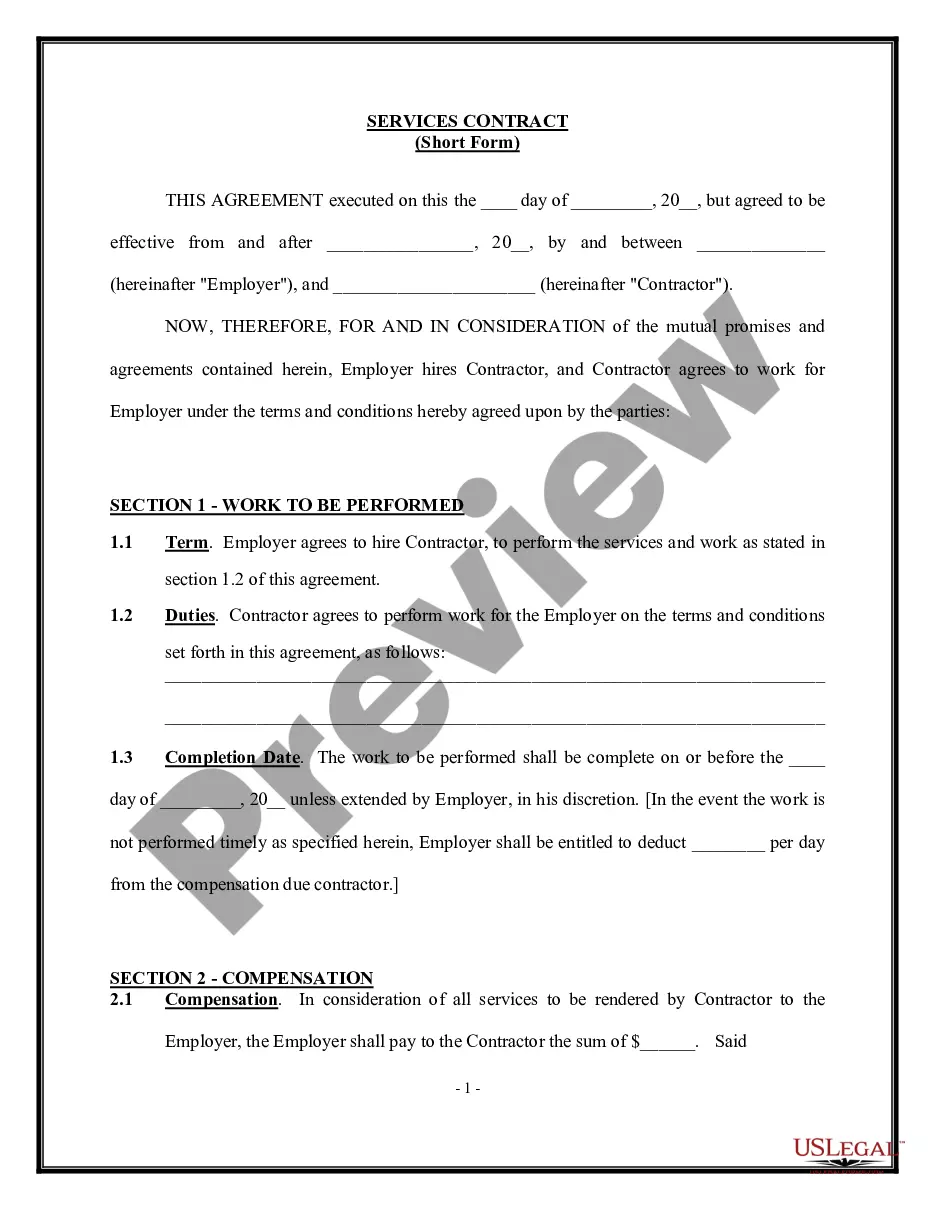
Get your form ready online
Our built-in tools help you complete, sign, share, and store your documents in one place.
Make edits, fill in missing information, and update formatting in US Legal Forms—just like you would in MS Word.
Download a copy, print it, send it by email, or mail it via USPS—whatever works best for your next step.
Sign and collect signatures with our SignNow integration. Send to multiple recipients, set reminders, and more. Go Premium to unlock E-Sign.
If this form requires notarization, complete it online through a secure video call—no need to meet a notary in person or wait for an appointment.
We protect your documents and personal data by following strict security and privacy standards.

Make edits, fill in missing information, and update formatting in US Legal Forms—just like you would in MS Word.

Download a copy, print it, send it by email, or mail it via USPS—whatever works best for your next step.

Sign and collect signatures with our SignNow integration. Send to multiple recipients, set reminders, and more. Go Premium to unlock E-Sign.

If this form requires notarization, complete it online through a secure video call—no need to meet a notary in person or wait for an appointment.

We protect your documents and personal data by following strict security and privacy standards.
Looking for another form?










Form popularity
FAQ
Understanding these seven essential elements of a contract — offer, acceptance, consideration, legally competent parties, meeting of the minds, terms of the contract, and legality of purpose — will help you check whether any agreement you enter into is a strong, legally binding contract.
There are seven essential elements an agreement must have to be considered a valid contract. The elements of a contract include identification, offer, acceptance, consideration, meeting of the minds, competency and capacity, and contract legality. Preferably, the document will be in writing (electronic or on paper).
It serves as the official document cementing the rights and duties of those involved. Contracts come in various forms but require elements like Legality, Capacity, Offer, Consideration, Intention, Certainty, and Acceptance to be legally valid and enforceable. Missing any element can render the contract unenforceable.
When is a contract legally binding? Typically, a document that includes an offer, acceptance, and appropriate consideration will be considered legally binding. In most cases, a contract is binding in Arizona even if the parties signed it in another state.
For a contract to be valid and recognized by the common law, it must include certain elements-- offer, acceptance, consideration, intention to create legal relations, authority and capacity, and certainty. Without these elements, a contract is not legally binding and may not be enforced by the courts.
7 Essential Elements of A Contract Offer. For there to be a contract, there must first be an offer by one party and an acceptance by the other. Acceptance. Acceptance is the agreement to the specific conditions of an offer. Consideration. Intention to create legal relations. Authority and capacity. Certainty.
The basic elements required for the agreement to be a legally enforceable contract are: mutual assent, expressed by a valid offer and acceptance; adequate consideration; capacity; and legality. In some states, elements of consideration can be satisfied by a valid substitute.
What Makes A Contract Null And Void Uncertainty or Ambiguity. Lack of Legal Capacity. Incomplete Terms. Misrepresentation or Fraud. Common Mistake. Duress or Undue Influence. Public Policy or Illegal Activity.
