Contract Law For Business In Wake
Description












Get your form ready online
Our built-in tools help you complete, sign, share, and store your documents in one place.
Make edits, fill in missing information, and update formatting in US Legal Forms—just like you would in MS Word.
Download a copy, print it, send it by email, or mail it via USPS—whatever works best for your next step.
Sign and collect signatures with our SignNow integration. Send to multiple recipients, set reminders, and more. Go Premium to unlock E-Sign.
If this form requires notarization, complete it online through a secure video call—no need to meet a notary in person or wait for an appointment.
We protect your documents and personal data by following strict security and privacy standards.

Make edits, fill in missing information, and update formatting in US Legal Forms—just like you would in MS Word.

Download a copy, print it, send it by email, or mail it via USPS—whatever works best for your next step.

Sign and collect signatures with our SignNow integration. Send to multiple recipients, set reminders, and more. Go Premium to unlock E-Sign.

If this form requires notarization, complete it online through a secure video call—no need to meet a notary in person or wait for an appointment.

We protect your documents and personal data by following strict security and privacy standards.
Looking for another form?



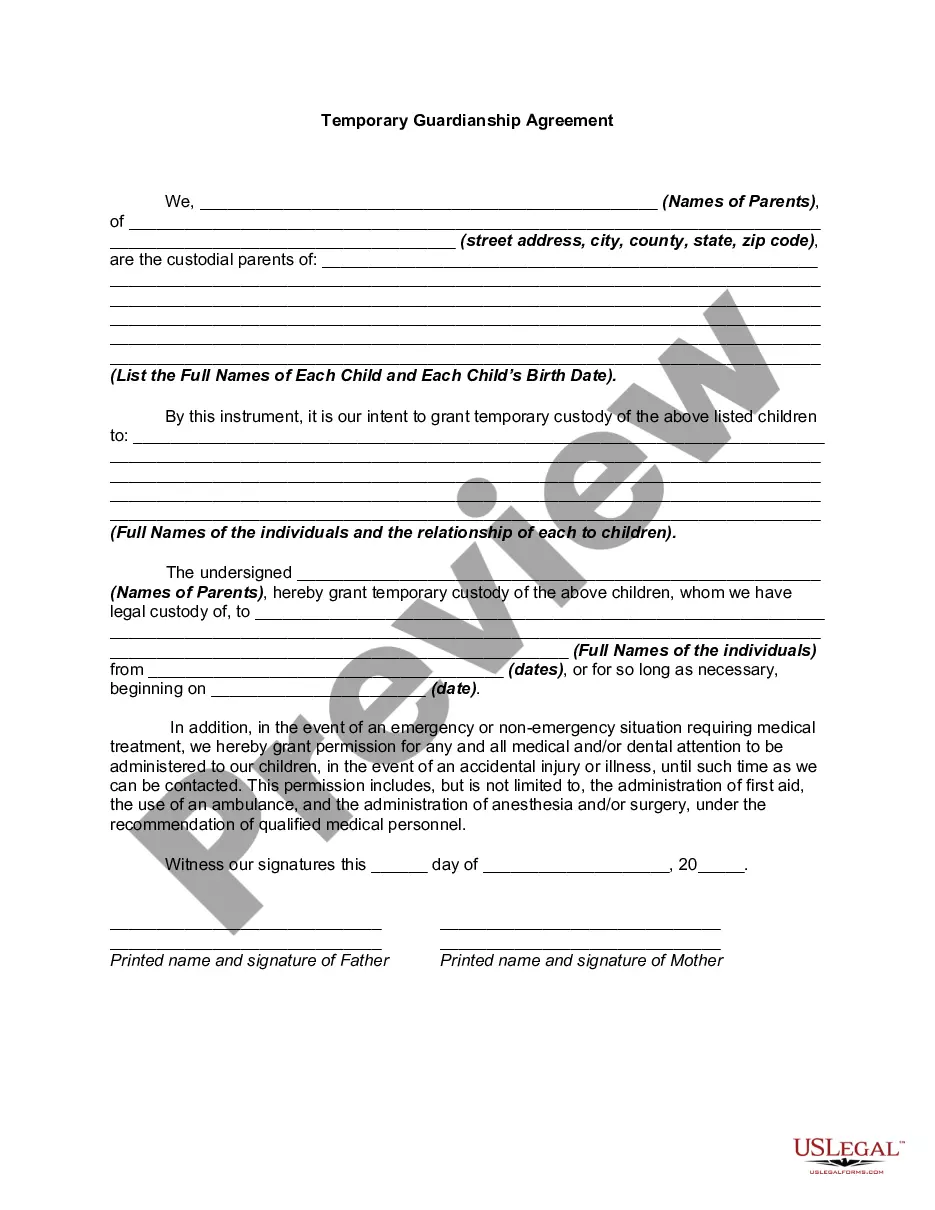




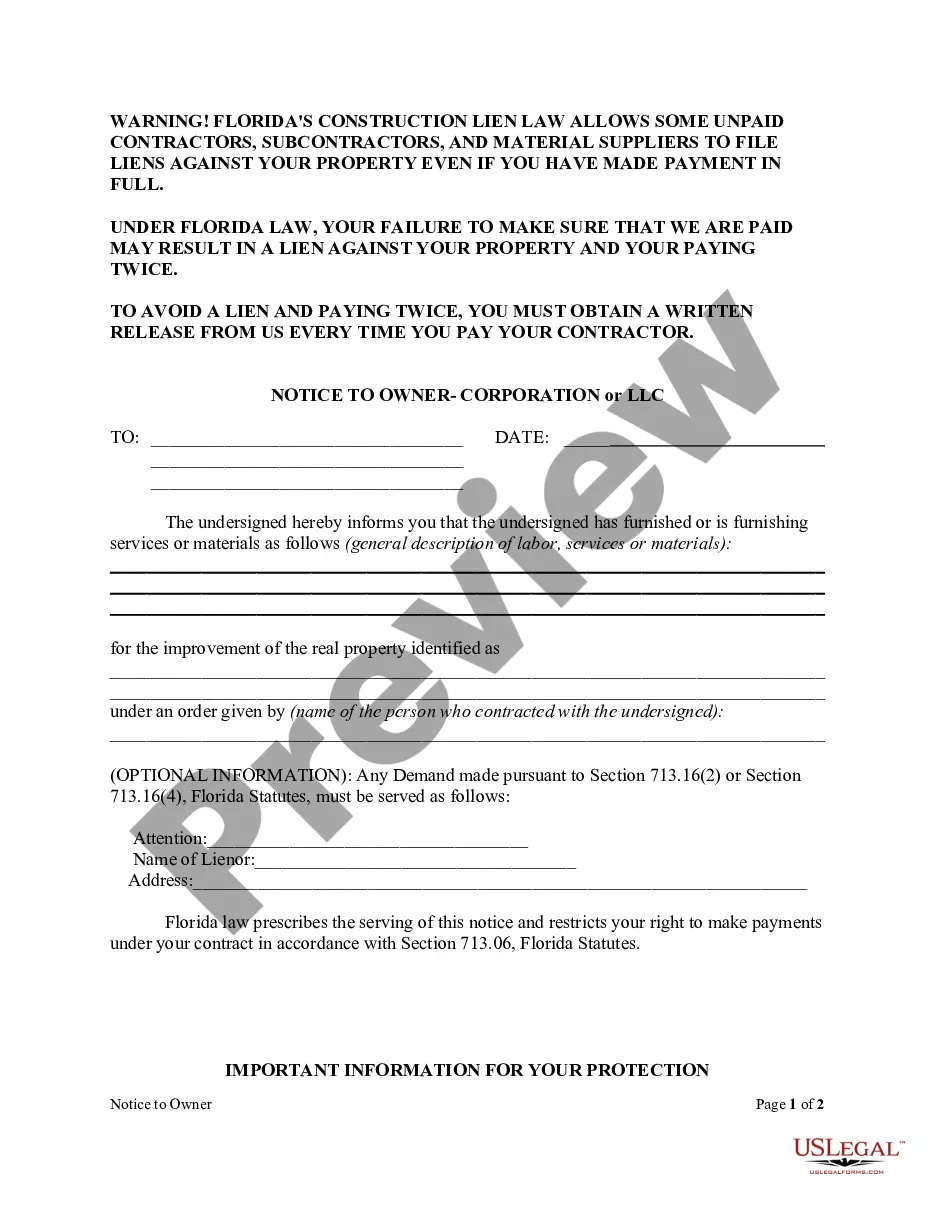

Form popularity
FAQ
Contract law includes various laws that determine the rights and liabilities of parties taking part in business transactions. A written contract records what has been agreed upon so there is less chance of disagreement at a future date and it eliminates either party from effectively denying having made one.
A contract is a legally binding agreement between parties to create mutual obligations that businesses and individuals use to protect their interests. Contracts outline the specific terms of engagement for a transaction. They can also dictate legal consequences if a party tries to break the agreement.
While the 3 elements of contract law—offer, acceptance, and consideration—are crucial, there are additional elements that ensure a contract is valid and enforceable. These include capacity, legality, and awareness.
Often contract law is integrated into many other areas of law, such as corporate law, land law or even family law. Contract law is all about relating the facts of the real world to an agreement made between two or more parties. Your job will be to ensure your clients' best interests are protected as much as possible.
An illegal contract prevents claims based on a contract when a party seeks to enforce an agreement which the law prohibits. The illegality operates primarily as a defence to legal claims. Courts will not assist a claimant to recover a benefit from their own wrongdoing.
Under California contract law, these agreements must meet certain criteria to be enforceable: Offer and Acceptance – There must be a clear offer by one party and a willing acceptance by the other, establishing the mutual consent that is crucial for the formation of a binding contract.
What is an Illegal Contract? An illegal contract prevents claims based on a contract when a party seeks to enforce an agreement which the law prohibits. The illegality operates primarily as a defence to legal claims. Courts will not assist a claimant to recover a benefit from their own wrongdoing.
A contract is an agreement between parties, creating mutual obligations that are enforceable by law. The basic elements required for the agreement to be a legally enforceable contract are: mutual assent, expressed by a valid offer and acceptance; adequate consideration; capacity; and legality.
What is a simple contract? As the name suggests, a simple contract is the simplest form of a legally binding agreement between two or more persons or parties. They can be either written or orally agreed upon deals, however, written contracts are preferred for multiple reasons.
