Construction Law In Uk In Texas
Description












Get your form ready online
Our built-in tools help you complete, sign, share, and store your documents in one place.
Make edits, fill in missing information, and update formatting in US Legal Forms—just like you would in MS Word.
Download a copy, print it, send it by email, or mail it via USPS—whatever works best for your next step.
Sign and collect signatures with our SignNow integration. Send to multiple recipients, set reminders, and more. Go Premium to unlock E-Sign.
If this form requires notarization, complete it online through a secure video call—no need to meet a notary in person or wait for an appointment.
We protect your documents and personal data by following strict security and privacy standards.

Make edits, fill in missing information, and update formatting in US Legal Forms—just like you would in MS Word.

Download a copy, print it, send it by email, or mail it via USPS—whatever works best for your next step.

Sign and collect signatures with our SignNow integration. Send to multiple recipients, set reminders, and more. Go Premium to unlock E-Sign.

If this form requires notarization, complete it online through a secure video call—no need to meet a notary in person or wait for an appointment.

We protect your documents and personal data by following strict security and privacy standards.
Looking for another form?


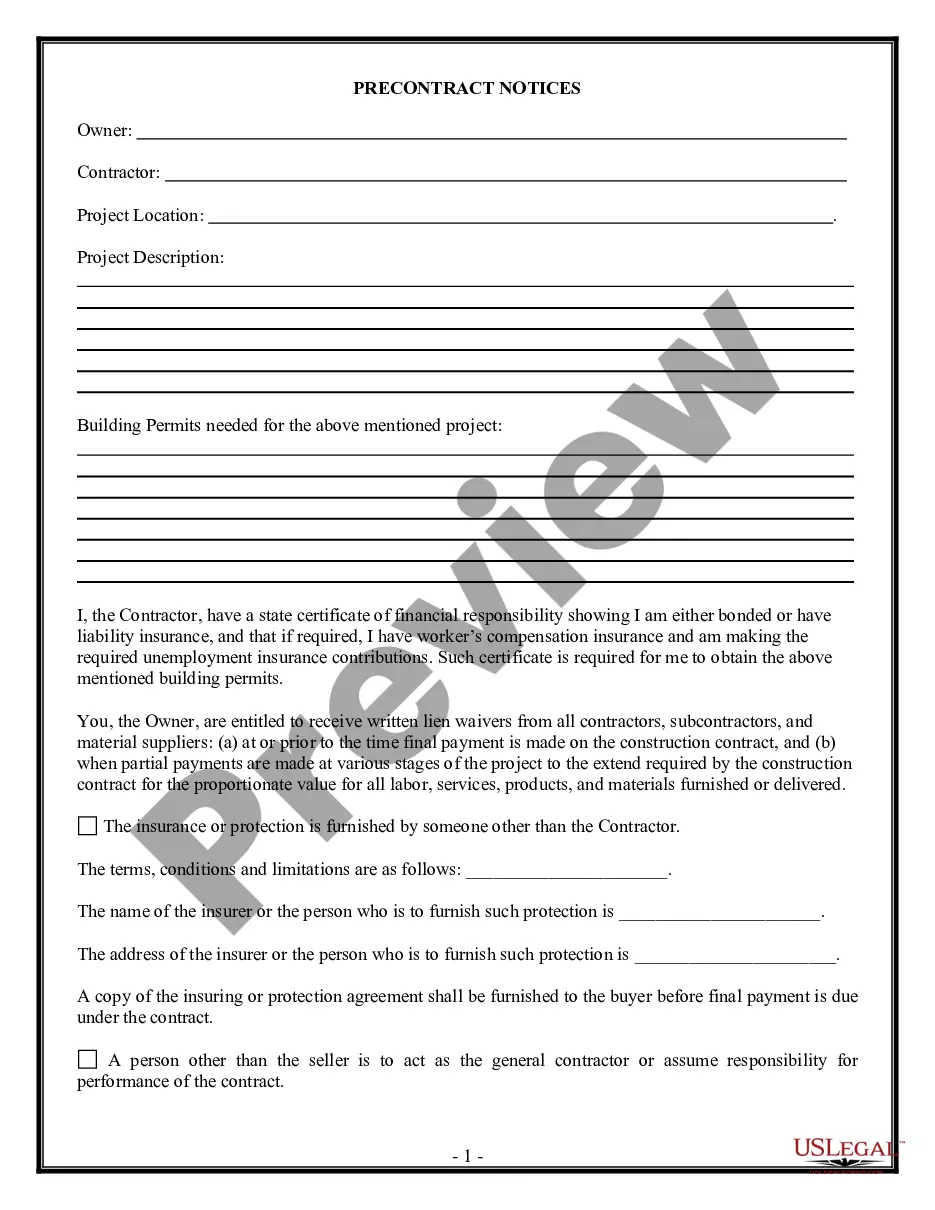



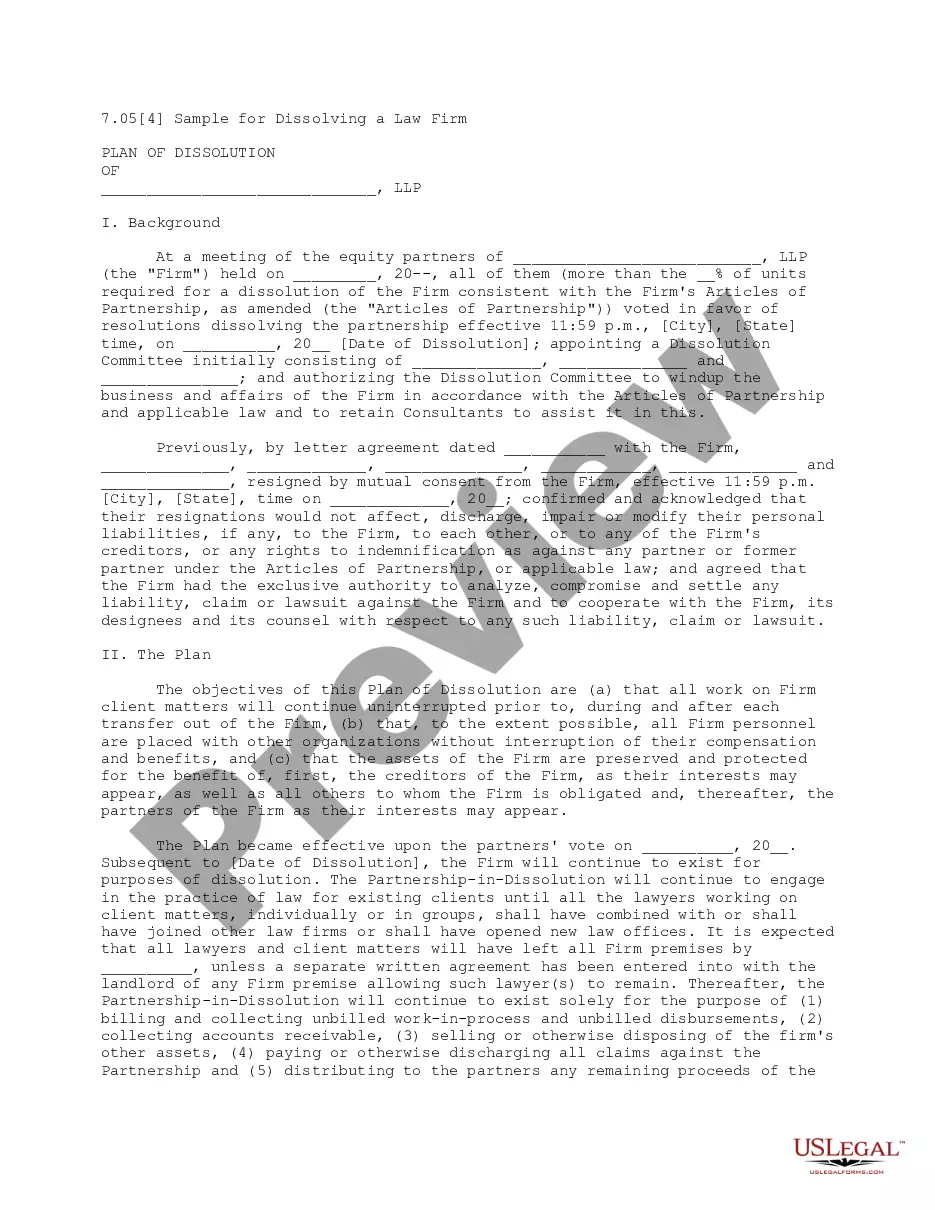

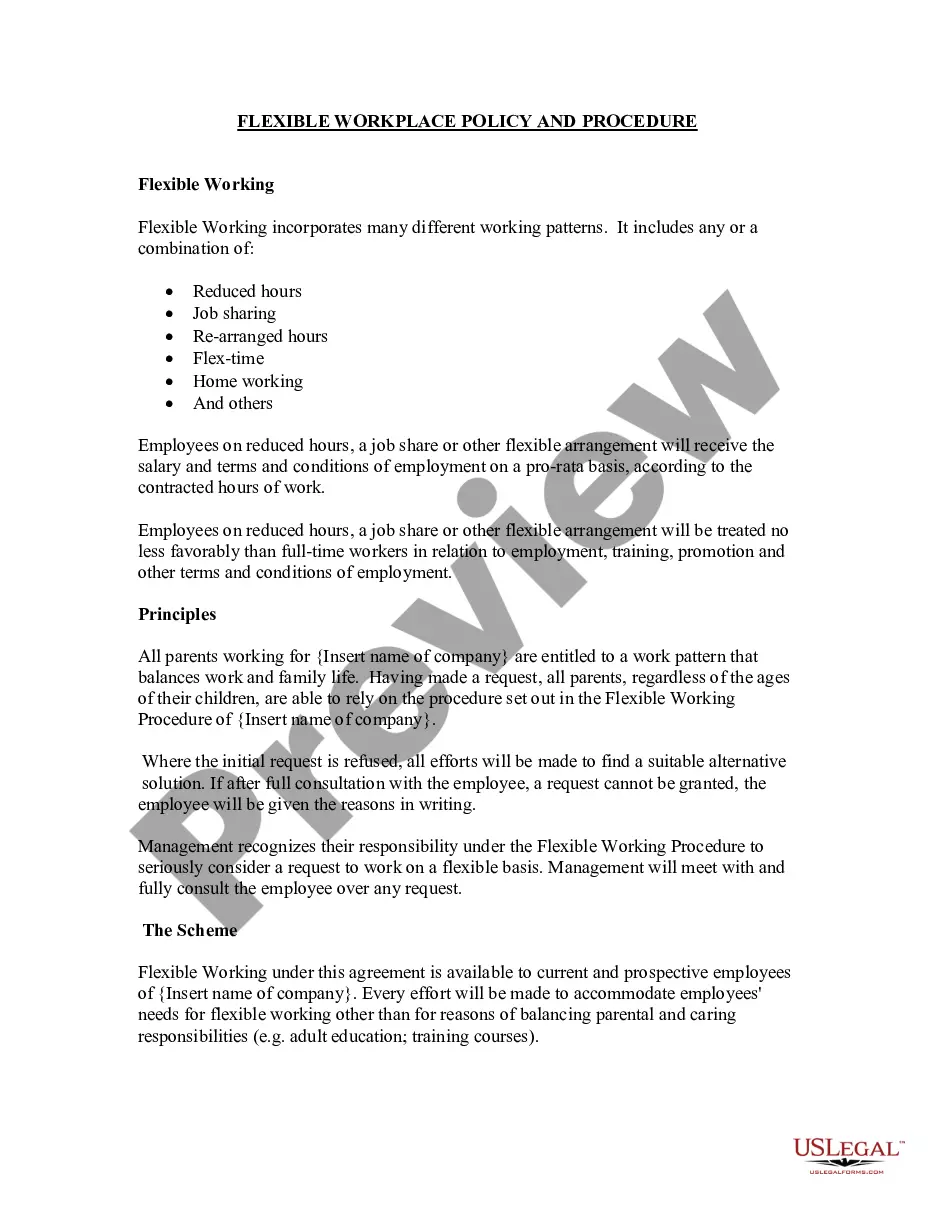

Form popularity
FAQ
To file a lien claim, you will need: The amount owed for each month you performed the work that remains unpaid. A brief description of the work you performed. The original contractor's name (general contractor) and mailing address (only if you are a subcontractor or sub-subcontractor).
A rule of construction is used to interpret a document in order to determine how its provisions operate as a whole to bring about the purpose of those who drafted it.
The area of construction law deals with matters such as infrastructure, housing, planning permissions and construction and engineering. The key to understanding construction law is that it has two main categories: non-contentious and contentious. Below is a brief overview of construction law and its branches.
Constitutional and Statutory Mechanic's Liens Texas has two types of mechanic's liens—constitutional and statutory. All Texas mechanic's liens have their source in Article XVI, Section 37 of the state constitution, which provides for the lien and instructs the legislature to provide for its enforcement.
On residential projects, the deadline to file a Texas mechanics lien is the 15th day of the 3rd month after the month the contract was completed, terminated, or abandoned.
File the lien: A construction lien is typically filed with the county clerk in which the project is located. The paperwork and filing requirements vary by state, but will usually involve listing the work performed, the unpaid amount(s) at issue, as well as attaching copies of contracts and any required notices.
