Laws For Construction Industry In Phoenix
Description

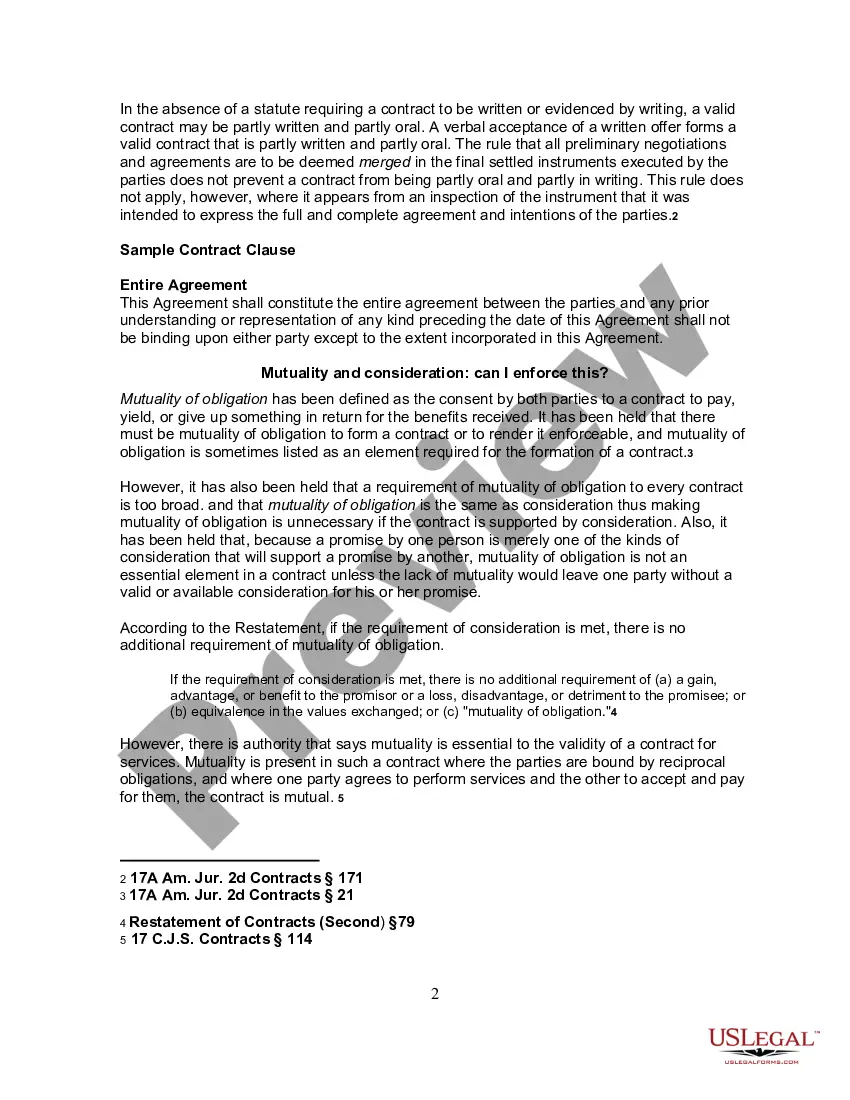
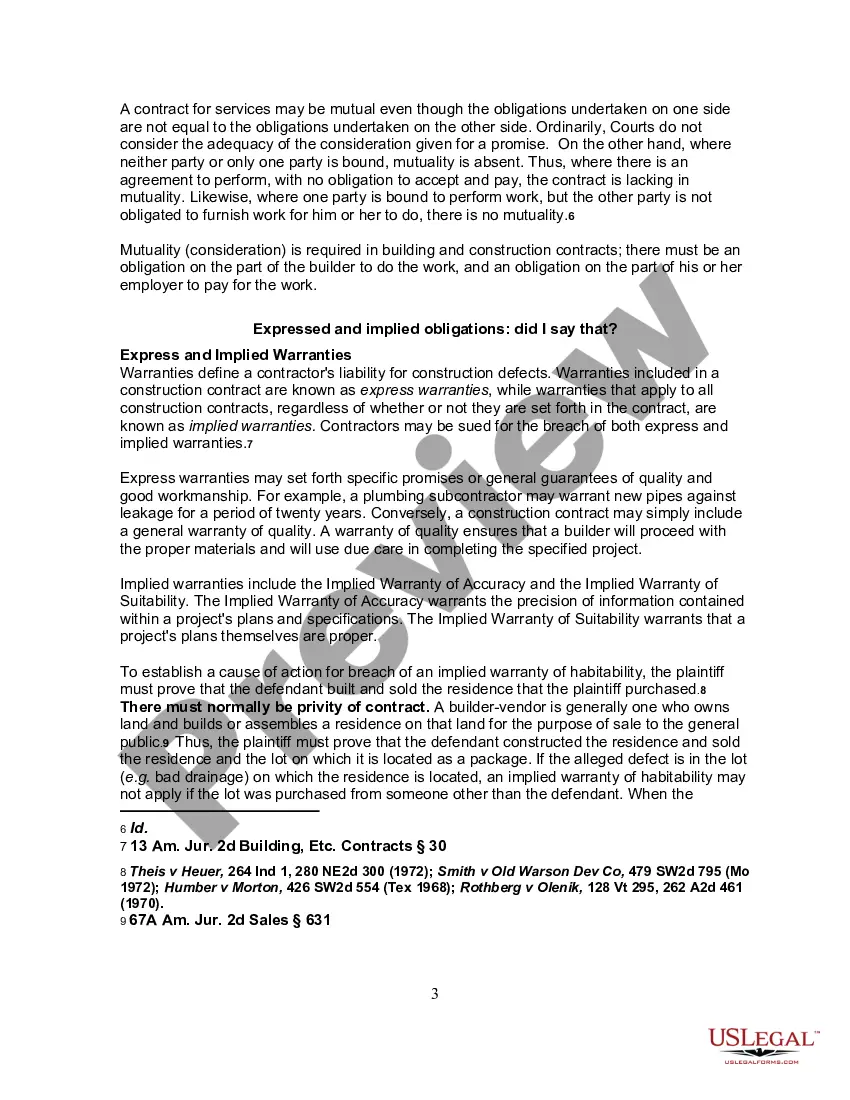
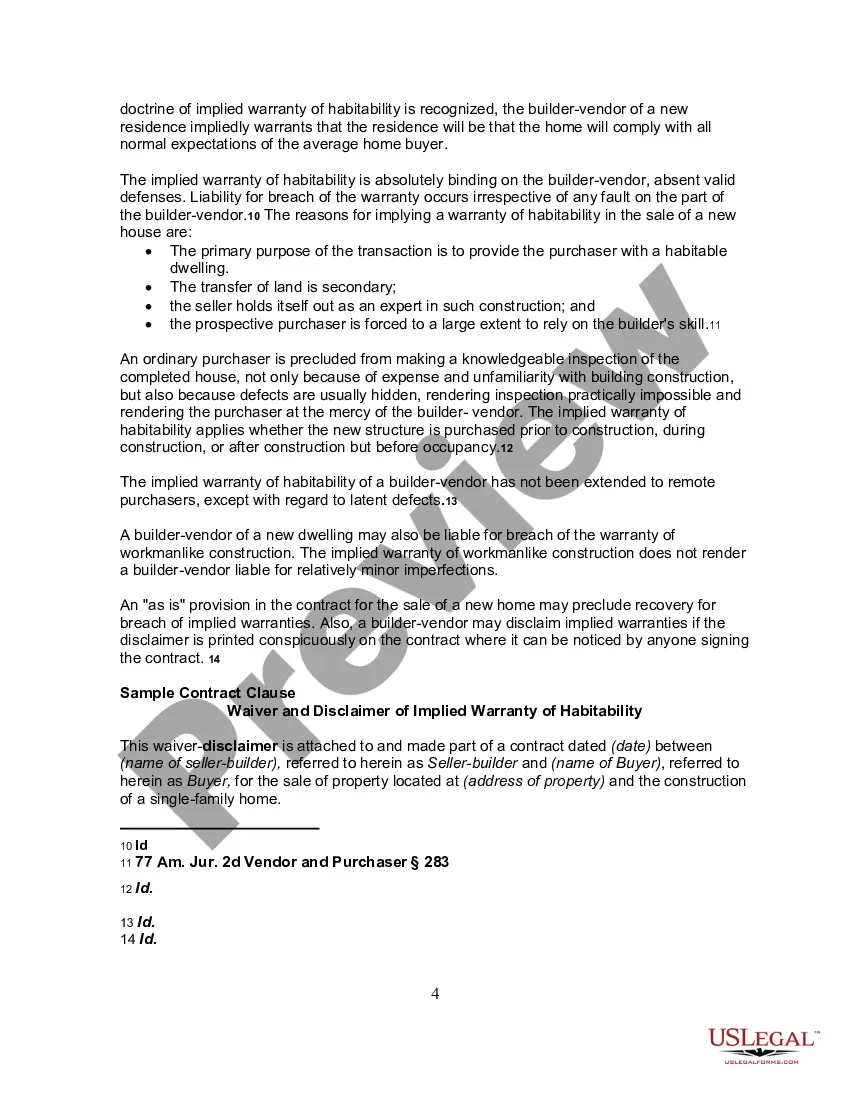
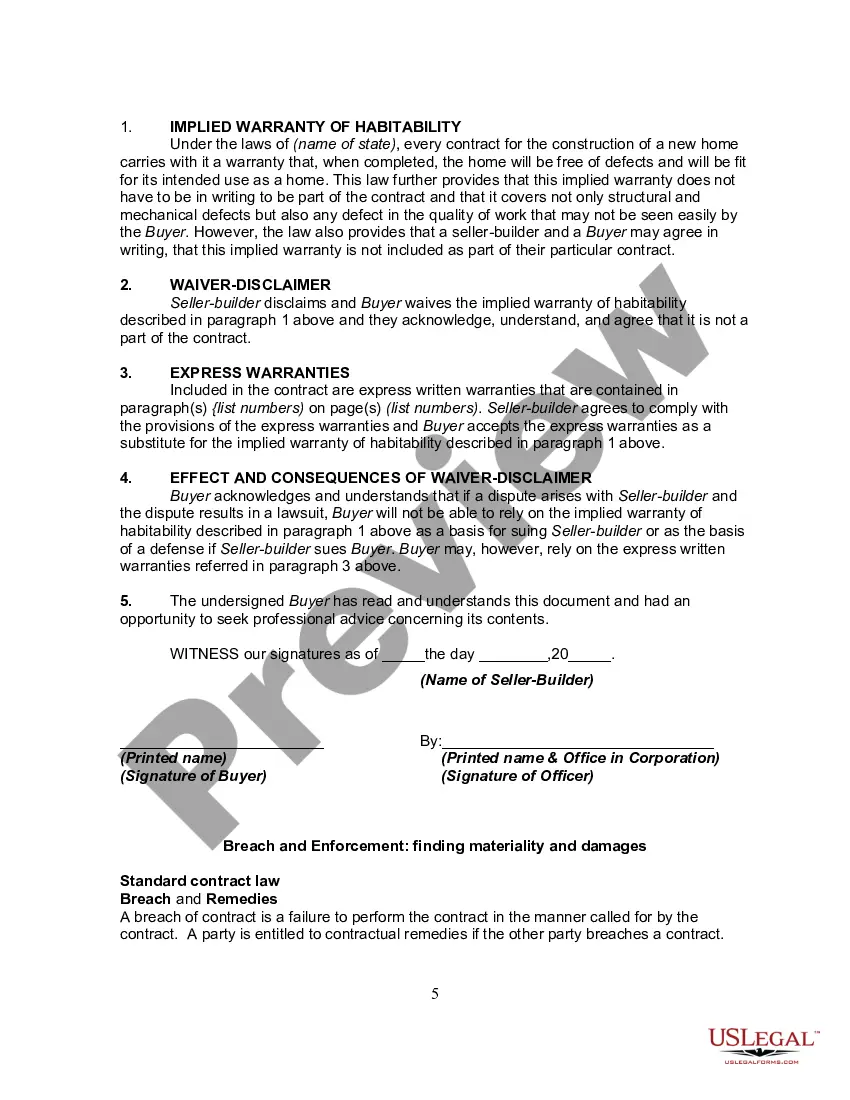
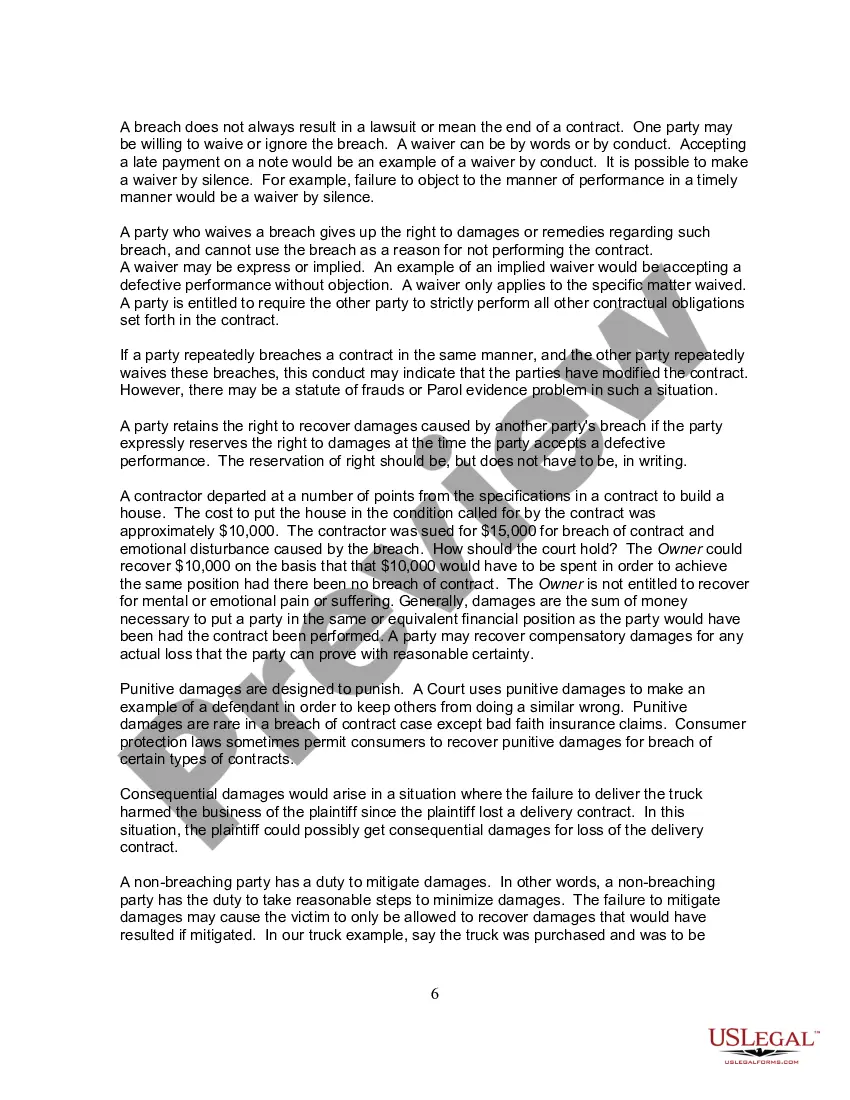
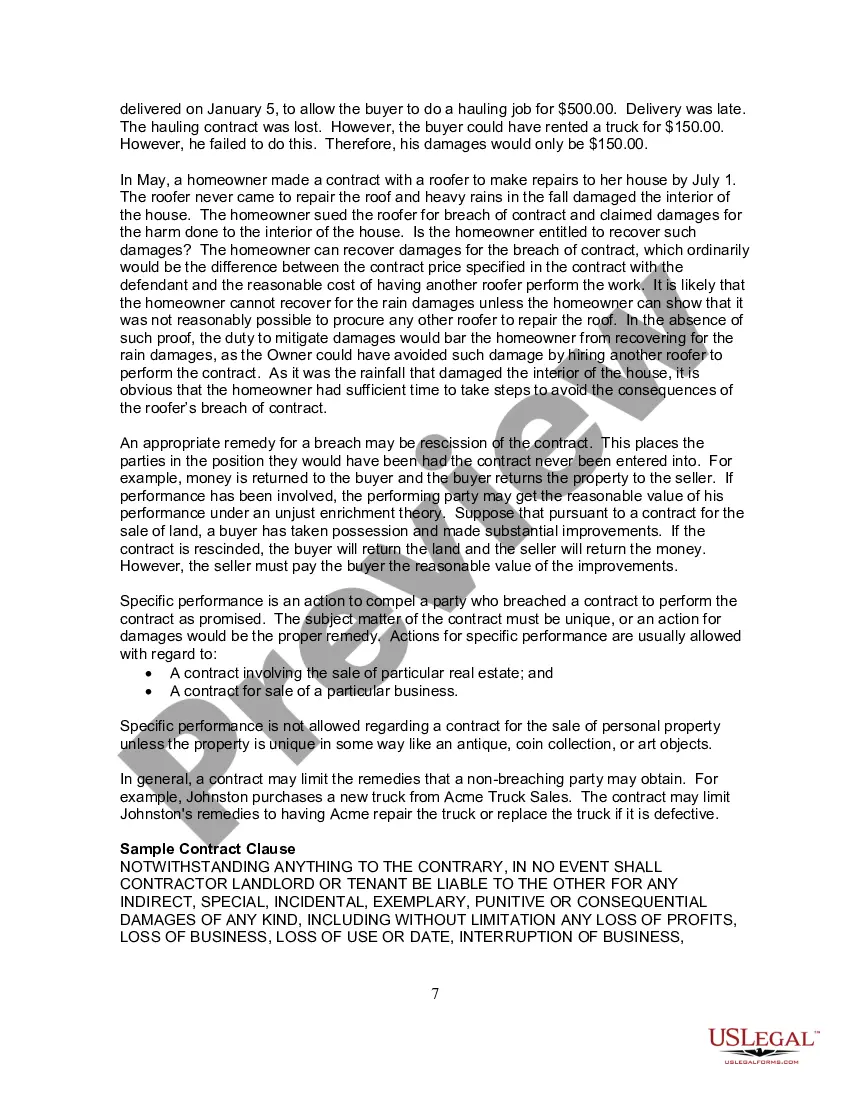
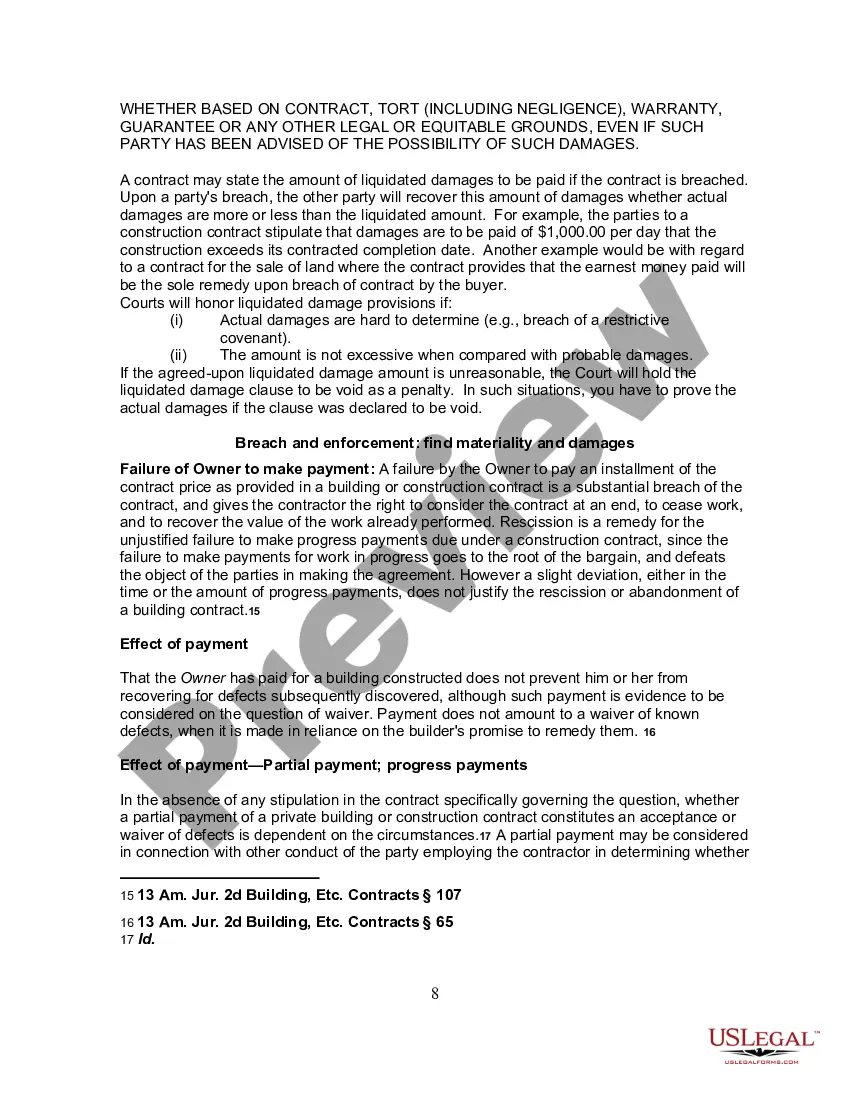
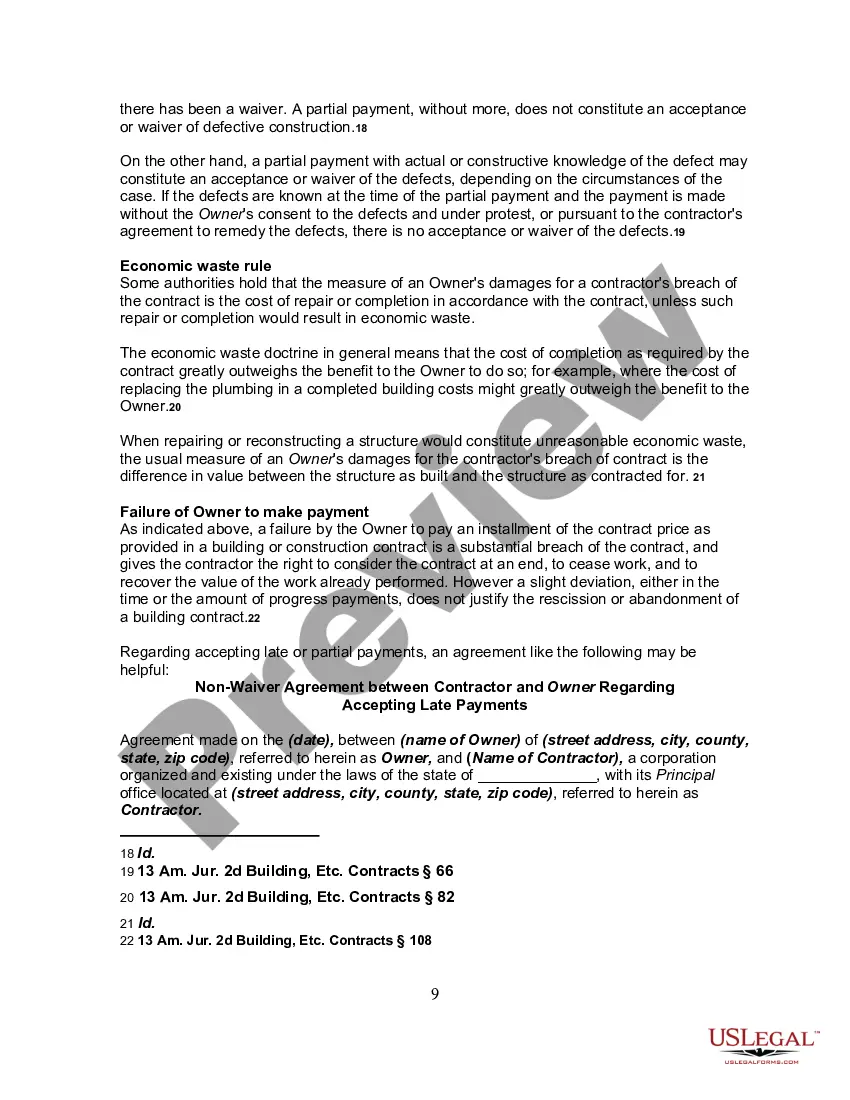

Get your form ready online
Our built-in tools help you complete, sign, share, and store your documents in one place.
Make edits, fill in missing information, and update formatting in US Legal Forms—just like you would in MS Word.
Download a copy, print it, send it by email, or mail it via USPS—whatever works best for your next step.
Sign and collect signatures with our SignNow integration. Send to multiple recipients, set reminders, and more. Go Premium to unlock E-Sign.
If this form requires notarization, complete it online through a secure video call—no need to meet a notary in person or wait for an appointment.
We protect your documents and personal data by following strict security and privacy standards.

Make edits, fill in missing information, and update formatting in US Legal Forms—just like you would in MS Word.

Download a copy, print it, send it by email, or mail it via USPS—whatever works best for your next step.

Sign and collect signatures with our SignNow integration. Send to multiple recipients, set reminders, and more. Go Premium to unlock E-Sign.

If this form requires notarization, complete it online through a secure video call—no need to meet a notary in person or wait for an appointment.

We protect your documents and personal data by following strict security and privacy standards.
Looking for another form?
Form popularity
FAQ
Current Commercial Code of Arizona International Building Code (IBC) International Residential Code (IRC) International Mechanical Code (IMC) Additional related codes for specific aspects like plumbing and electrical systems.
The subject could be in violation of Phoenix City Code Noise Ordinance 23-12 if construction work is creating unreasonably loud, disturbing and unnecessary noise as described by Phoenix City Code 23-14(h): Building construction.
Yelling, shouting, hooting, whistling or singing on the public streets, particularly between the hours of p.m. and a.m., or at any time or place so as to annoy or disturb the quiet, comfort or repose of persons in any hospital, dwelling, hotel or other type of residence, or of persons in the vicinity.
The primary cause of action used in residential construction defect cases is a breach of the implied warranty of habitability. This cause of action allows a homeowner to sue the builder or vendor for construction defects for up to eight years (nine years if the defect is found in the eighth year).
Year-round. It's nonstop and it will make you. Crazy. It's a sound that plays out day in and day outMoreYear-round. It's nonstop and it will make you. Crazy. It's a sound that plays out day in and day out near Michelle's our 2 key home construction.
Every such contract requires: The name of the contractor, the contractor's business address and license number. The name and mailing address of the owner and the jobsite address or legal description. The date the parties entered into the contract.
Construction noise is covered by Chapter 12.08. 440 in Title 12 of the County Codes. Most construction must take place between a.m. and p.m. during normal weekdays. However, emergency repairs may be performed as necessary.
Getting a Contractor's License Identify a Qualifying Party. The Applicant must identify a Qualifying Party for the license. Pass Examination(s) ... Statutes and Rules Exam (SRE) ... Trade and Solar Exams. NASCLA. Submit to Background Checks. Form a Legal Entity. Bond.
The primary cause of action used in residential construction defect cases is a breach of the implied warranty of habitability. This cause of action allows a homeowner to sue the builder or vendor for construction defects for up to eight years (nine years if the defect is found in the eighth year).
By checking for formal complaints with a consumer agency you might spot a history of poor service. Search for complaints with the Better Business Bureau at BBB.
