Construction Law And Contract In Bronx
Description

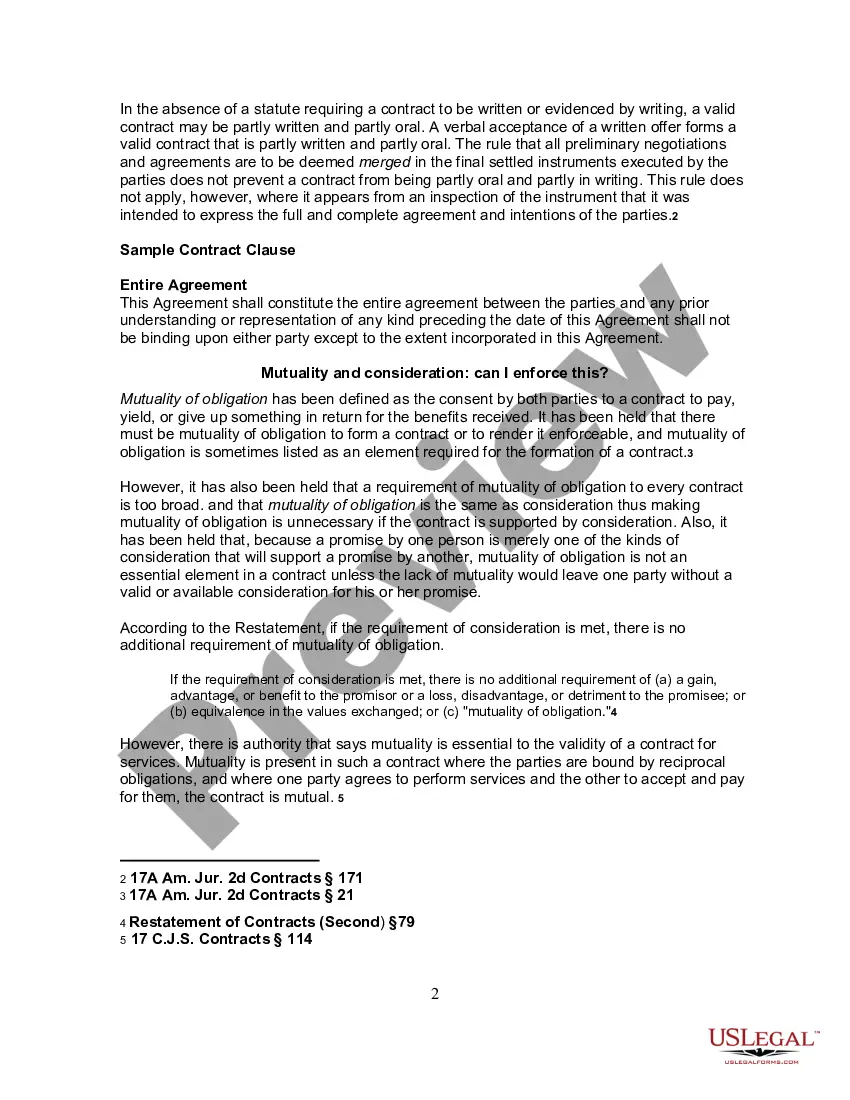
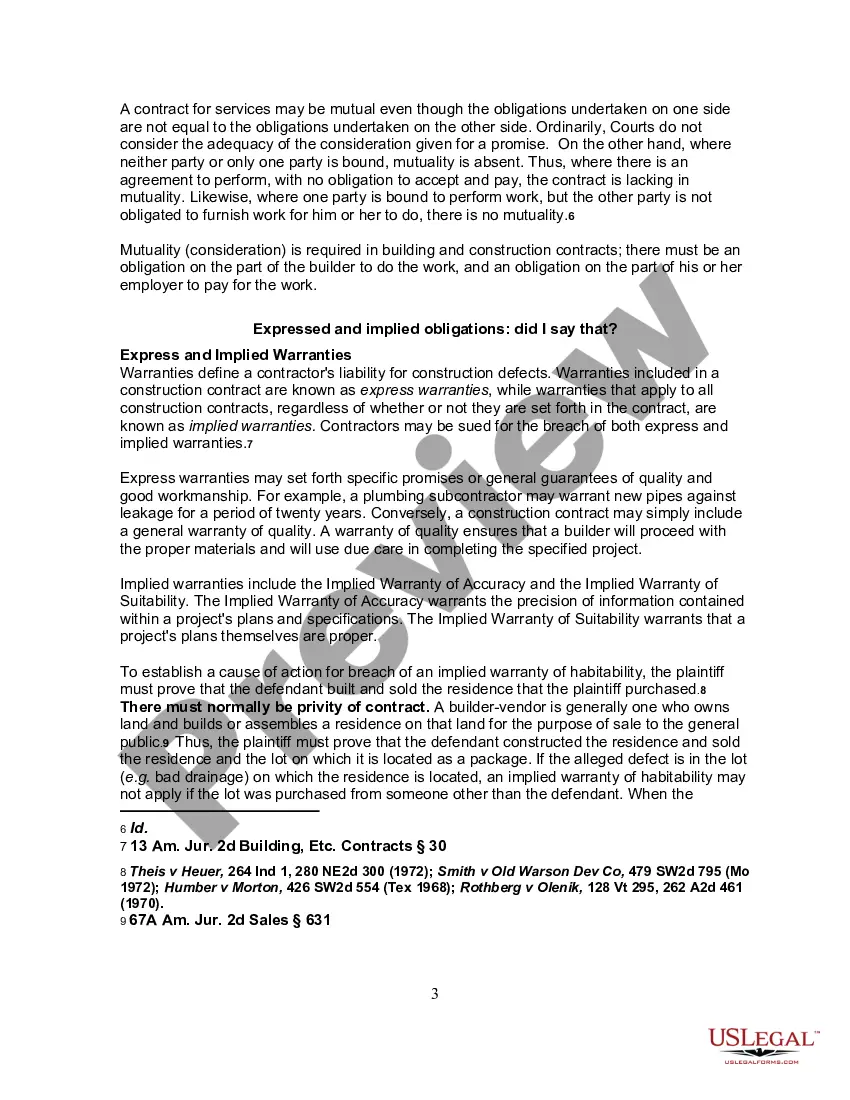
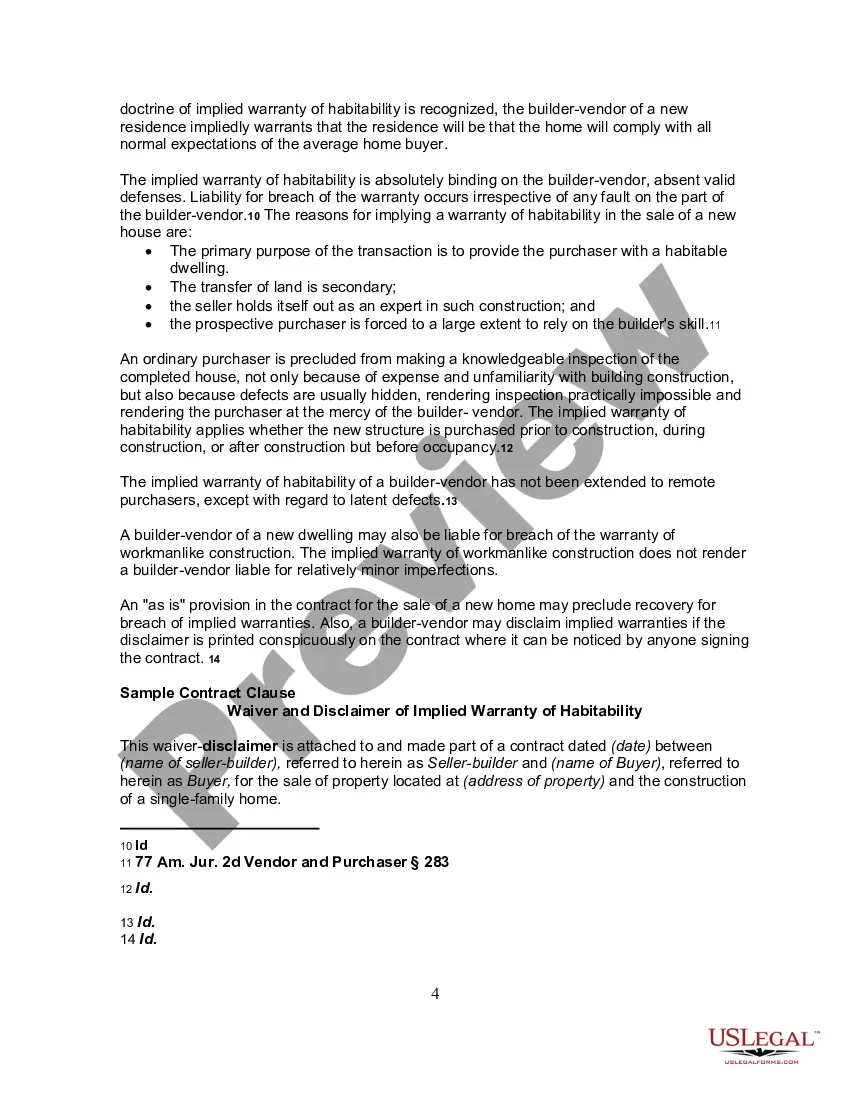
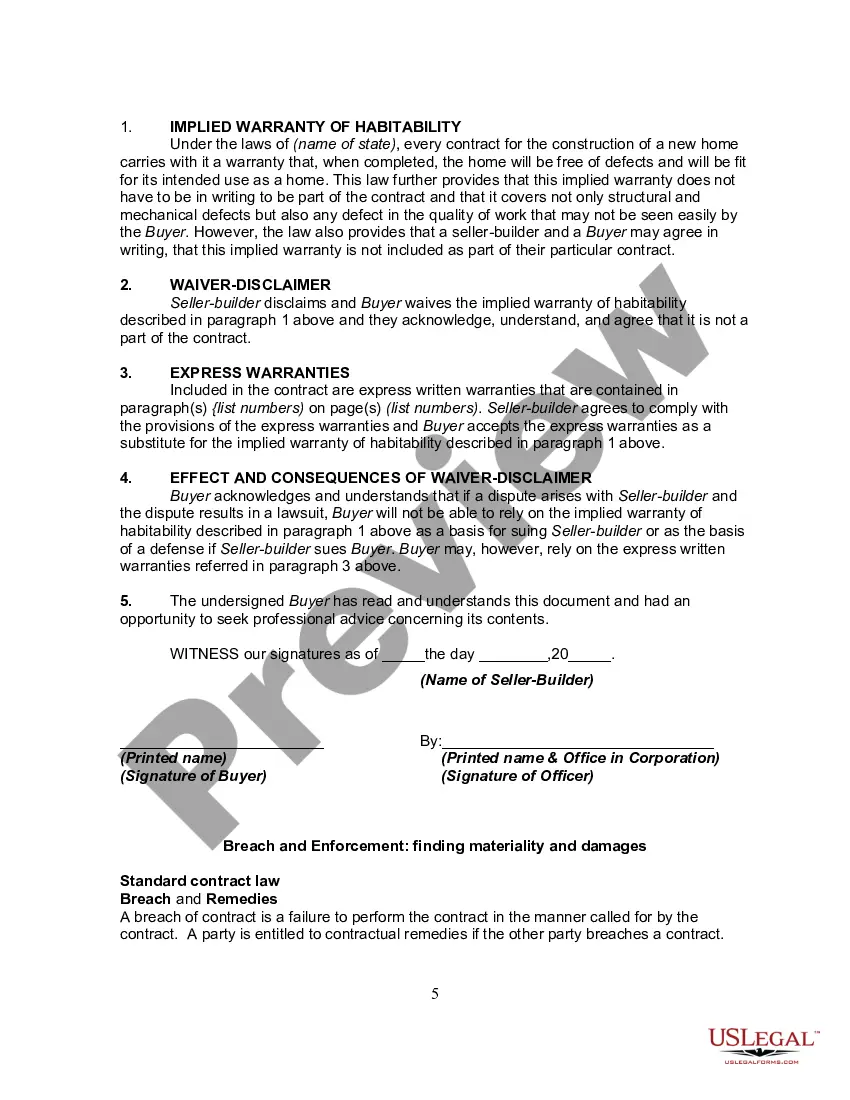

Get your form ready online
Our built-in tools help you complete, sign, share, and store your documents in one place.
Make edits, fill in missing information, and update formatting in US Legal Forms—just like you would in MS Word.
Download a copy, print it, send it by email, or mail it via USPS—whatever works best for your next step.
Sign and collect signatures with our SignNow integration. Send to multiple recipients, set reminders, and more. Go Premium to unlock E-Sign.
If this form requires notarization, complete it online through a secure video call—no need to meet a notary in person or wait for an appointment.
We protect your documents and personal data by following strict security and privacy standards.

Make edits, fill in missing information, and update formatting in US Legal Forms—just like you would in MS Word.

Download a copy, print it, send it by email, or mail it via USPS—whatever works best for your next step.

Sign and collect signatures with our SignNow integration. Send to multiple recipients, set reminders, and more. Go Premium to unlock E-Sign.

If this form requires notarization, complete it online through a secure video call—no need to meet a notary in person or wait for an appointment.

We protect your documents and personal data by following strict security and privacy standards.
Looking for another form?









Form popularity
FAQ
Here are the basic steps towards becoming a lawyer specializing in construction law. Step 1: Complete a Bachelor's Law Degree. Step 2: Take the LSAT. Step 3: Join an ABA-Approved Law School. Step 4: Intern at a Firm. Step 5: Earn Your Juris Doctor Degree. Step 6: Sit and Pass the Bar Exam.
Since its foundation in 1983, the Society of Construction Law has worked to promote for the public benefit education, study and research in the field of construction law and related subjects (including adr, arbitration and adjudication), both in the UK and overseas.
First, to become a contract attorney, one must earn a bachelor's degree and graduate with good grades. It is recommended, but not required, to earn a degree in a legally-related field, such as criminal justice or political science. Before applying for law school, you must take the LSAT and get a good score.
If you want to pursue a career in construction law, you will first have to complete all the educational requirements to become a lawyer in your state, then get licensed as an attorney. Afterward, you can specialize in construction law. Here are the basic steps towards becoming a lawyer specializing in construction law.
Except for when a government agency is sued, there is almost always at least one year from the date of an event to start a case no matter what type of claim it is. You should have no statute of limitations worries if you file your case within this one-year period.
Evaluating the Severity of Defects Minor imperfections or cosmetic issues may not be sufficient grounds for legal action. However, if the defects significantly impact the functionality, safety, or value of the property, it may be necessary to pursue a lawsuit.
A foreclosure of a mechanic's lien must be filed while the mechanic's lien is still valid, meaning you have to file the foreclosure action within a year of filing the mechanic's lien. You must file a breach of contract or unjust enrichment lawsuit within six years.
Thankfully, there are several options available to you for solving disputes against a contractor, some of these include submitting a complaint to the New York City Department of Consumer and Worker Protection (also known as the DCWP/DCA), and filing a lawsuit in small claims court.
That contract must include specific information about your rights and responsibilities. In addition, any changes made to that contract must be in writing, be legible, be easy to understand, and inform you of your rights to cancel or rescind the contract.
As the law is currently written, design professionals and contractors in New York are subject to claims for an indefinite period of time. After 10 years a claimant must serve a notice, but this could be 20, 30, 50, or more years after the project is completed.
