Law Books For Beginners In Riverside
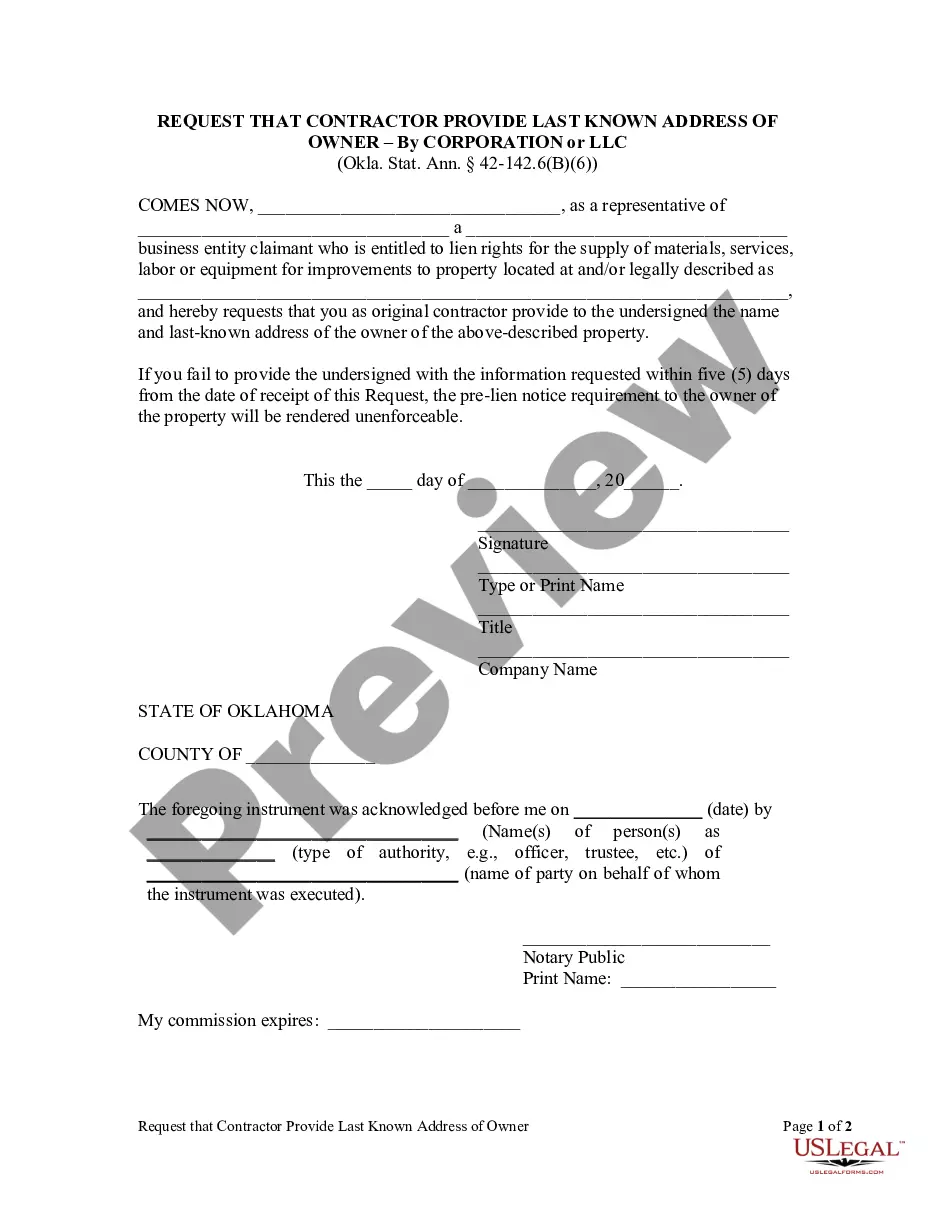
Description
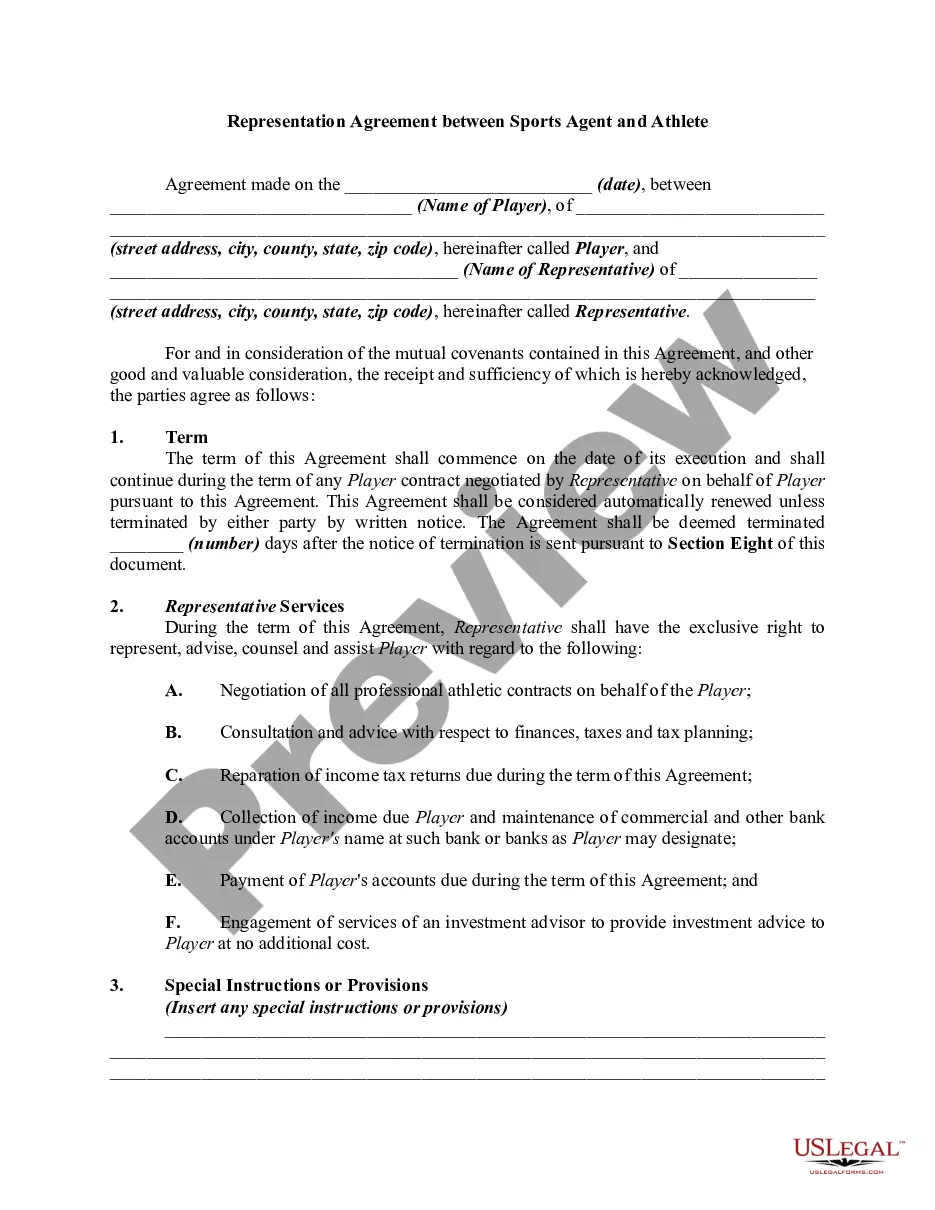
Get your form ready online
Our built-in tools help you complete, sign, share, and store your documents in one place.
Make edits, fill in missing information, and update formatting in US Legal Forms—just like you would in MS Word.
Download a copy, print it, send it by email, or mail it via USPS—whatever works best for your next step.
Sign and collect signatures with our SignNow integration. Send to multiple recipients, set reminders, and more. Go Premium to unlock E-Sign.
If this form requires notarization, complete it online through a secure video call—no need to meet a notary in person or wait for an appointment.
We protect your documents and personal data by following strict security and privacy standards.

Make edits, fill in missing information, and update formatting in US Legal Forms—just like you would in MS Word.

Download a copy, print it, send it by email, or mail it via USPS—whatever works best for your next step.

Sign and collect signatures with our SignNow integration. Send to multiple recipients, set reminders, and more. Go Premium to unlock E-Sign.

If this form requires notarization, complete it online through a secure video call—no need to meet a notary in person or wait for an appointment.

We protect your documents and personal data by following strict security and privacy standards.
Looking for another form?






Form popularity
FAQ
Black's Law Dictionary is the most widely cited law book in the world and is the standard for the language law.
The law collection currently consists of more than one million titles comprising over 2.9 million volumes, and over 3 million microform items, which can be located by searching the online catalog.
The five books grouped as books of Law are exactly that, rules that God passed down to guide His people as they lived their lives. The Books of Genesis, Exodus, Leviticus, Numbers, and Deuteronomy are all centered around God's creation and the laws He passed down, from the very beginning, to guide faithful living.
This overview focuses on Library of Congress holdings of material in the subject area of law. The Law Library contains approximately 2.65 million volumes. The law collection includes approximately 20,000 serial titles, 83,500 reels of microform, 2,261,000 pieces of microfiche and 15,000 computer files.
Book overview. This book is a combination of the first five books of the Bible; Genesis, Exodus, Leviticus, Numbers, and Deuteronomy.
They're position at law schools, in particular, is integral to the community. They are responsible for performing crucial functions to library operations, such as processing and cataloging new collections and managing collections, in addition to helping law students, faculty, and the public with legal research.
Thanks for signing up! “Letters to a Law Student” by Nicholas McBride. “Bleak House” by Charles Dickens. “Learning the Law” by Glanville Williams. “To Kill a Mockingbird” by Harper Lee. “Jeremy Hutchinson's Case Histories” by Thomas Grant. “Winning Arguments” by Jay Heinrichs. “Lord Denning, A Life” by Iris Freeman.
The five classifications of law books are: Casebooks, Legal citation guides, Law dictionaries, Legal history books, and law books that document legal treatises.
``The Common Law'' by Oliver Wendell Holmes Jr. - A classic exploration of the development of common law principles. ``The Concept of Law'' by H.L.A. Hart ``Law's Empire'' by Ronald Dworkin - An influential work in legal theory that argues for a moral reading of law.
You'll be reading casebooks instead of traditional textbooks. They're collections of legal cases and decisions. You'll probably be expected to read several cases in preparation for each class. You can't skip the reading.
