Law Books For Beginners In Illinois
Description
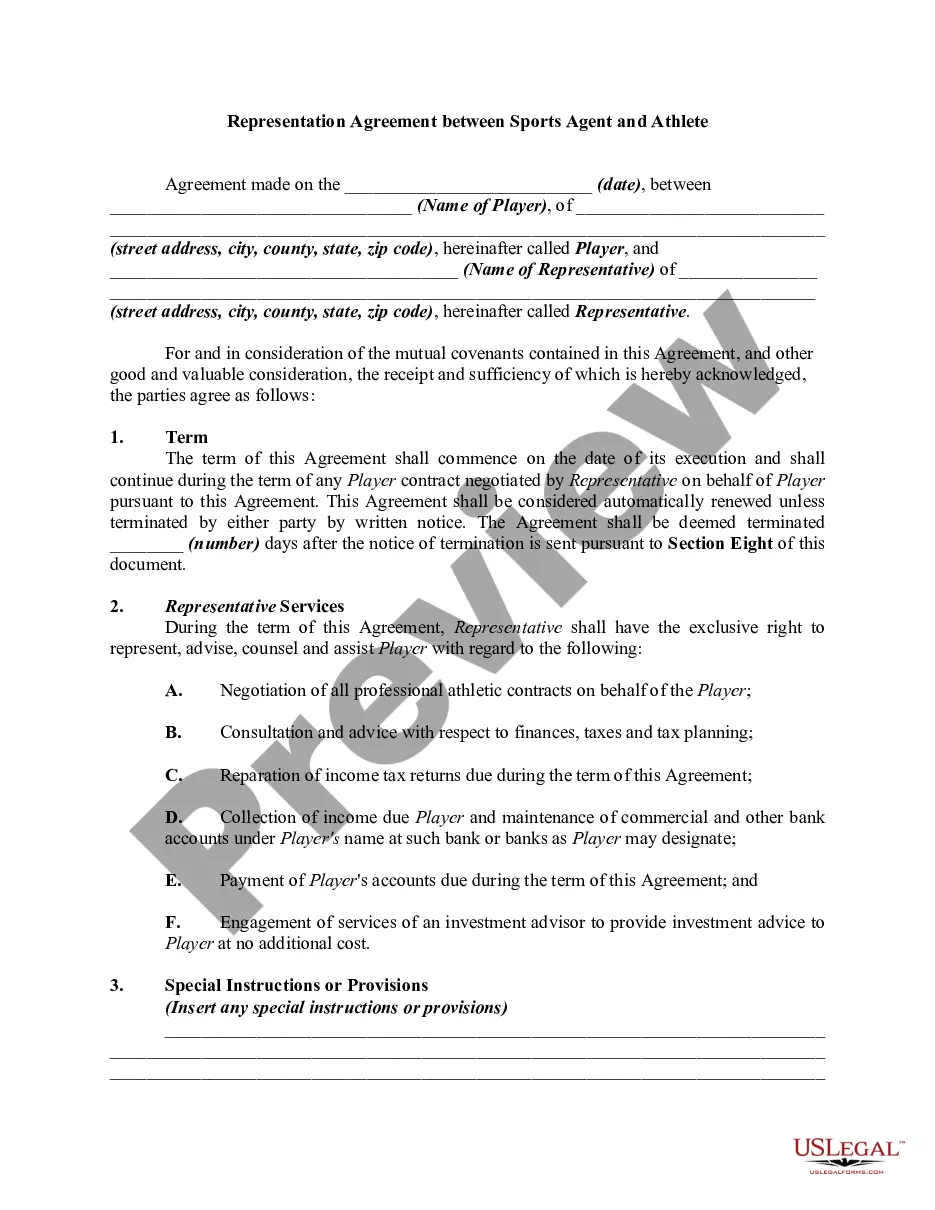
Get your form ready online
Our built-in tools help you complete, sign, share, and store your documents in one place.
Make edits, fill in missing information, and update formatting in US Legal Forms—just like you would in MS Word.
Download a copy, print it, send it by email, or mail it via USPS—whatever works best for your next step.
Sign and collect signatures with our SignNow integration. Send to multiple recipients, set reminders, and more. Go Premium to unlock E-Sign.
If this form requires notarization, complete it online through a secure video call—no need to meet a notary in person or wait for an appointment.
We protect your documents and personal data by following strict security and privacy standards.

Make edits, fill in missing information, and update formatting in US Legal Forms—just like you would in MS Word.

Download a copy, print it, send it by email, or mail it via USPS—whatever works best for your next step.

Sign and collect signatures with our SignNow integration. Send to multiple recipients, set reminders, and more. Go Premium to unlock E-Sign.

If this form requires notarization, complete it online through a secure video call—no need to meet a notary in person or wait for an appointment.

We protect your documents and personal data by following strict security and privacy standards.
Looking for another form?






Form popularity
FAQ
Legal writing tips to help you get started Tip 1: Understand your purpose. Tip 2: Understand your audience. Tip 3: Do your research. Make your mark online in minutes with our simple legal website builder. Tip 4: Create an outline. Tip 5: Put words on the page. Tip 6: Be aware of content structure.
The most practical starting textbook is ``laying down the law'' (lexis) - gives an overview of the basics of law, how statutes and the common law work etc.
Use Textbooks and Resources: Utilize recommended textbooks, online courses, and legal journals to deepen your understanding. Summarize Key Points: As you read, take notes that summarize important concepts and rules. Create Outlines: Organize your notes into outlines to make it easier to review and study for exams.
Although you can learn the law without law school and become a self-taught lawyer, you will not be able to qualify as a lawyer by simply reading about the law. Aside from learning the laws, you must also learn how to apply them in the right scenarios.
In addition to graduating from an American Bar Association accredited law school, you must pass the Illinois Bar Examination, a rigid test of knowledge in all fields of law. And, you must undergo a thorough examination by the Committee on Character and Fitness to practice.
1. CPC by Takwani 2. CrPC by Kelkar 3. Constitutional Law by VN Shukla 4. Contract law by Mulla 5. Law of Tort by Ratanlal Dhirajlal 6. Family law by Poonam Pradham Saxena 7. Property law by Poonam Pradhan Saxena
Here are our top picks to read before law school. Is Eating People Wrong? ... My Own Words By Ruth Bader Ginsburg. IL Of A Ride: A Well-Traveled Professor's Roadmap to Success in the First Year of Law School By Andrew J. Getting To Maybe: How To Excel On Law School Exams By Richard Michael Fischl And Jeremy Paul.
Thanks for signing up! “Letters to a Law Student” by Nicholas McBride. “Bleak House” by Charles Dickens. “Learning the Law” by Glanville Williams. “To Kill a Mockingbird” by Harper Lee. “Jeremy Hutchinson's Case Histories” by Thomas Grant. “Winning Arguments” by Jay Heinrichs. “Lord Denning, A Life” by Iris Freeman.
1. Penguin Random House: - One of the largest and most reputable publishers, known for its wide range of genres and strong distribution network. 2. HarperCollins: - A major publisher with a diverse catalog and robust marketing and distribution channels. 3. Simon & Schuster:
Publishers with Legal History Lists Cambridge University Press. Harvard University Press. Oxford University Press (mixed in with law books) University of Chicago Press. The University of North Carolina Press. University of Toronto Press. University of Kansas Press. University of Georgia Press.
