Law Book For Banking In Hennepin
Description
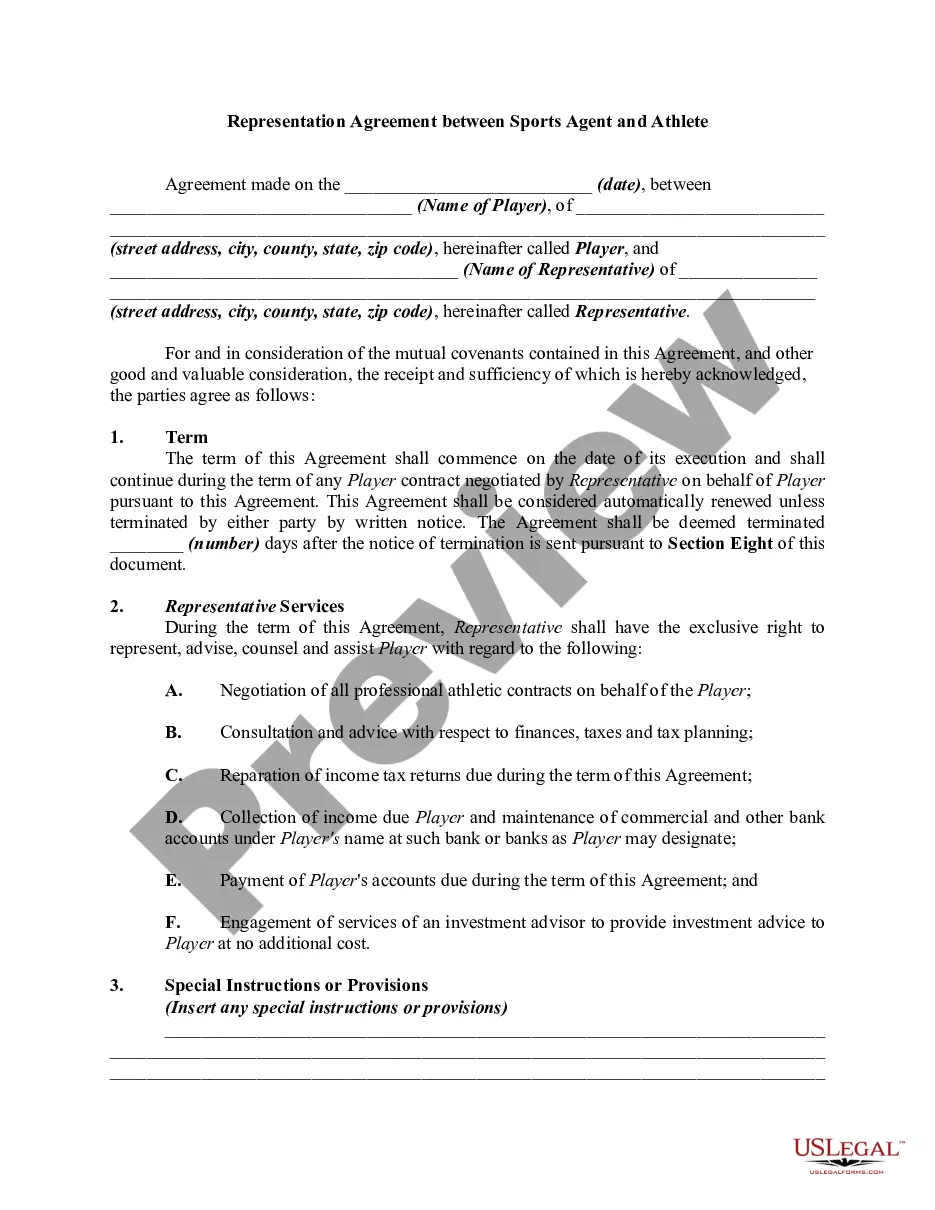
Get your form ready online
Our built-in tools help you complete, sign, share, and store your documents in one place.
Make edits, fill in missing information, and update formatting in US Legal Forms—just like you would in MS Word.
Download a copy, print it, send it by email, or mail it via USPS—whatever works best for your next step.
Sign and collect signatures with our SignNow integration. Send to multiple recipients, set reminders, and more. Go Premium to unlock E-Sign.
If this form requires notarization, complete it online through a secure video call—no need to meet a notary in person or wait for an appointment.
We protect your documents and personal data by following strict security and privacy standards.

Make edits, fill in missing information, and update formatting in US Legal Forms—just like you would in MS Word.

Download a copy, print it, send it by email, or mail it via USPS—whatever works best for your next step.

Sign and collect signatures with our SignNow integration. Send to multiple recipients, set reminders, and more. Go Premium to unlock E-Sign.

If this form requires notarization, complete it online through a secure video call—no need to meet a notary in person or wait for an appointment.

We protect your documents and personal data by following strict security and privacy standards.
Looking for another form?






Form popularity
FAQ
(NBA)—the organic statute governing the OCC and national banks—as a corporation law and analyzes the business of banking through a corporate law lens.
The Bank's Board of Directors shall prescribe Branch bylaws regulating the manner in which the Branch board of directors may conduct business of the Branch board.
The Secure and Fair Enforcement Regulation Banking Act (SAFER) Banking Act would ensure that all businesses—including State-sanctioned cannabis businesses—have access to deposit accounts, insurance and other financial services.
In the U.S., banking is regulated at both the federal and state level. Depending on the type of charter a banking organization has and on its organizational structure, it may be subject to numerous federal and state banking regulations.
Banking law involves both state and federal law. Financial institutions can be chartered under either state or federal law. Banking transactions involving checks, negotiable instruments, funds transfers, letters of credit, and securities are governed under the Uniform Commercial Code and federal regulations.
The law governing banks, bank accounts, and lending in the United States is a hybrid of federal and state statutory law. Consumers and businesses usually establish bank accounts in banks and savings associations chartered under state or federal law.
The United States Code is a compilation of most public laws currently in force, organized by subject matter. When a law has been amended by another law, the U.S. Code reflects this change.
Legal books come in different types. Some examples of books on the law are treatises, hornbooks, practice guides, legal encyclopedias, and self-help law books. Treatises are books written by knowledgeable people, such as law professors, attorneys, or judges, that include detailed information on a legal topic.
Fundamentals of Banking Law (formerly Banking Law Basics) has been offered for over 20 years as a comprehensive overview of banking regulatory law by a highly experienced faculty of seasoned practitioners and former regulators who have also taught law school courses in banking regulation and related topics.
The United States Code is the Code of Laws of the United States of America (also referred to as Code of Laws of the United States, United States Code, U.S. Code, or U.S.C.) and is a compilation and codification of all the general and permanent Federal laws of the United States.
