Requesting Discovery Form With 2 Points In Philadelphia
Description
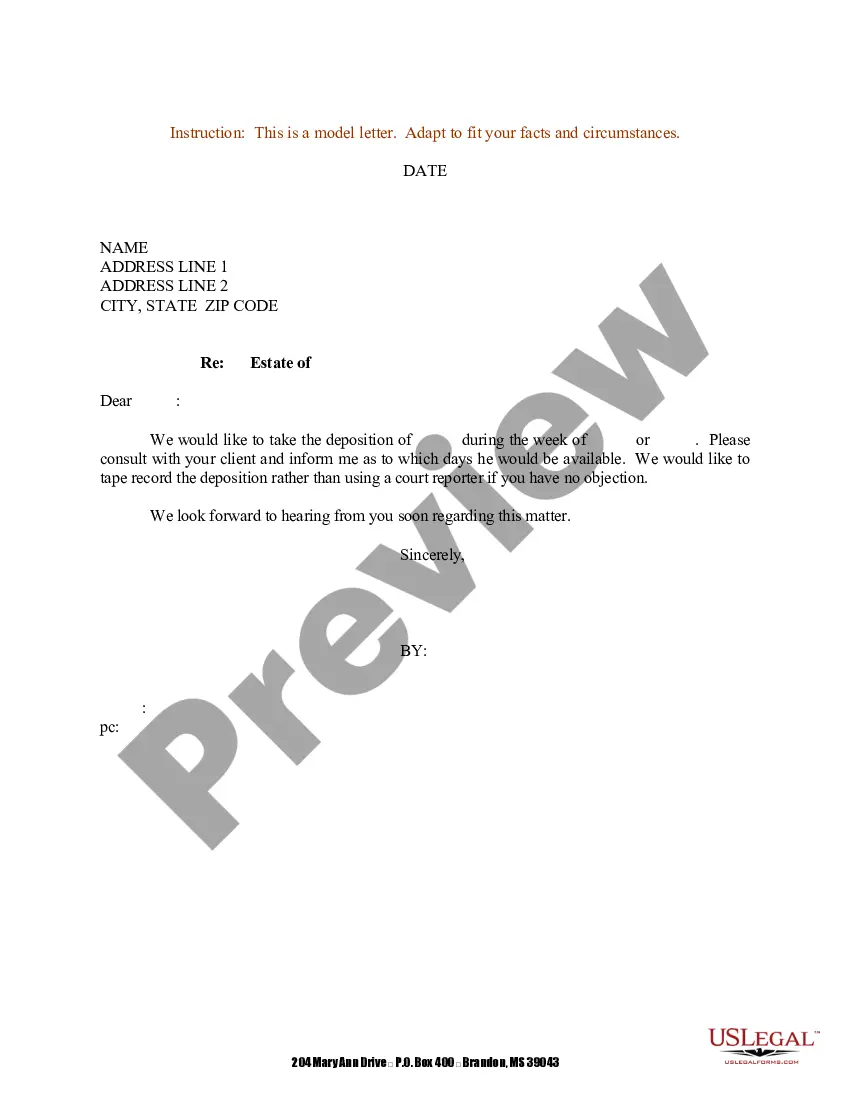
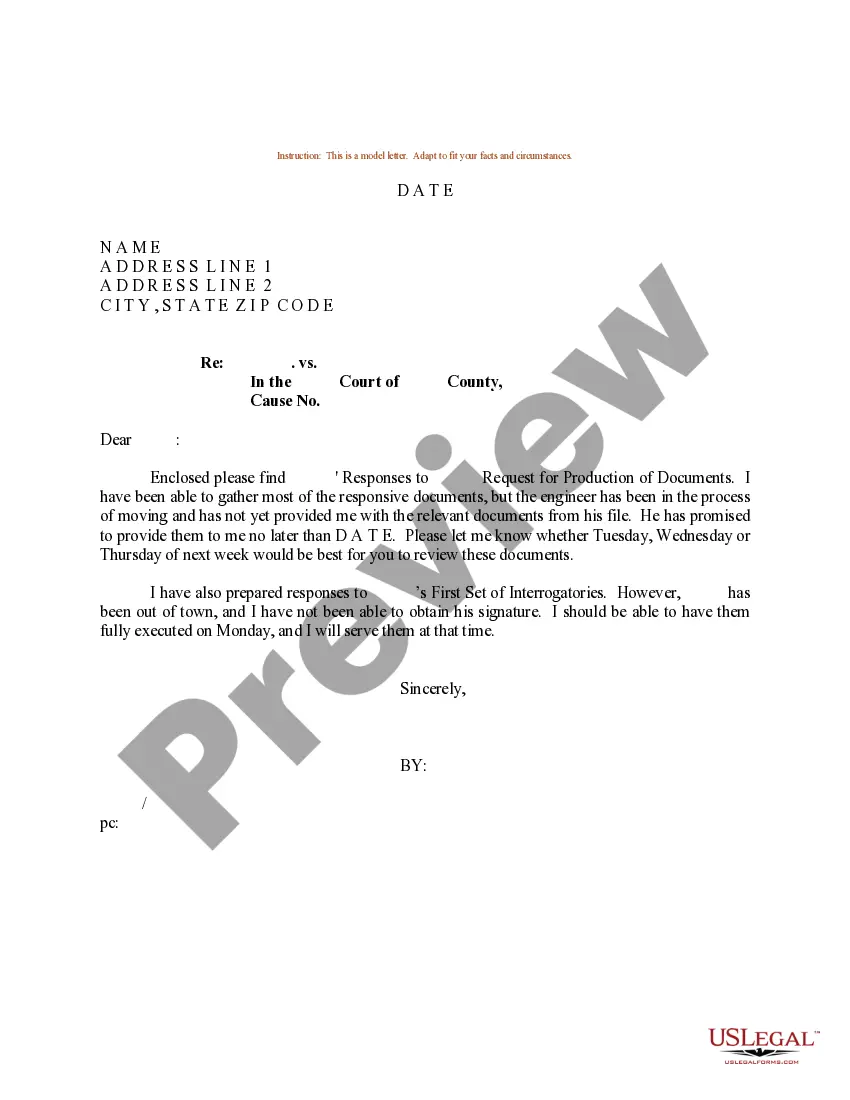
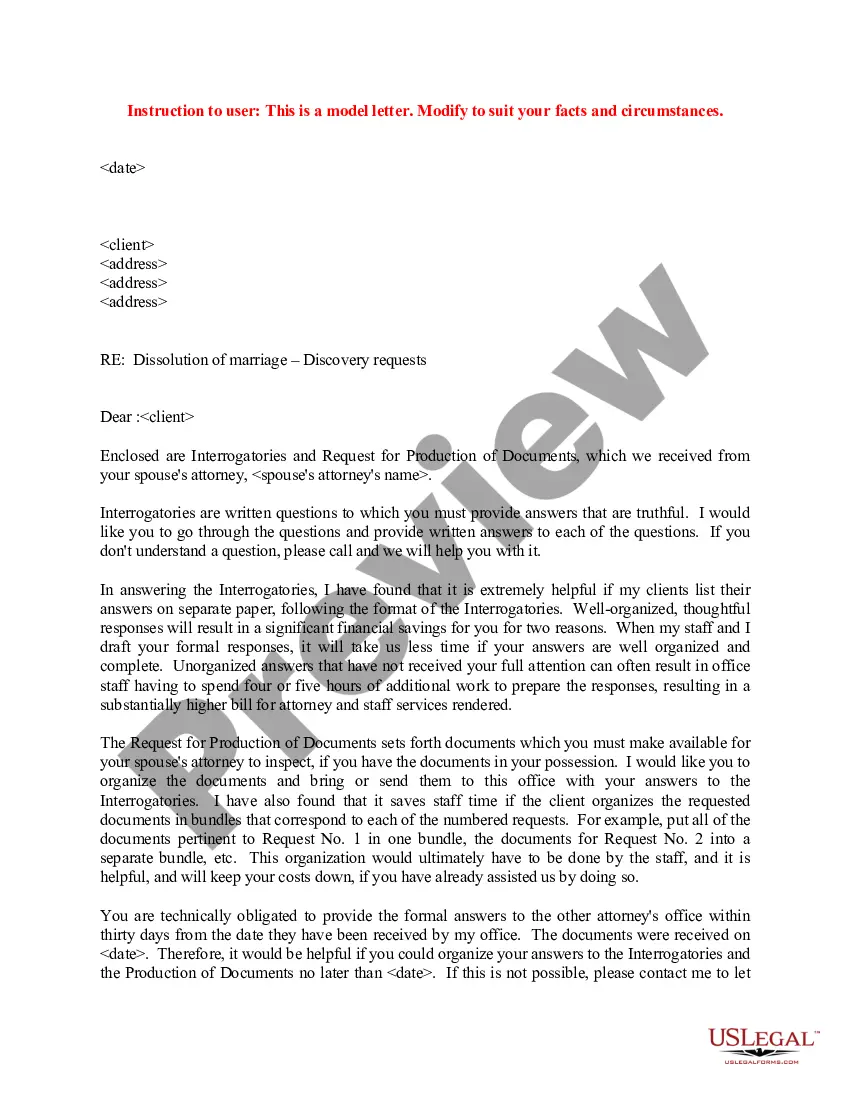
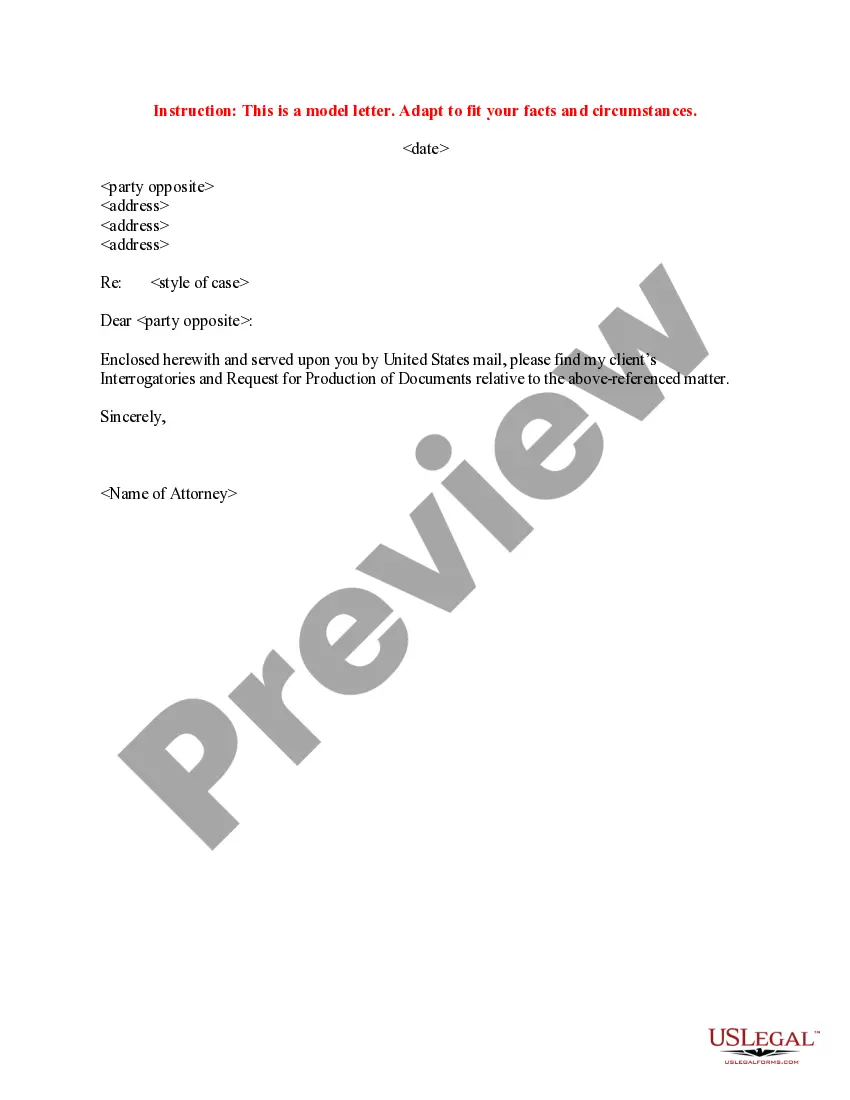
Get your form ready online
Our built-in tools help you complete, sign, share, and store your documents in one place.
Make edits, fill in missing information, and update formatting in US Legal Forms—just like you would in MS Word.
Download a copy, print it, send it by email, or mail it via USPS—whatever works best for your next step.
Sign and collect signatures with our SignNow integration. Send to multiple recipients, set reminders, and more. Go Premium to unlock E-Sign.
If this form requires notarization, complete it online through a secure video call—no need to meet a notary in person or wait for an appointment.
We protect your documents and personal data by following strict security and privacy standards.

Make edits, fill in missing information, and update formatting in US Legal Forms—just like you would in MS Word.

Download a copy, print it, send it by email, or mail it via USPS—whatever works best for your next step.

Sign and collect signatures with our SignNow integration. Send to multiple recipients, set reminders, and more. Go Premium to unlock E-Sign.

If this form requires notarization, complete it online through a secure video call—no need to meet a notary in person or wait for an appointment.

We protect your documents and personal data by following strict security and privacy standards.
Looking for another form?




Form popularity
FAQ
(c) Responses to discovery motions shall be filed within 15 days of the date of service of the motion, unless the Board orders otherwise. (d) A party may file a memorandum of law in support of its discovery motion or its response to a discovery motion.
For all contested Discovery motions (including third-party motions), the moving party or person shall file a Praecipe for Contested Discovery Motion. The praecipe shall identify the e-file number, and identify the party or parties against whom the motion is pending, with the relief sought.
Write out each fact you wish the other party to admit is true. When writing these facts, be as clear and concise as possible. Each request must be for a single fact; do not include multiple facts, compound questions, or subparts.
(3) An answer to preliminary objections is required (within twenty (20) days after service of the preliminary objections) only to preliminary objections raising an issue under Pa.
Under the Pennsylvania statute of limitations, a plaintiff must bring a medical negligence claim within two years after an injury occurs. There is an exception, deemed the “discovery rule,” which allows extra time to file the claim if the plaintiff was unaware of the injury until after two years had passed.
Steps Of The Discovery Process. There are four key actions in the discovery process which include interrogatories, request for documents, request for admissions, and depositions.
Rule 215 - Assignment of Cases in the Trial Division A. All cases filed in the Trial Division of the Court of Common Pleas shall be listed for trial in ance with those management procedures in effect for the program to which a case is assigned.
Rule 212.2 specifies the content of the pre-trial statement and sets forth sanctions for violation of the rule. Copies of the written reports of expert witnesses, or answers to written interrogatories consistent with Rule 4003.5, must be included as part of the pre-trial statement.
210. Briefs shall be typewritten, printed, or otherwise duplicated, and endorsed with the name of the case, the court and number and the name, address, and telephone number of the attorney or the party if not represented by an attorney.
Philadelphia Civil Rule 1303(c) sets forth the procedures to be followed for continuances of arbitration cases in both non-emergency and emergency situations.

