Requesting Discovery Form Withdrawal In Ohio
Description
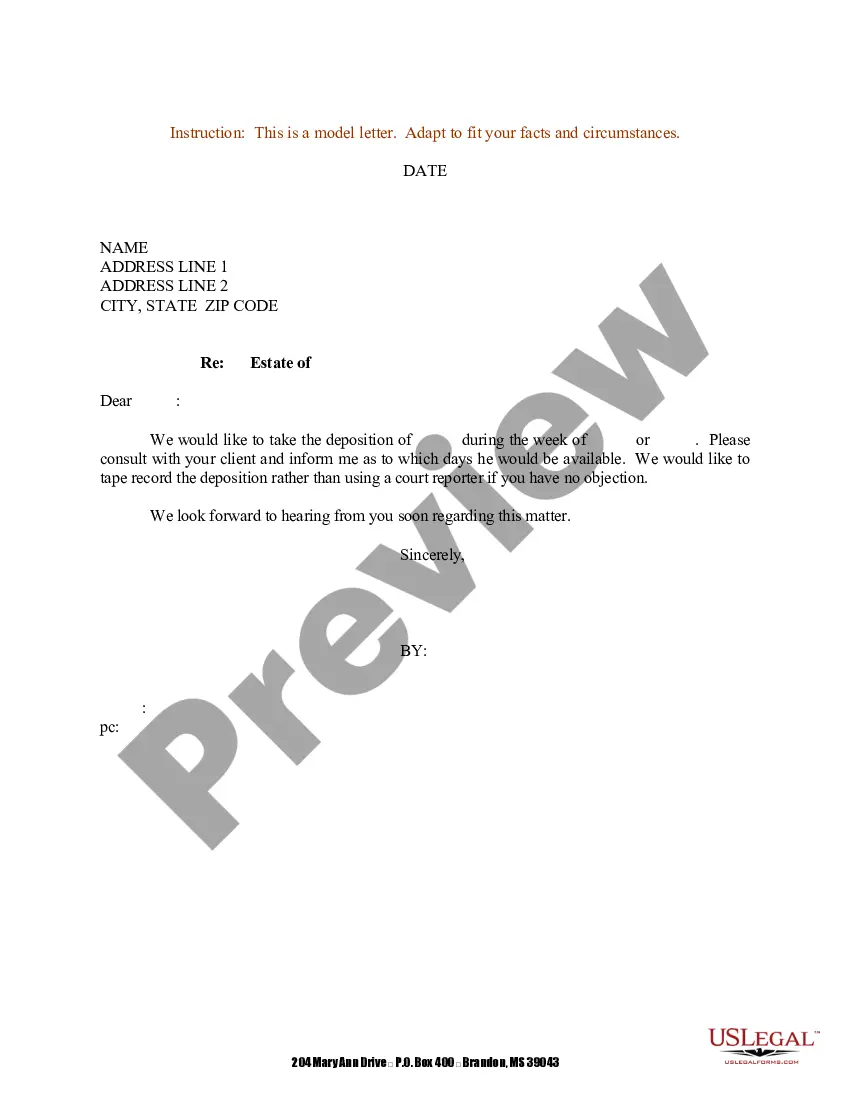
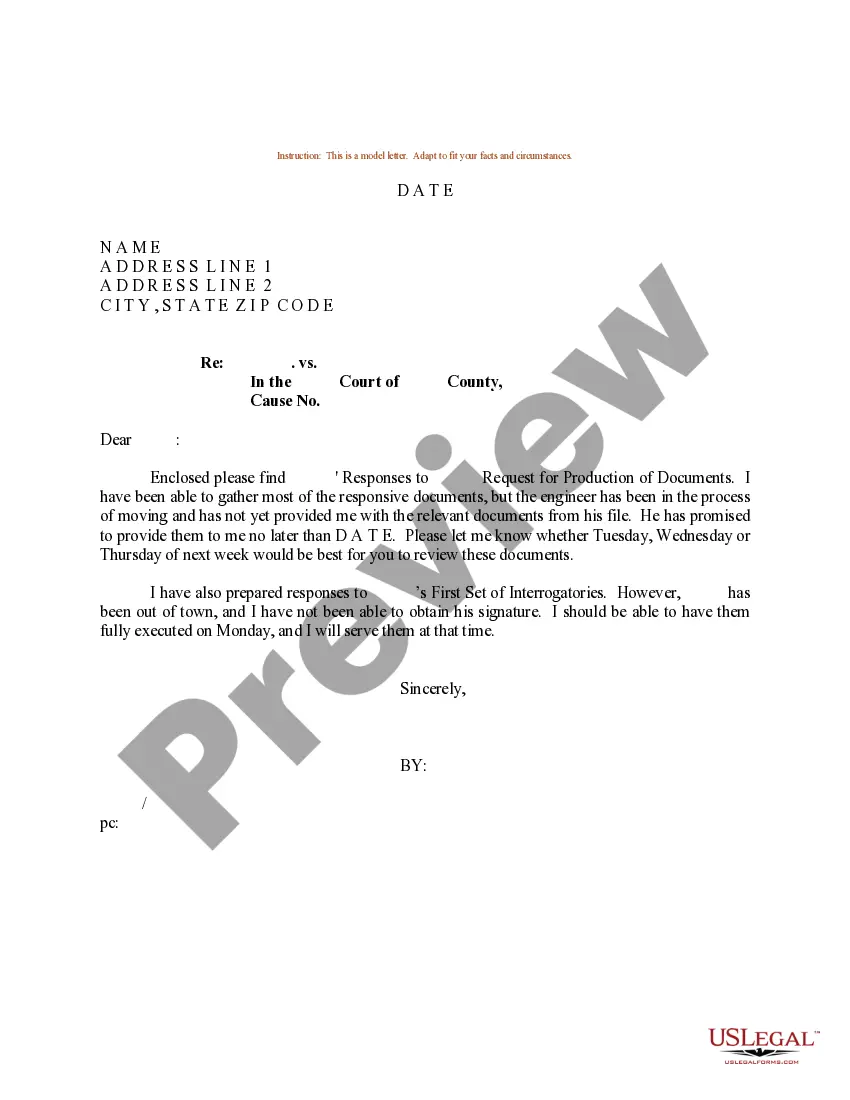
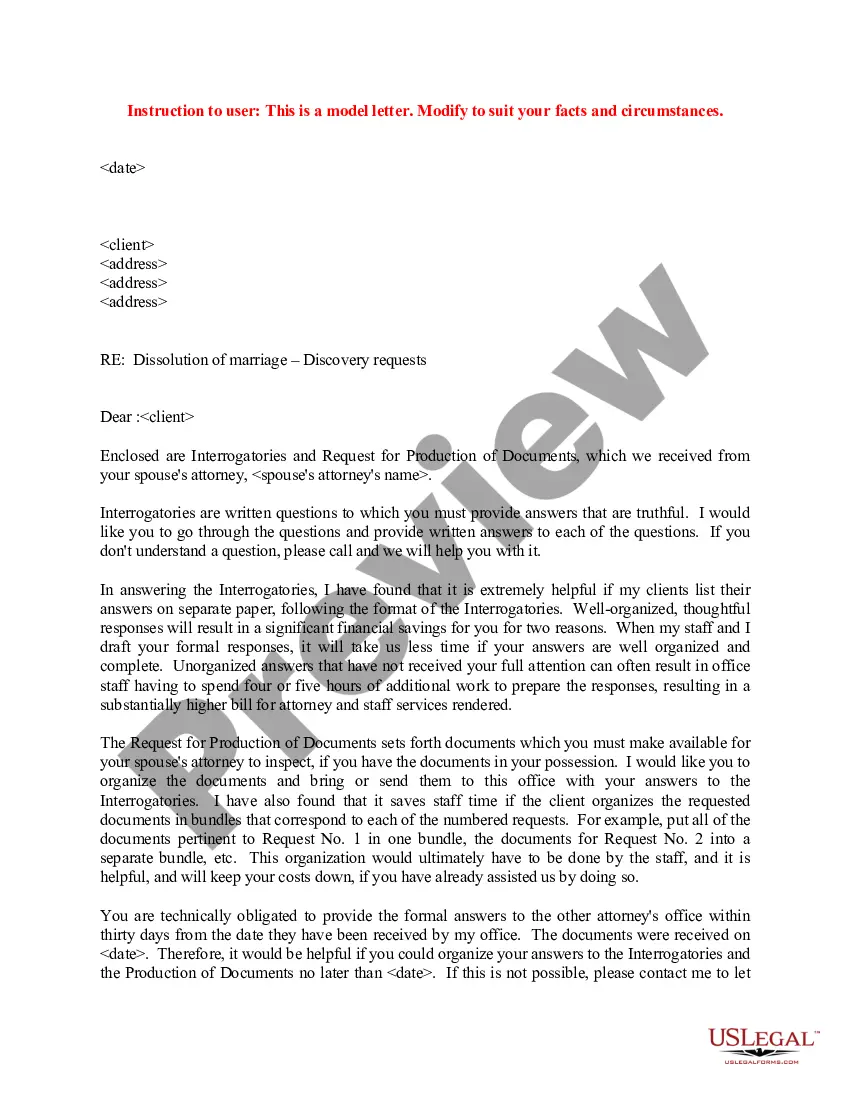
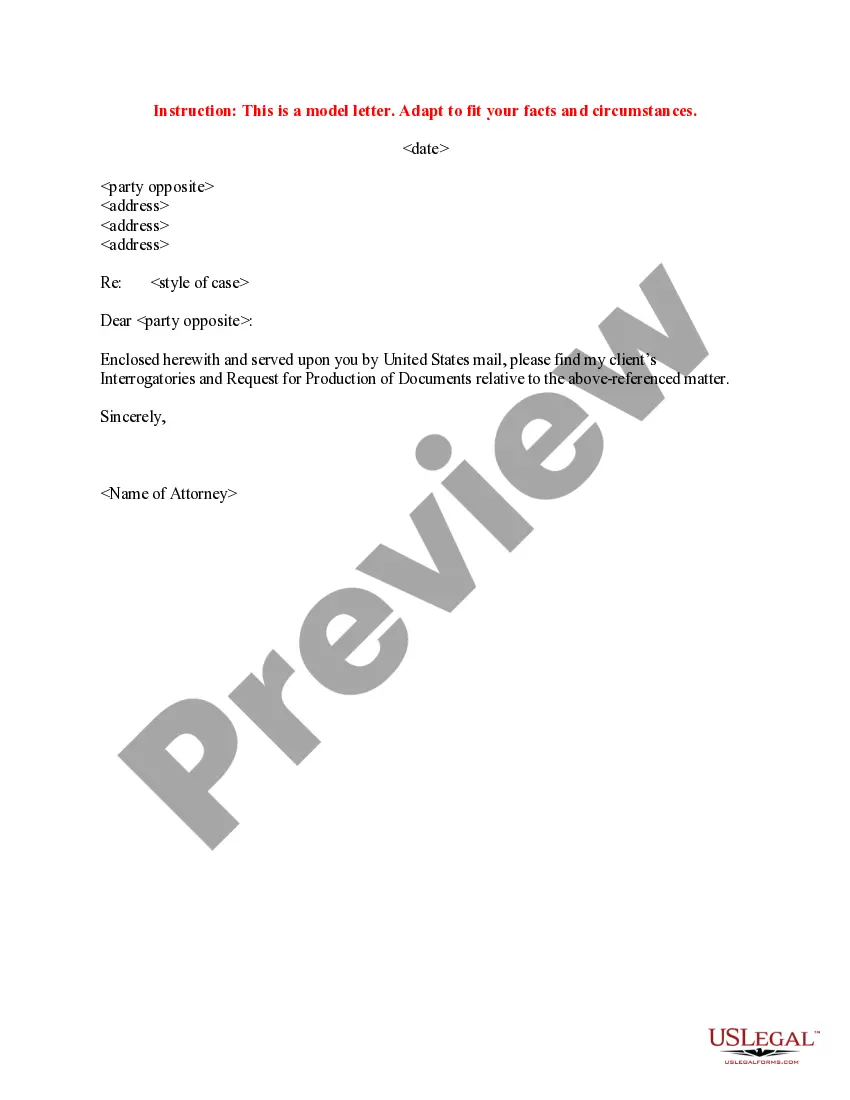
Get your form ready online
Our built-in tools help you complete, sign, share, and store your documents in one place.
Make edits, fill in missing information, and update formatting in US Legal Forms—just like you would in MS Word.
Download a copy, print it, send it by email, or mail it via USPS—whatever works best for your next step.
Sign and collect signatures with our SignNow integration. Send to multiple recipients, set reminders, and more. Go Premium to unlock E-Sign.
If this form requires notarization, complete it online through a secure video call—no need to meet a notary in person or wait for an appointment.
We protect your documents and personal data by following strict security and privacy standards.

Make edits, fill in missing information, and update formatting in US Legal Forms—just like you would in MS Word.

Download a copy, print it, send it by email, or mail it via USPS—whatever works best for your next step.

Sign and collect signatures with our SignNow integration. Send to multiple recipients, set reminders, and more. Go Premium to unlock E-Sign.

If this form requires notarization, complete it online through a secure video call—no need to meet a notary in person or wait for an appointment.

We protect your documents and personal data by following strict security and privacy standards.
Looking for another form?
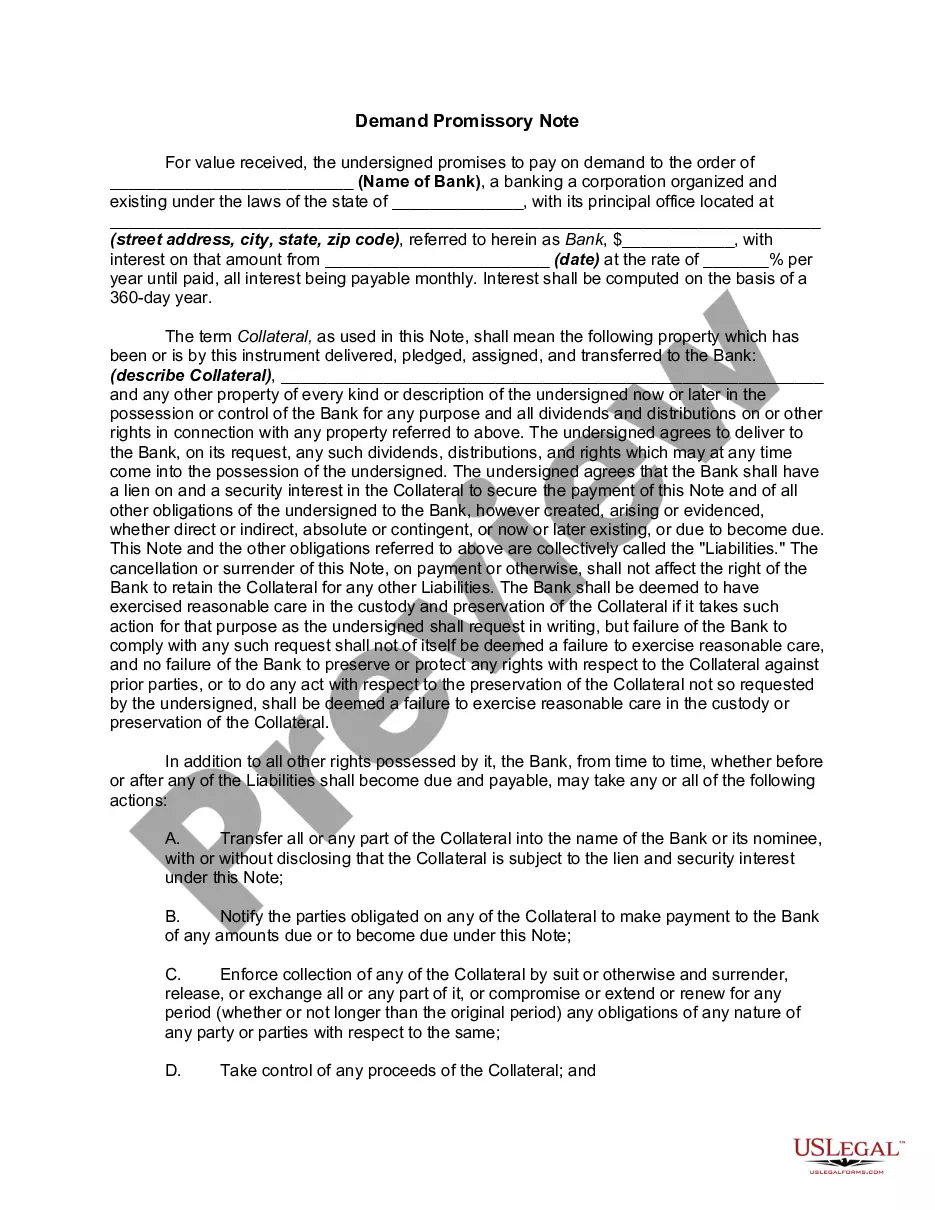
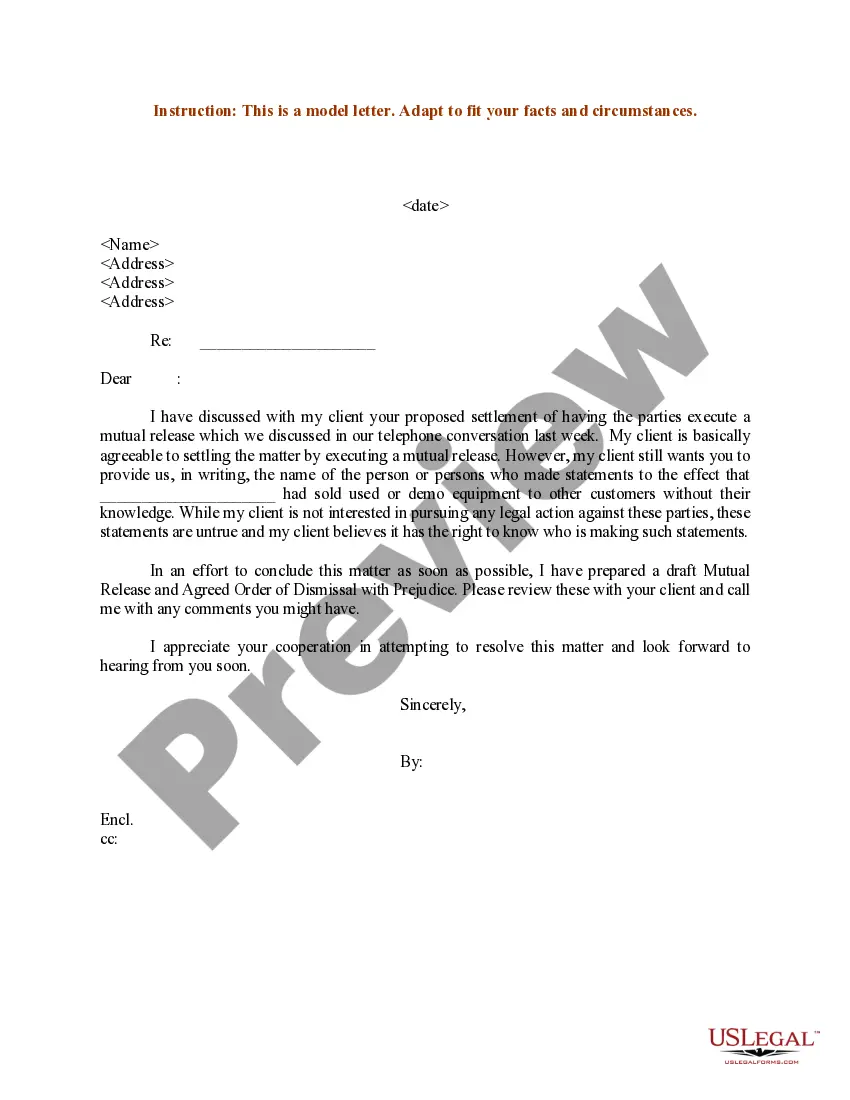
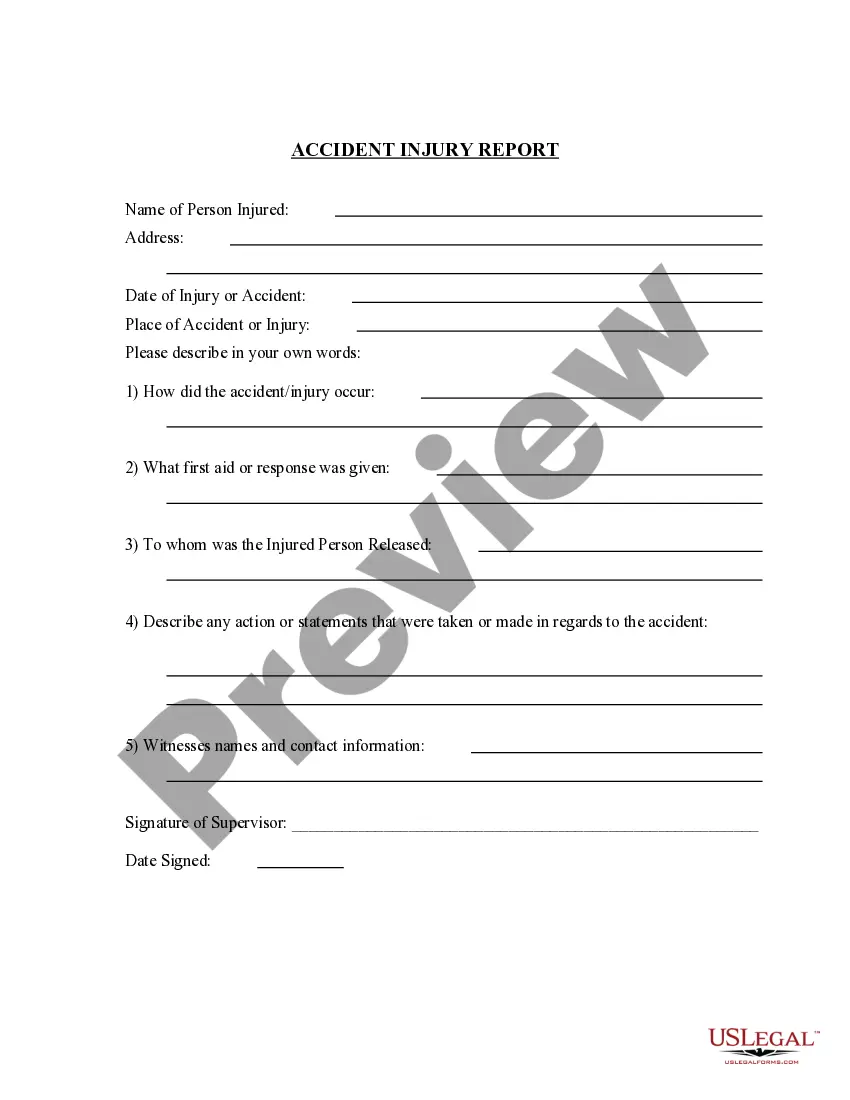
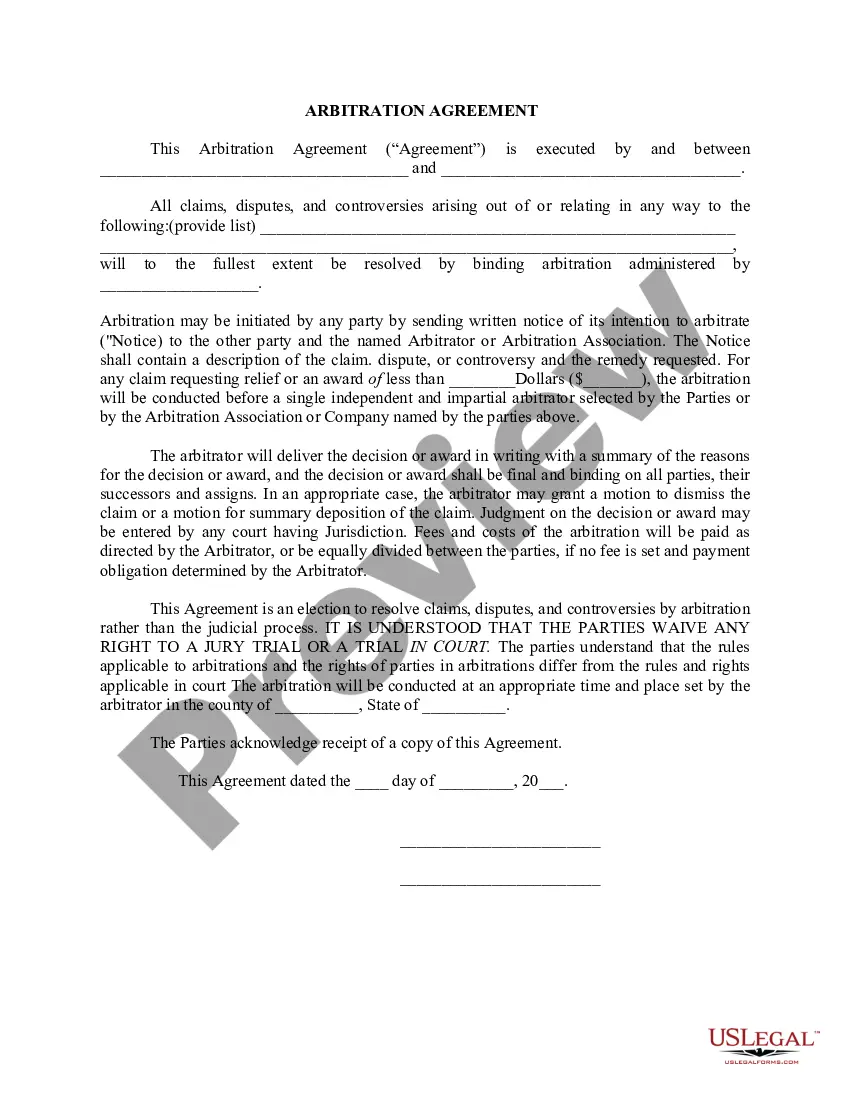



Form popularity
FAQ
An attorney seeking to withdraw as counsel in a pending case shall present a filed motion and a proposed entry to the assigned judge or magistrate. The motion and proposed entry shall be served on all parties in ance with the Ohio Rules of Civil Procedure.
Federal Rule 609 provides that a witness' credibility may be impeached with evidence of his or her prior criminal convictions: "There is little dissent from the general proposition that at least some crimes are relevant to credibility but much disagreement among the cases and commentators about which crimes are usable ...
Evidence of a conviction is only relevant and admissible under Rule 609 for the purpose of attacking the credibility of a “witness.” Thus, evidence is usually only admissible under this rule when the person convicted of that crime has testified. See State v. Badgett, 361 N.C. 234 (2007).
Impeachment by Evidence of a Criminal Conviction. (2) for any crime regardless of the punishment, the evidence must be admitted if the court can readily determine that establishing the elements of the crime required proving — or the witness's admitting — a dishonest act or false statement.
As the Supreme Court of Ohio explains, the discovery rule provides that “a cause of action does not arise until the plaintiff discovers, or by the exercise of reasonable diligence should have discovered, that he or she was injured by the wrongful conduct of the defendant.” Id. at ¶ 14.
RULE 408. Evidence of conduct or statements made in compromise negotiations is likewise not admissible. This rule does not require the exclusion of any evidence otherwise discoverable merely because it is presented in the course of compromise negotiations.
You can request your ballot for each individual election beginning on January 1 or 90 days before the date of an election, whichever is earlier, but you must complete and submit a separate application for each election in which you want to vote.
Bases of Opinion Testimony by Experts. The facts or data in the particular case upon which an expert bases an opinion or inference may be those perceived by or made known to the expert at or before the hearing.

