Requesting Discovery Form For Chronic Medication In North Carolina
Description
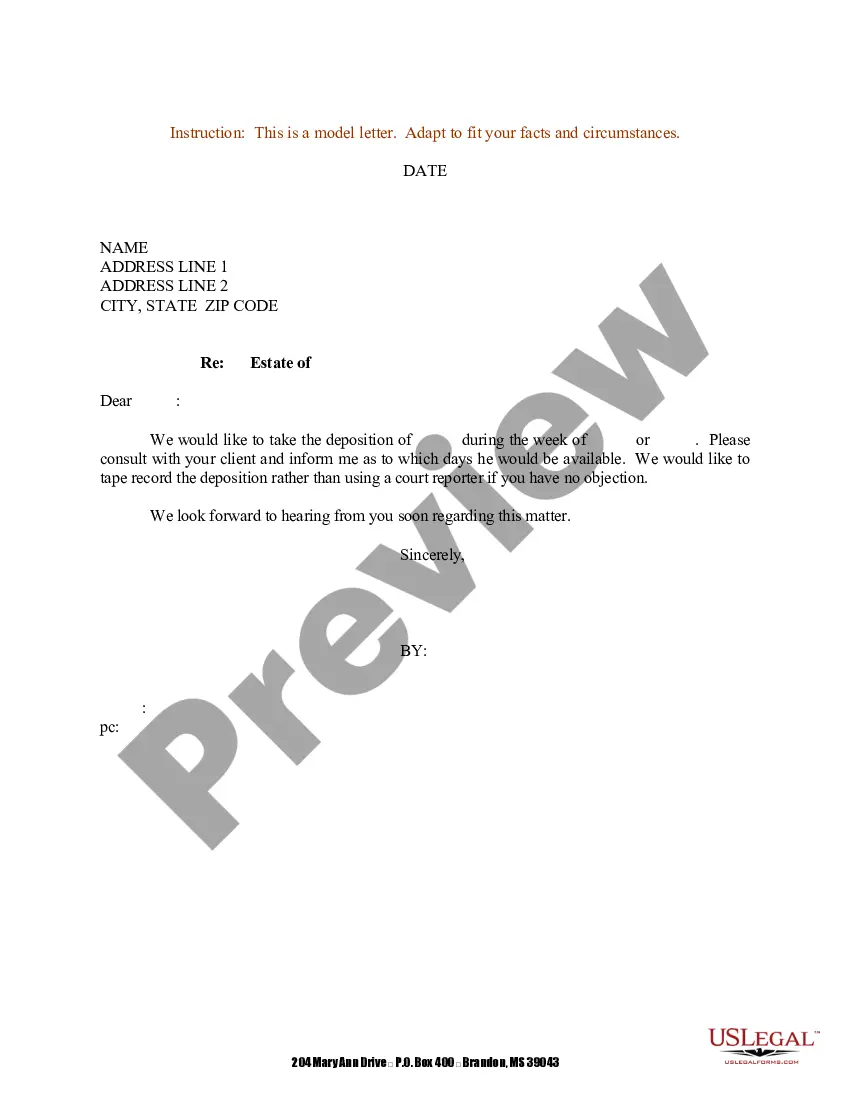
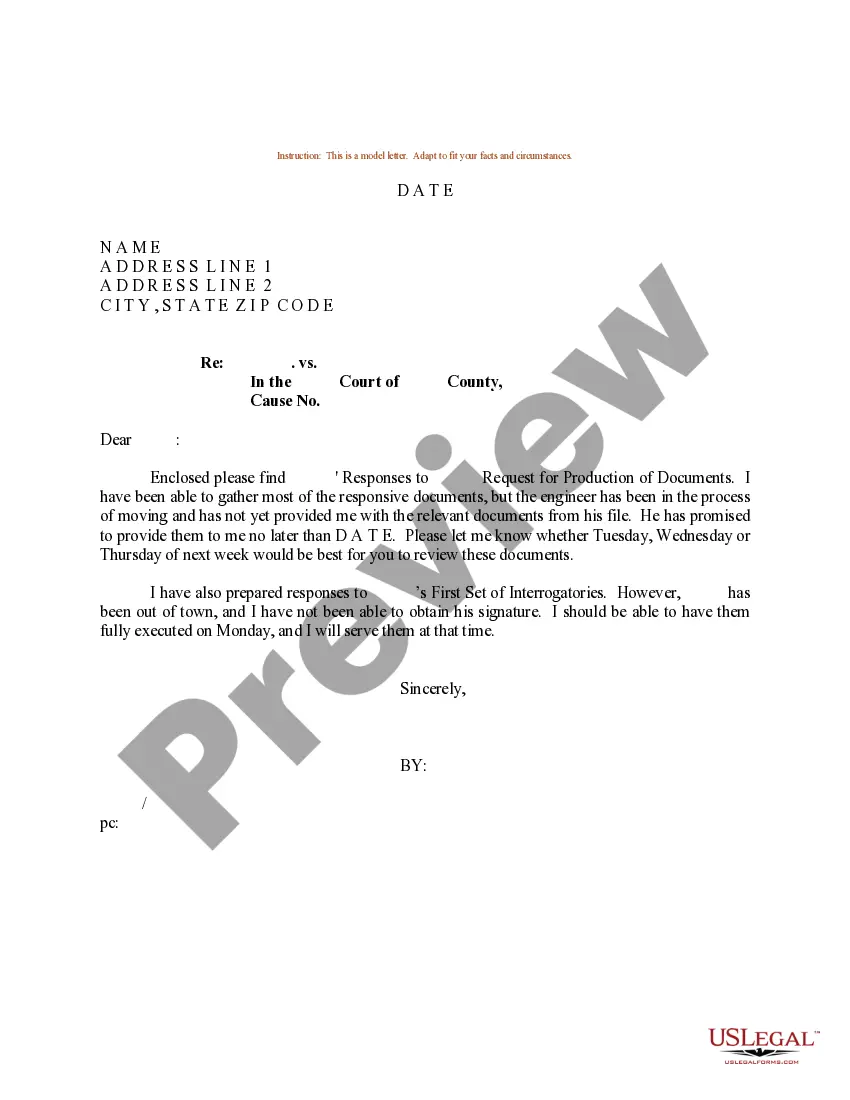
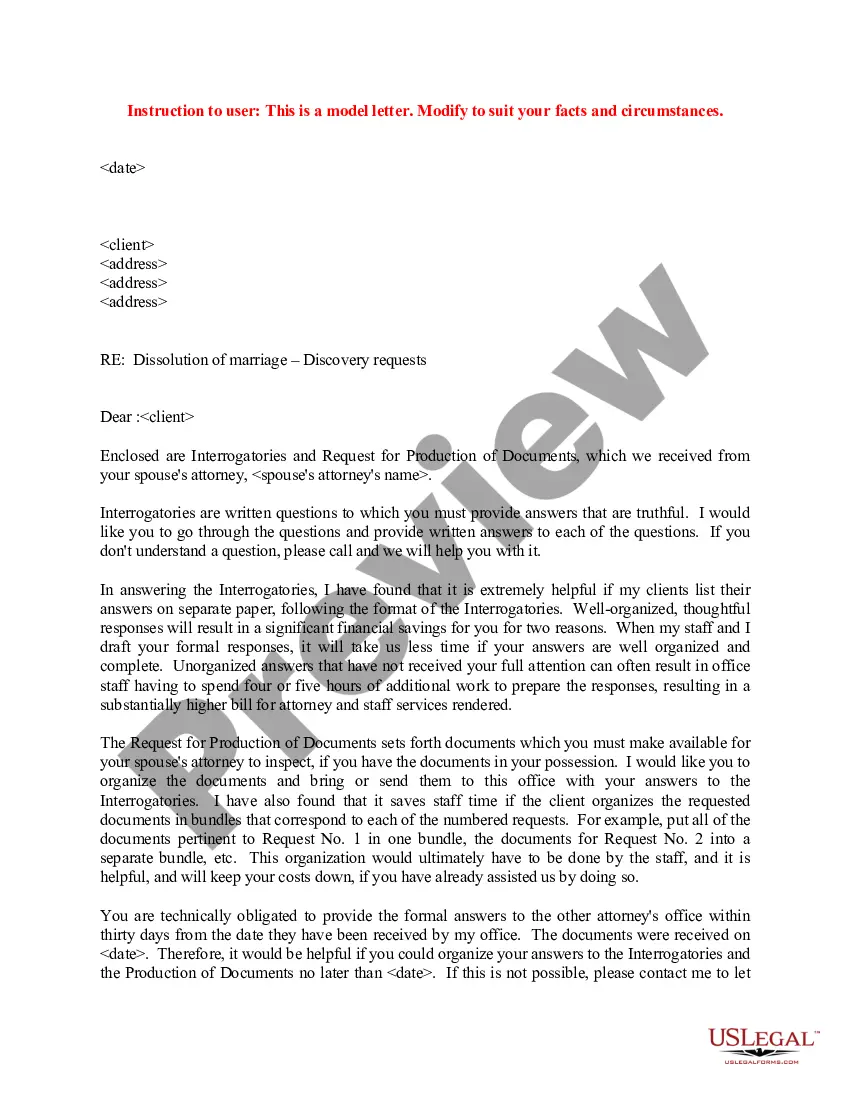
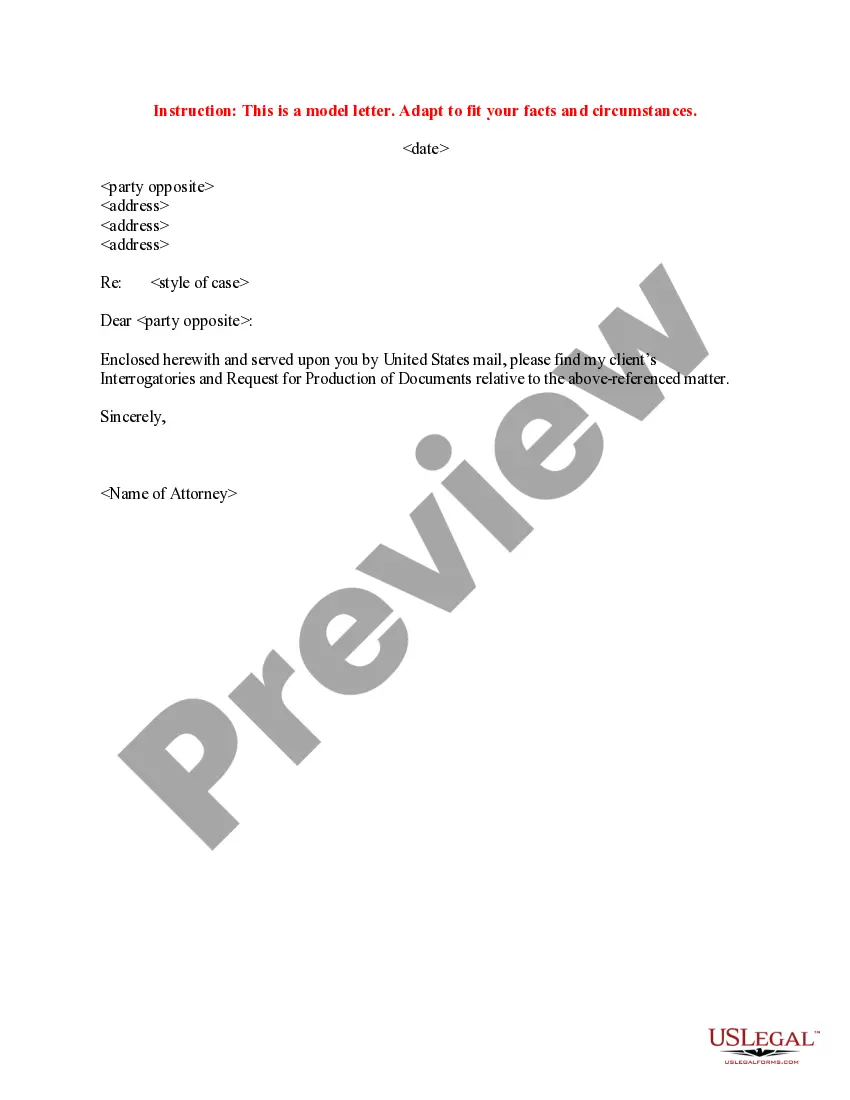
Get your form ready online
Our built-in tools help you complete, sign, share, and store your documents in one place.
Make edits, fill in missing information, and update formatting in US Legal Forms—just like you would in MS Word.
Download a copy, print it, send it by email, or mail it via USPS—whatever works best for your next step.
Sign and collect signatures with our SignNow integration. Send to multiple recipients, set reminders, and more. Go Premium to unlock E-Sign.
If this form requires notarization, complete it online through a secure video call—no need to meet a notary in person or wait for an appointment.
We protect your documents and personal data by following strict security and privacy standards.

Make edits, fill in missing information, and update formatting in US Legal Forms—just like you would in MS Word.

Download a copy, print it, send it by email, or mail it via USPS—whatever works best for your next step.

Sign and collect signatures with our SignNow integration. Send to multiple recipients, set reminders, and more. Go Premium to unlock E-Sign.

If this form requires notarization, complete it online through a secure video call—no need to meet a notary in person or wait for an appointment.

We protect your documents and personal data by following strict security and privacy standards.
Looking for another form?







Form popularity
FAQ
Filing the Documents Take the original and two (2) copies of the Motion to the Civil Division of the Clerk of Superior Court's office in the county where your case is filed. The Clerk will stamp each Motion “filed,” place the original in the Court file and return two (2) copies of the “filed” document to you.
The request is filed in superior court. A request for voluntary discovery must be filed before filing a motion for discovery or a motion to compel, although many practitioners combine the request with an alternative motion, as discussed in “Practice Tips,” below.
– Parties may obtain discovery regarding any matter, not privileged, which is relevant to the subject matter involved in the pending action, whether it relates to the claim or defense of the party seeking discovery or to the claim or defense of any other party, including the existence, description, nature, custody, ...
NCTracks is the new multi-payer Medicaid Management Information System for the NC Department of Health and Human Services. It has three separate portals for specific internet access to different sectors of the business (Providers, Recipients and internal operations needs).
How Long Does it Take to Get Discovery in a Criminal Case? Generally, the prosecution must provide discovery within a set period after the defense's formal request, often ranging from a few weeks to several months.
Prior approval (PA) is required for certain drugs prescribed to NC Medicaid recipients. Refer to the Prior Approval Drugs and Criteria page for specific criteria. Providers may submit requests via fax, phone or through the secure NCTracks secure provider portal.
In justice court, if one (or both) of the parties does not have a lawyer, the court must grant the parties permission before any more discovery can take place.

