Requesting Discovery Form For Canada In New York
Description
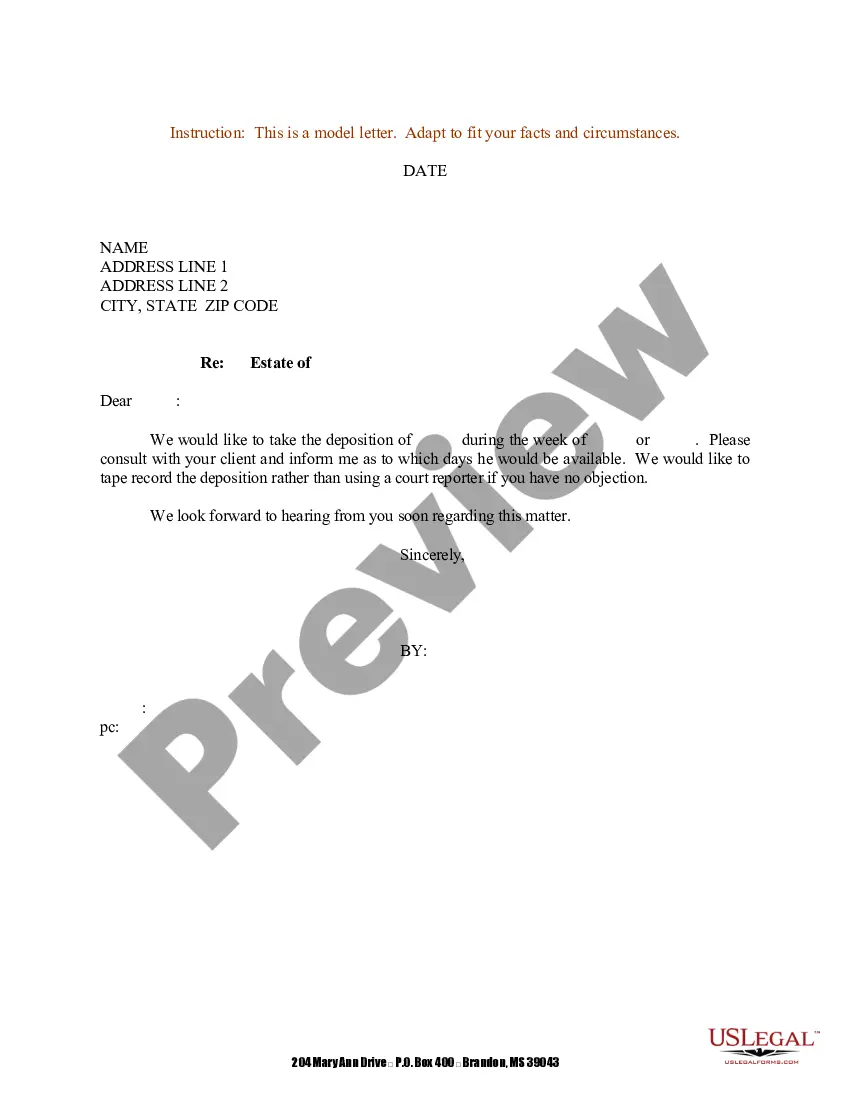
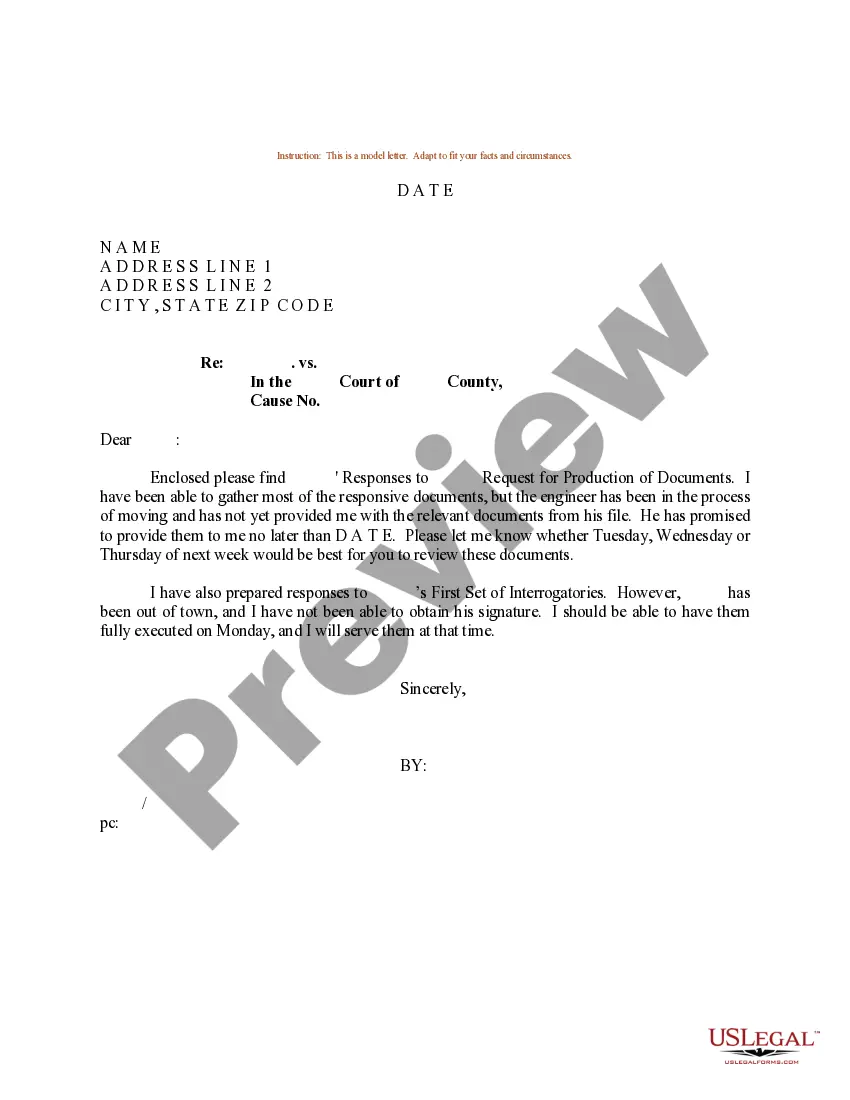
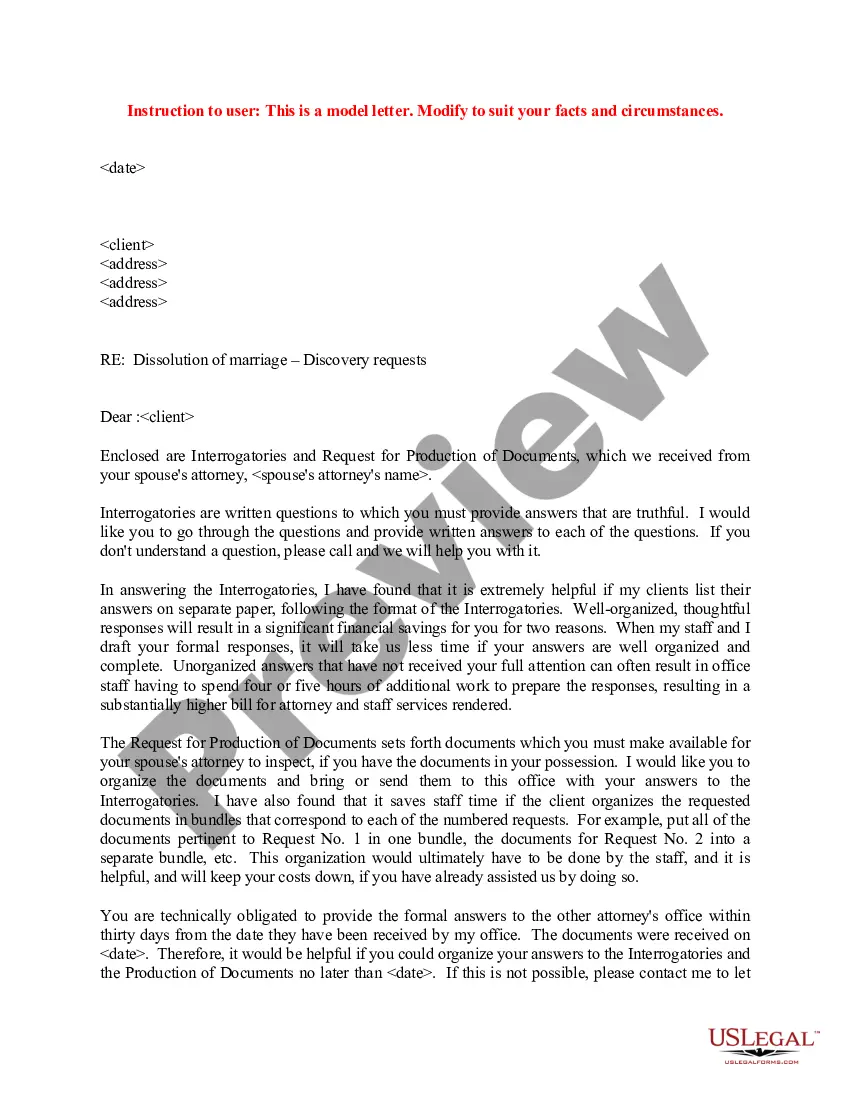
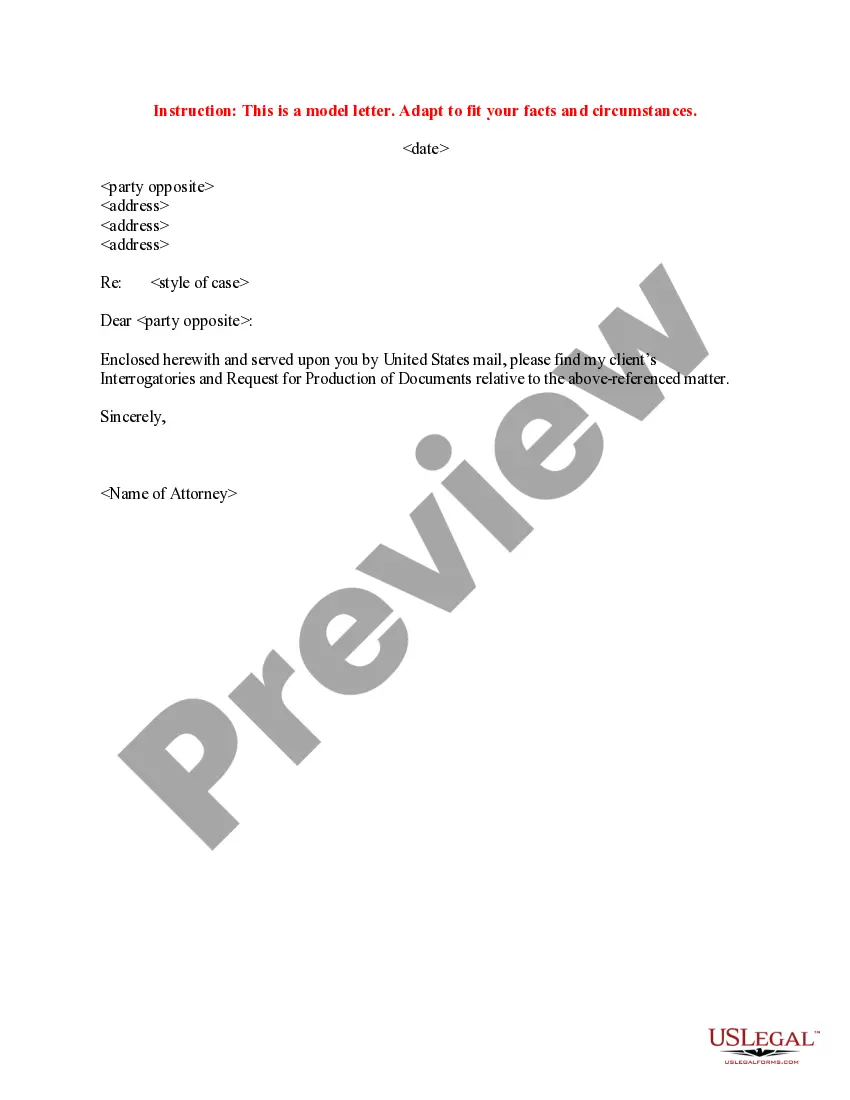
Get your form ready online
Our built-in tools help you complete, sign, share, and store your documents in one place.
Make edits, fill in missing information, and update formatting in US Legal Forms—just like you would in MS Word.
Download a copy, print it, send it by email, or mail it via USPS—whatever works best for your next step.
Sign and collect signatures with our SignNow integration. Send to multiple recipients, set reminders, and more. Go Premium to unlock E-Sign.
If this form requires notarization, complete it online through a secure video call—no need to meet a notary in person or wait for an appointment.
We protect your documents and personal data by following strict security and privacy standards.

Make edits, fill in missing information, and update formatting in US Legal Forms—just like you would in MS Word.

Download a copy, print it, send it by email, or mail it via USPS—whatever works best for your next step.

Sign and collect signatures with our SignNow integration. Send to multiple recipients, set reminders, and more. Go Premium to unlock E-Sign.

If this form requires notarization, complete it online through a secure video call—no need to meet a notary in person or wait for an appointment.

We protect your documents and personal data by following strict security and privacy standards.
Looking for another form?










Form popularity
FAQ
(b) Document Demand: As the name indicates, this is a written demand in which one party demands that the other produce certain documents for inspection and copying. (This device is also referred to as a notice of discovery and inspection). The demand must define the items sought with reasonable particularity.
When Is Discovery Available? In New York Supreme Court actions (other than actions in the Commercial Division) discovery is generally available after the defendant interposes its answer. If the defendant serves a pre-answer motion to dismiss, however, then discovery is generally stayed until that motion is decided.
In some cases, the offense may not become known until a later date. In these instances, New York laws sometimes allow the statute of limitations period to commence on the date the injury is discovered or should reasonably have been discovered. This is known as the discovery rule.
AMERICAN COURTS GENERALLY CANNOT COMPEL THIRD PARTIES ABROAD TO TESTIFY OR TO PRO- DUCE DOCUMENTS. We're familiar with this rule in state court litigation, where lawyers understand the need to obtain a subpoena in the state where the witness lives.
When Is Discovery Available? In New York Supreme Court actions (other than actions in the Commercial Division) discovery is generally available after the defendant interposes its answer. If the defendant serves a pre-answer motion to dismiss, however, then discovery is generally stayed until that motion is decided.
Timeframe for discovery If you are the plaintiff, you can begin discovery 10 days after you serve the first papers in the case or anytime after the defendant files a response. If you are the defendant, you may begin discovery as soon as the case is filed.
Specifically, pursuant to Uniform Rule 202.7 (f), upon an application for an order to show cause that seeks a temporary restraining order, the application must contain an affirmation demonstrating that there will be significant prejudice to the party seeking the restraining order by the giving of notice.
In some cases, the offense may not become known until a later date. In these instances, New York laws sometimes allow the statute of limitations period to commence on the date the injury is discovered or should reasonably have been discovered. This is known as the discovery rule.
A subpoena issued in the United States for service on a person other than a U.S. citizen or U.S. permanent residents has no force or effect outside the United States. Consular officers have no authority to serve subpoenas on non-U.S. citizens or U.S. permanent residents.
Enforcement of a Foreign Judgment in the U.S. Under U.S. law, an individual seeking to enforce a foreign judgment, decree or order in this country must file suit before a competent court. The court will determine whether to recognize and enforce the foreign judgment.

