Requesting Discovery Form With Court In Nassau
Description
Get your form ready online
Our built-in tools help you complete, sign, share, and store your documents in one place.
Make edits, fill in missing information, and update formatting in US Legal Forms—just like you would in MS Word.
Download a copy, print it, send it by email, or mail it via USPS—whatever works best for your next step.
Sign and collect signatures with our SignNow integration. Send to multiple recipients, set reminders, and more. Go Premium to unlock E-Sign.
If this form requires notarization, complete it online through a secure video call—no need to meet a notary in person or wait for an appointment.
We protect your documents and personal data by following strict security and privacy standards.

Make edits, fill in missing information, and update formatting in US Legal Forms—just like you would in MS Word.

Download a copy, print it, send it by email, or mail it via USPS—whatever works best for your next step.

Sign and collect signatures with our SignNow integration. Send to multiple recipients, set reminders, and more. Go Premium to unlock E-Sign.

If this form requires notarization, complete it online through a secure video call—no need to meet a notary in person or wait for an appointment.

We protect your documents and personal data by following strict security and privacy standards.
Looking for another form?




Form popularity
FAQ
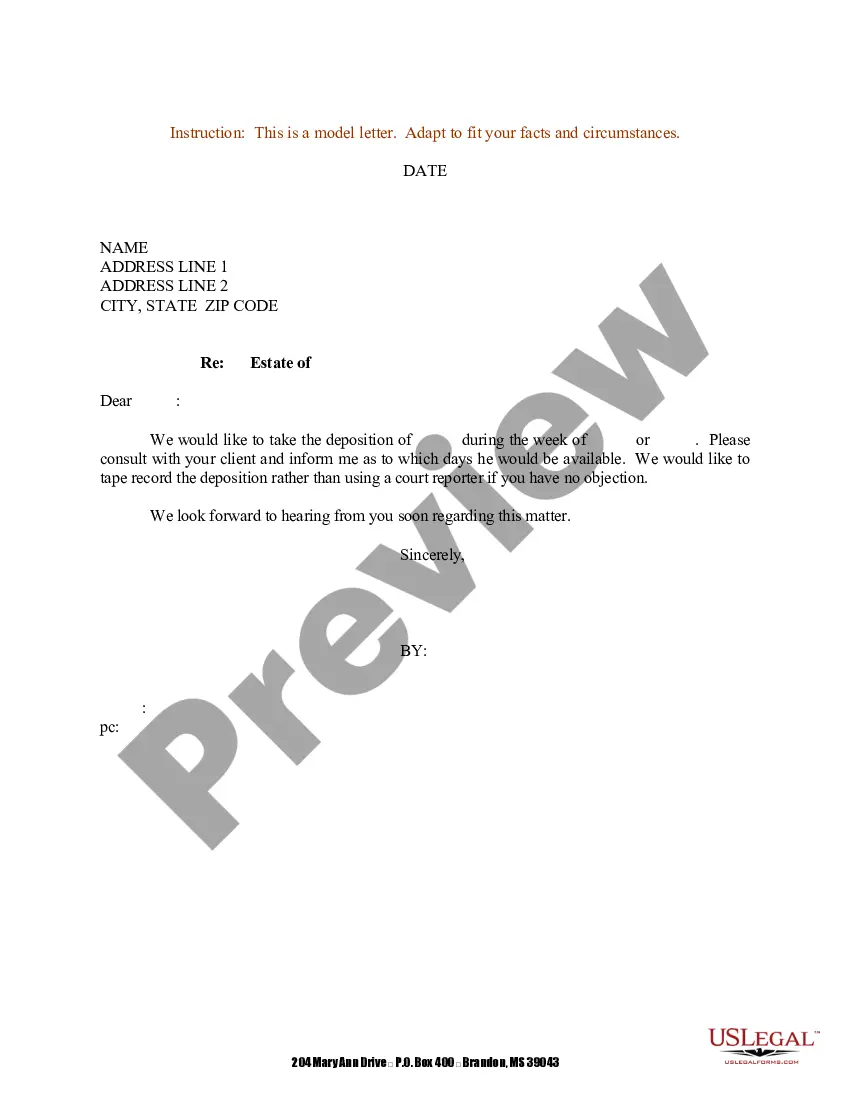
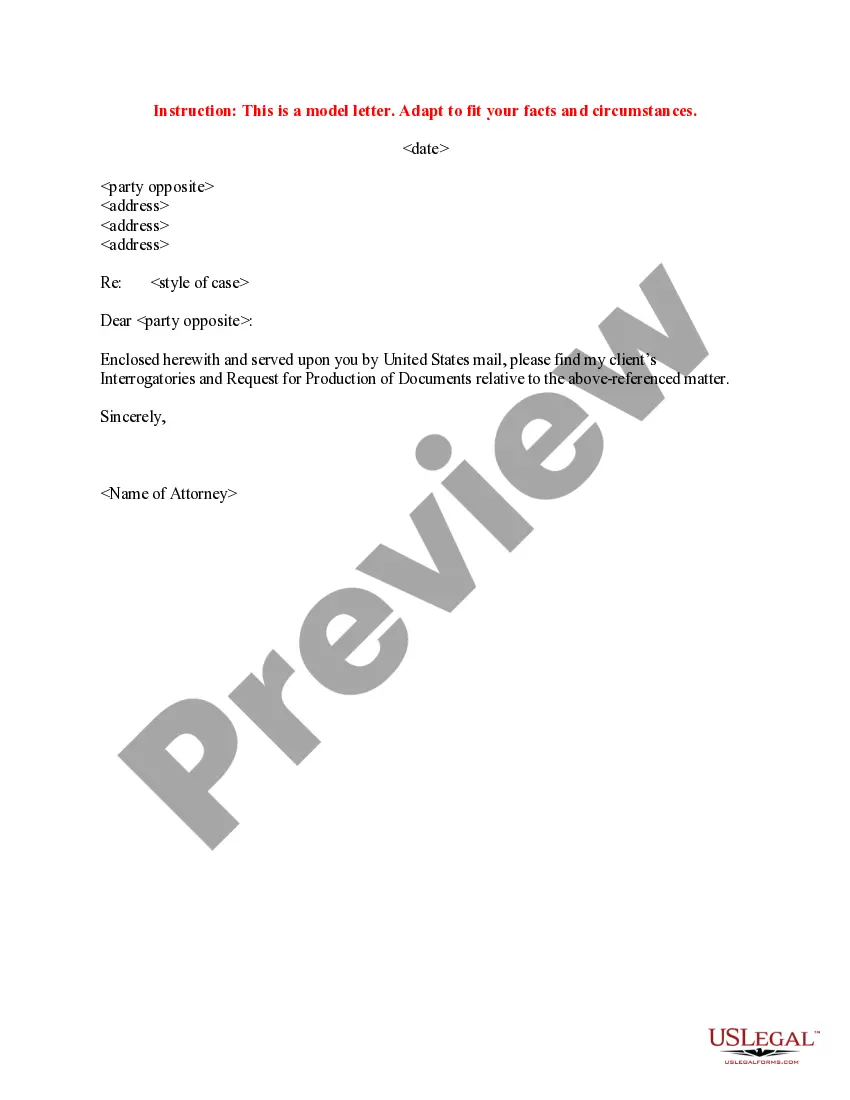
A 'Discovery Request' is a legal procedure where organizations are required to identify and disclose relevant data in response to a judicial order or legal proceeding. It involves finding and preserving information from individuals and business systems that may be pertinent to a transaction or dispute.
After discovery, lawyers begin preparing for trial. They'll sort through evidence, argue legal issues to posture the case for trial, design their trial strategy and themes, and more. In addition, your lawyer may file motions asking the court for rulings in the case.
Do Most Cases Settle After Discovery? Many personal injury lawsuits conclude either during or at the end of the discovery phase. In many cases, the defendants don't want evidence against them revealed in court.
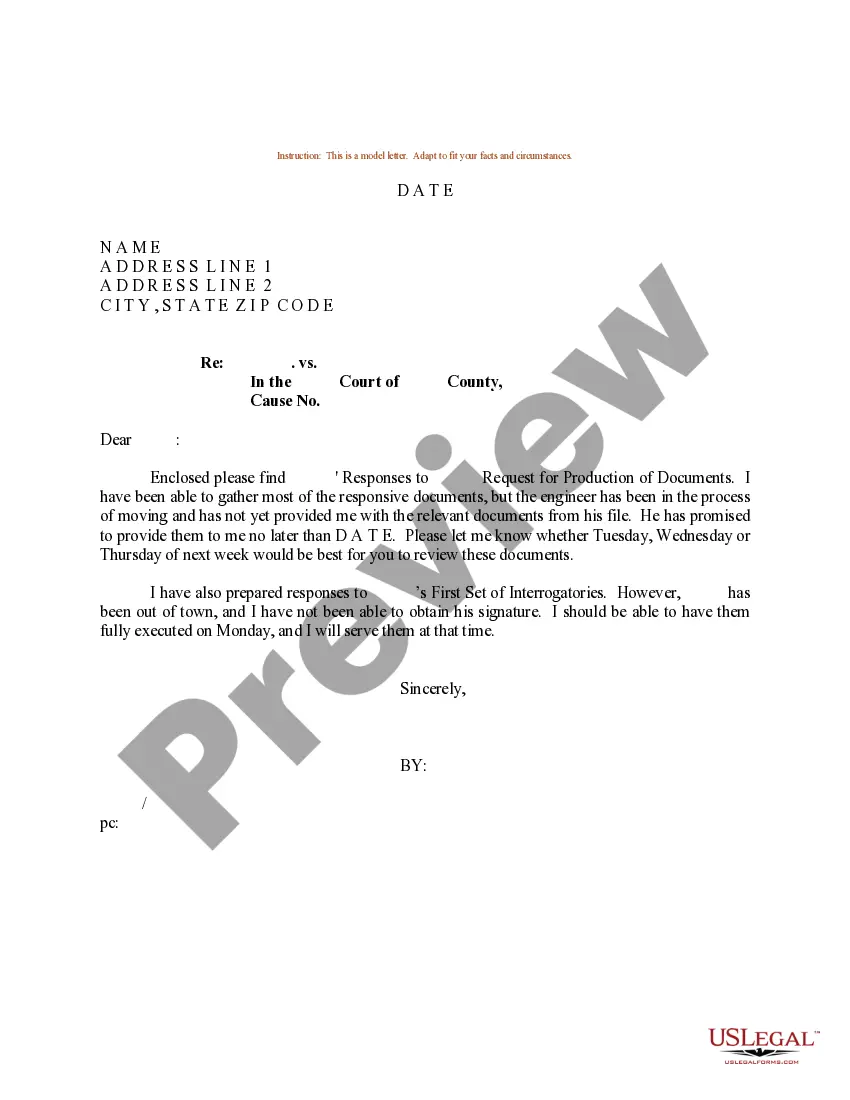
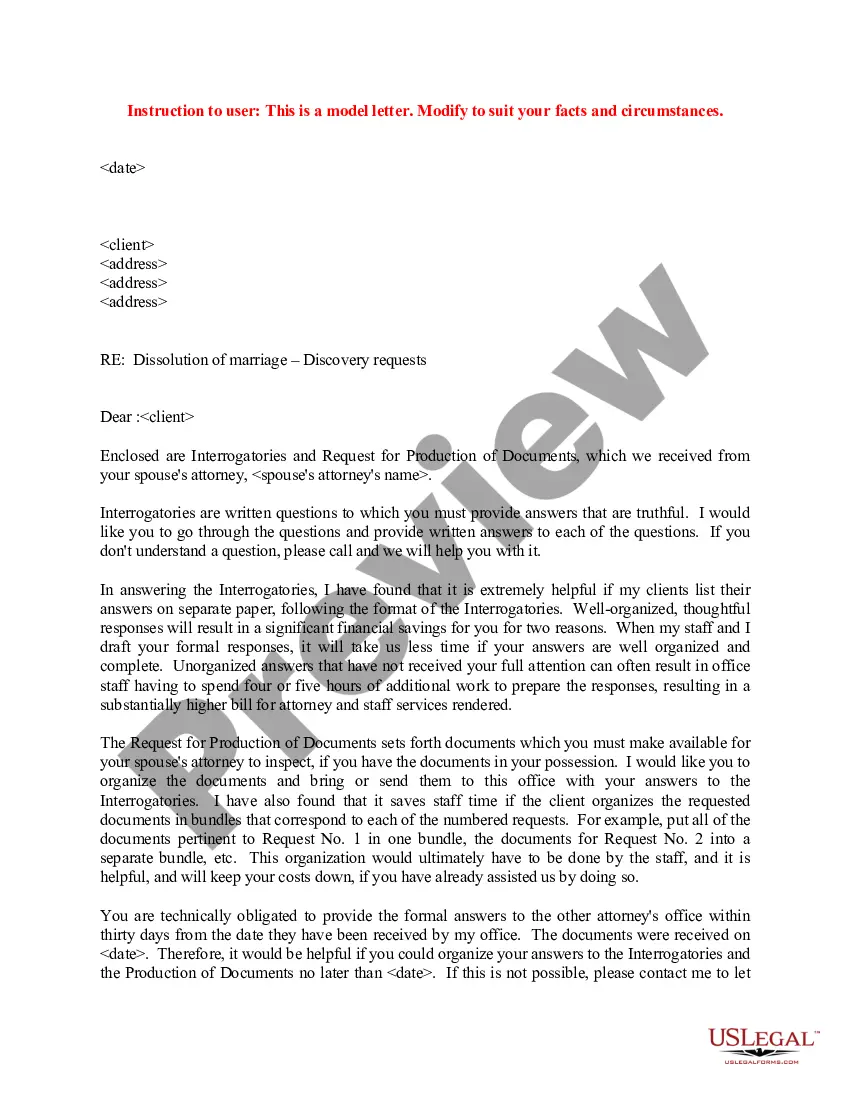
Discovery allows you to get information and evidence from the other party or other persons you can use in your lawsuit.
A criminal defendant or his/her lawyer can request discovery from the prosecution by sending them a request/demand for discovery (depending on the idiosyncrasies of the jurisdiction), and, to the extent they don't comply with the request/demand, file a motion with the court to compel discovery.
Discovery is how you gather the evidence you will need to prove your case as plaintiff, or defeat the plaintiff's case as a defendant. You use discovery to find out things like: What the other side plans to say about an issue in your case. What facts or witnesses support their side.
A 'Discovery Request' is a legal procedure where organizations are required to identify and disclose relevant data in response to a judicial order or legal proceeding. It involves finding and preserving information from individuals and business systems that may be pertinent to a transaction or dispute.
Getting information from the other side. You use discovery to get information or evidence from the other side in a lawsuit that will help you make your case. In order to get the information you need, you must make a request using a specific procedure and written format, within a specific timeframe.
Discovery is the formal process by which the parties to a case in court exchange information about the case. This includes information about the witnesses and evidence to be presented at trial. Its purpose is to make the parties aware of the evidence which may be presented at trial.
