Agreement Letter For Utang In Miami-Dade
Description
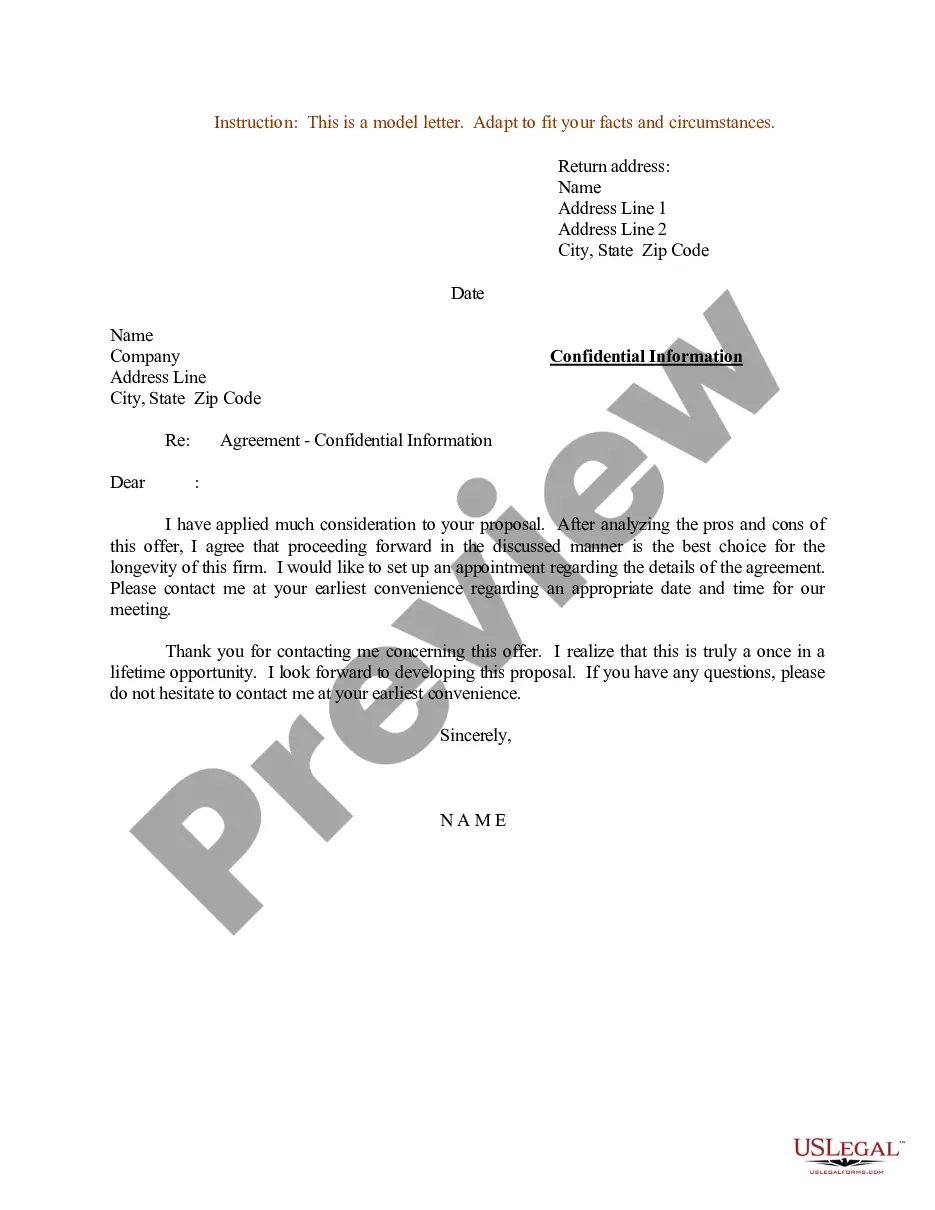
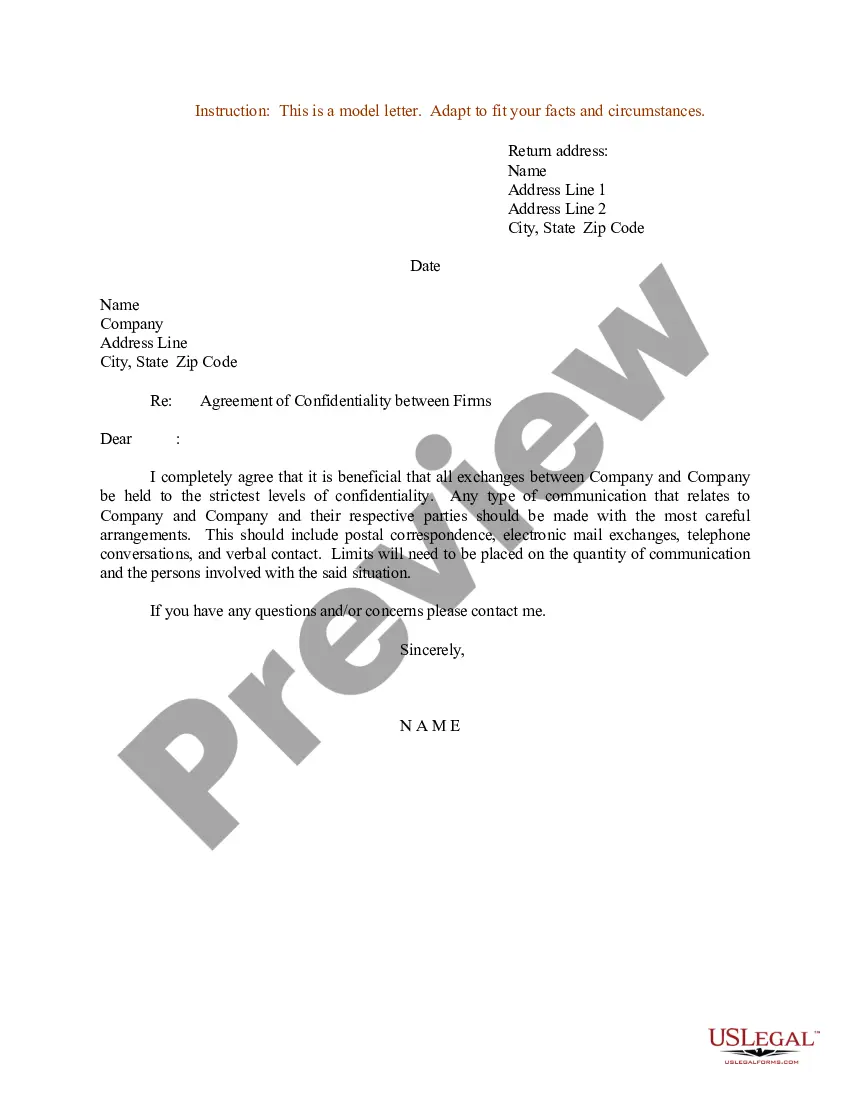
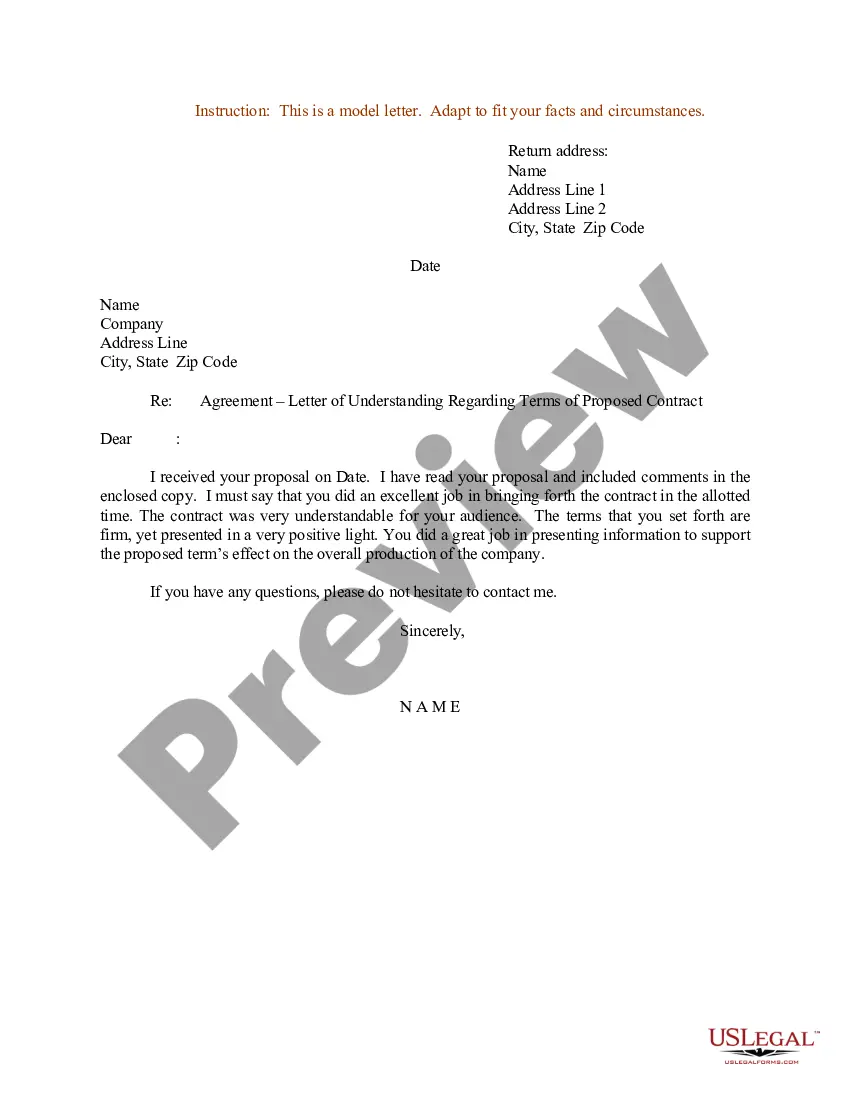
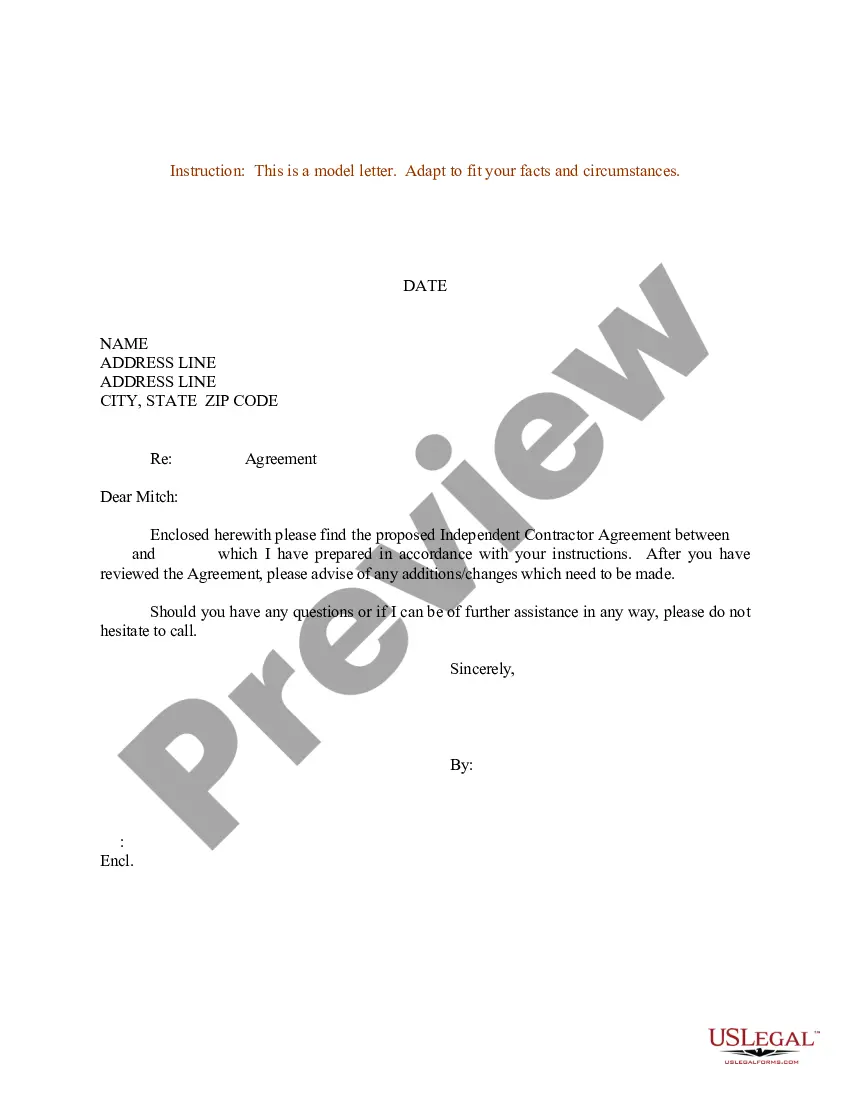
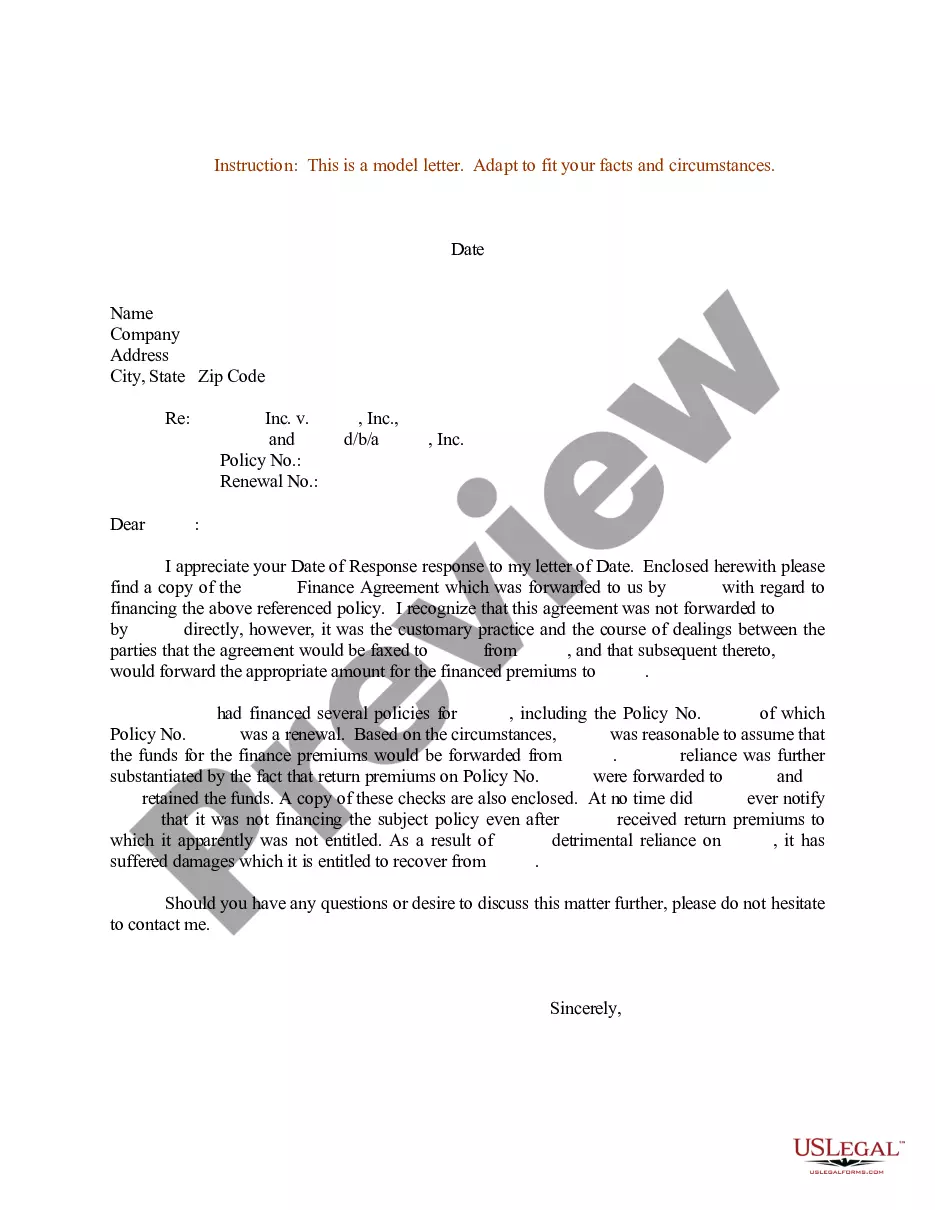
Get your form ready online
Our built-in tools help you complete, sign, share, and store your documents in one place.
Make edits, fill in missing information, and update formatting in US Legal Forms—just like you would in MS Word.
Download a copy, print it, send it by email, or mail it via USPS—whatever works best for your next step.
Sign and collect signatures with our SignNow integration. Send to multiple recipients, set reminders, and more. Go Premium to unlock E-Sign.
If this form requires notarization, complete it online through a secure video call—no need to meet a notary in person or wait for an appointment.
We protect your documents and personal data by following strict security and privacy standards.

Make edits, fill in missing information, and update formatting in US Legal Forms—just like you would in MS Word.

Download a copy, print it, send it by email, or mail it via USPS—whatever works best for your next step.

Sign and collect signatures with our SignNow integration. Send to multiple recipients, set reminders, and more. Go Premium to unlock E-Sign.

If this form requires notarization, complete it online through a secure video call—no need to meet a notary in person or wait for an appointment.

We protect your documents and personal data by following strict security and privacy standards.
Looking for another form?










Form popularity
FAQ
(1) A rental agreement with a specific duration may contain a provision requiring the tenant to notify the landlord before vacating the premises at the end of the rental agreement; however, a rental agreement may not require more than 60 days' notice before vacating the premises.
In most cases, the eviction process can take anywhere from a few weeks to several months. It generally begins with a notice to the tenant, which provides them with a set period to correct the issue, such as paying rent or moving out. If the tenant does not comply, we may need to file a formal eviction lawsuit.
The 60-day notice period allows tenants to evaluate their housing options and make informed decisions in response to the proposed rent adjustment. This additional protection and notification for tenants facing rent increases contribute to a more transparent and equitable rental process in Miami, FL.
You will either need to send your lien to Miami-Dade County for filing by mail, or deliver it in person. Because of Miami-Dade County's backlog, it's highly recommended to deliver the lien in person for filing.
Steps to file a mechanics lien in Miami-Dade County Step 1: Get The Right Form & Meet Margin Requirements. Step 2: Calculating Your Miami-Dade County Filing Fees. Step 3: Serve the Mechanics Lien. Step 4: File your lien with the Miami-Dade County Clerk.
To make a request contact the Clerk's office by mail or in person at Miami-Dade County Courthouse or by email at cocoffrec@miamidade.
To file a formal consumer complaint, complete the below affidavit and save a copy of your completed affidavit for your records. You can print, sign, date and submit the affidavit by email (send as a pdf attachment to consumer@miamidade), fax to 786-469-2303 or mail to the address at the top of the affidavit.
Filing a Florida mechanics lien is a fairly simple process. This involves filling out the proper Claim of Lien form, serving a copy of the lien to the property owner, and filing the claim in the county recorder's office where the property is located.
WHERE TO FILE THE COMPLAINT: The original complaint form (original signature and notarization) must be mailed or delivered to the Commission of Ethics at the address on the complaint form. Photocopies or emailed forms cannot be accepted. The Commission address is: P. O. Box 15709, Tallahassee, Florida 32317-5709.
To file a formal consumer complaint, complete the below affidavit and save a copy of your completed affidavit for your records. You can print, sign, date and submit the affidavit by email (send as a pdf attachment to consumer@miamidade), fax to 786-469-2303 or mail to the address at the top of the affidavit.

