Requesting Discovery Form With Attorney In Illinois
Description
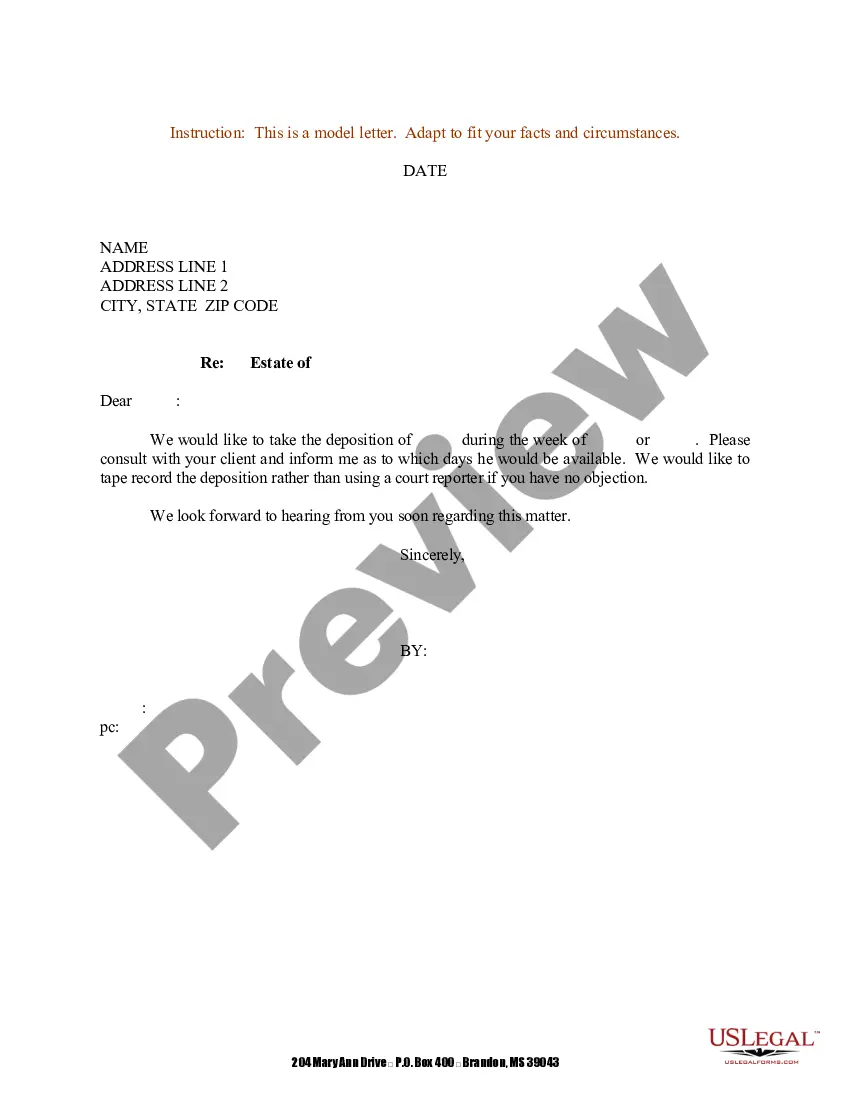
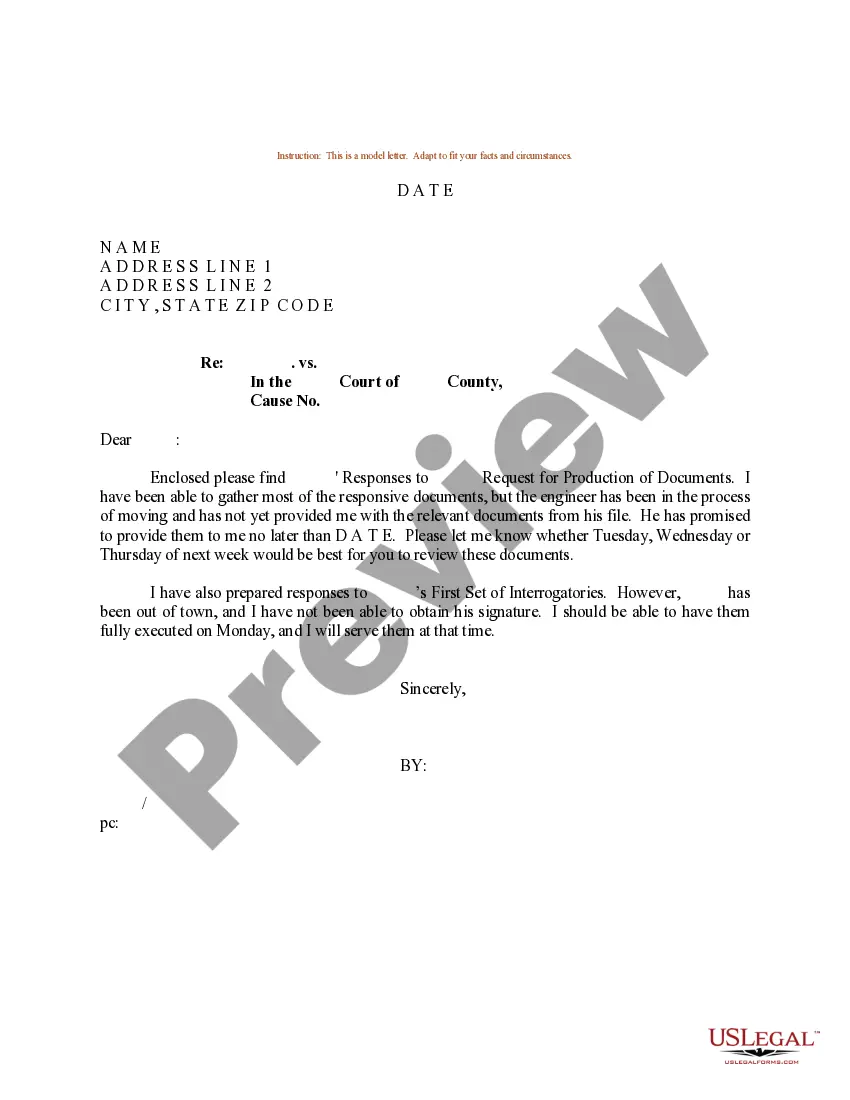
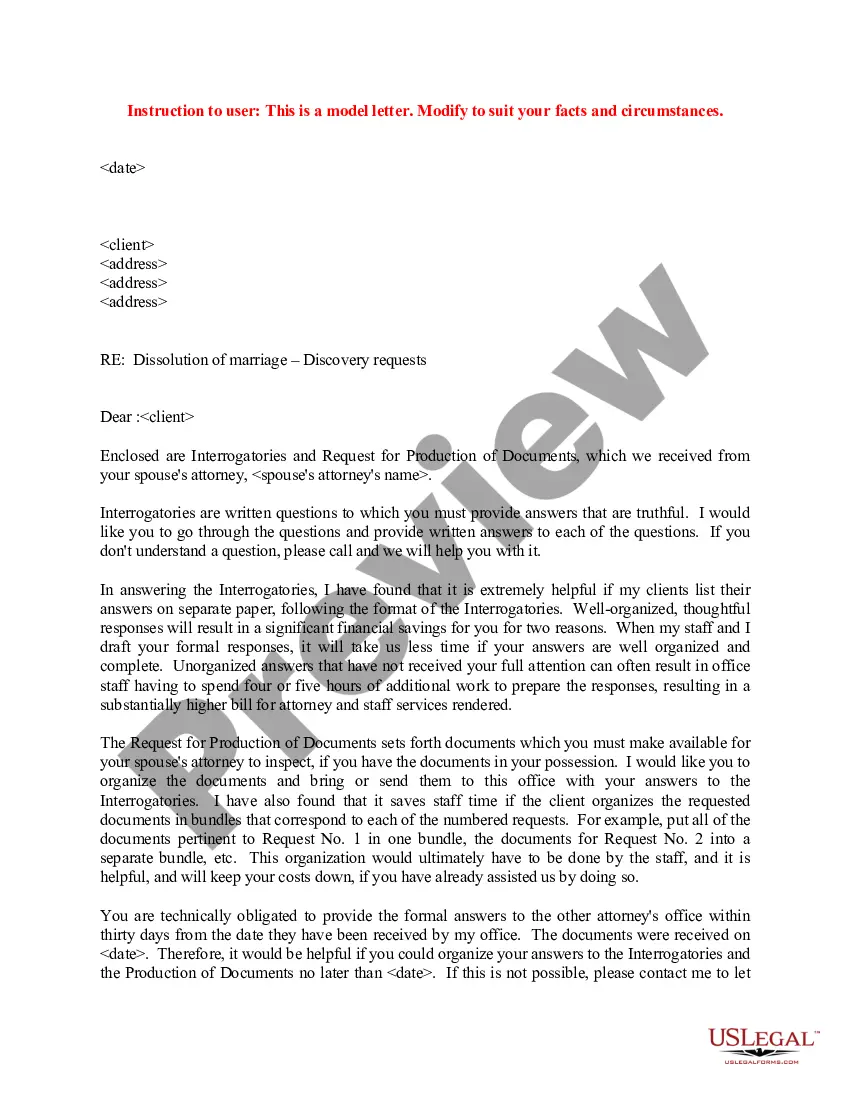
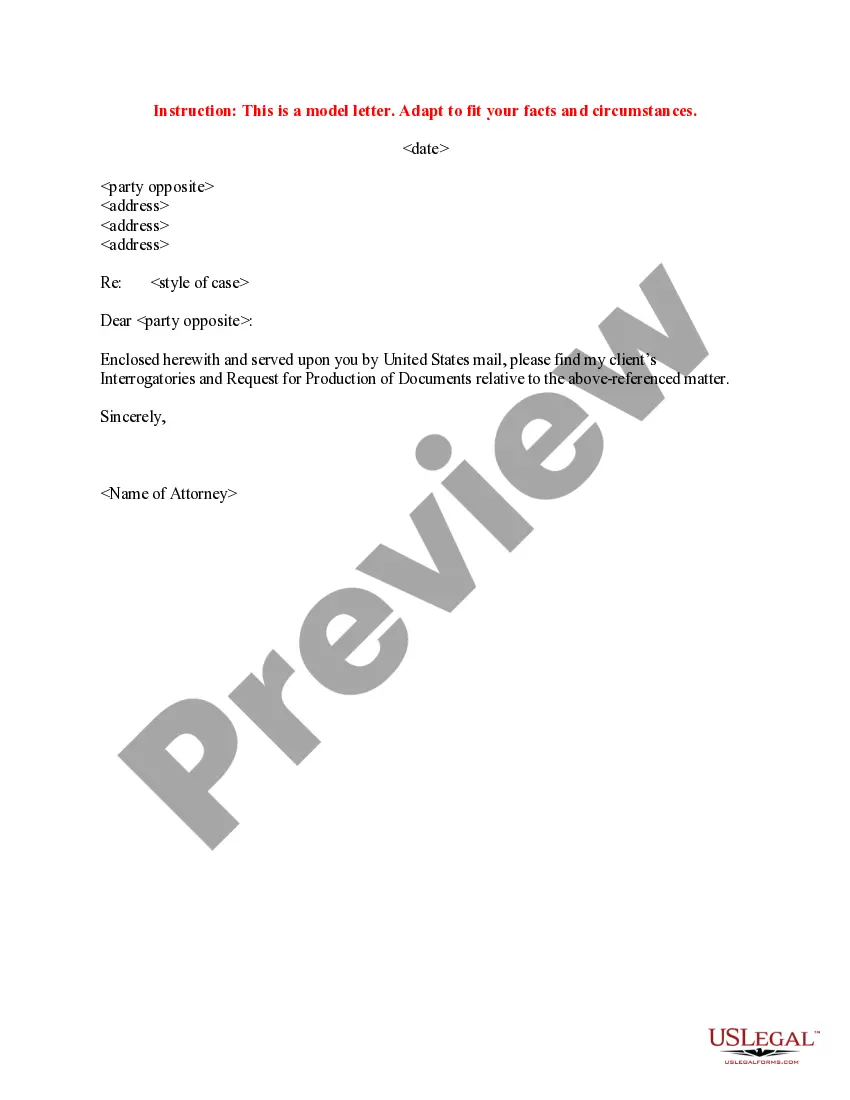
Get your form ready online
Our built-in tools help you complete, sign, share, and store your documents in one place.
Make edits, fill in missing information, and update formatting in US Legal Forms—just like you would in MS Word.
Download a copy, print it, send it by email, or mail it via USPS—whatever works best for your next step.
Sign and collect signatures with our SignNow integration. Send to multiple recipients, set reminders, and more. Go Premium to unlock E-Sign.
If this form requires notarization, complete it online through a secure video call—no need to meet a notary in person or wait for an appointment.
We protect your documents and personal data by following strict security and privacy standards.

Make edits, fill in missing information, and update formatting in US Legal Forms—just like you would in MS Word.

Download a copy, print it, send it by email, or mail it via USPS—whatever works best for your next step.

Sign and collect signatures with our SignNow integration. Send to multiple recipients, set reminders, and more. Go Premium to unlock E-Sign.

If this form requires notarization, complete it online through a secure video call—no need to meet a notary in person or wait for an appointment.

We protect your documents and personal data by following strict security and privacy standards.
Looking for another form?






Form popularity
FAQ
Sometimes, there are exceptions via a discovery rule, allowing for a delay to the statute of limitations to start the time tolling not on the date the incident occurred leading to injury but instead on the date of discovery of an injury or when damages were first reasonably discoverable, per 735 ILCS 5/13-214.3(b).
Upon motion of the attorney, the court shall, within 5 court days, enter an order allowing the attorney to provide a copy of the discovery to the defendant unless good cause is shown why the discovery should not be furnished to the defendant.
The California discovery rule stops the clock on the statute of limitations until the plaintiff either finds out about the cause of action or has a good reason to do so. This rule comes into play when the plaintiff didn't realize, and a reasonable person wouldn't have realized, that they were harmed.
Disclosure is accomplished through a methodical process called "discovery." Discovery takes three basic forms: written discovery, document production, and depositions.
Discovery is how you gather the evidence you will need to prove your case as plaintiff, or defeat the plaintiff's case as a defendant. You use discovery to find out things like: What the other side plans to say about an issue in your case. What facts or witnesses support their side.
A party can only send 30 interrogatories. However, this number can be increased if the other party agrees or the court allows more. If there is more than one other party in the case, the requesting party must give copies to all other parties. A party who receives interrogatories has 28 days to answer or object.
The very first step in any discovery process is typically a kickoff meeting. If you're working one-on-one with a client, this meeting is just between you and your client.
Steps Of The Discovery Process. There are four key actions in the discovery process which include interrogatories, request for documents, request for admissions, and depositions.
The first phase of the discovery process is the written discovery phase. During this phase, your attorney may send and receive requests to produce documents, requests for admissions of facts, and written interrogatories.
How Does Discovery Work? There are four main types of discovery requests: (1) depositions; (2) interrogatories; (3) requests for admissions; and (4) requests for the production of documents. Depositions are formal witness interviews.
