Requesting Discovery Form For Divorce In Georgia
Description
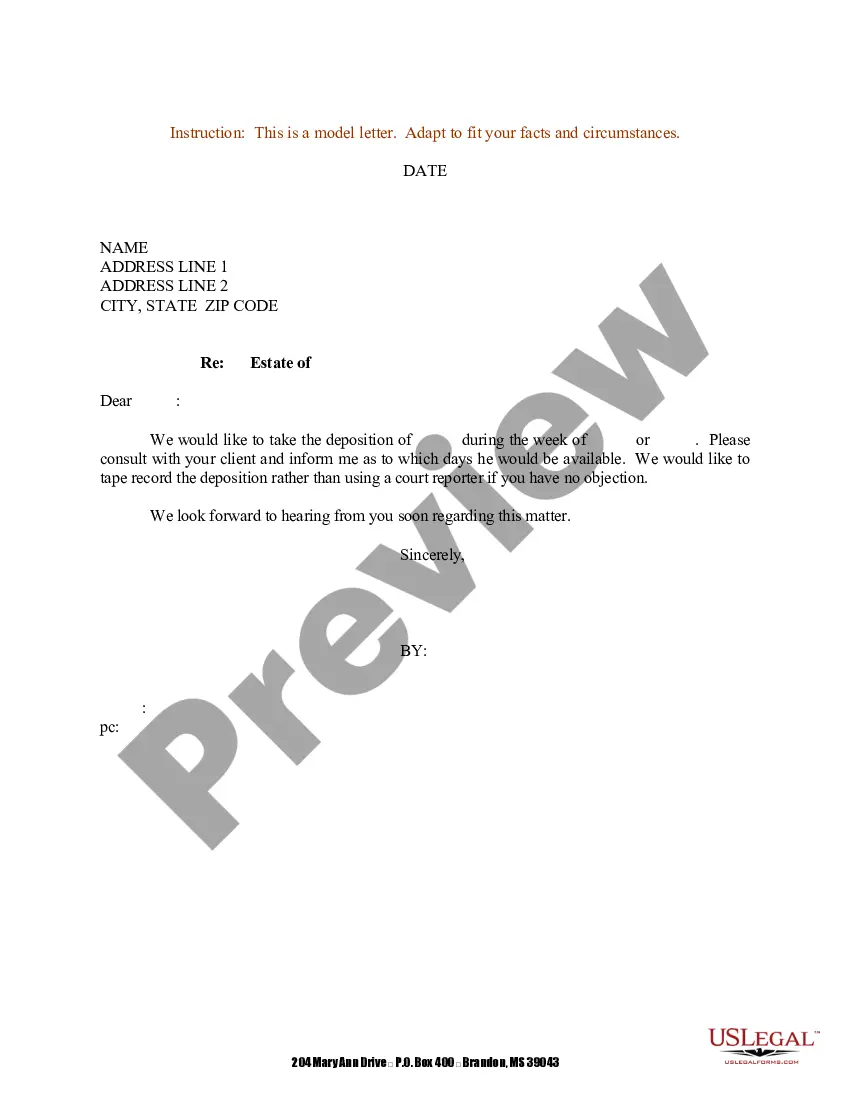
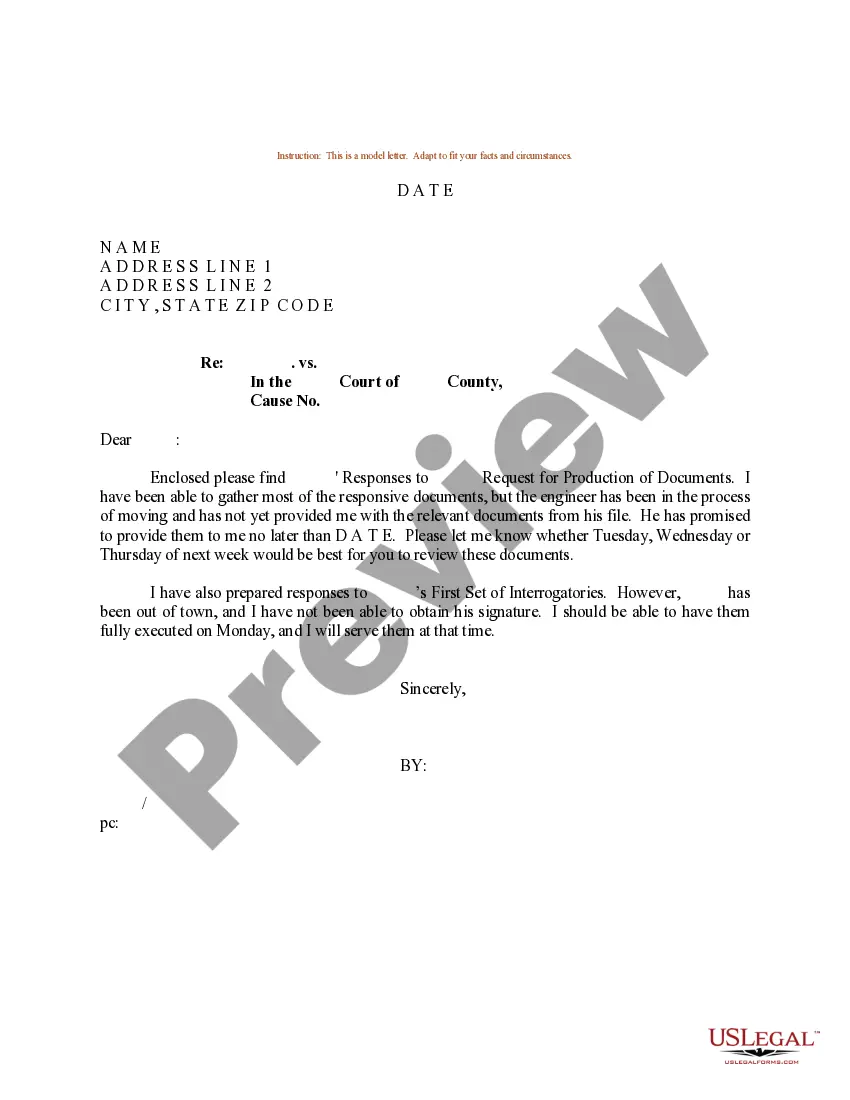
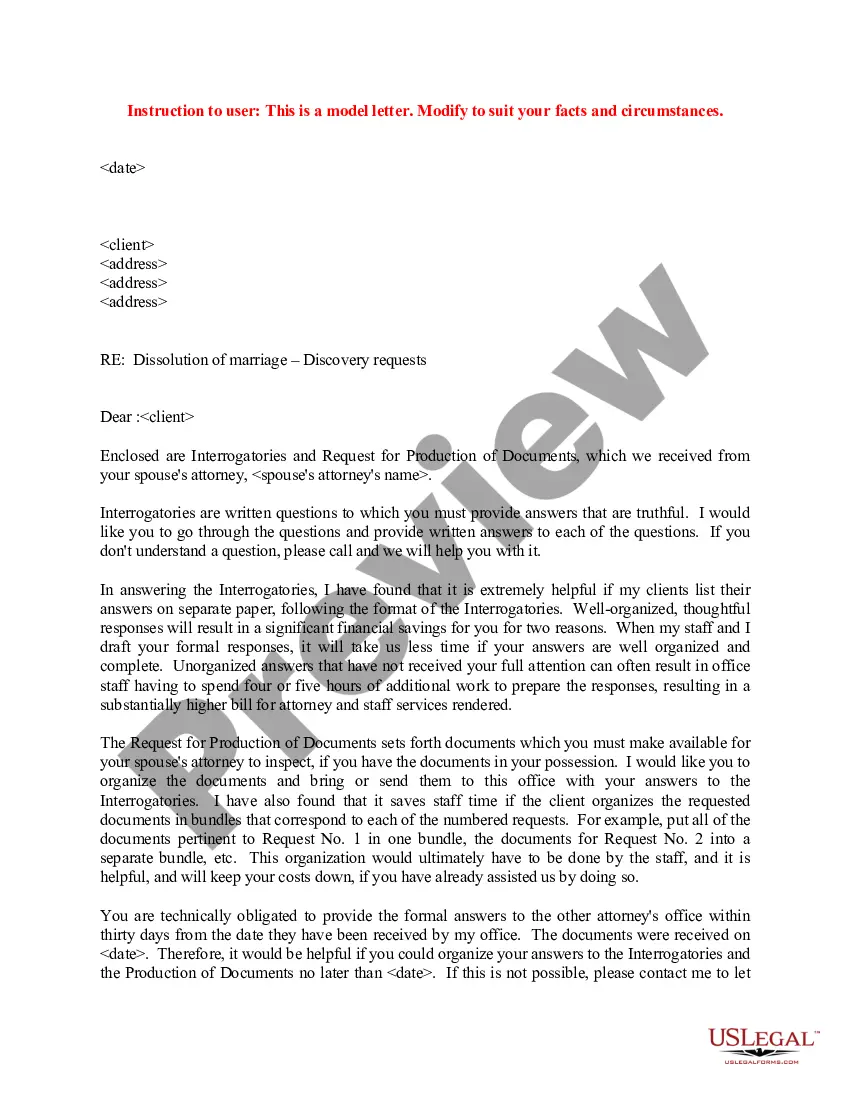
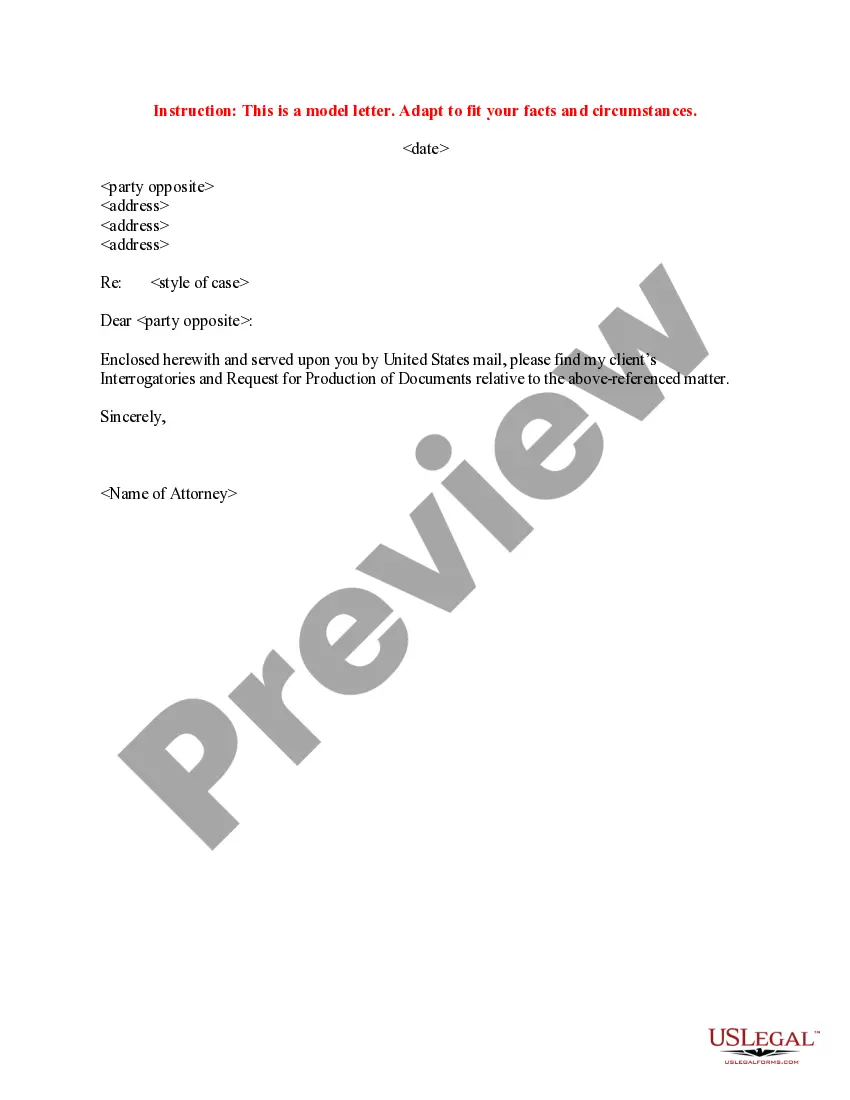
Get your form ready online
Our built-in tools help you complete, sign, share, and store your documents in one place.
Make edits, fill in missing information, and update formatting in US Legal Forms—just like you would in MS Word.
Download a copy, print it, send it by email, or mail it via USPS—whatever works best for your next step.
Sign and collect signatures with our SignNow integration. Send to multiple recipients, set reminders, and more. Go Premium to unlock E-Sign.
If this form requires notarization, complete it online through a secure video call—no need to meet a notary in person or wait for an appointment.
We protect your documents and personal data by following strict security and privacy standards.

Make edits, fill in missing information, and update formatting in US Legal Forms—just like you would in MS Word.

Download a copy, print it, send it by email, or mail it via USPS—whatever works best for your next step.

Sign and collect signatures with our SignNow integration. Send to multiple recipients, set reminders, and more. Go Premium to unlock E-Sign.

If this form requires notarization, complete it online through a secure video call—no need to meet a notary in person or wait for an appointment.

We protect your documents and personal data by following strict security and privacy standards.
Looking for another form?








Form popularity
FAQ
Parties may obtain discovery regarding any matter, not privileged, which is relevant to the subject matter involved in the pending action, whether it relates to the claim or defense of the party seeking discovery or to the claim or defense of any other party, including the existence, description, nature, custody, ...
The prosecuting attorney shall, no later than ten days prior to trial, or at such time as the court orders, disclose to the defendant and make available for inspection, copying, or photographing any relevant written or recorded statements made by the defendant, or copies thereof, within the possession, custody, or ...
How Does Someone Request Discovery? Discovery requests must be made in the form of a written motion. The request must be submitted to the opposing party or the State if in a criminal case.
How Does Someone Request Discovery? Discovery requests must be made in the form of a written motion. The request must be submitted to the opposing party or the State if in a criminal case.
Although the department can confirm divorces, copies of the records are held by the Clerk of the Superior Court in the county where the divorce was granted. Any requests for divorce records must go through the superior court.
Rule 6.4 - Failure to make discovery and motion to compel discovery (A) Motions to compel discovery in ance with OCGA § 9-11-37 shall: (1) Quote verbatim or attach a copy as an exhibit of each interrogatory, request for admission, or request for production to which objection is taken or to which no response or ...
In Georgia, discovery typically lasts six months from the date that the defendant files an Answer to your Complaint.
For example, a party may file a motion asking the court to: Order another party or person to. Quash a subpoena that improperly seeks documents or testimony. Order the parties to maintain the confidentiality of commercially sensitive, trade secret, proprietary, or personal information.
In certain cases, you might be able to write a letter to the other side and request the documents that you need. However, in more formal cases, you will likely have to draft more formal discovery demands. There are usually forms available for this in local law libraries, from the court clerk's office, or online.

