Agreement Letter For Loan In Palm Beach
Description
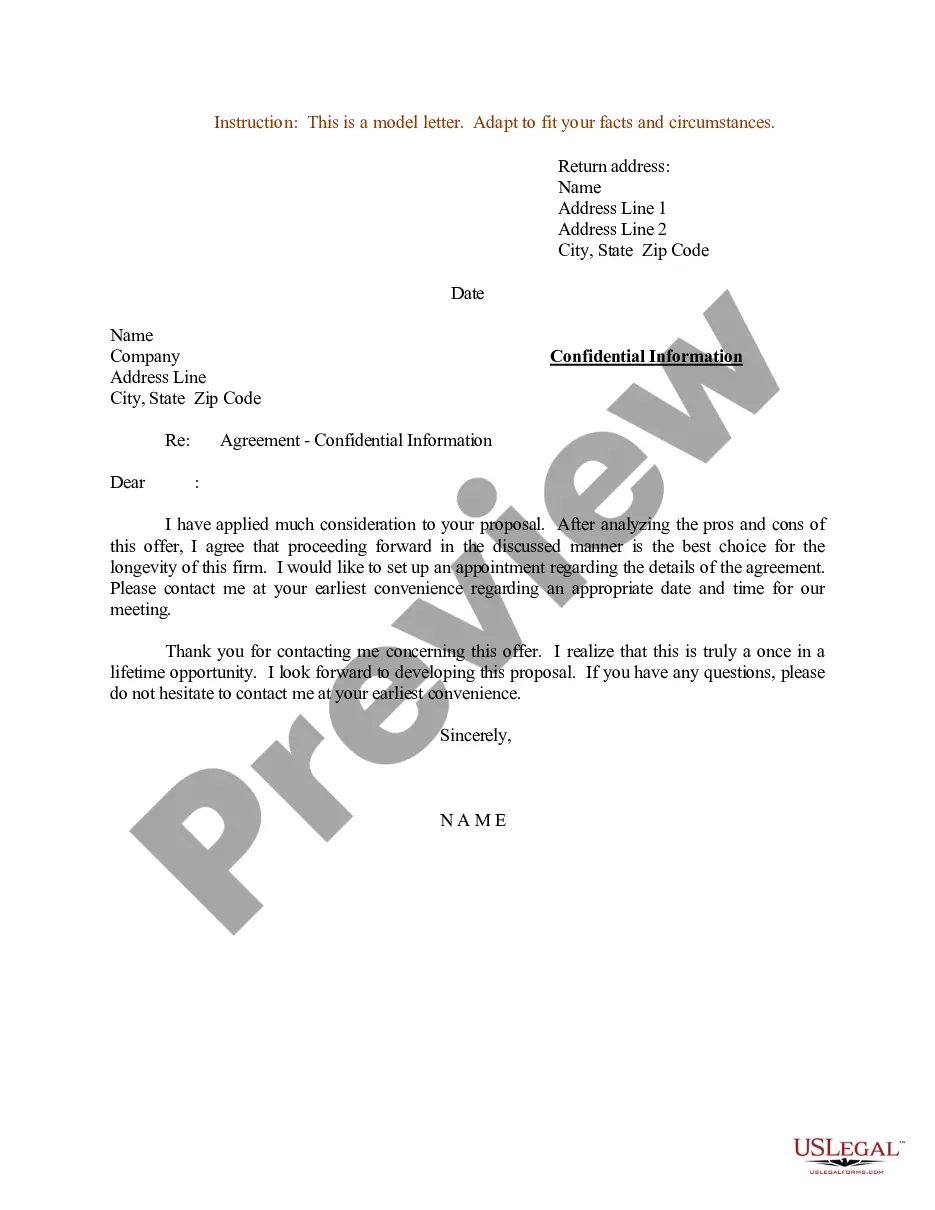
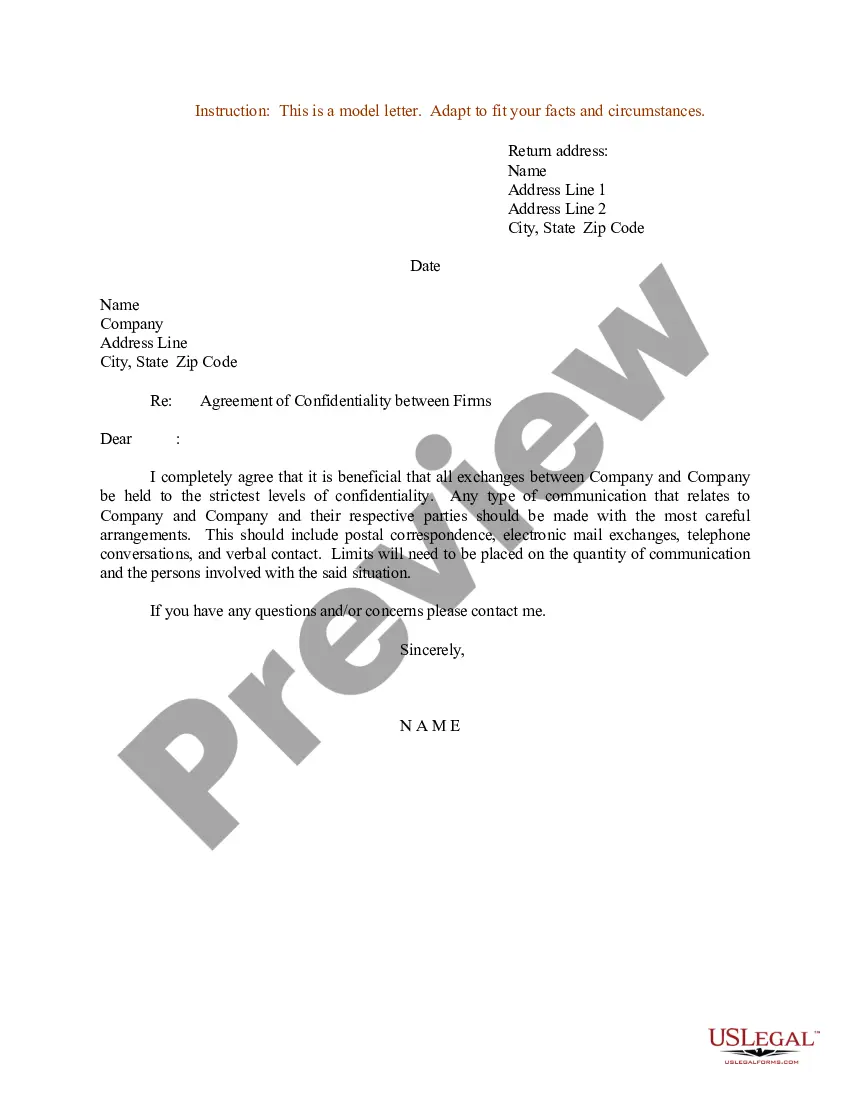
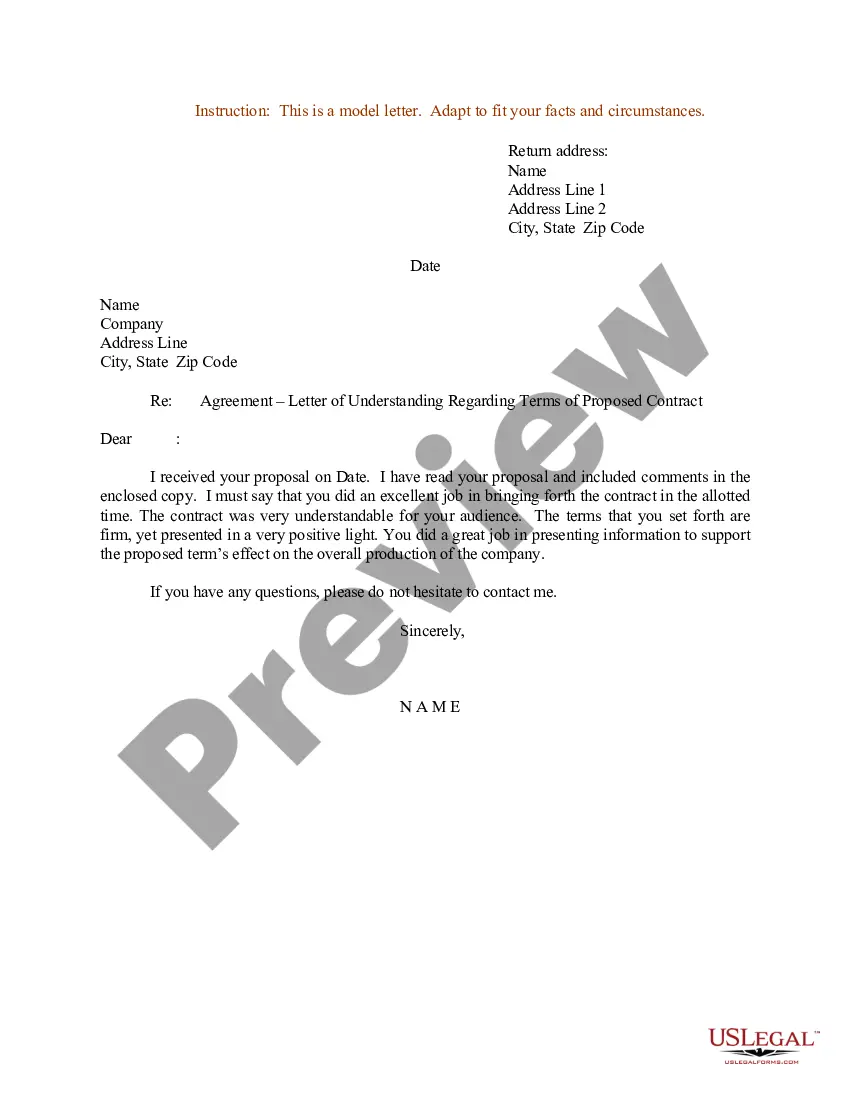
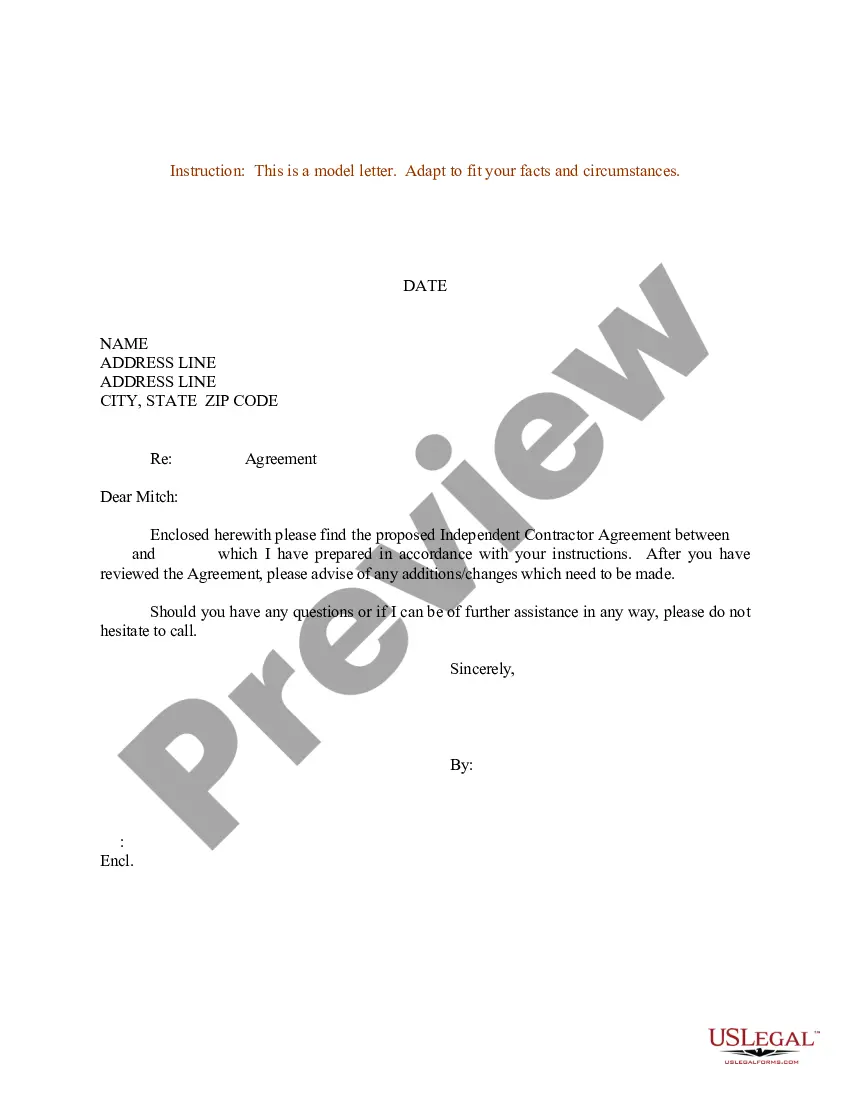
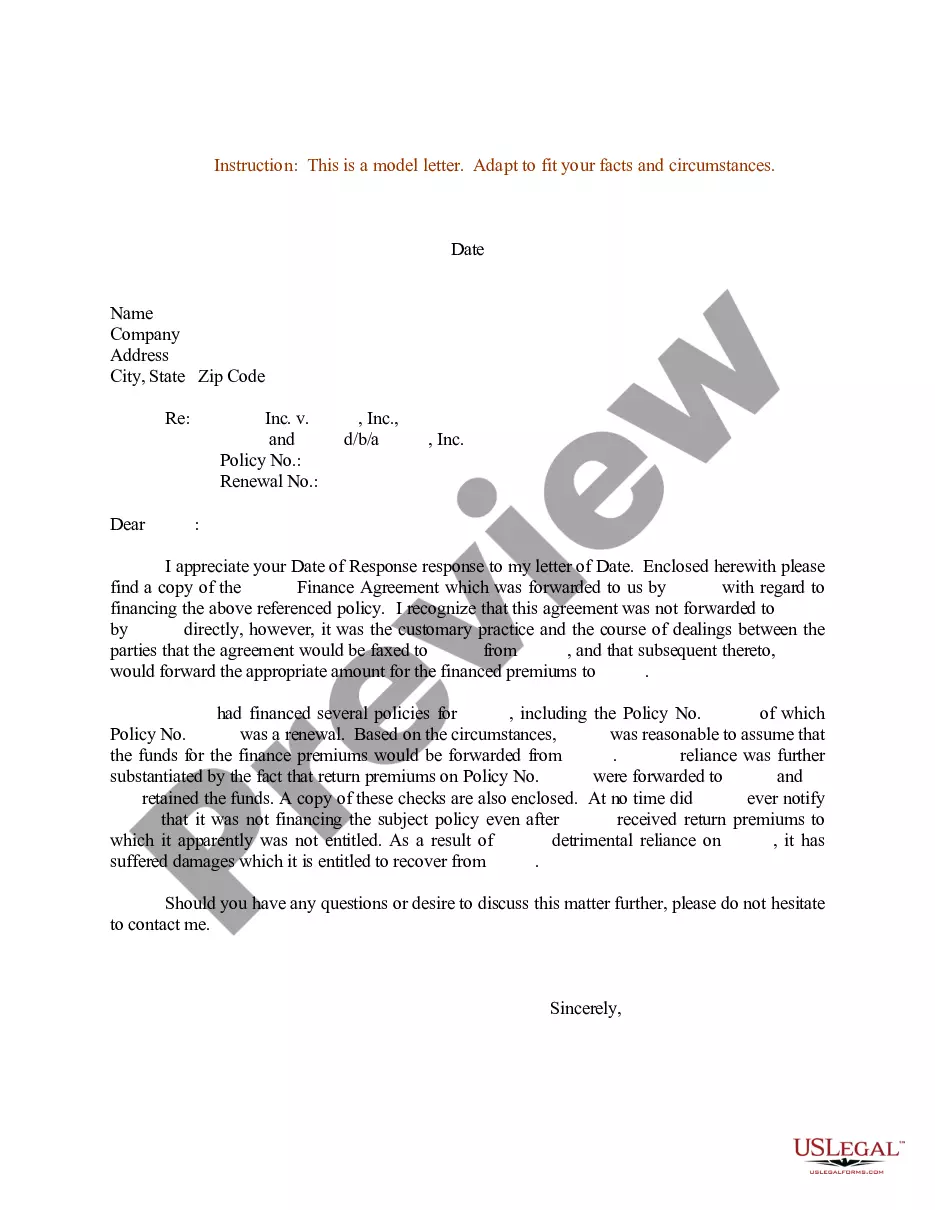
Get your form ready online
Our built-in tools help you complete, sign, share, and store your documents in one place.
Make edits, fill in missing information, and update formatting in US Legal Forms—just like you would in MS Word.
Download a copy, print it, send it by email, or mail it via USPS—whatever works best for your next step.
Sign and collect signatures with our SignNow integration. Send to multiple recipients, set reminders, and more. Go Premium to unlock E-Sign.
If this form requires notarization, complete it online through a secure video call—no need to meet a notary in person or wait for an appointment.
We protect your documents and personal data by following strict security and privacy standards.

Make edits, fill in missing information, and update formatting in US Legal Forms—just like you would in MS Word.

Download a copy, print it, send it by email, or mail it via USPS—whatever works best for your next step.

Sign and collect signatures with our SignNow integration. Send to multiple recipients, set reminders, and more. Go Premium to unlock E-Sign.

If this form requires notarization, complete it online through a secure video call—no need to meet a notary in person or wait for an appointment.

We protect your documents and personal data by following strict security and privacy standards.
Looking for another form?
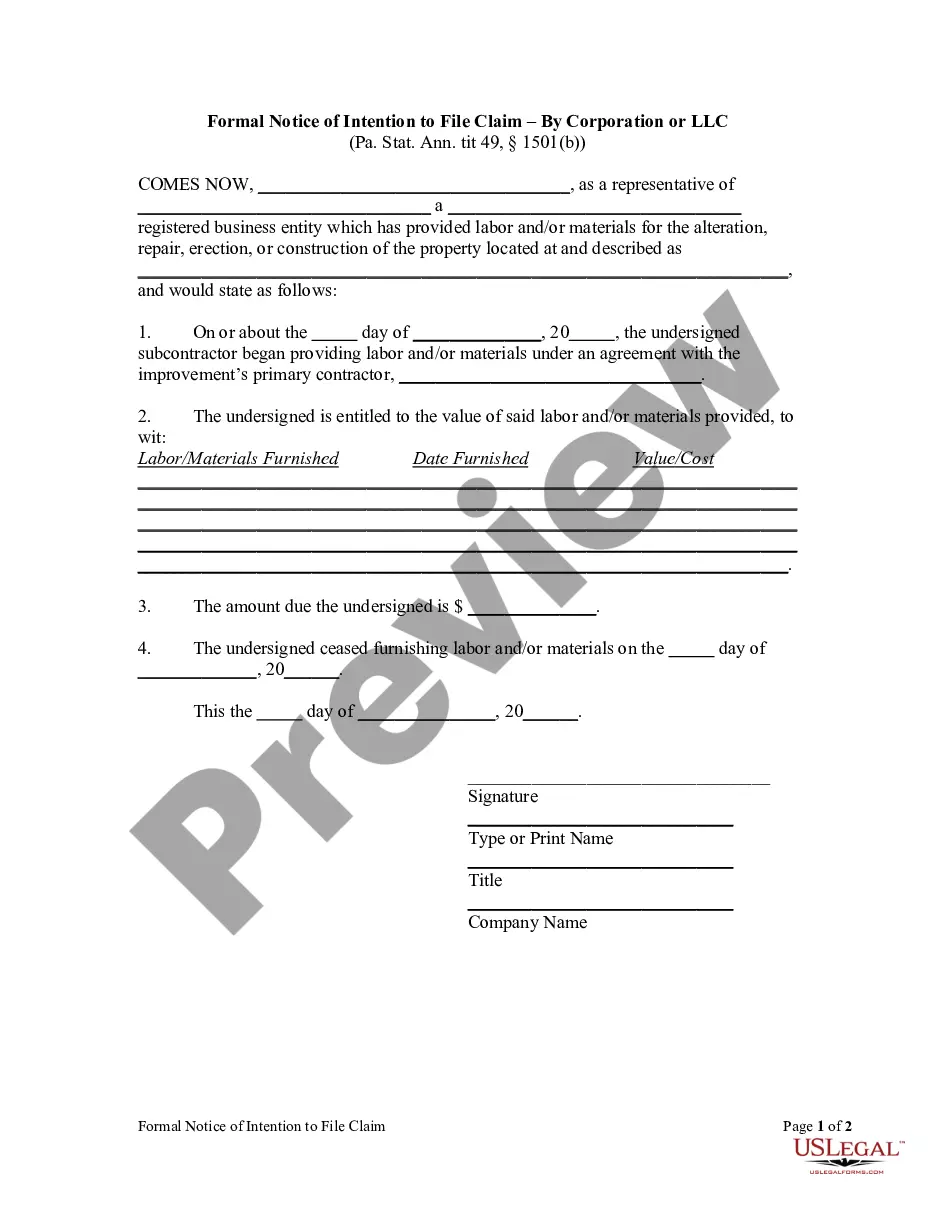






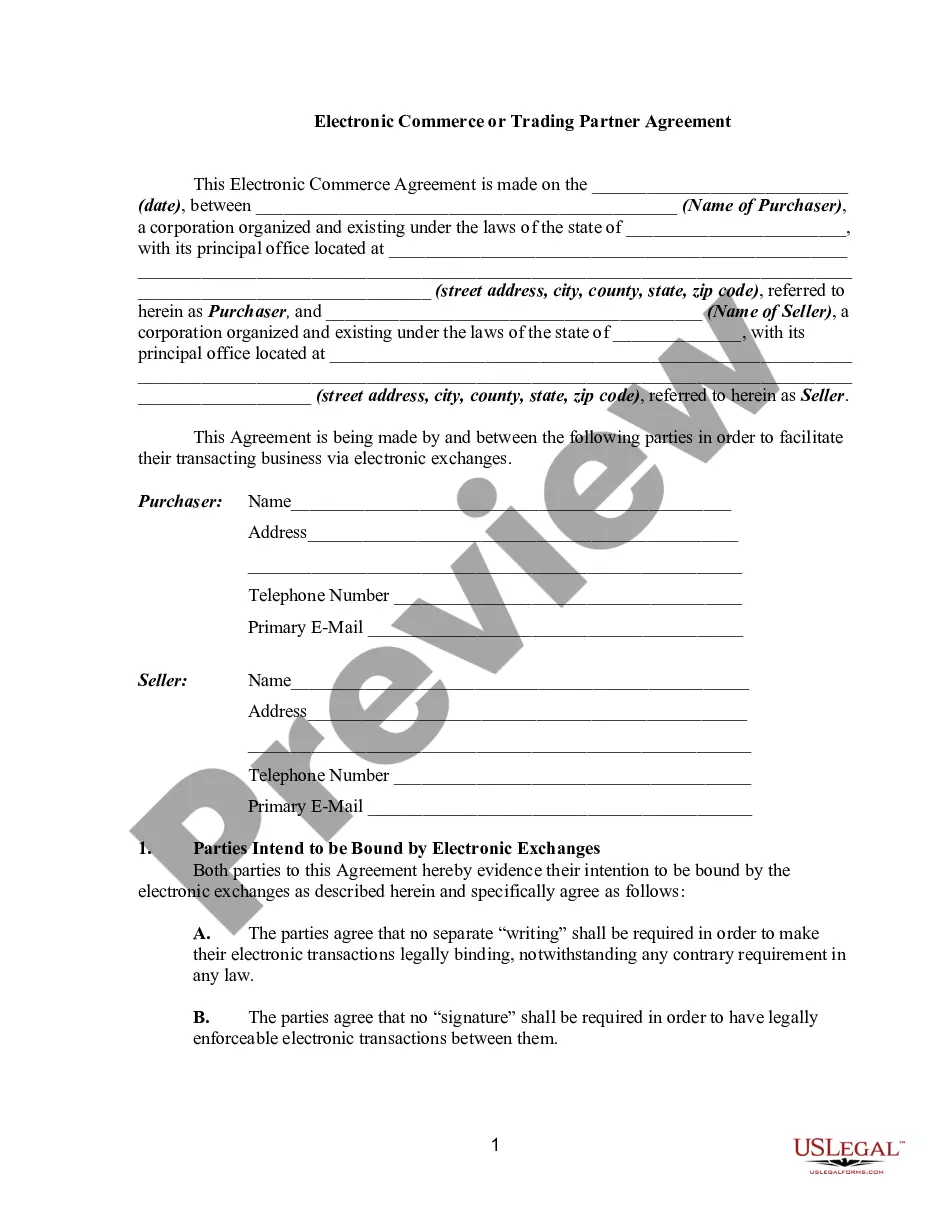
Form popularity
FAQ
To write a simple contract, title it clearly, identify all parties and specify terms (services or payments). Include an offer, acceptance, consideration, and intent. Add a signature and date for enforceability. Written contracts reduce disputes and offer better legal security than verbal ones.
How to write an agreement letter Title your document. Provide your personal information and the date. Include the recipient's information. Address the recipient and write your introductory paragraph. Write a detailed body. Conclude your letter with a paragraph, closing remarks, and a signature. Sign your letter.
This proves that the contract is legally binding and that you and the other parties have accepted the terms and the obligations conveyed by the document. But, you do not need to always sign contracts for them to be legally enforceable. Indeed, you can accept them by conduct or even verbally.
To be considered legally binding, a document must include the valid signatures of all parties entering into an agreement and outline all the duties and responsibilities each has to the other(s).
The Notice of Commencement shall be recorded in the office of the Clerk where the real property is located. A certified copy of the Notice of Commencement must be posted on the property. The property owner must sign the Notice of Commencement and no one else may be permitted to sign in his or her stead.
While not required by law, having the promissory note notarized can provide additional legal protection and evidentiary weight in court should any dispute arise over its enforcement.
Aside from the few exceptions such as those mentioned above, most contracts do not need notarization to be valid and effective as between the parties. However, notarization is essential to bind third persons.
Ing to Boundy (2012), typically, a written contract will include: Date of agreement. Names of parties to the agreement. Preliminary clauses. Defined terms. Main contract clauses. Schedules/appendices and signature provisions (para. 5).

