Requesting Discovery Form Withdrawal In Dallas
Description
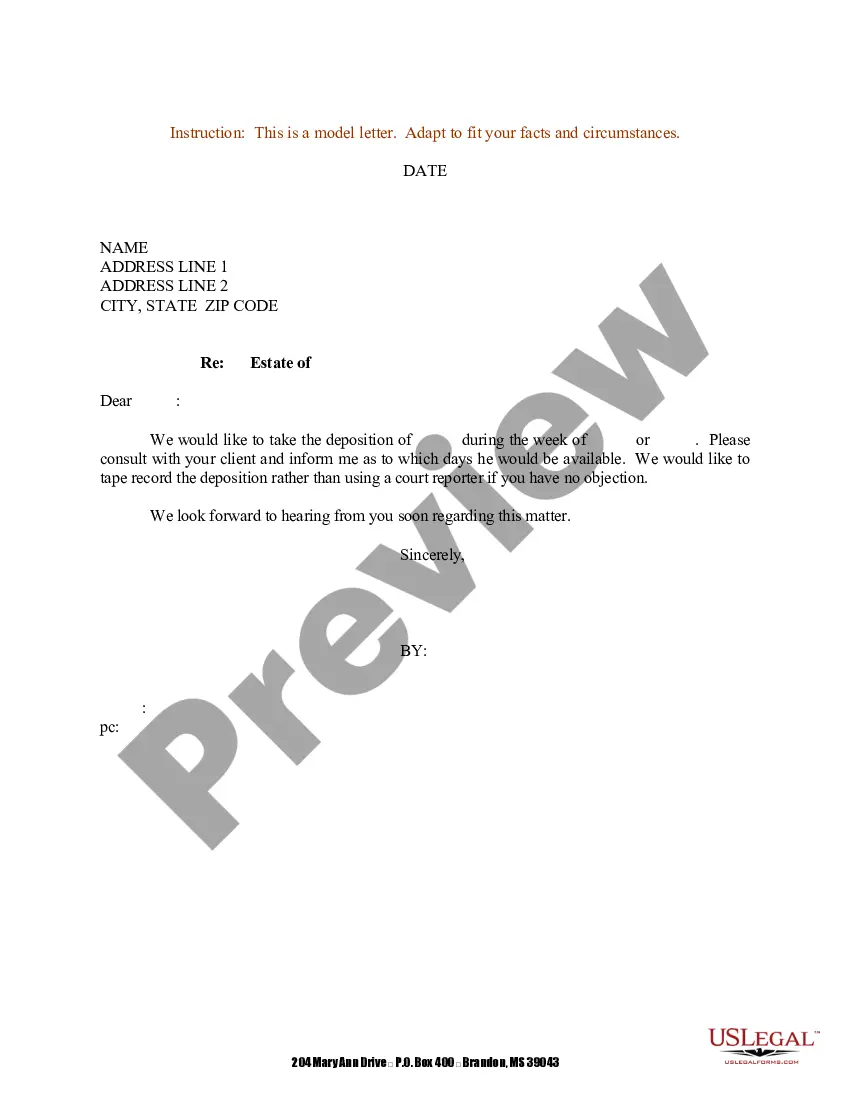
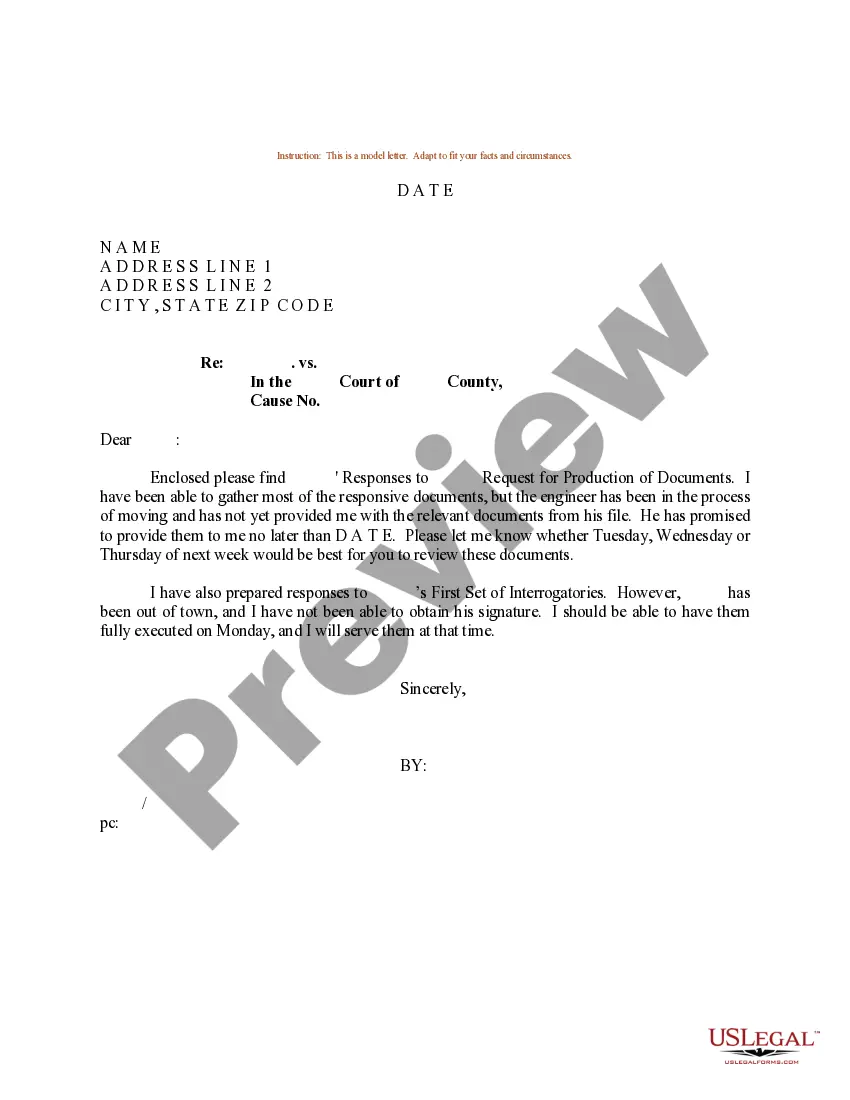
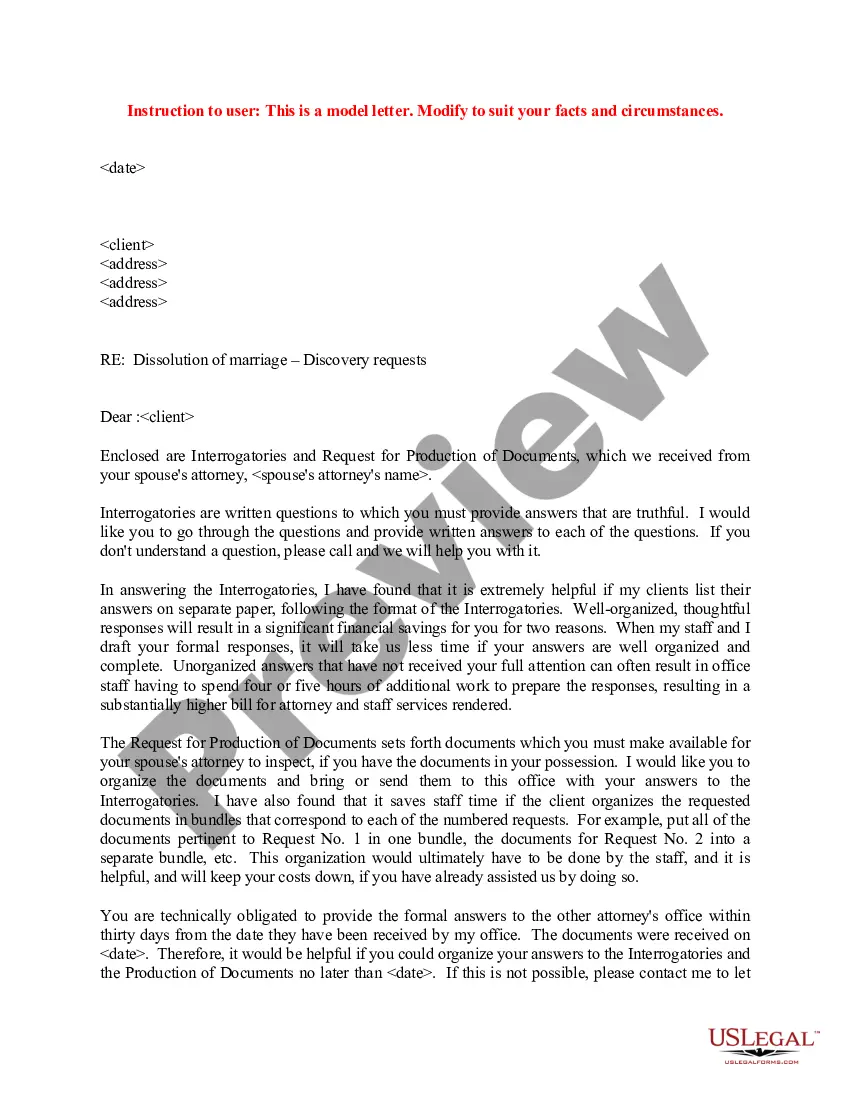
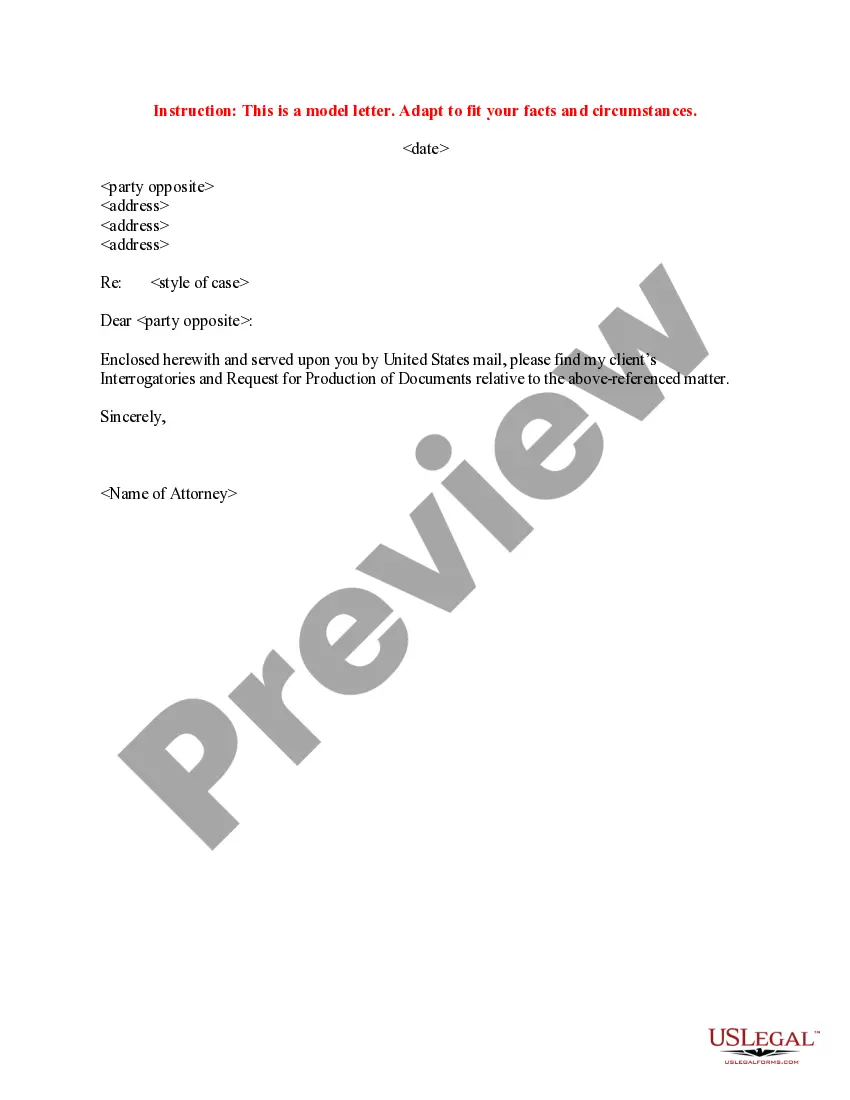
Get your form ready online
Our built-in tools help you complete, sign, share, and store your documents in one place.
Make edits, fill in missing information, and update formatting in US Legal Forms—just like you would in MS Word.
Download a copy, print it, send it by email, or mail it via USPS—whatever works best for your next step.
Sign and collect signatures with our SignNow integration. Send to multiple recipients, set reminders, and more. Go Premium to unlock E-Sign.
If this form requires notarization, complete it online through a secure video call—no need to meet a notary in person or wait for an appointment.
We protect your documents and personal data by following strict security and privacy standards.

Make edits, fill in missing information, and update formatting in US Legal Forms—just like you would in MS Word.

Download a copy, print it, send it by email, or mail it via USPS—whatever works best for your next step.

Sign and collect signatures with our SignNow integration. Send to multiple recipients, set reminders, and more. Go Premium to unlock E-Sign.

If this form requires notarization, complete it online through a secure video call—no need to meet a notary in person or wait for an appointment.

We protect your documents and personal data by following strict security and privacy standards.
Looking for another form?







Form popularity
FAQ
A person alleging failure to comply with discovery shall file a motion to compel as soon as practicable. A motion to compel shall include the relevant portion of the discovery response at issue.
A Motion for Discovery may be filed with the Court via E-File, Email, in person, or by US Mail. A Motion for Discovery must be in writing, with a signature, and be served on the other party in ance with the T.R.C.P 501.4.
(Clean Version) Rule 7.1. A court, including an appellate, district, statutory county, business, statutory probate, constitutional county, justice, and municipal court, must adopt a policy governing court confidentiality.
When a party requests documents or answers to questions from the opposing party in a lawsuit, you must do so in the form of a Motion for Discovery. A Motion for Discovery may be filed with the Court via E-File, Email, in person, or by US Mail.
Any attorney may reserve up to three weeks in any calendar year for vacations by sending a "vacation letter" for each case (with appropriate cause number and style) to the Court Coordinator and opposing counsel, reserving weeks in which no hearings, depositions, or trials are set as of the date of the letter.
Counsel seeking affirmative relief shall be prepared to tender a proposed order to the court at the commencement of any hearing on any contested matter.
In a criminal case, it's usually filed by the legal team representing the person accused of a crime. In a civil case, a motion for discovery is generally filed by the legal team of the person or business being sued.
No temporary restraining order shall be granted without notice to the adverse party unless it clearly appears from specific facts shown by affidavit or by the verified complaint that immediate and irreparable injury, loss, or damage will result to the applicant before notice can be served and a hearing had thereon.
A motion to dismiss must state that it is made pursuant to this rule, must identify each cause of action to which it is addressed, and must state specifically the reasons the cause of action has no basis in law, no basis in fact, or both. 91a. 3 Time for Motion and Ruling.
Call Zarka Law Firm. Criminal charges can be dropped in Texas on several legal grounds, including a lack of evidence, an illegal search and seizure, prosecutorial misconduct, a violation of the defendant's constitutional rights, or the discovery of new evidence that exonerates the defendant.

