Requesting Discovery Form For Canada In Collin
Description
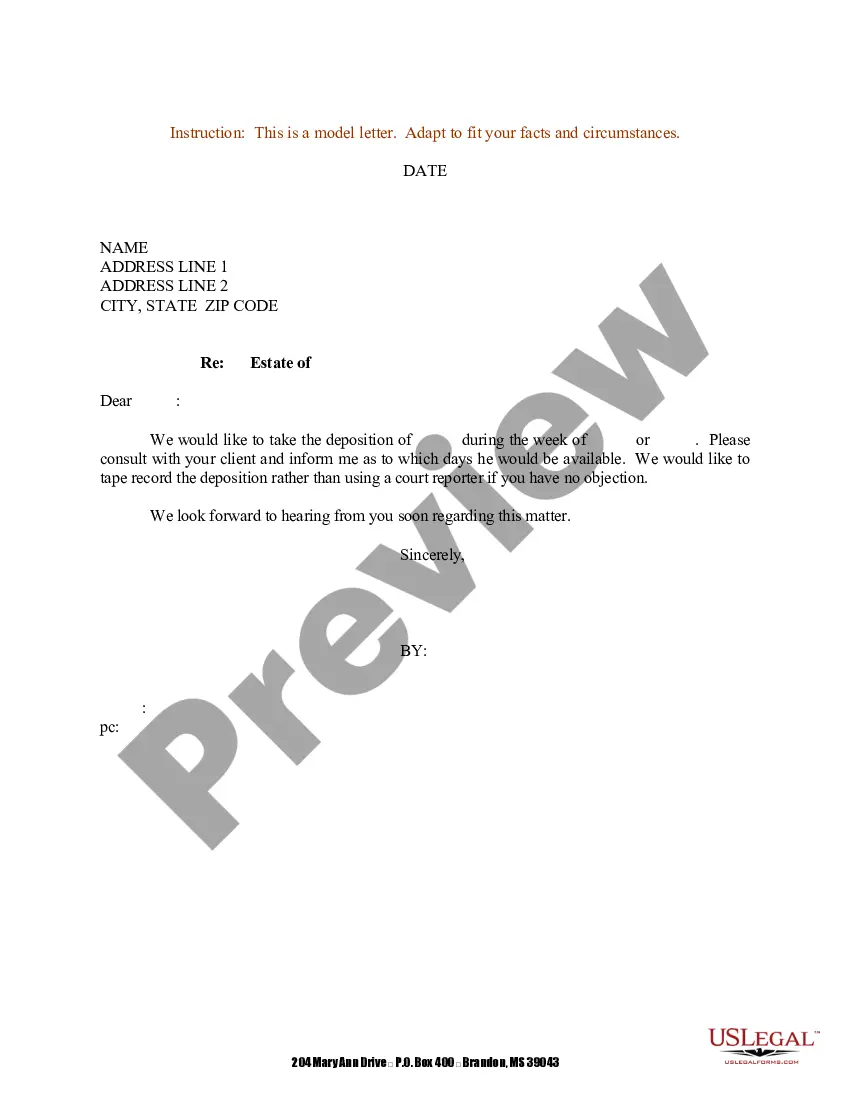
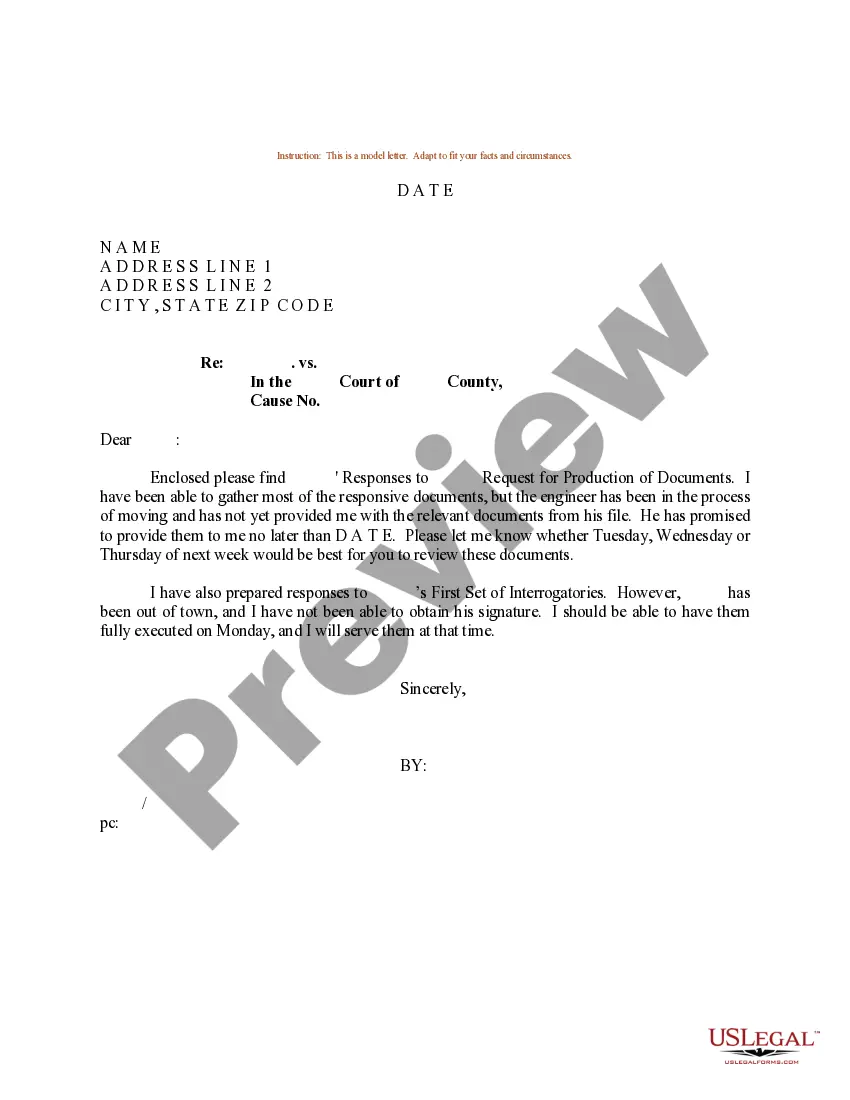
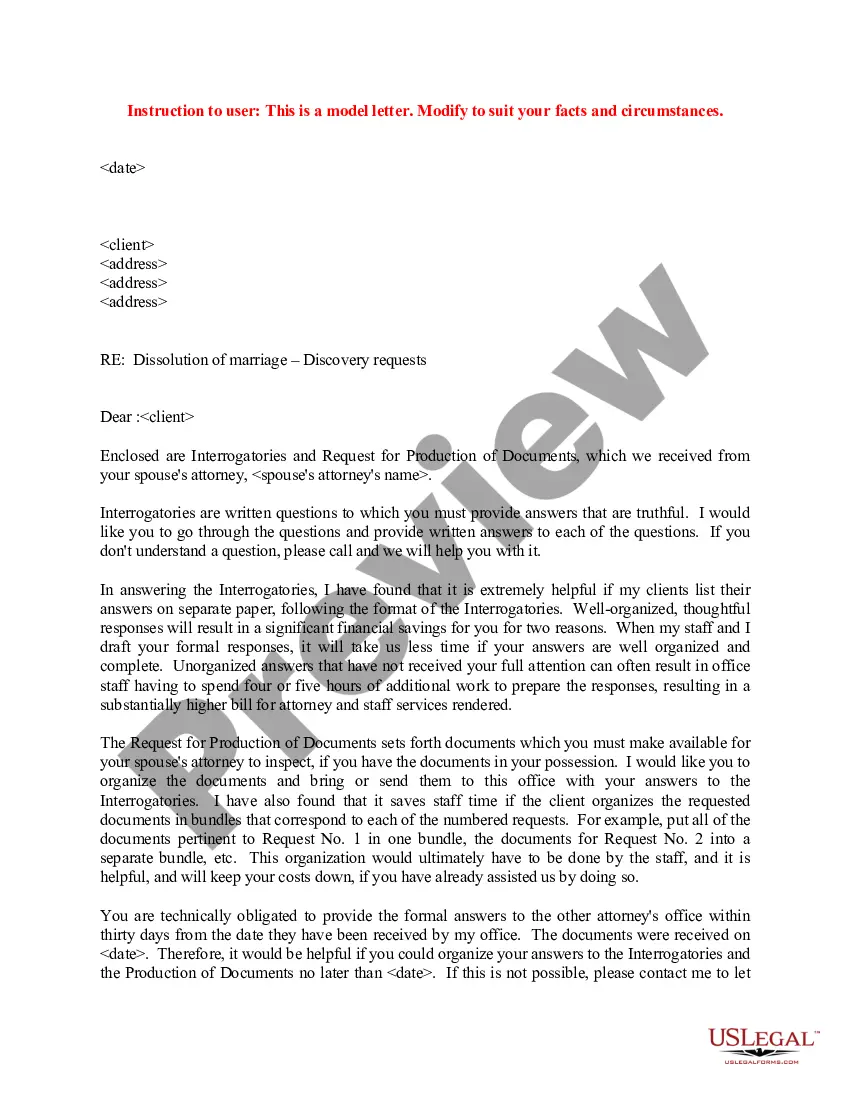
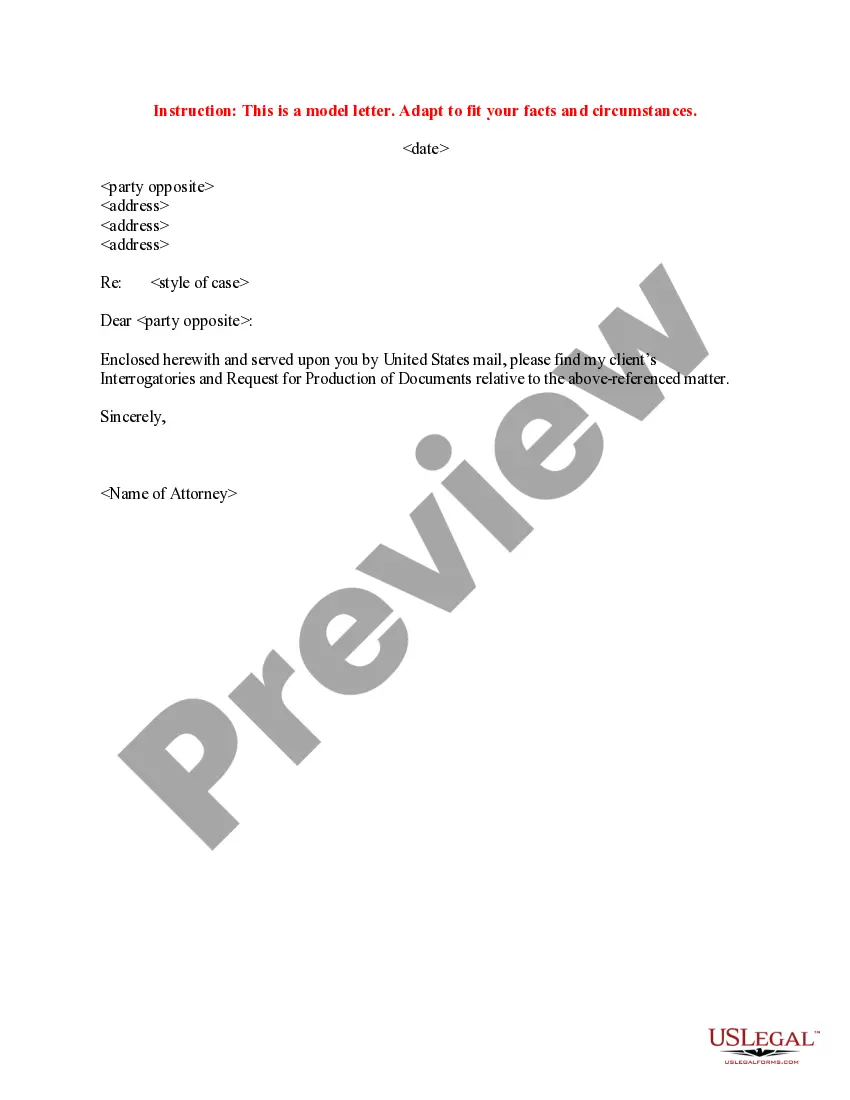
Get your form ready online
Our built-in tools help you complete, sign, share, and store your documents in one place.
Make edits, fill in missing information, and update formatting in US Legal Forms—just like you would in MS Word.
Download a copy, print it, send it by email, or mail it via USPS—whatever works best for your next step.
Sign and collect signatures with our SignNow integration. Send to multiple recipients, set reminders, and more. Go Premium to unlock E-Sign.
If this form requires notarization, complete it online through a secure video call—no need to meet a notary in person or wait for an appointment.
We protect your documents and personal data by following strict security and privacy standards.

Make edits, fill in missing information, and update formatting in US Legal Forms—just like you would in MS Word.

Download a copy, print it, send it by email, or mail it via USPS—whatever works best for your next step.

Sign and collect signatures with our SignNow integration. Send to multiple recipients, set reminders, and more. Go Premium to unlock E-Sign.

If this form requires notarization, complete it online through a secure video call—no need to meet a notary in person or wait for an appointment.

We protect your documents and personal data by following strict security and privacy standards.
Looking for another form?



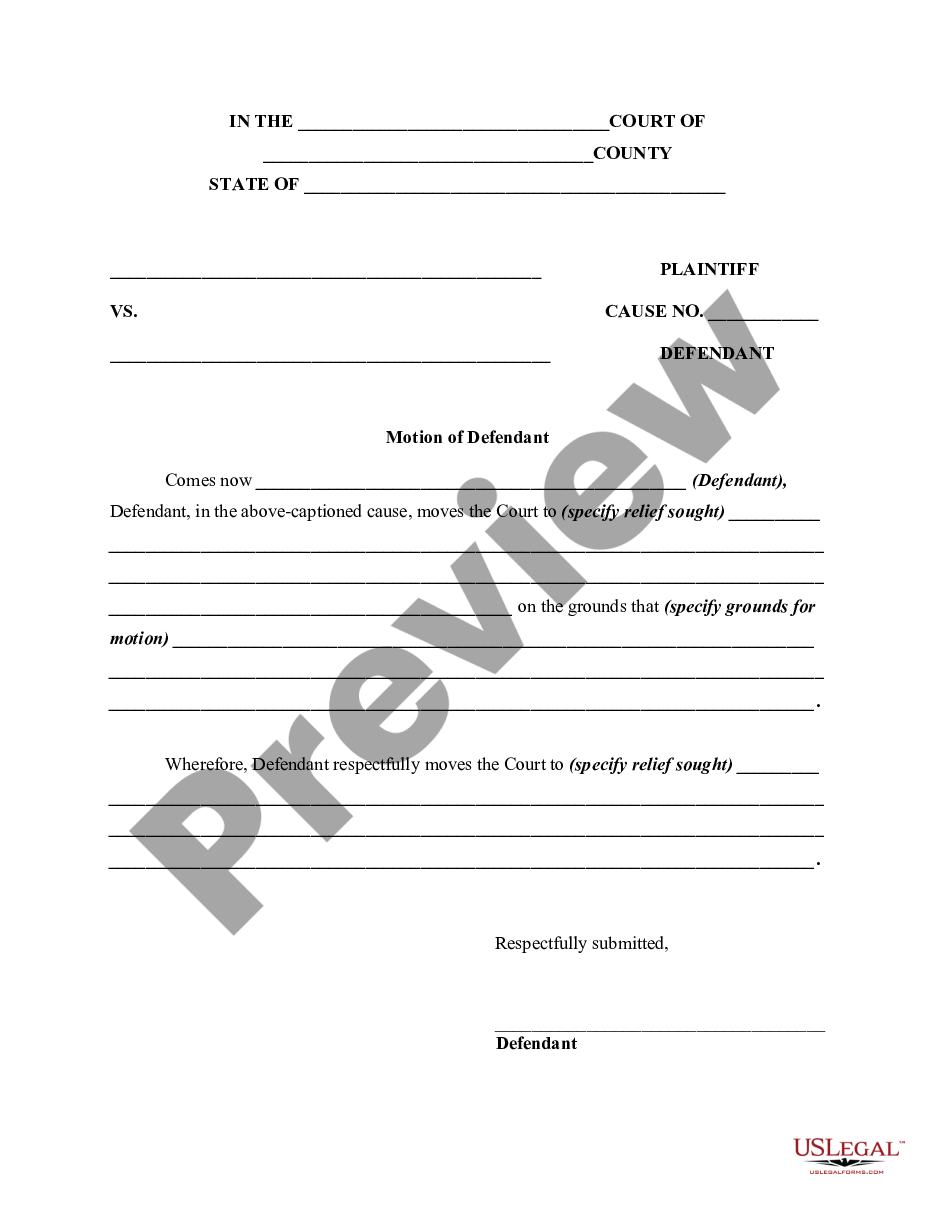
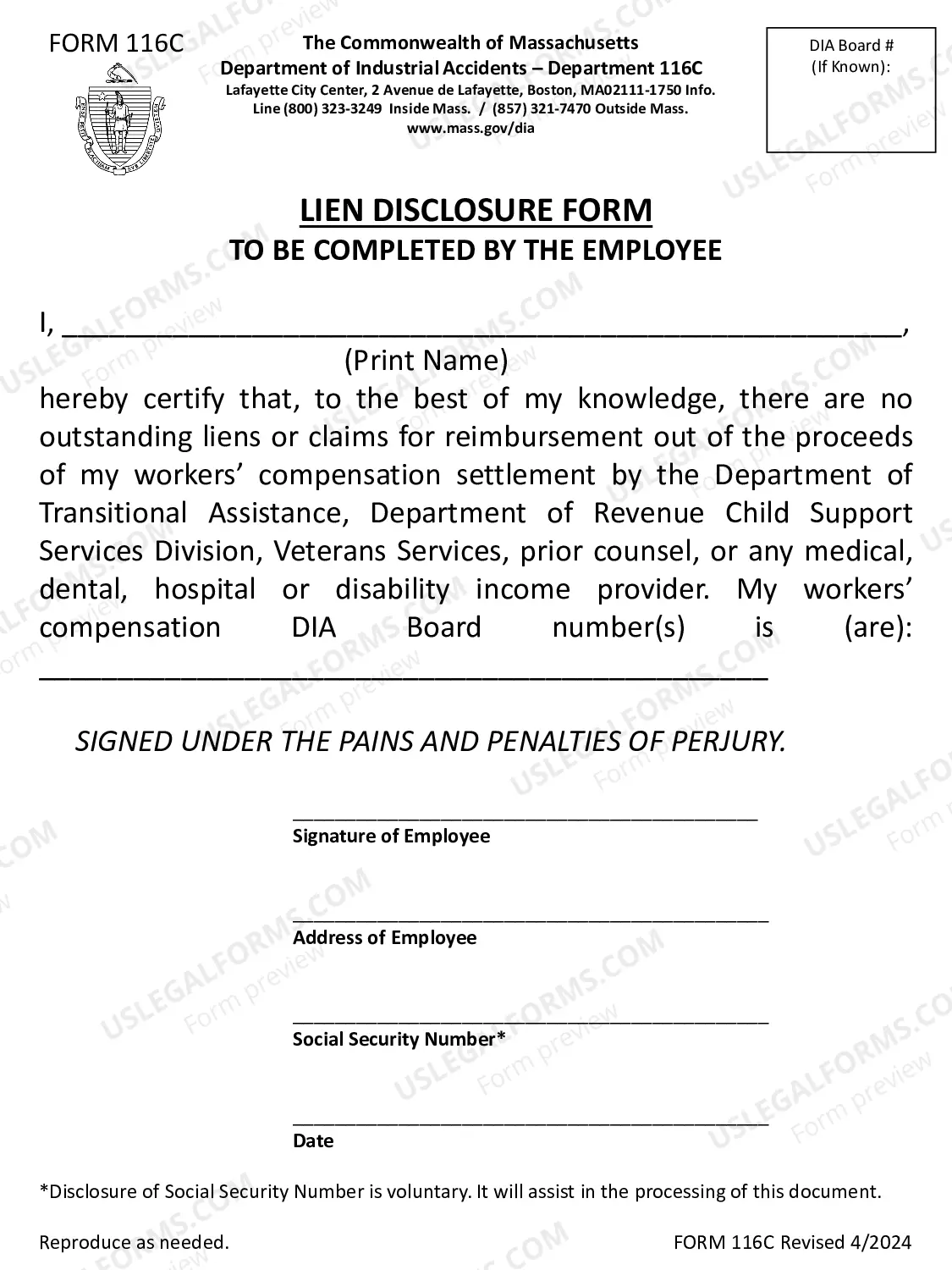
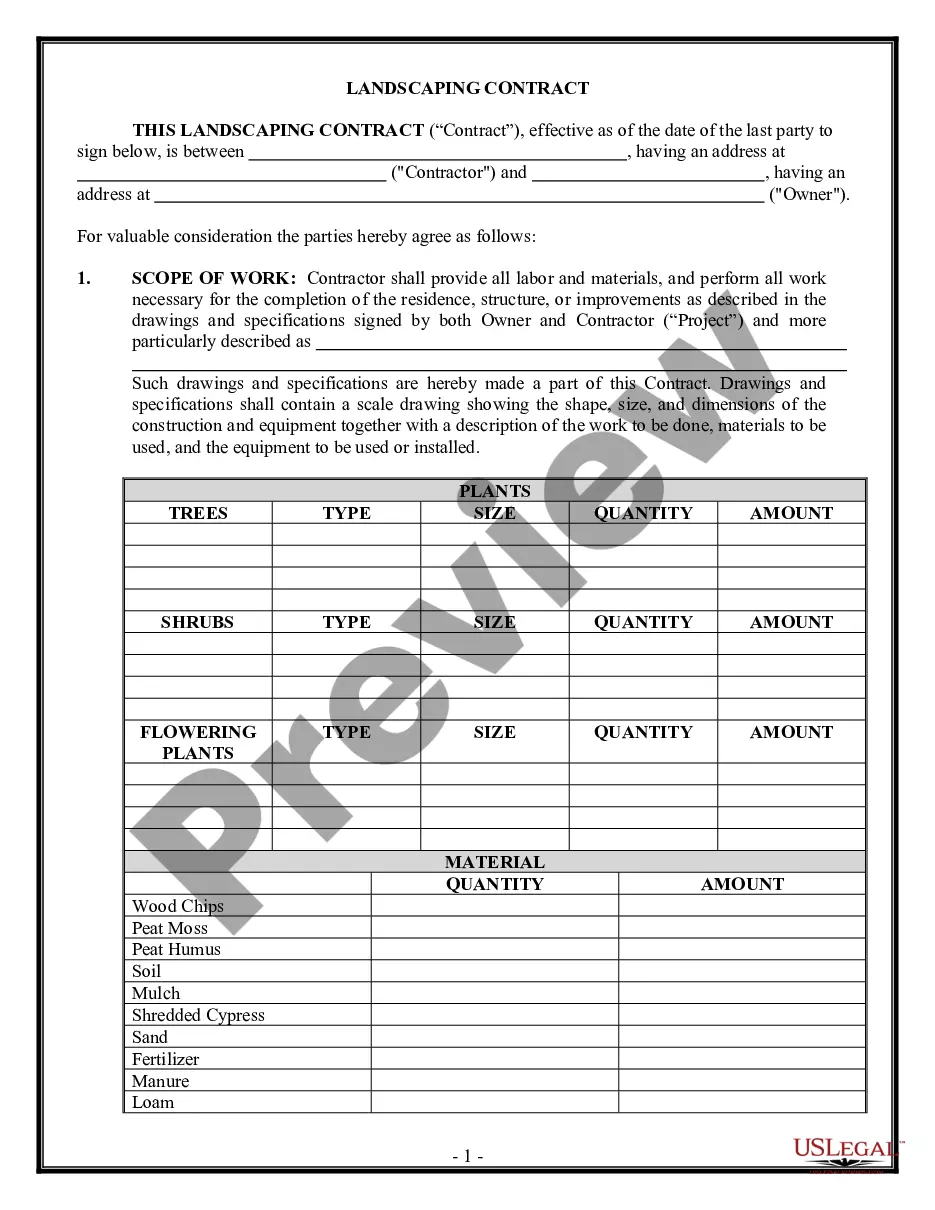
Form popularity
FAQ
The same principle that applies in inter- state cases applies in international cases. A U.S. subpoena generally can be served only within the United States. So, obtaining ev- idence abroad only rarely means serving a U.S. subpoena on a witness abroad.
Examinations for Discovery are a pre-trial proceeding which permits any party 1 to a civil lawsuit to obtain information about the case of any party who is adverse in interest to him.
After examinations for discovery conclude, the parties will attend mediation. Subject to certain exceptions, mediation is mandatory in Ontario.
Canada is now a party to Hague Convention. The Hague Convention Abolishing the Requirement of Legalisation for Foreign Public Documents (signed ) enters into force with regard to Canada on 11th of January 2024.
A discovery involves questioning of the parties to the lawsuit, namely the plaintiff, who is suing, and the defendant, who is being sued, by the opposing lawyers. Usually discoveries are conducted orally. In rare circumstances however, they may consist of a written exchange of questions and answers.
A discovery hearing is less formal and more private than a trial. As the name implies, it is a chance for each side to “discover” the other's case. Through this examination, we sometimes uncover important evidence that we can use to support your case.
All parties are entitled to attend. No judge is present. There are two broad purposes to the examination for discovery: (1) understanding the other side's case and (2) obtaining admissions helpful to the examining party that can subsequently be used at trial or on a motion, such as a summary judgment motion.
Discovery requests typically follow a common format that you can mirror. First, list instructions detailing the request for production. Be sure to mention Rule 34 and Rule 26(b), which outline the scope of the discovery request. It's also necessary to include a section with definitions.
Discovery requests typically follow a common format that you can mirror. First, list instructions detailing the request for production. Be sure to mention Rule 34 and Rule 26(b), which outline the scope of the discovery request. It's also necessary to include a section with definitions.
