Accept Resignation Letter With Regret In Palm Beach
Description
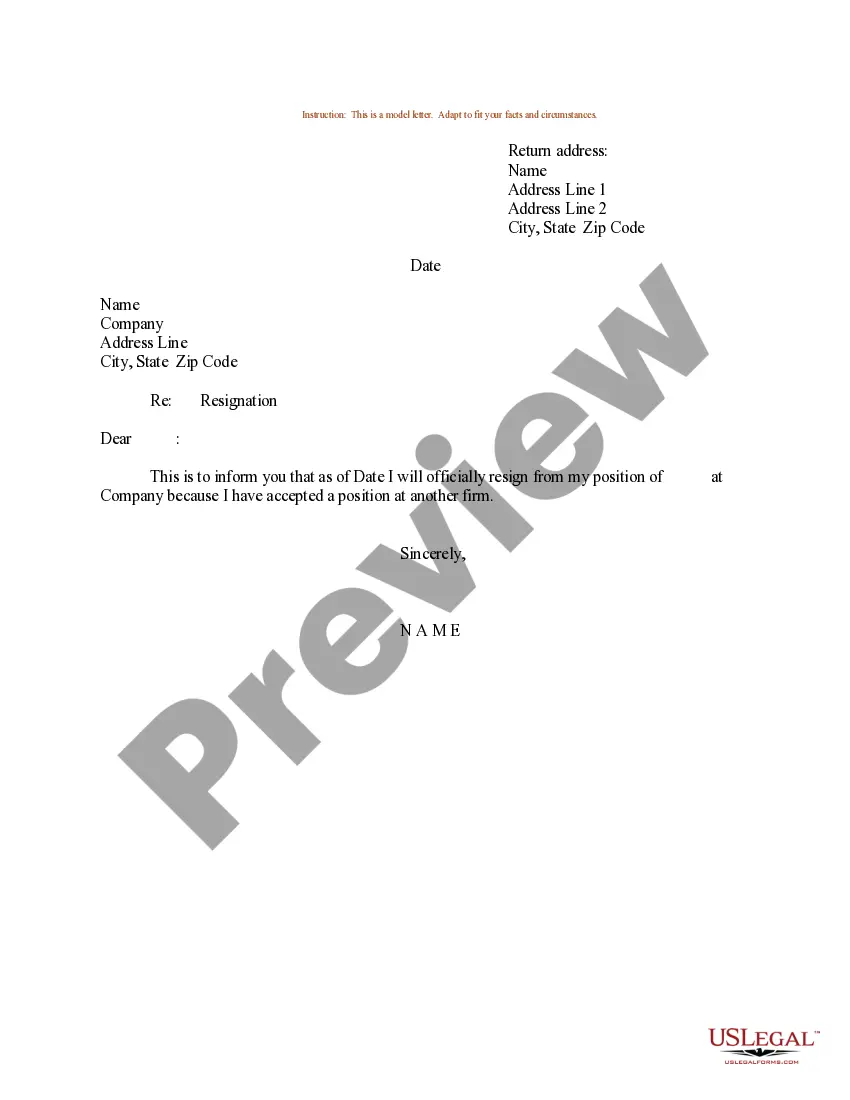
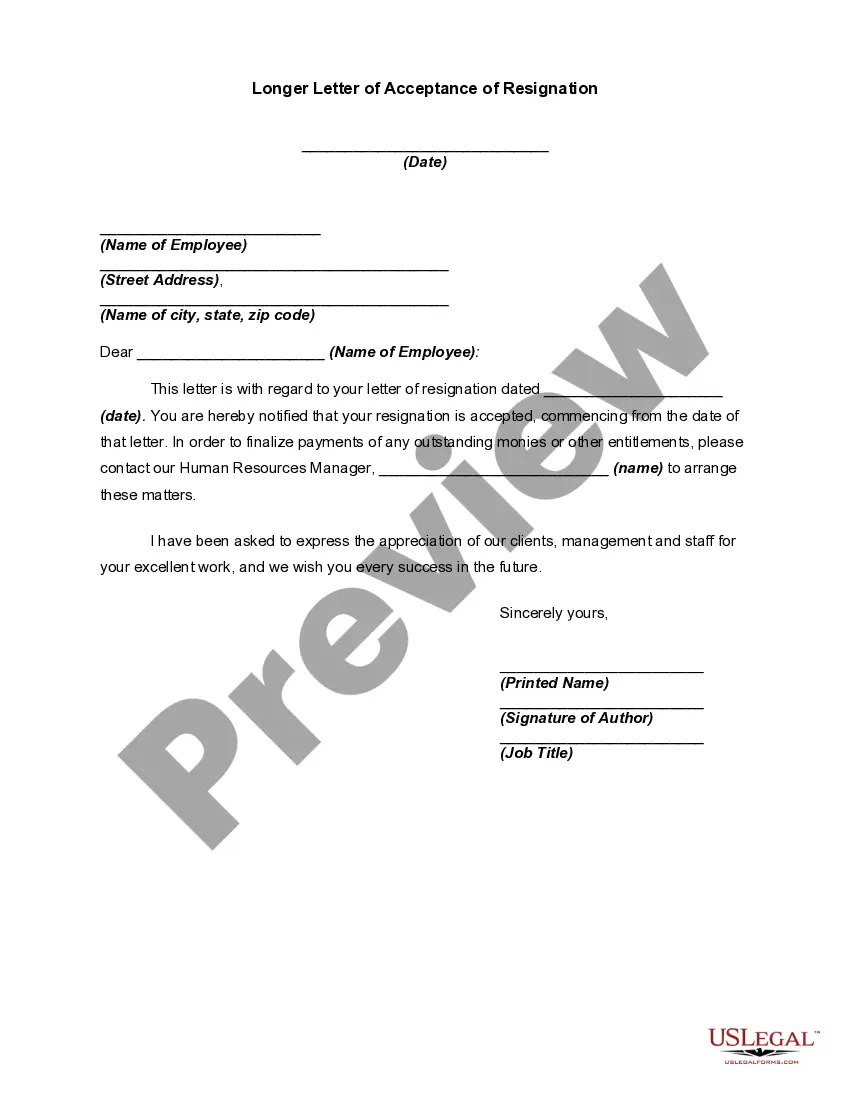

Get your form ready online
Our built-in tools help you complete, sign, share, and store your documents in one place.
Make edits, fill in missing information, and update formatting in US Legal Forms—just like you would in MS Word.
Download a copy, print it, send it by email, or mail it via USPS—whatever works best for your next step.
Sign and collect signatures with our SignNow integration. Send to multiple recipients, set reminders, and more. Go Premium to unlock E-Sign.
If this form requires notarization, complete it online through a secure video call—no need to meet a notary in person or wait for an appointment.
We protect your documents and personal data by following strict security and privacy standards.

Make edits, fill in missing information, and update formatting in US Legal Forms—just like you would in MS Word.

Download a copy, print it, send it by email, or mail it via USPS—whatever works best for your next step.

Sign and collect signatures with our SignNow integration. Send to multiple recipients, set reminders, and more. Go Premium to unlock E-Sign.

If this form requires notarization, complete it online through a secure video call—no need to meet a notary in person or wait for an appointment.

We protect your documents and personal data by following strict security and privacy standards.
Looking for another form?








Form popularity
FAQ
If the employer has not formally (in writing) accepted the resignation, the employee could argue that the resignation was never accepted, or that the resignation never happened. The employee could even argue that the resignation was actually a termination and then file for unemployment.
#1 Use formal language. #2 State a clear response. #3 Express understanding. #4 Show gratitude. #5 Outline the next steps clearly. #6 Wish them well.
It is with a heavy heart that we acknowledge and accept your resignation letter, Employee Name. It's unfortunate that the conflicts with your management and colleagues have contributed to your decision to resign, and we genuinely regret that the circumstances have led to this outcome.
Before responding to a negative resignation, it's essential to understand the underlying reasons for the employee's unhappiness. Whilst it may not be possible to change their mind, gaining insights into their concerns can provide valuable feedback for improving workplace practices and retaining talent in the future.
Say: “Thanks for your contributions – I wish you the best.” It's important to still wish employees well even when you're happy to see them go. Ask the same questions you always would through the exit process. Say: “Sorry things didn't work out as you'd hoped.”
Responding with Professionalism…. Acknowledge the employee's decision. Thank them for their contributions/efforts…. ( ... Ask about the comments/concerns they raised in their resignation: If possible, ask about the reasons behind their resignation in a non-confrontational manner.
How to write a resignation letter when you're unhappy with management Start with a date and time. Use a formal address. Detail the exact date you plan to leave. Explain your reason for resigning. Express your gratitude. Discuss transitioning your responsibilities. Request a recommendation letter for future employers.
If you're wanting to write a heartfelt resignation letter, here are some steps you can take: Address your letter. Explain why you're writing. Give information about your preparation to leave. Express your gratitude for the opportunity. Thank the employer and express your desire to stay in touch.

