Arbitration Agreement In Nevada
Description

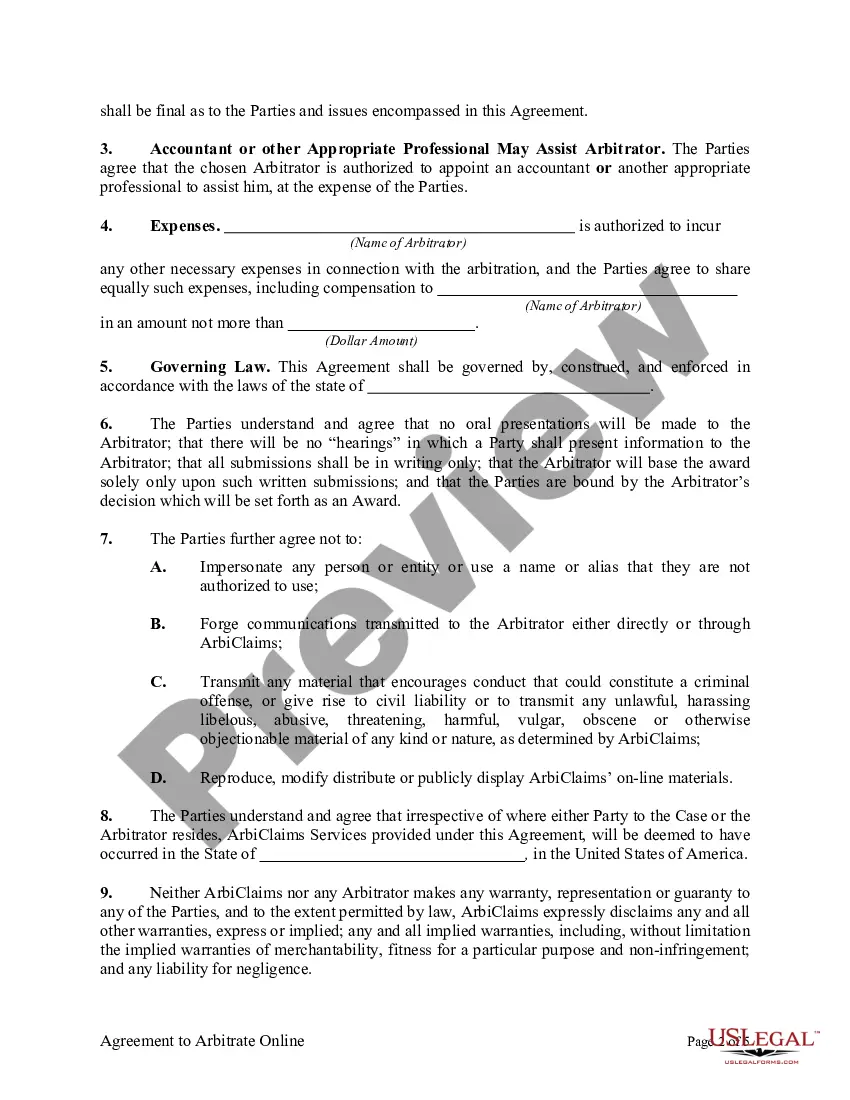
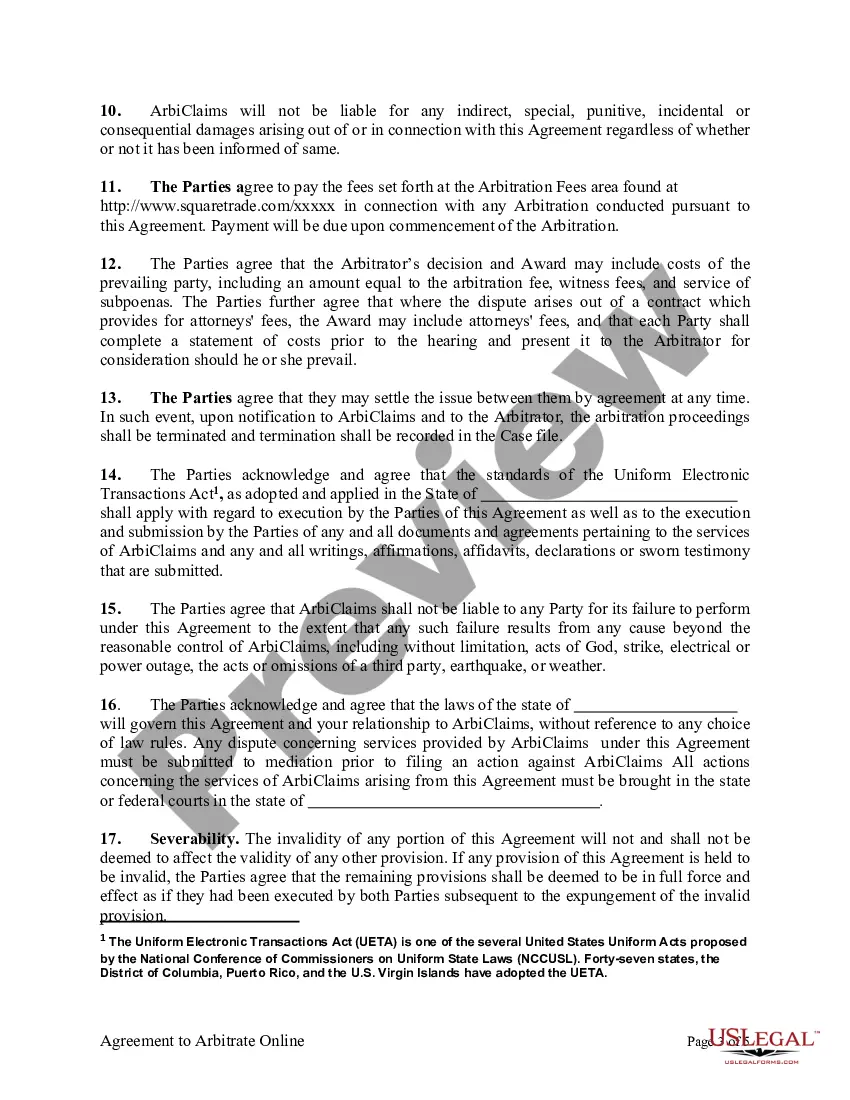




Get your form ready online
Our built-in tools help you complete, sign, share, and store your documents in one place.
Make edits, fill in missing information, and update formatting in US Legal Forms—just like you would in MS Word.
Download a copy, print it, send it by email, or mail it via USPS—whatever works best for your next step.
Sign and collect signatures with our SignNow integration. Send to multiple recipients, set reminders, and more. Go Premium to unlock E-Sign.
If this form requires notarization, complete it online through a secure video call—no need to meet a notary in person or wait for an appointment.
We protect your documents and personal data by following strict security and privacy standards.

Make edits, fill in missing information, and update formatting in US Legal Forms—just like you would in MS Word.

Download a copy, print it, send it by email, or mail it via USPS—whatever works best for your next step.

Sign and collect signatures with our SignNow integration. Send to multiple recipients, set reminders, and more. Go Premium to unlock E-Sign.

If this form requires notarization, complete it online through a secure video call—no need to meet a notary in person or wait for an appointment.

We protect your documents and personal data by following strict security and privacy standards.
Looking for another form?
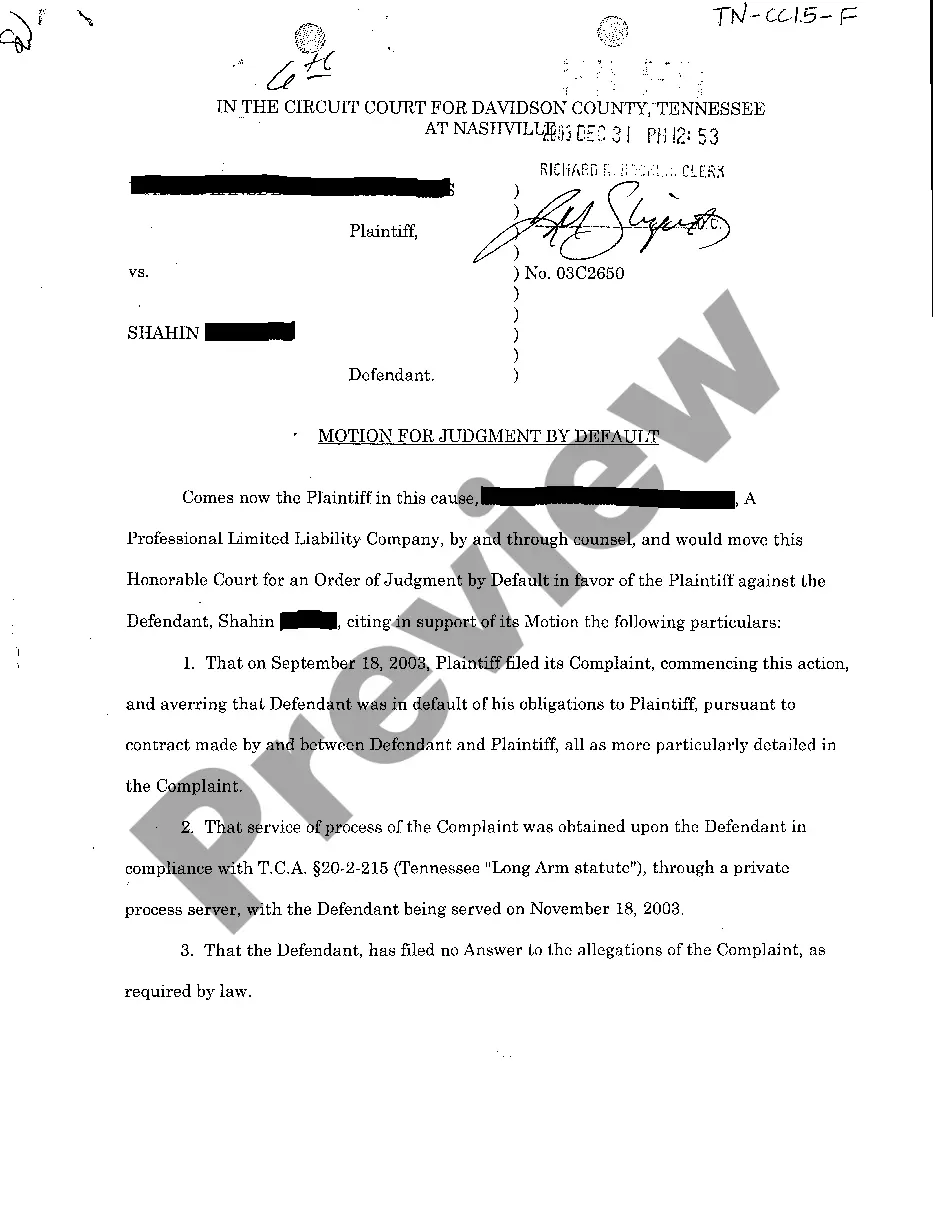






Form popularity
FAQ
Businesses that are party to an arbitration agreement governed by Nevada law should understand that a little-known Nevada statute renders these agreements unenforceable if a contract lacks so-called “specific authorization” indicating that a person affirmatively assented to the arbitration provision itself.
Yes. The Federal Arbitration Act, or FAA, was passed in 1925 in response to a variety of court decisions that held arbitration agreements unenforceable. This law provides that arbitration agreements are generally valid and enforceable.
As a general rule, only strong evidence of duress or fraud are sufficient to invalidate an arbitration clause.
Unconscionability requires a showing of both a procedural and substantive defect in the document for the agreement to be rendered unenforceable by the court. Procedural unconscionability results from oppression or unfair surprise to one party caused by unequal bargaining power.
These agreements typically mean that arbitration is the first recourse in resolving a dispute, but certain circumstances, such as procedural irregularities in the arbitration process or an arbitrator's conflict of interest, can still lead to court interventions.
In general, a Request for Arbitration or a Notice of Arbitration must contain the names of each of the parties, the names of the parties' representatives, a description of the dispute giving rise to claims, a statement of the relief sought, a description of the agreement containing the arbitration clause, the choice of ...
The Request must: be written in English, French or Spanish (the official languages of the Centre) include the name and contact details of all parties (including e-mail, street address and telephone number) be signed and dated by the requesting party or its representative.
The arbitration agreement must be contained in either a written document signed (including every adequate form of electronic signature) by the parties or in an exchange of letters, faxes, e-mails, or other forms of communication exchanged between the parties that provides proof of the existence of the agreement.
Outline a concise factual background and then move on to a discussion of the issues at the heart of the case. Your arguments should flow easily from the relevant facts and applicable law. And, by all means, avoid exaggeration of the strengths of your case as well as disparagement of the opposing side.
A claimant will typically start arbitration by sending a document known as a “request for arbitration” or a “notice to arbitrate” to its opponent.
