Agreement Form For Employee In Alameda
Description

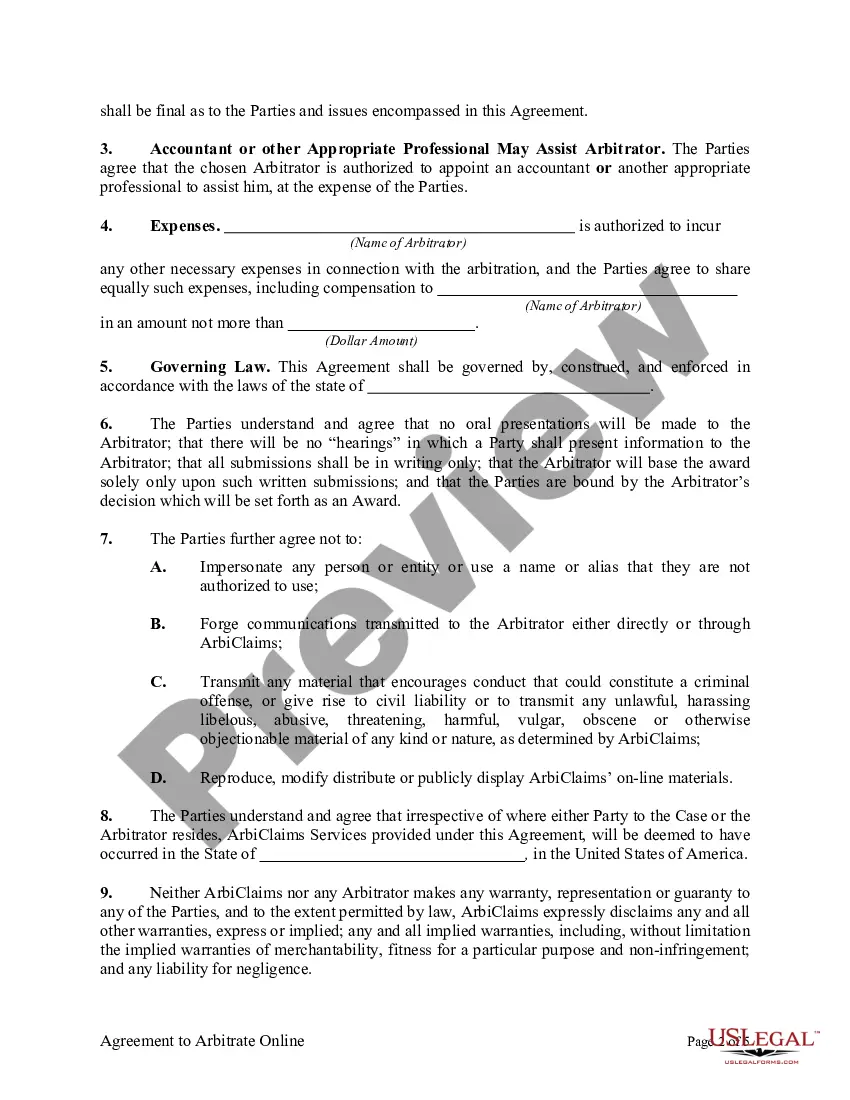
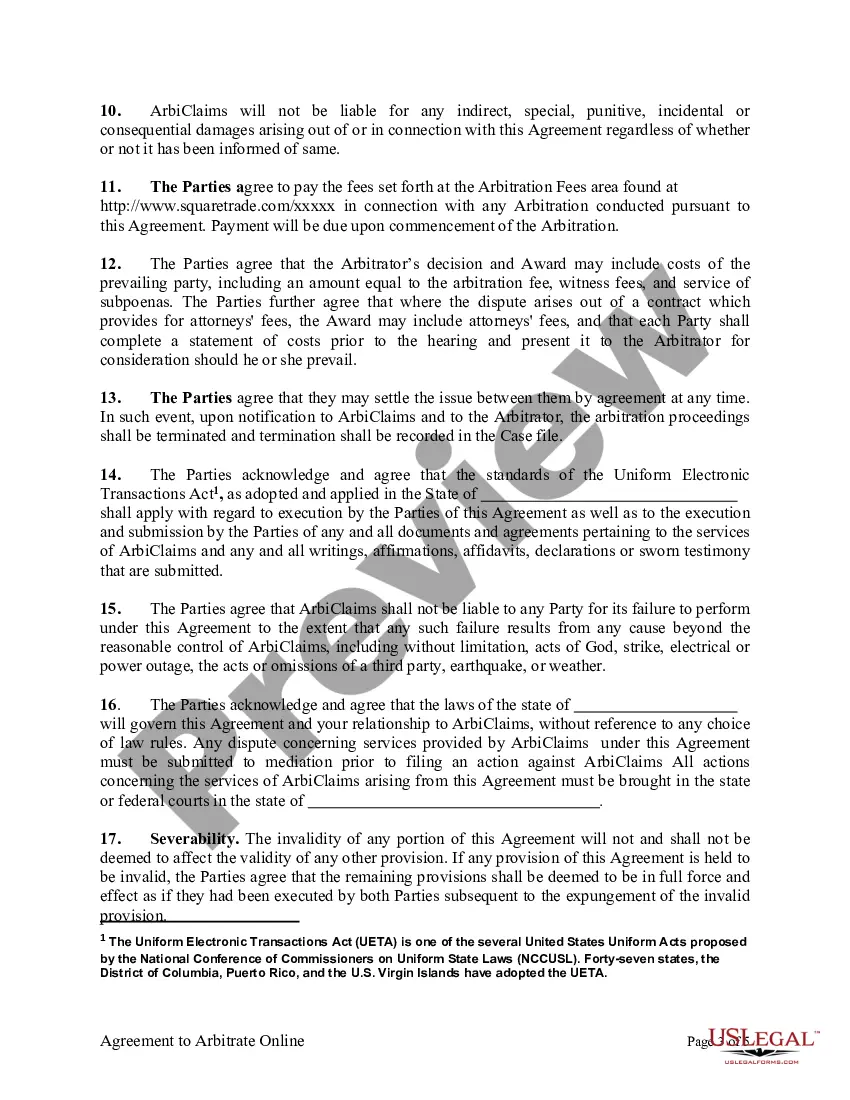




Get your form ready online
Our built-in tools help you complete, sign, share, and store your documents in one place.
Make edits, fill in missing information, and update formatting in US Legal Forms—just like you would in MS Word.
Download a copy, print it, send it by email, or mail it via USPS—whatever works best for your next step.
Sign and collect signatures with our SignNow integration. Send to multiple recipients, set reminders, and more. Go Premium to unlock E-Sign.
If this form requires notarization, complete it online through a secure video call—no need to meet a notary in person or wait for an appointment.
We protect your documents and personal data by following strict security and privacy standards.

Make edits, fill in missing information, and update formatting in US Legal Forms—just like you would in MS Word.

Download a copy, print it, send it by email, or mail it via USPS—whatever works best for your next step.

Sign and collect signatures with our SignNow integration. Send to multiple recipients, set reminders, and more. Go Premium to unlock E-Sign.

If this form requires notarization, complete it online through a secure video call—no need to meet a notary in person or wait for an appointment.

We protect your documents and personal data by following strict security and privacy standards.
Looking for another form?
Form popularity
FAQ
How to write an employment contract Title the employment contract. Identify the parties. List the term and conditions. Outline the job responsibilities. Include compensation details. Use specific contract terms. Consult with an employment lawyer.
An employment agreement is a contract between an employer and an employee that defines the terms and conditions of employment. An employment agreement, or workplace agreement, solidifies the working relationship between the employer and employee by outlining both parties' rights, responsibilities, and expectations.
An employment agreement is a contract between an employer and an employee that defines the terms and conditions of employment. An employment agreement, or workplace agreement, solidifies the working relationship between the employer and employee by outlining both parties' rights, responsibilities, and expectations.
An agreement can be informal or it may be written; a contract may be verbal or written, but a contract will always be enforceable if it contains certain requirements. Modern contract management software takes an agreement and puts in the legal requirements that formally turn an agreement into a contract.
Employment or employee contracts are typically formal, legally binding written documents that specify the terms and conditions of an employment relationship. They often include clauses regarding confidentiality, non-compete and non-solicitation agreements, and termination clauses.
How to write a letter of agreement Title the document. Add the title at the top of the document. List your personal information. Include the date. Add the recipient's personal information. Address the recipient. Write an introduction paragraph. Write your body. Conclude the letter.
A contract of employment is a formal legal agreement between an employee and the employer. It's usually drafted by legal professionals to specify the conditions of employment and the responsibilities of each party. Employment contracts are typically signed when an employee is hired or their position is renewed.
An employment agreement, often known as an employment contract or job contract, is a legally binding document that establishes the terms of the employment relationship between an employer and their employee.
Employment contracts are legally binding documents that employers and employees agree to. This reduces the chances that one party will take legal action later on. Your employment contract lets employees know exactly what is expected of them and what actions will be taken if they don't comply.
EMPLOYMENT AGREEMENT. This agreement lays down the terms of employment, agreed upon by the employer and employee. Whether stated explicitly in the agreement or not, both the employee and the employer have the duty of mutual confidence and trust, and to make only lawful and reasonable demands on each other.