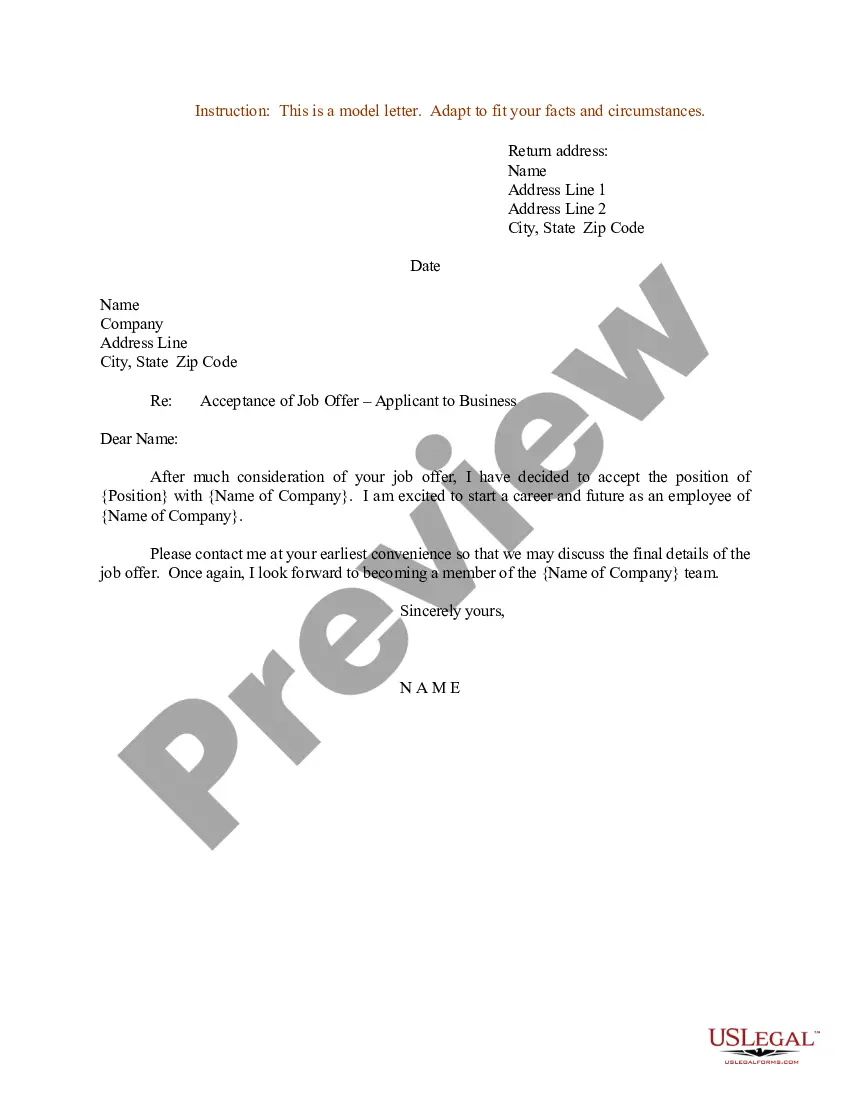
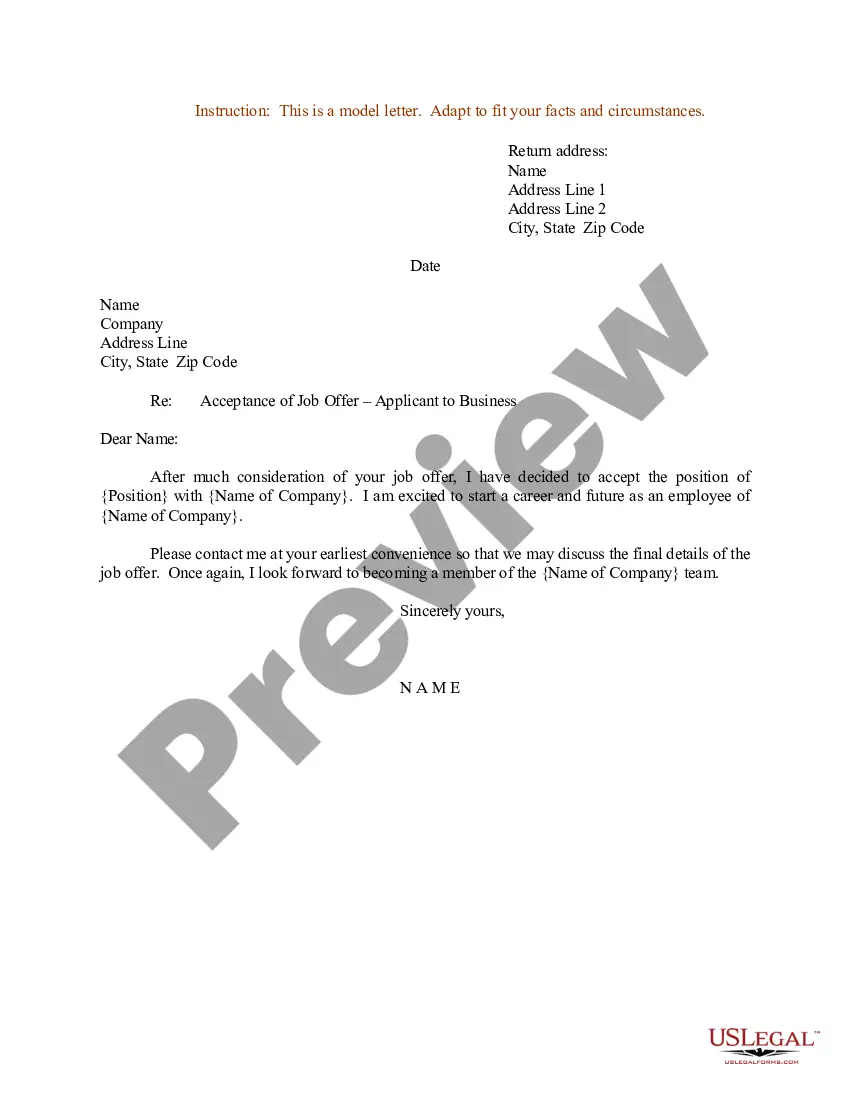
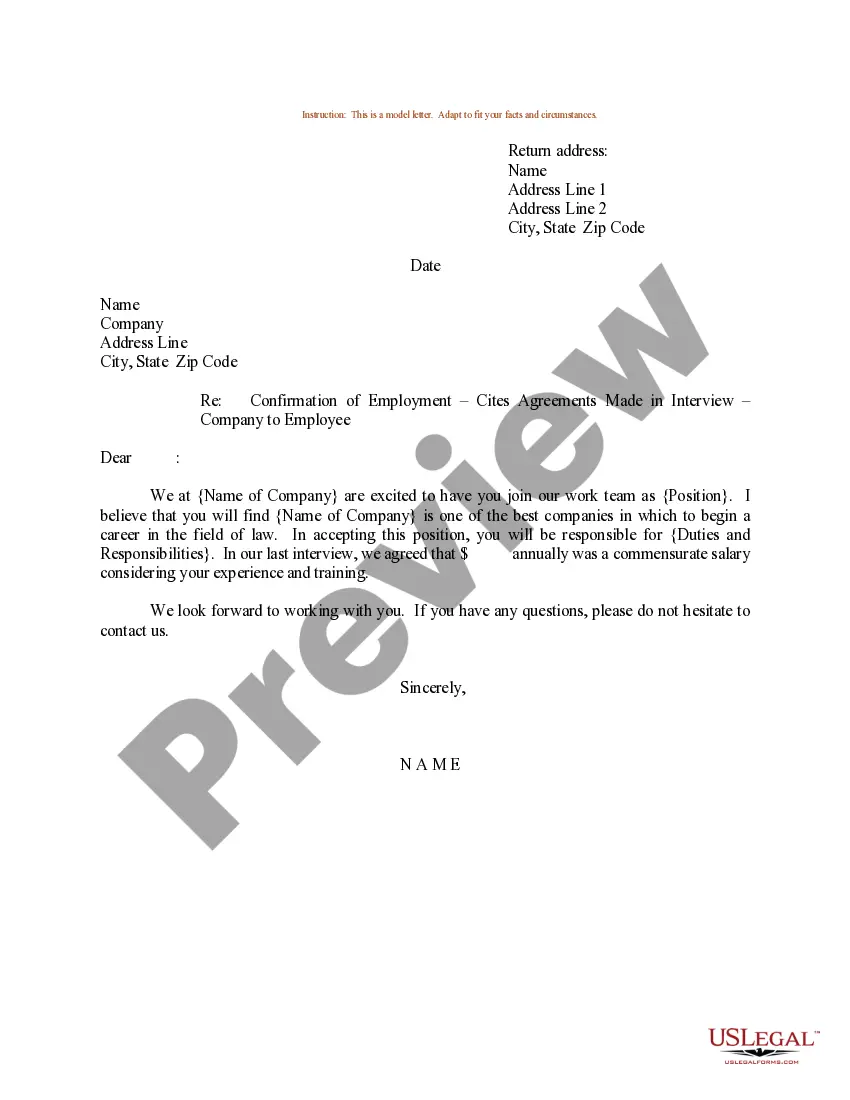
Letter Job Offer Sample With Resume In Sacramento
Description

Get your form ready online
Our built-in tools help you complete, sign, share, and store your documents in one place.
Make edits, fill in missing information, and update formatting in US Legal Forms—just like you would in MS Word.
Download a copy, print it, send it by email, or mail it via USPS—whatever works best for your next step.
Sign and collect signatures with our SignNow integration. Send to multiple recipients, set reminders, and more. Go Premium to unlock E-Sign.
If this form requires notarization, complete it online through a secure video call—no need to meet a notary in person or wait for an appointment.
We protect your documents and personal data by following strict security and privacy standards.

Make edits, fill in missing information, and update formatting in US Legal Forms—just like you would in MS Word.

Download a copy, print it, send it by email, or mail it via USPS—whatever works best for your next step.

Sign and collect signatures with our SignNow integration. Send to multiple recipients, set reminders, and more. Go Premium to unlock E-Sign.

If this form requires notarization, complete it online through a secure video call—no need to meet a notary in person or wait for an appointment.

We protect your documents and personal data by following strict security and privacy standards.
Looking for another form?
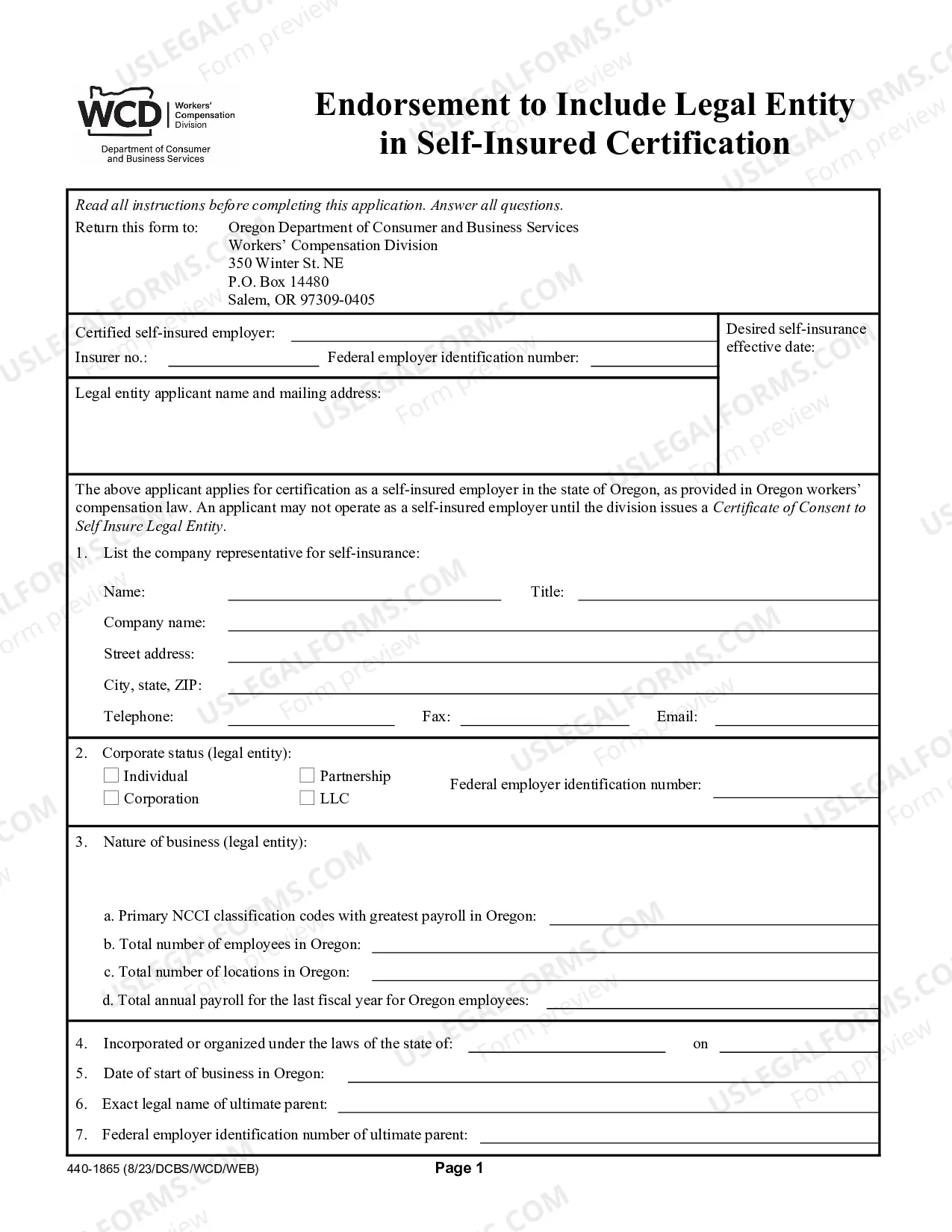





Form popularity
FAQ
How to email a resume Follow instructions. Attach a file. Write a clear subject line. Consider adding a cover letter. Send from a professional email address. Conclude with a proper signature. Proofread and send a test email.
Generally, not submitting a resume when applying for a job is likely to result in your application being disregarded. Employers use resumes to assess candidates' qualifications and experiences, so it is essential to include one unless the job application explicitly states otherwise.
You can send your resume/CV to a potential employer via email, through online job application systems, or by uploading it to a company's career portal. Ensure you follow any specific instructions provided in the job listing.
Contrary to popular belief, a resume is not a necessity during the application process for your first job. Many people erroneously believe that without a resume, the employer will automatically discard your application and won't even consider you for the position. Fortunately, this is not true.
Generally, not submitting a resume when applying for a job is likely to result in your application being disregarded. Employers use resumes to assess candidates' qualifications and experiences, so it is essential to include one unless the job application explicitly states otherwise.
Yes, you should typically include a resume when submitting a job application. The resume provides a comprehensive overview of your work experience, skills, and qualifications, which can enhance your application. Some job applications may specifically request a resume, while others may not mention it explicitly.
Traditional online job applications and conventional interviews more often than not they will ask for a resume.
Its purpose is to introduce yourself, highlight one to three key achievements or skills as it relates to the job description, and explain why you are interested in that position/division/organization. Research the organization/division to see how your experience, skills, and abilities meet its needs.
Locate your resume file on your computer's hard drive. Click on the file's name to select it for attachment. Click the "Attach" or "Upload" button in the dialog box to add the resume to your online application. Confirm that your resume is attached to your application.
How should you name your resume file? Include your full name: This identifies you clearly. Mention the job title: Shows relevance and targeted application. Use relevant keywords: Align with the job description and potential ATS filters. Keep it concise and professional: Avoid jargon, emojis, or excessive capitalization.

