Offer Letter Withdrawal In Oakland
Description
Get your form ready online
Our built-in tools help you complete, sign, share, and store your documents in one place.
Make edits, fill in missing information, and update formatting in US Legal Forms—just like you would in MS Word.
Download a copy, print it, send it by email, or mail it via USPS—whatever works best for your next step.
Sign and collect signatures with our SignNow integration. Send to multiple recipients, set reminders, and more. Go Premium to unlock E-Sign.
If this form requires notarization, complete it online through a secure video call—no need to meet a notary in person or wait for an appointment.
We protect your documents and personal data by following strict security and privacy standards.

Make edits, fill in missing information, and update formatting in US Legal Forms—just like you would in MS Word.

Download a copy, print it, send it by email, or mail it via USPS—whatever works best for your next step.

Sign and collect signatures with our SignNow integration. Send to multiple recipients, set reminders, and more. Go Premium to unlock E-Sign.

If this form requires notarization, complete it online through a secure video call—no need to meet a notary in person or wait for an appointment.

We protect your documents and personal data by following strict security and privacy standards.
Looking for another form?





Form popularity
FAQ
Some important details about an offer letter are: It is NOT a legally binding contract. It does NOT include promises of future employment or wages. It includes an employment “at-will” statement.
The rescinded formal offer of employment should be provided both verbally and in writing and inform the applicant of their right to appeal the rescission by filing a merit issue complaint with the appointing power pursuant to California Code of Regulations, title 2, section 66.1.
In most cases, yes—at-will employment laws allow employers to terminate an employee or rescind a job offer to a prospective employee for any legal reason. Torres says some of the most common legal reasons for employers rescinding a job offer include: Candidate dishonesty or misrepresentation. Failed background check.
Unless you're signing a contract of employment or are being given some kind of sign on bonus that needs to be repaid, there is nothing to stop you from accepting a job offer and then backing out.
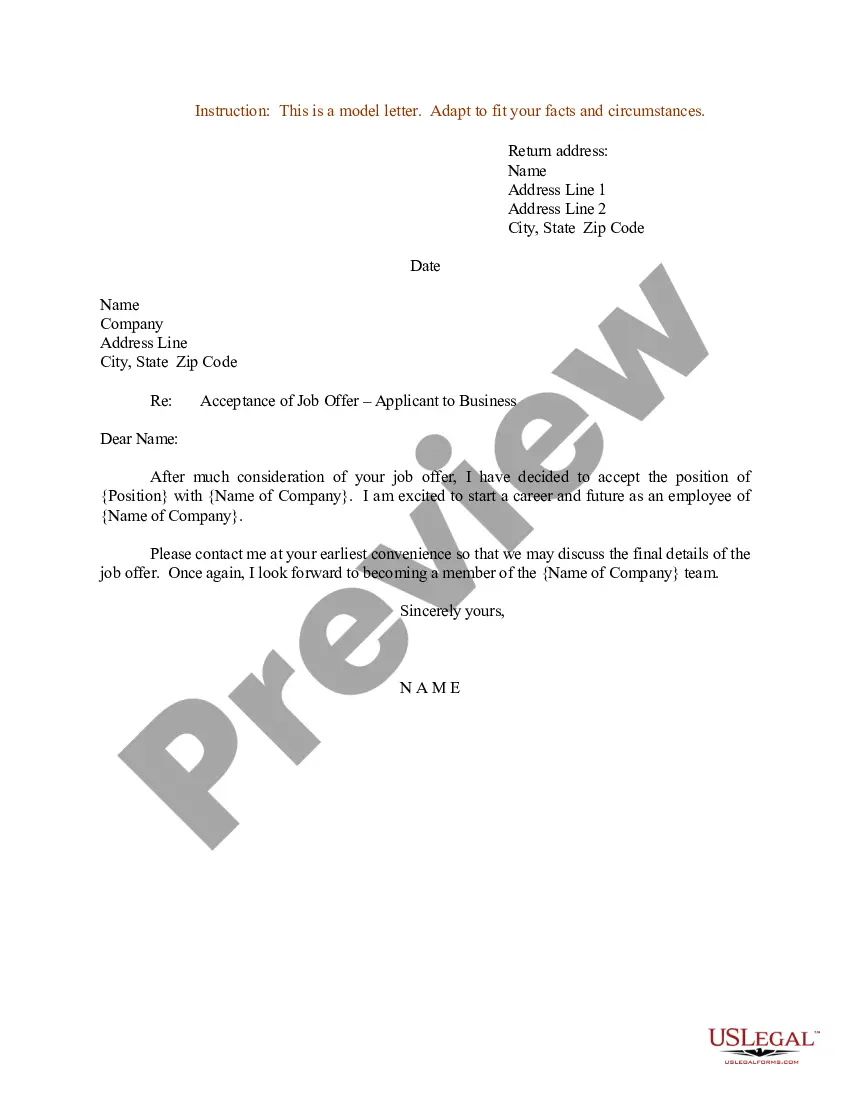
If the candidate has already accepted an unconditional offer, it's best to call them to discuss the withdrawal of the offer before you send them a formal letter. This is an opportunity to be open and honest about why you are making the tough decision. If it's an internal error, say so.
Some important details about an offer letter are: It is NOT a legally binding contract. It does NOT include promises of future employment or wages. It includes an employment “at-will” statement.
In general, it's legal for an employer to withdraw an offer of employment. Generally, when a job offer has been made, but you haven't accepted the offer, the offer can be rescinded.
Even though offer letters are not legally binding, you can use that to your advantage in a major way. You can negotiate certain elements of your offer letter, like your salary, even after you have signed your offer letter.
In most cases, yes—at-will employment laws allow employers to terminate an employee or rescind a job offer to a prospective employee for any legal reason. Torres says some of the most common legal reasons for employers rescinding a job offer include: Candidate dishonesty or misrepresentation. Failed background check.
Yes, you can reject a job offer after signing an offer letter, but there are some important considerations: Review the Offer Letter: Check if there are any clauses regarding withdrawal or the consequences of rejecting the offer after signing. Timing: If you decide to back out, do so as soon as possible.

