Letter To Accept School Offer In Minnesota
Description
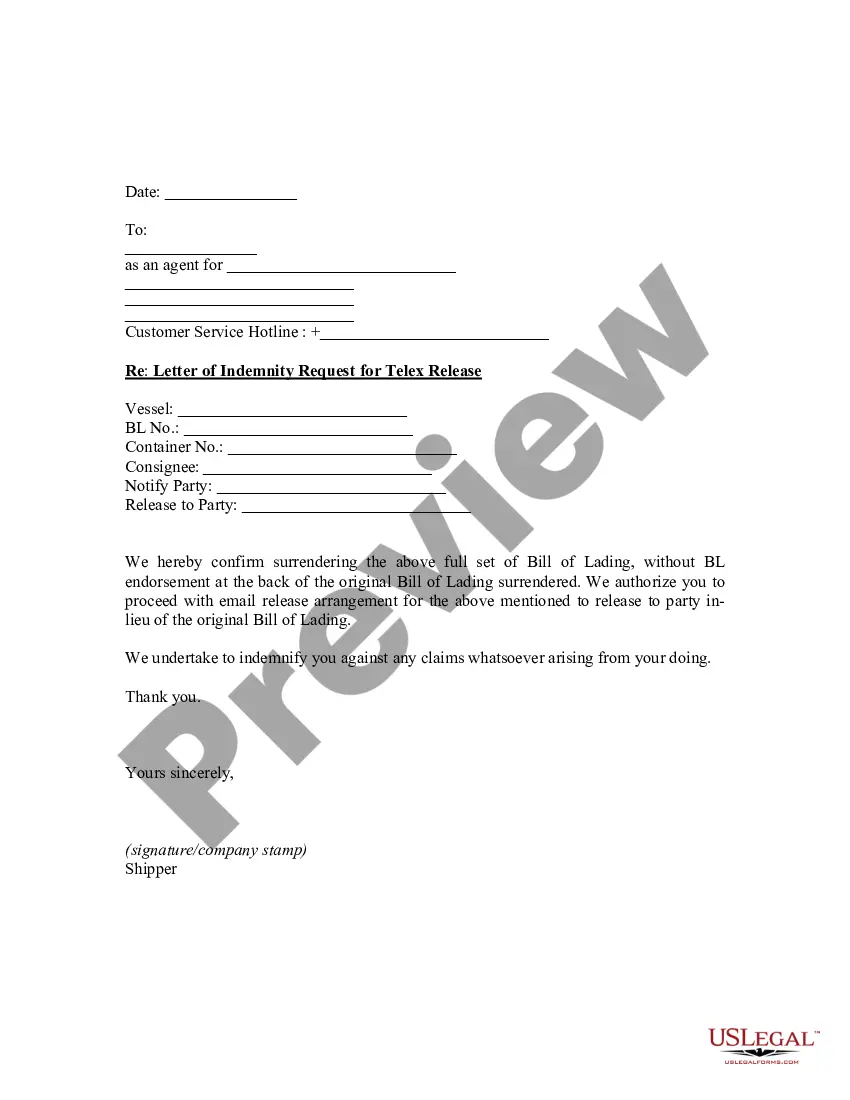
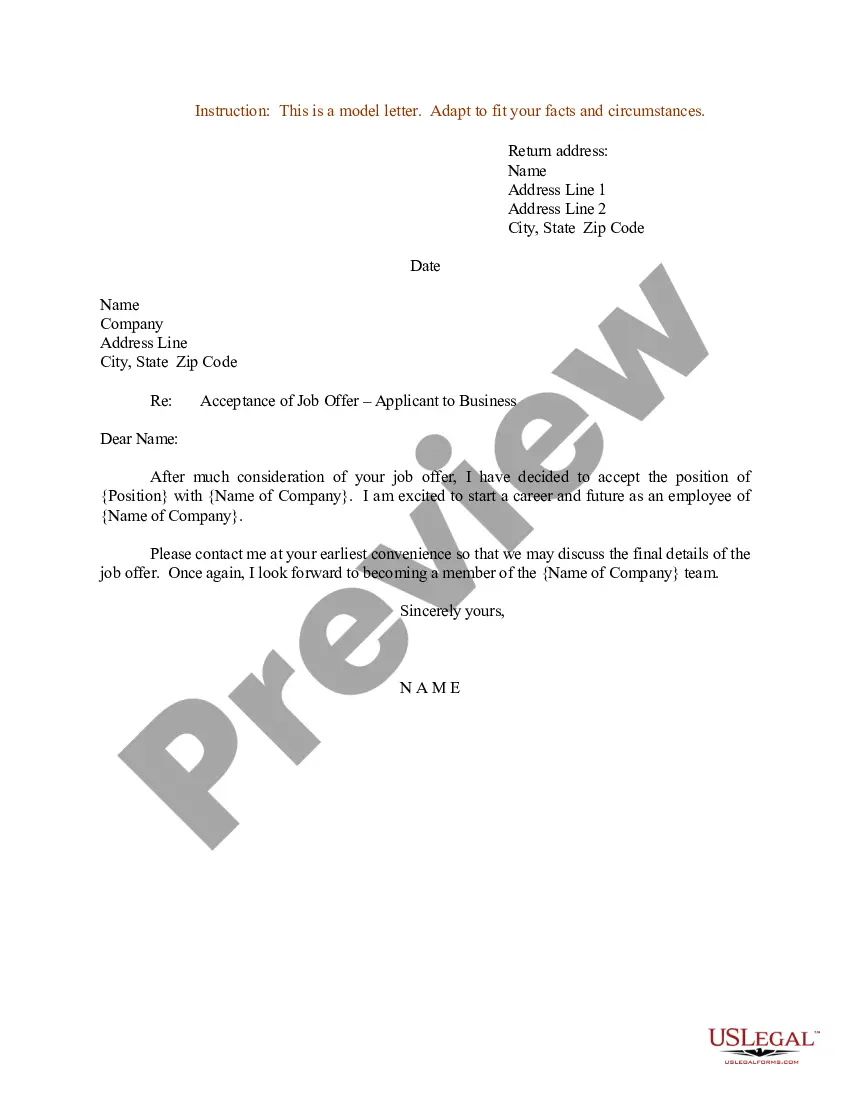
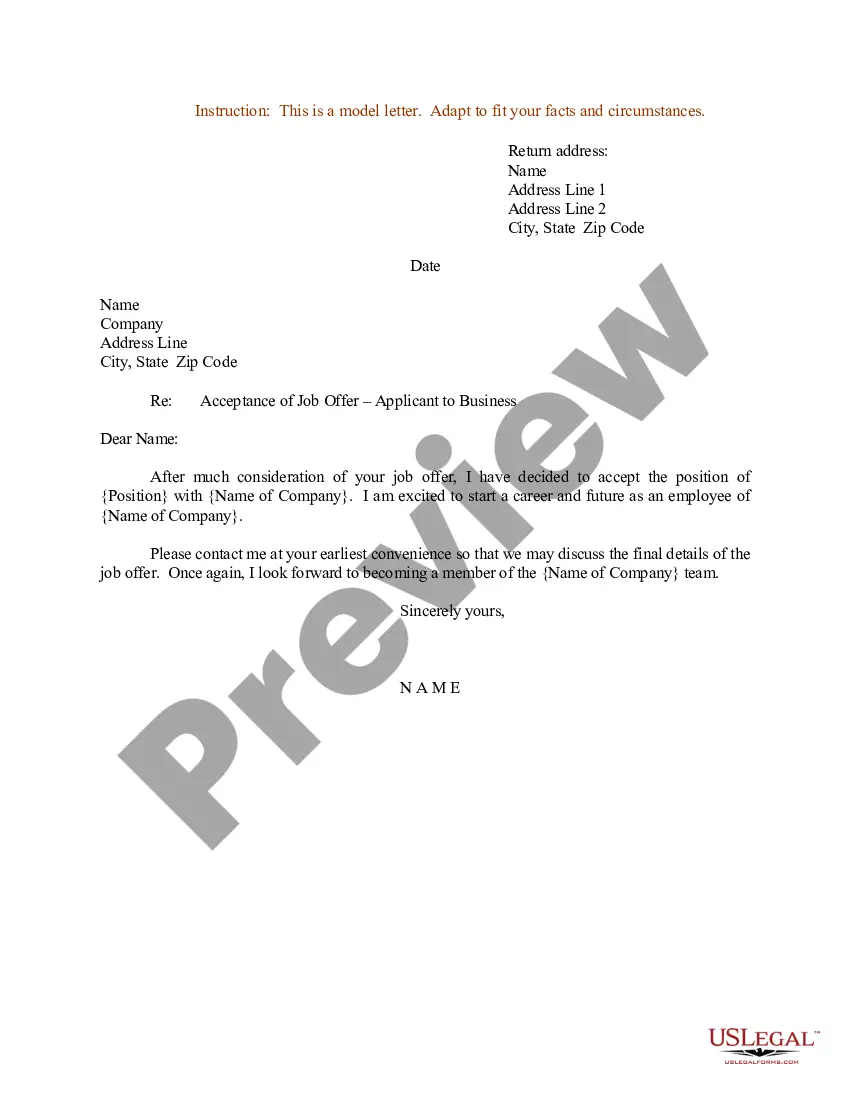
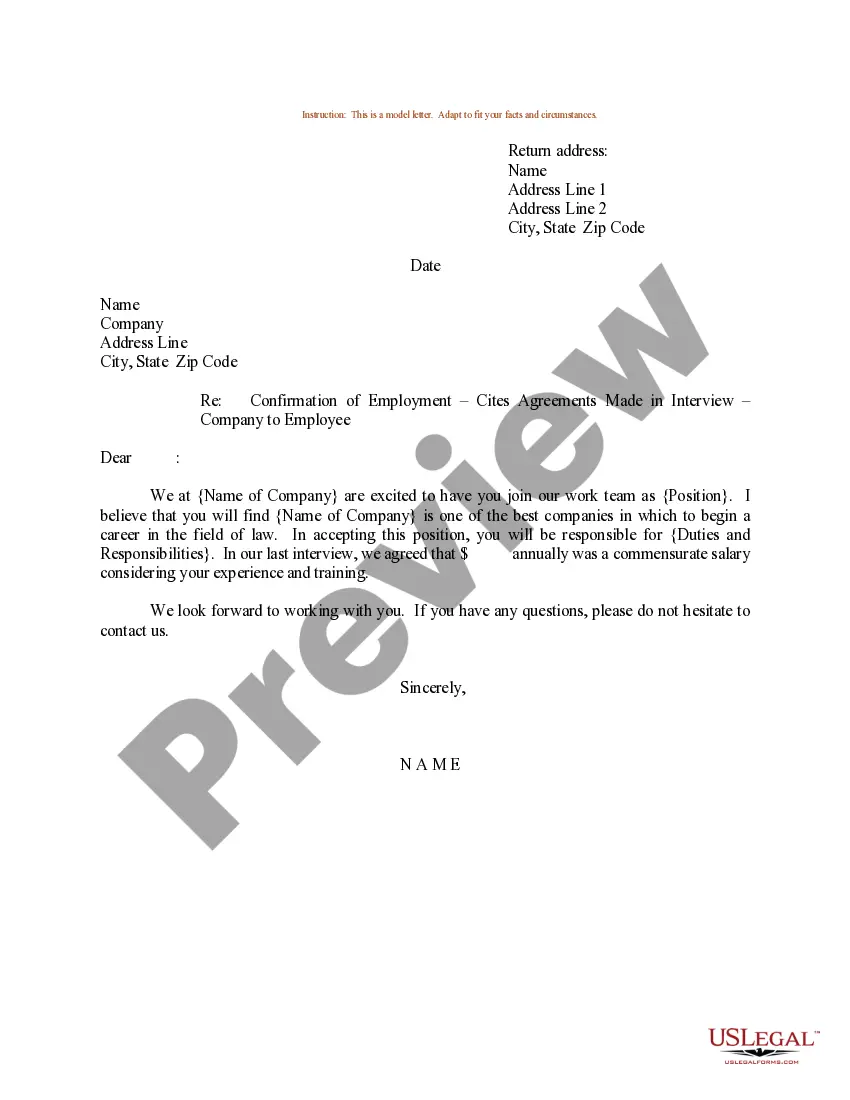
Get your form ready online
Our built-in tools help you complete, sign, share, and store your documents in one place.
Make edits, fill in missing information, and update formatting in US Legal Forms—just like you would in MS Word.
Download a copy, print it, send it by email, or mail it via USPS—whatever works best for your next step.
Sign and collect signatures with our SignNow integration. Send to multiple recipients, set reminders, and more. Go Premium to unlock E-Sign.
If this form requires notarization, complete it online through a secure video call—no need to meet a notary in person or wait for an appointment.
We protect your documents and personal data by following strict security and privacy standards.

Make edits, fill in missing information, and update formatting in US Legal Forms—just like you would in MS Word.

Download a copy, print it, send it by email, or mail it via USPS—whatever works best for your next step.

Sign and collect signatures with our SignNow integration. Send to multiple recipients, set reminders, and more. Go Premium to unlock E-Sign.

If this form requires notarization, complete it online through a secure video call—no need to meet a notary in person or wait for an appointment.

We protect your documents and personal data by following strict security and privacy standards.
Looking for another form?









Form popularity
FAQ
Applying to college typically involves taking standardized tests, writing personal statements, collecting letters of recommendation, and filling out applications.
There are three ways you'll receive your letter of acceptance: by mail, email, or on your online portal. How schools choose to tell students about their university entry will vary. Check with your school's office of admissions to see when and how you'll get your letter of acceptance.
Respond to the college you've decided to attend Make sure to send in the following items, via the online student portal or through email, by the deadline: Your acceptance letter. A deposit. A separate acceptance letter for financial aid if required.
Although most colleges will send an acceptance letter in the mail, that isn't the only way you'll receive your college acceptance letter. In addition to mailing college acceptance letters, colleges and universities will also notify you virtually.
A college acceptance letter generally contains several key elements: Congratulatory Messages: Acknowledgement of the student's hard work and success. Admission Offer Details: Information about the program or major to which the student has been admitted.
Regular Deadline applicants: Students who submit their complete applications by the January 1 Regular Deadline will receive an admission decision on Application Tracker by March 31.
A school aid offer (sometimes called an award letter) tells you what financial aid you can receive at a particular college or career school. If you've applied to several schools, be sure to compare aid offers to see which school will be the most affordable.
Log Into the College's Student Portal You likely set up an applicant portal with a school once you submitted your application. You can often accept admission within the portal.
Your financial aid offer letter provides you with the financial aid that you can receive at a particular college or school. The offer includes different types and amounts of aid from federal, state, private, and institutional sources. It is important that you read and understand your financial aid offer letter.
Thank the admissions office for their time and consideration during the application process. Conclude the letter politely, such as ``Sincerely'' or ``Best regards,'' followed by your name. It's important to respond promptly, as colleges often have deadlines for students to accept or decline their offers.
