Letter Acceptance Template For College Student In King
Description
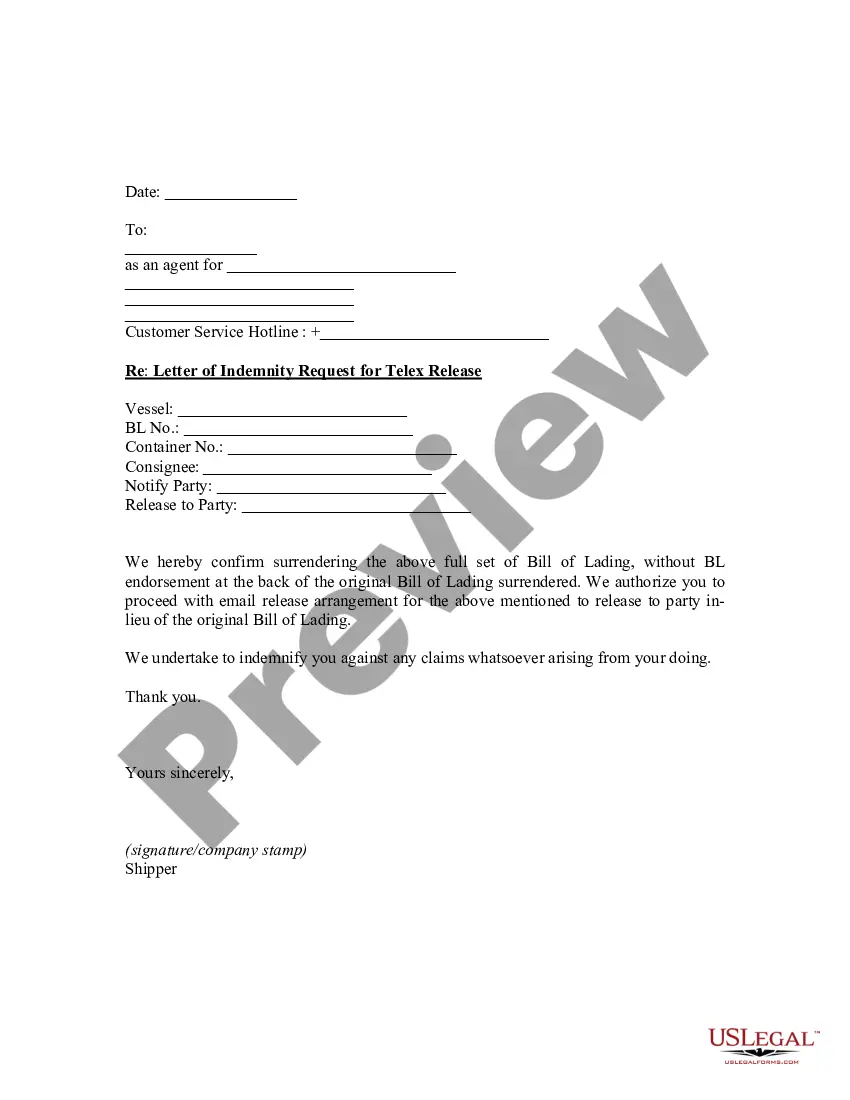
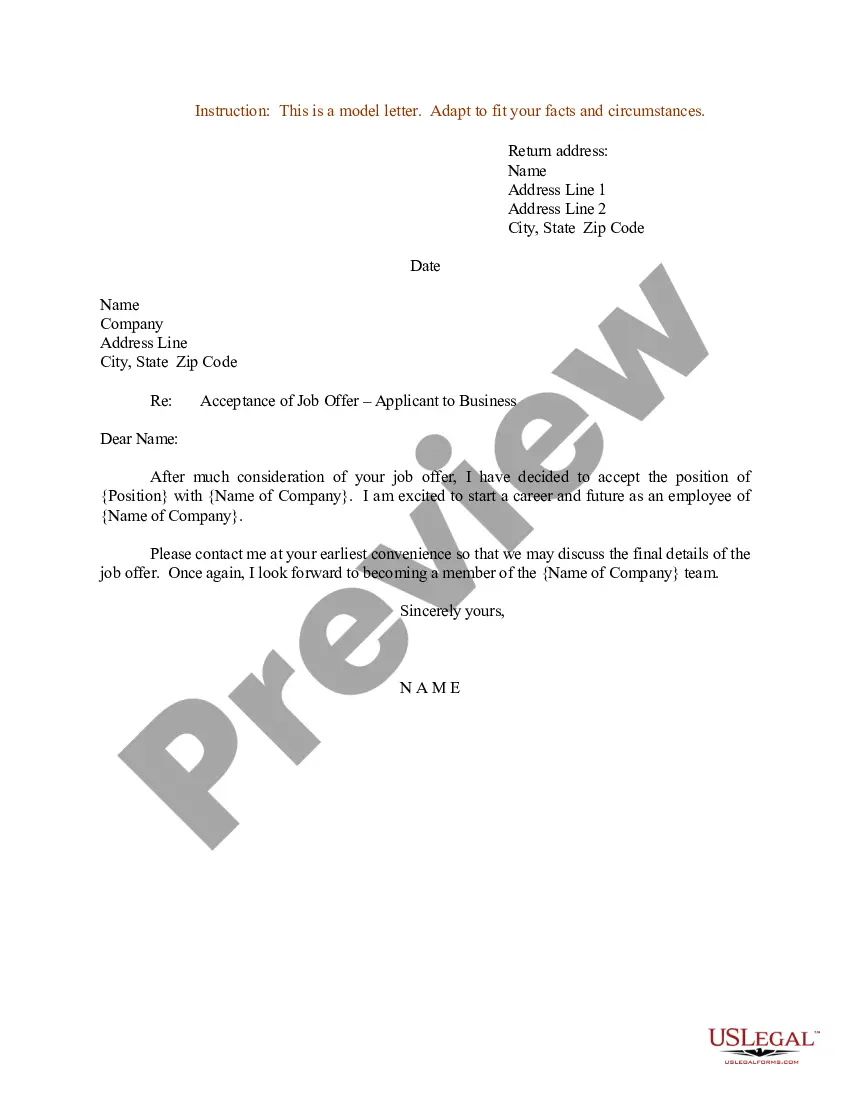
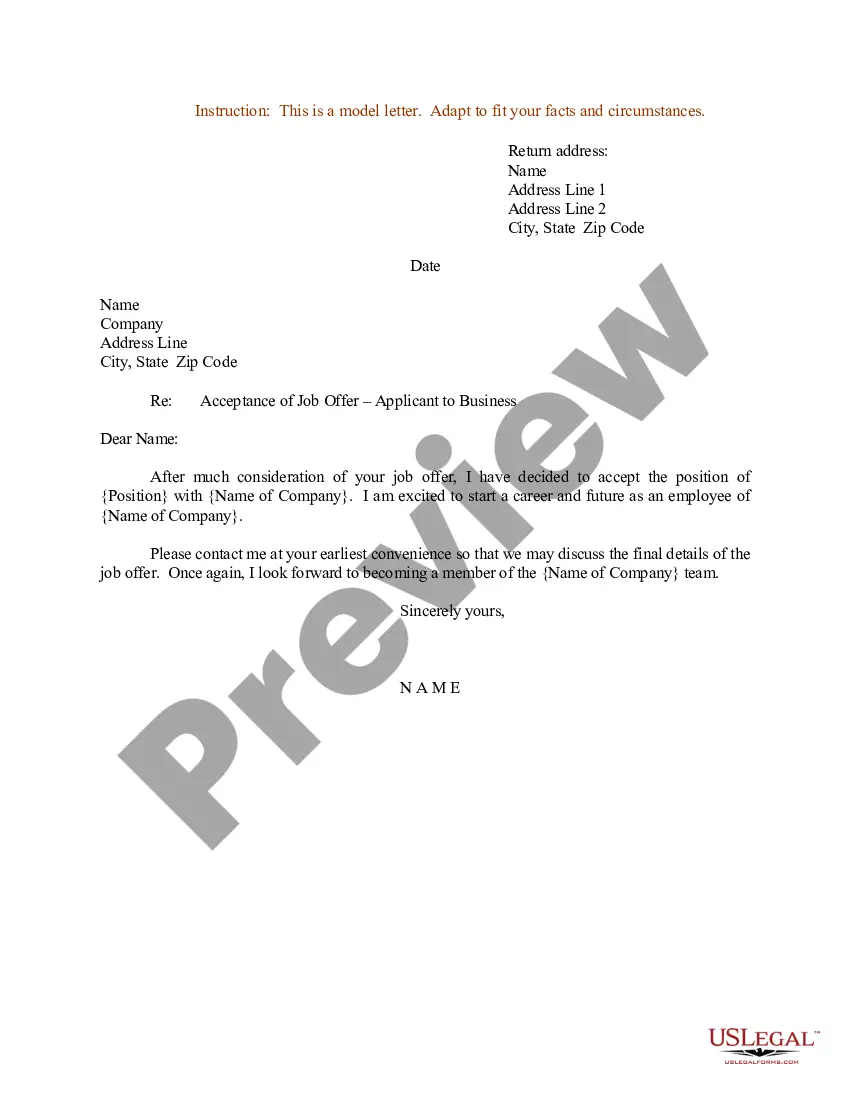
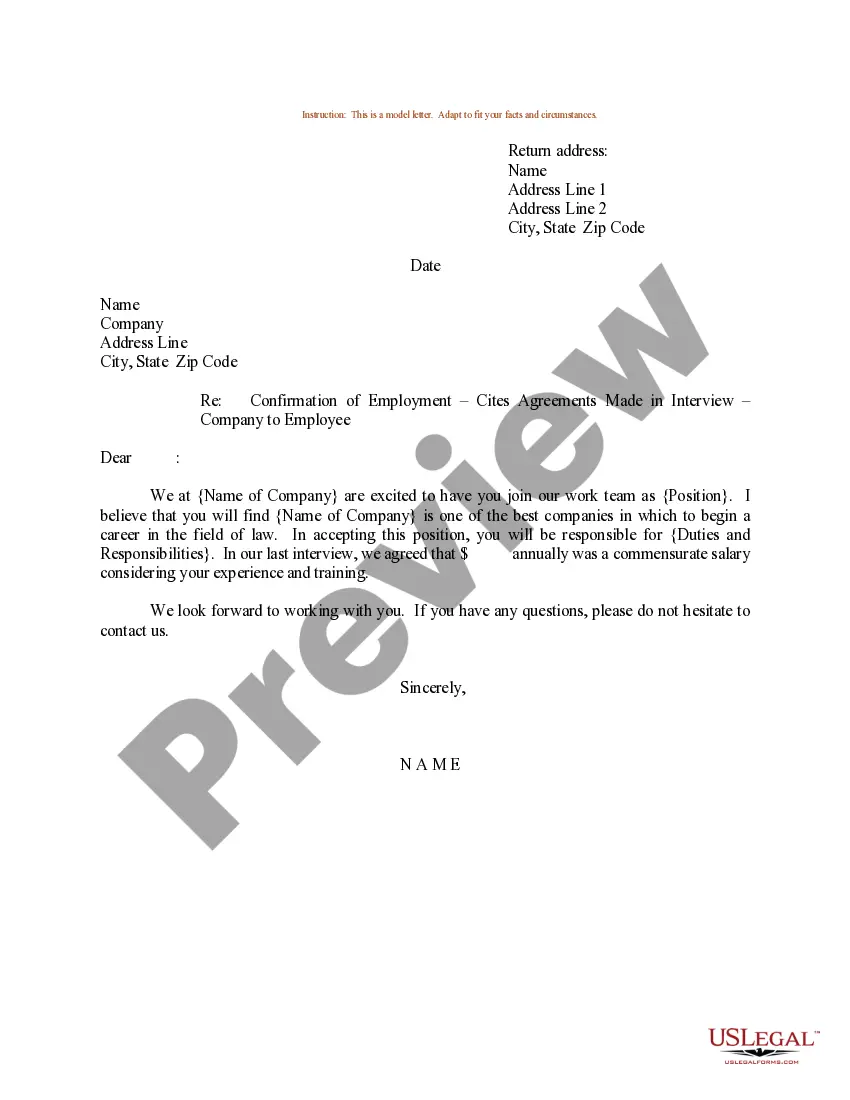
Get your form ready online
Our built-in tools help you complete, sign, share, and store your documents in one place.
Make edits, fill in missing information, and update formatting in US Legal Forms—just like you would in MS Word.
Download a copy, print it, send it by email, or mail it via USPS—whatever works best for your next step.
Sign and collect signatures with our SignNow integration. Send to multiple recipients, set reminders, and more. Go Premium to unlock E-Sign.
If this form requires notarization, complete it online through a secure video call—no need to meet a notary in person or wait for an appointment.
We protect your documents and personal data by following strict security and privacy standards.

Make edits, fill in missing information, and update formatting in US Legal Forms—just like you would in MS Word.

Download a copy, print it, send it by email, or mail it via USPS—whatever works best for your next step.

Sign and collect signatures with our SignNow integration. Send to multiple recipients, set reminders, and more. Go Premium to unlock E-Sign.

If this form requires notarization, complete it online through a secure video call—no need to meet a notary in person or wait for an appointment.

We protect your documents and personal data by following strict security and privacy standards.
Looking for another form?






Form popularity
FAQ
The primary purpose of a letter of acceptance is to tell applicants they have a place in the incoming class. Therefore, every acceptance letter begins with some form of congratulations. Then, it will give a clearly worded statement that says the school has accepted you into their upcoming class.
Here's what you need to do next: Accept the offer. Instructions will be on your acceptance notice and also on the college's website. Make the deposit. The deposit is usually less than $500, a portion of which could be waived if you receive financial aid. Notify the schools you're declining.
Major universities often extend admission to their honors or scholars program through acceptance letters, adding a personalized touch.
How to write an admissions acceptance letter Prepare the header. Begin the letter with an official header that includes the student's full name and address. Confirm the candidate's admission. Share congratulations. Explain how to accept. Include optional details. Encourage them to accept.
How To Write An Offer Letter Acceptance Email Review your job offer. Read your job offer carefully. Start drafting your email. Write a concise subject line. Address your email to the right person. Express gratitude. Make a formal statement of acceptance. Conclude and sign. Format your email.
Acceptance letters are the admission letters that everyone wants to receive. These letters may include information about next steps, deadlines, scholarships and awards, special programs, and more. You may receive admission to more than one college.
How to accept a job offer in writing Address the appropriate recipient. Start by including your name and contact information, then the recipient's name and contact details. Express your gratitude for the job offer. Agree on the employment terms. Use a professional sign off. Follow up with the letter's recipient.
Acceptance Letter Format I am writing to confirm my acceptance of your employment offer from April 1. I am delighted to be joining International Engineering Corporation as a Project Manager. The work is exactly what I have prepared for and hoped to do.
- ``I am honored to accept your offer and am enthusiastic about the chance to be part of (company/project/department). I eagerly anticipate contributing to our shared success.'' - ``I hereby accept the offer extended to me and am pleased to join (organization/department).

