Letter Offer For Employment In Houston
Description


Form popularity
FAQ
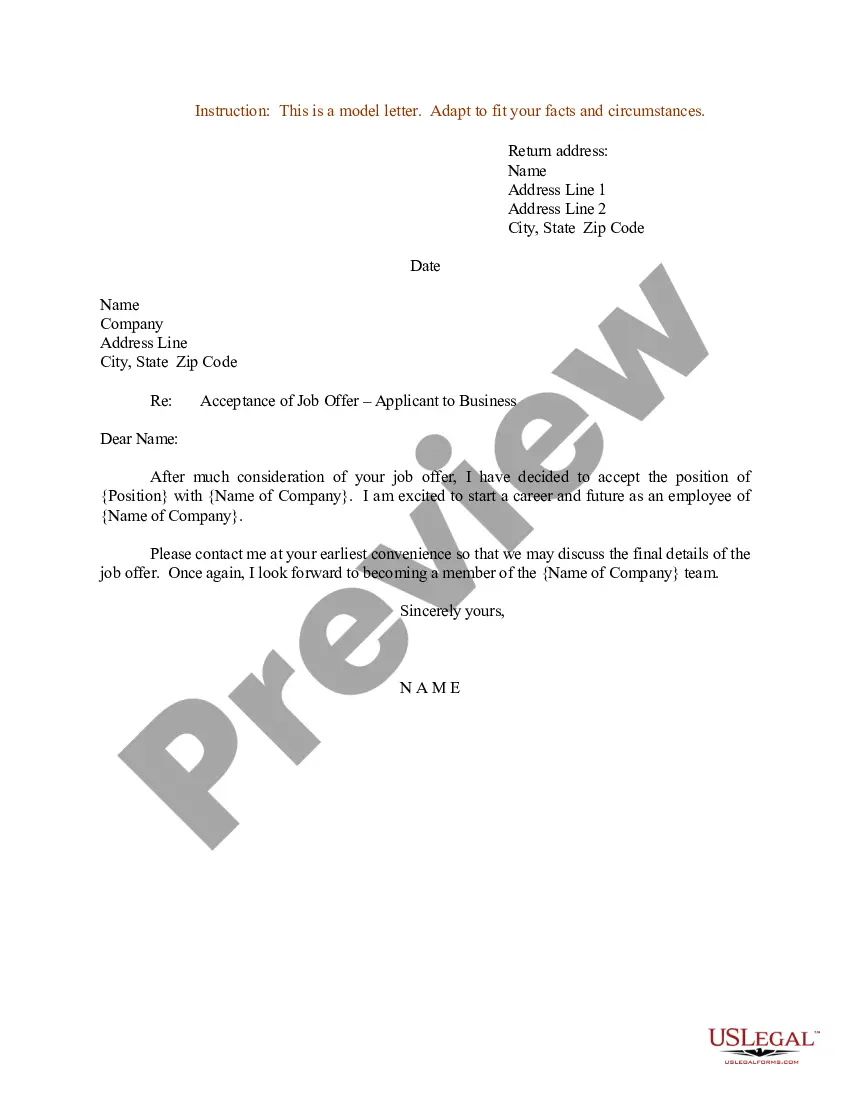
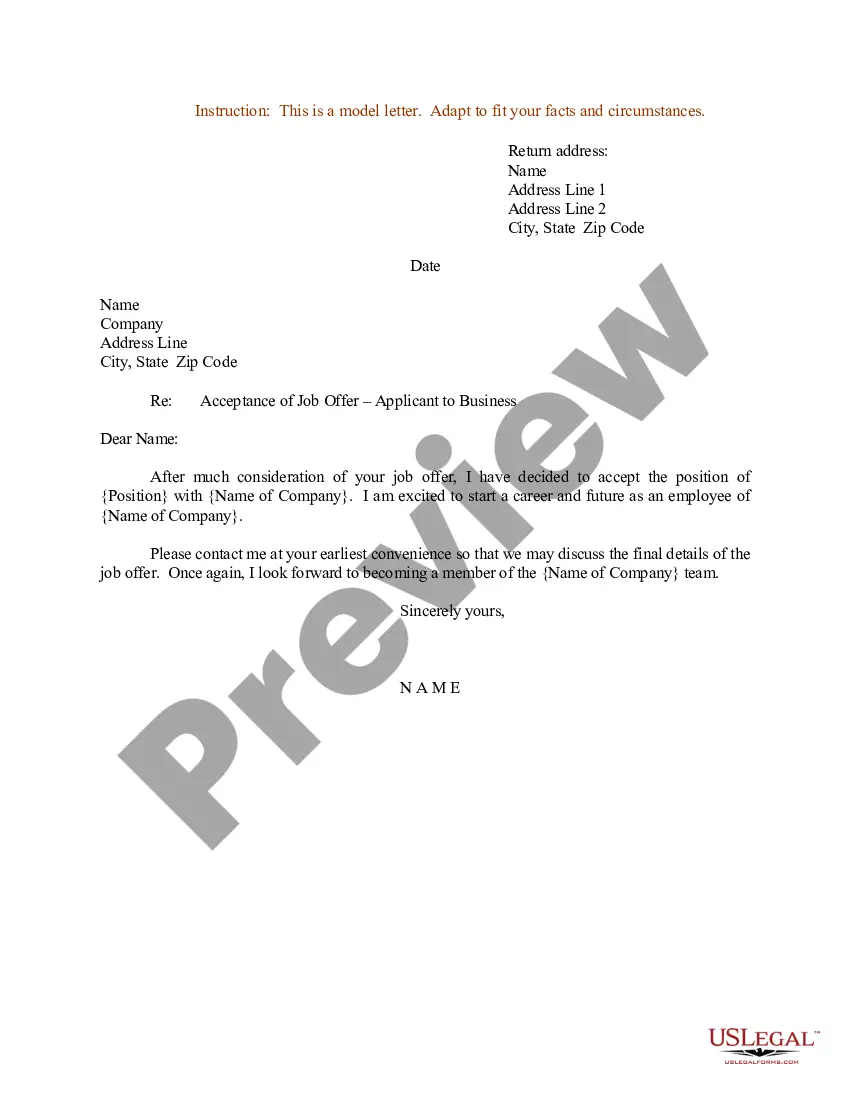
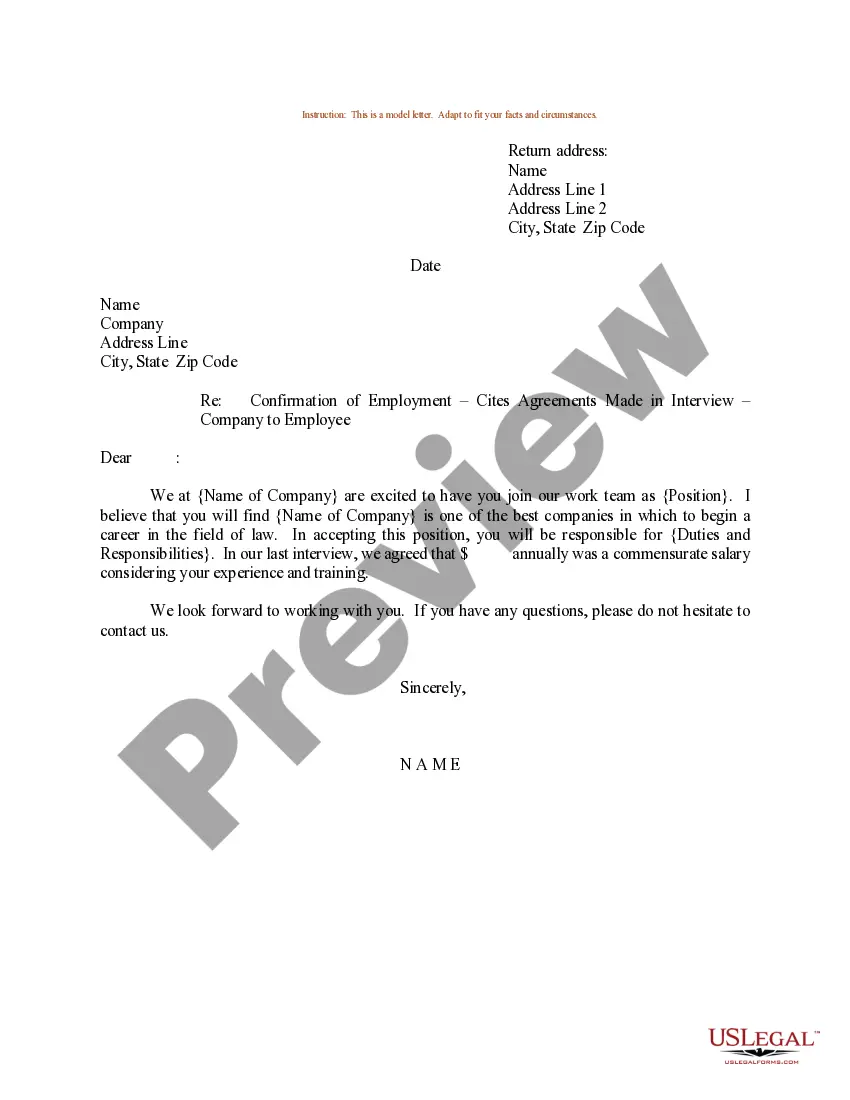
Although not required in the U.S., providing a candidate a written job offer is considered a good practice. Following up a verbal offer with a written offer will not only set expectations for the new employee, but also clarify any matters that were discussed during the interview phase.
This type of letter is vital because it relays important details in writing about your potential job, even if there's already been a verbal offer. If there are any discrepancies after you begin working, you can use the offer letter as a written record of what you were expecting.
It doesn't currently work like that under Texas law. So typically, the promises in the offer letter are only enforceable if you've already performed what is required.
Employers or recruiters can send candidates letters with job offers for a position with a company, which can be an exciting part of your job search. When you receive one of these letters, it can mean you have valuable skills or experience and the company wishes to hire you.
Accepting a job offer: Key points Take some time to consider – you can accept a job offer verbally over the phone. Follow up with a job offer acceptance email/confirmation letter. Negotiate the terms of a job offer if necessary. Think of any questions to ask before you start a new job.
To request an offer letter, you should: Contact the company's hiring manager or recruiter you have been working with directly. This is typically the best way to ensure your request is addressed promptly. Send a professional email politely requesting the offer letter.
Texas does not require employers to provide a prospective employee with a formal offer letter. Many employers choose to do so to avoid misunderstandings and clarify some of the important aspects of the proposed employment.
While offer letters or employment agreements are not legally required in California, these documents typically set forth important information about the employment relationship. An offer letter is less formal than a full-length employment agreement.

