Letter Acceptance Document With Name And Address In California
Description
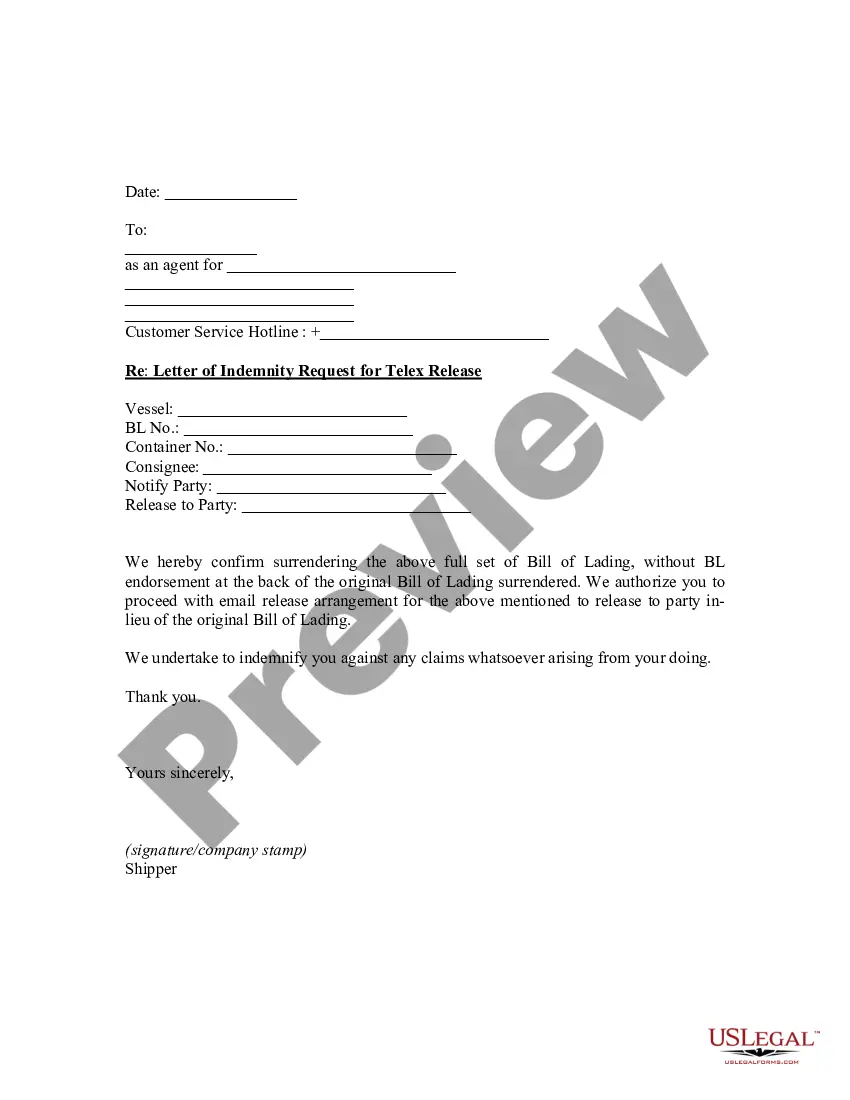
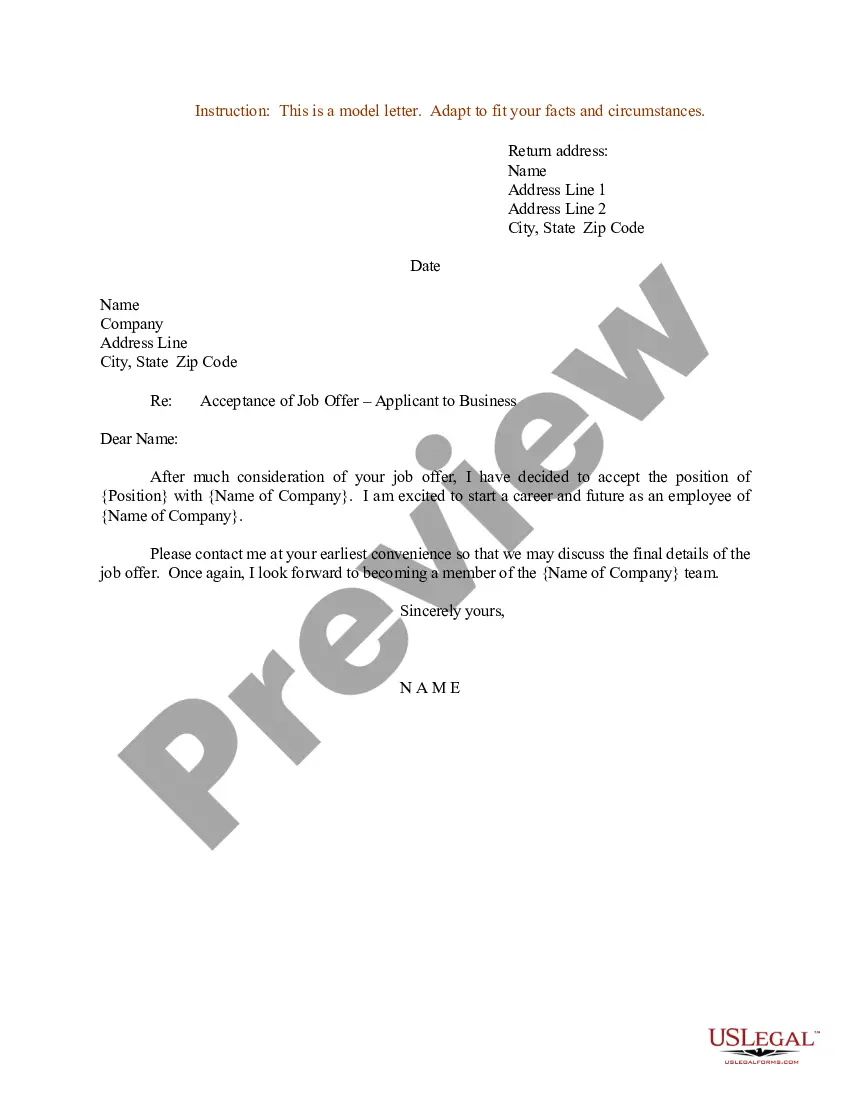
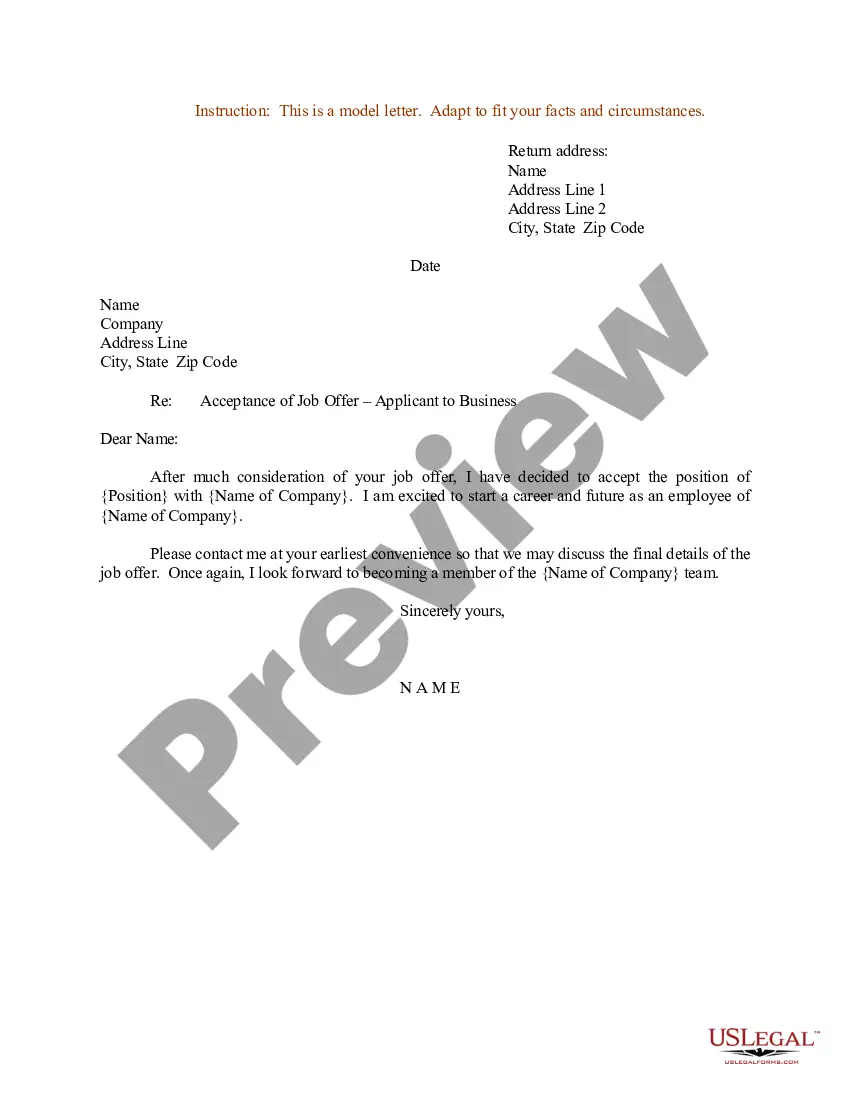
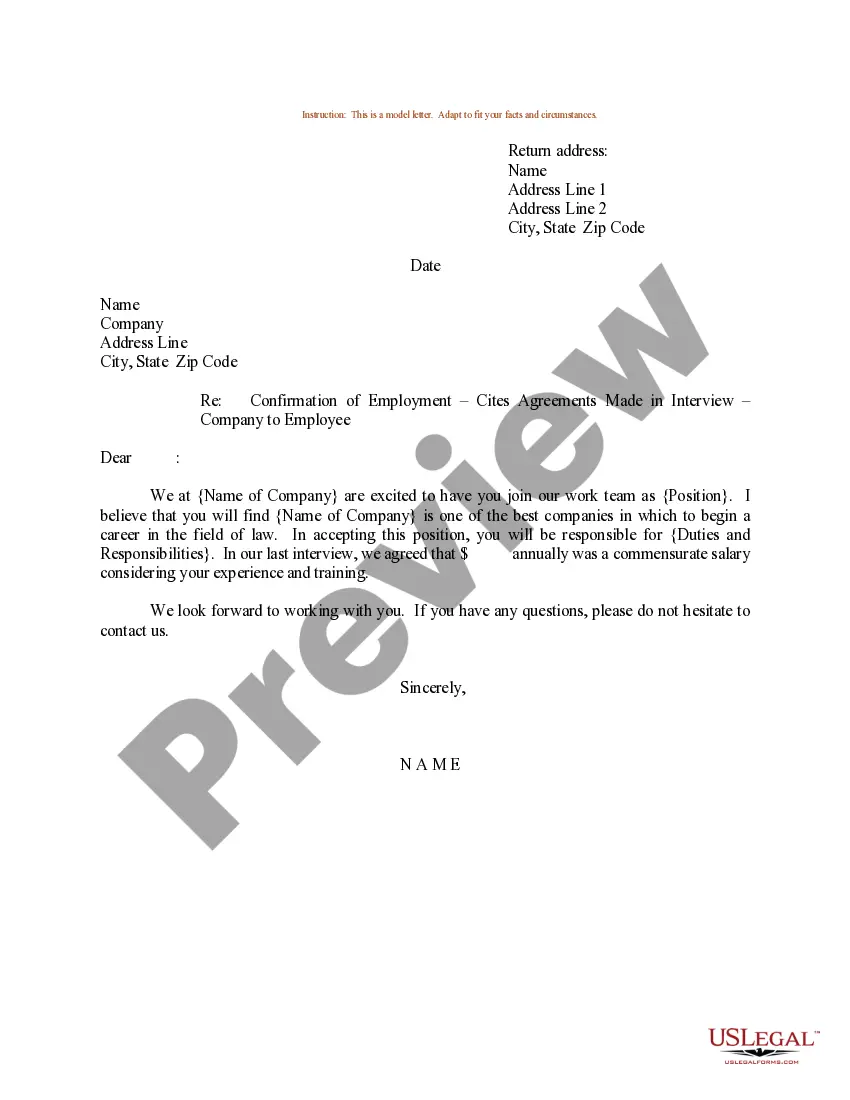
Get your form ready online
Our built-in tools help you complete, sign, share, and store your documents in one place.
Make edits, fill in missing information, and update formatting in US Legal Forms—just like you would in MS Word.
Download a copy, print it, send it by email, or mail it via USPS—whatever works best for your next step.
Sign and collect signatures with our SignNow integration. Send to multiple recipients, set reminders, and more. Go Premium to unlock E-Sign.
If this form requires notarization, complete it online through a secure video call—no need to meet a notary in person or wait for an appointment.
We protect your documents and personal data by following strict security and privacy standards.

Make edits, fill in missing information, and update formatting in US Legal Forms—just like you would in MS Word.

Download a copy, print it, send it by email, or mail it via USPS—whatever works best for your next step.

Sign and collect signatures with our SignNow integration. Send to multiple recipients, set reminders, and more. Go Premium to unlock E-Sign.

If this form requires notarization, complete it online through a secure video call—no need to meet a notary in person or wait for an appointment.

We protect your documents and personal data by following strict security and privacy standards.
Looking for another form?









Form popularity
FAQ
If you do not answer the questions by the deadline, which is usually about a month, the other side could ask the judge to order you to respond to the interrogatories. If you miss the second deadline, the judge could impose a fine against you or strike your pleadings.
Requests for Admissions are used to ask a party to admit or deny facts of the case, or confirm whether a document is authentic. If admitted as true or authentic, these facts and documents do not need to be proven or authenticated at trial.
A Request for Admission asks the other side in your case to admit that a fact is true or that a document is authentic. If the other side admits that something is true or authentic, you will not need to prove that at trial. This can make your trial faster and less expensive.
If you answer "Admit," you establish that you did not dispute the charges, and you would be prevented from saying that you disputed any charges at trial. You might answer “Deny” if you did contact the plaintiff to dispute one or more of the charges. If you deny it, the plaintiff must prove this fact to the court.
Use Form Interrogatories to request information. Use Form Interrogatories when you want to gather information from the other side by having them answer questions from a list on a form, and swear under oath that the answers are true.
Requests for admission help narrow the scope of the controversy by getting certain admissions or denials of issues relevant to the lawsuit on record before a trial takes place.
However, there are some clear differences between the two. Personal injury interrogatory answers are signed under oath. Requests for admission are not. Furthermore, interrogatories are questions, but they're phrased as statements to be elaborated upon.
The purpose of a jurat is for an affiant to swear to or affirm the truthfulness of the contents of an affidavit. A notary public administers an oath or affirmation to the affiant, who verifies the truths listed in the affidavit under penalty of perjury.
As mentioned, in a Jurat, the signer effectively testifies to the document's contents. In an acknowledgment, the signature simply states that the person who signed it is the person who they claim to be.
In general, an acknowledgment certificate will contain the words, “acknowledged before me” or similar wording. Jurat certificates will contain the words, “subscribed and sworn to (or affirmed) before me.”

