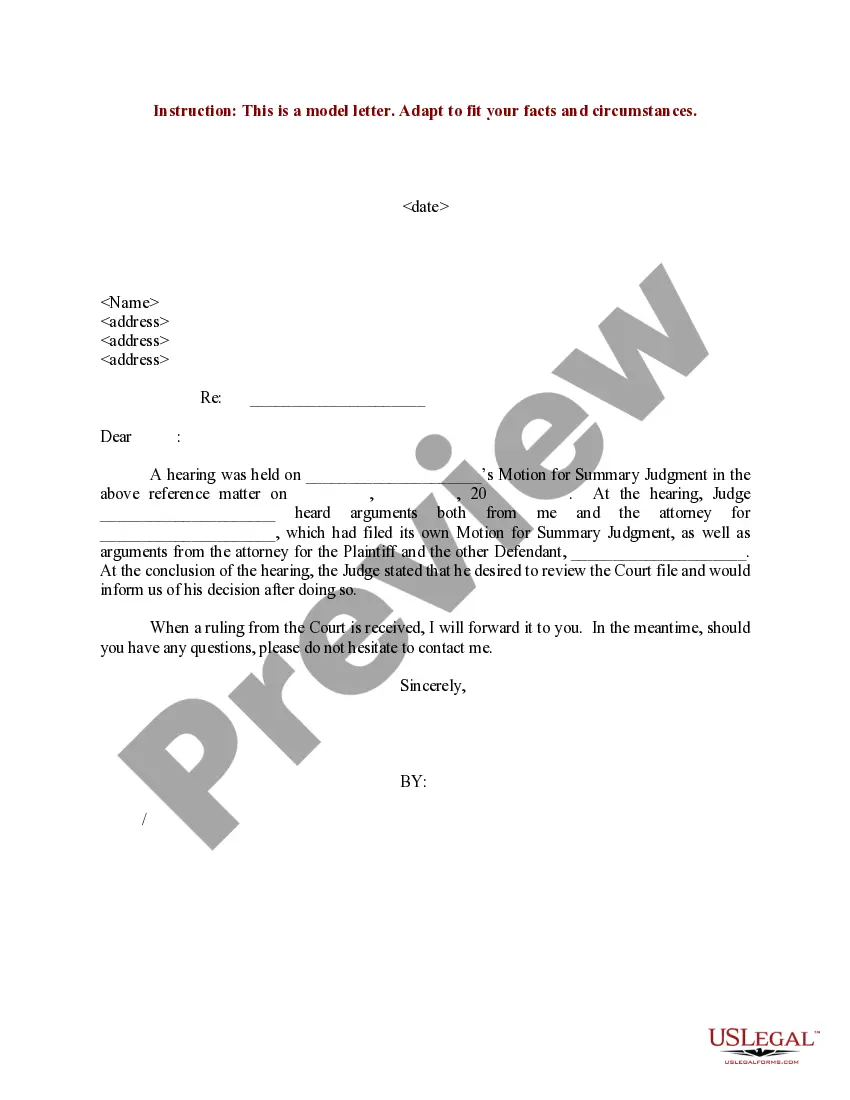
Letter Concerning Hearing Without Consent In Virginia
Description
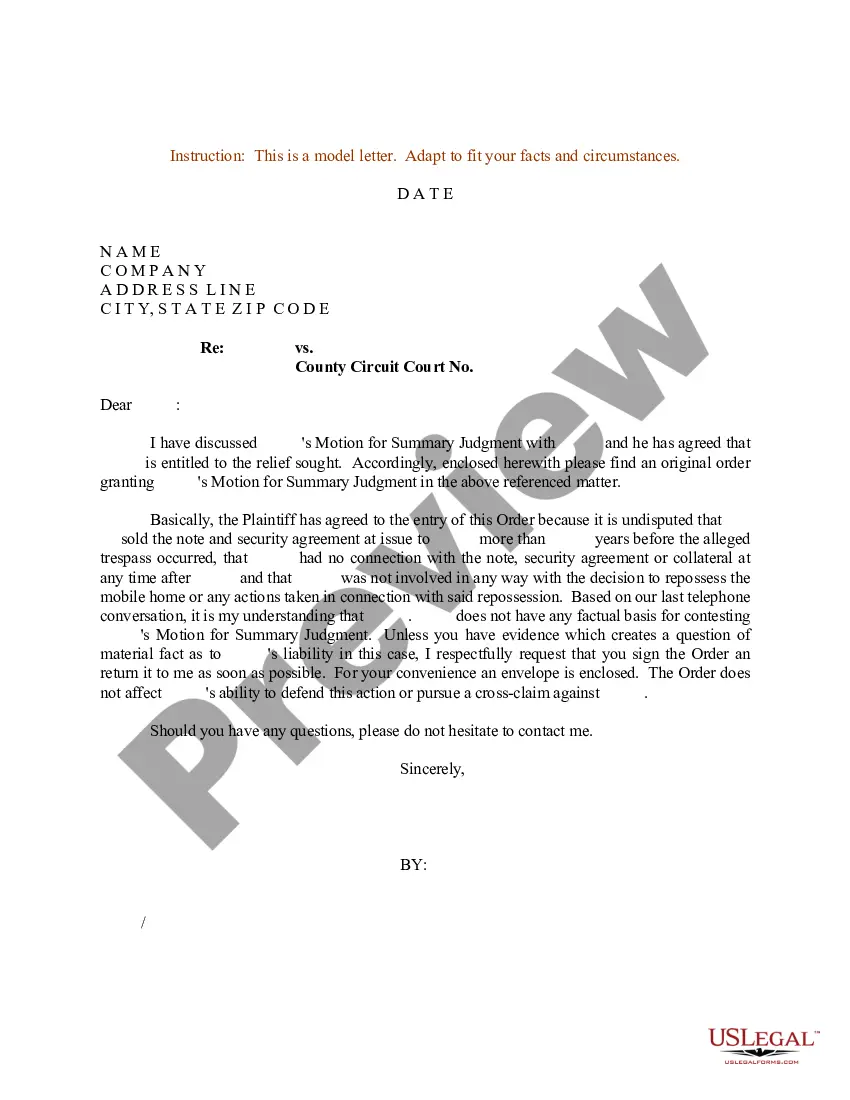
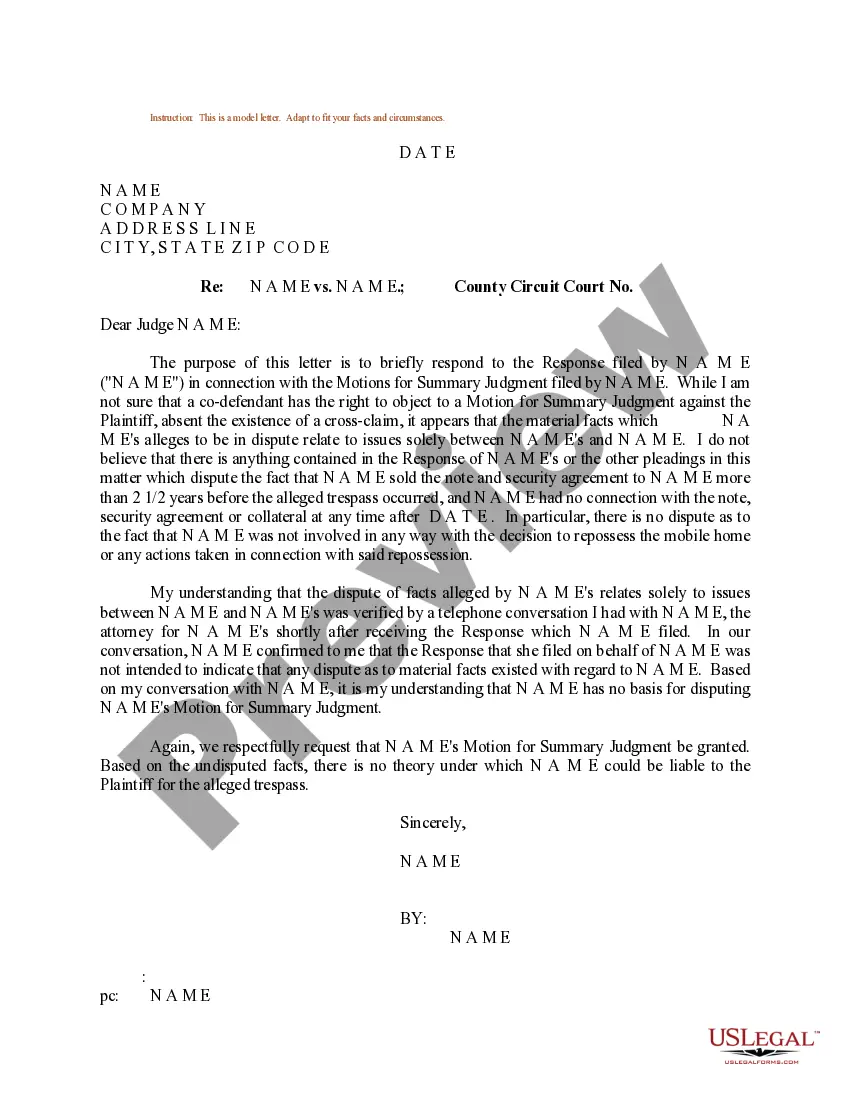
Get your form ready online
Our built-in tools help you complete, sign, share, and store your documents in one place.
Make edits, fill in missing information, and update formatting in US Legal Forms—just like you would in MS Word.
Download a copy, print it, send it by email, or mail it via USPS—whatever works best for your next step.
Sign and collect signatures with our SignNow integration. Send to multiple recipients, set reminders, and more. Go Premium to unlock E-Sign.
If this form requires notarization, complete it online through a secure video call—no need to meet a notary in person or wait for an appointment.
We protect your documents and personal data by following strict security and privacy standards.

Make edits, fill in missing information, and update formatting in US Legal Forms—just like you would in MS Word.

Download a copy, print it, send it by email, or mail it via USPS—whatever works best for your next step.

Sign and collect signatures with our SignNow integration. Send to multiple recipients, set reminders, and more. Go Premium to unlock E-Sign.

If this form requires notarization, complete it online through a secure video call—no need to meet a notary in person or wait for an appointment.

We protect your documents and personal data by following strict security and privacy standards.
Looking for another form?









Form popularity
FAQ
This offense is a Class 1 misdemeanor, punished with up to 12 months in jail and a fine up to $2500. Va. Code §18.2-460(B) is also violated by obstructing or impeding the administration of justice in any court.
Virginia Code 18.2-386.1 specifically addresses the unlawful filming, videotaping, or photographing of another person without their consent. This can include situations where the person is filmed without their knowledge in a private space, such as their home or a locker room.
Virginia is considered a “single-party consent” jurisdiction. Va. Code § 19.2-62. That generally means that as long as a participant in a conversation consents to the communication being recorded, it is not illegal to record the conversation.
California. California requires the consent of all parties, with a minimum consent being the notification that the parties are being recorded in a confidential conversation with an audible beep at particular intervals throughout the recording. Without permission, an individual can face imprisonment and fines.
California law says that any recording made without someone's permission is illegal. This means the recording can't be used as evidence in any kind of legal case, including a divorce or custody battle. Plus, the person who made the recording could face criminal charges.
Illegally recording an in-person, telephone or electronic conversation is a felony offense. Va. Code Ann. § 19.2-62.
In Los Angeles, a motion to suppress evidence can result in all evidence used against the defendant being thrown out. This motion will be granted in cases where the judge determines that the evidence was not legally obtained and therefore cannot be used against the defendant.
To suppress evidence in the Commonwealth of Virginia, the defendant's legal counsel will file a formal motion to suppress or exclude the evidence from trial. Your attorney can help file the motion at the federal or state court, depending on where you are being arraigned.
For instance, evidence seized pursuant to an unlawful arrest may be suppressed at trial, while a voluntary confession made after that arrest will not automatically be suppressed. But if the confession is too closely tied to the illegal arrest which may not be truly voluntary, it may be suppressed; see Wong Sun v.
It shall be unlawful for any person to enter upon the property of another and secretly or furtively peep, spy or attempt to peep or spy into or through a window, door or other aperture of any building, structure, or other enclosure of any nature occupied or intended for occupancy as a dwelling, whether or not such ...