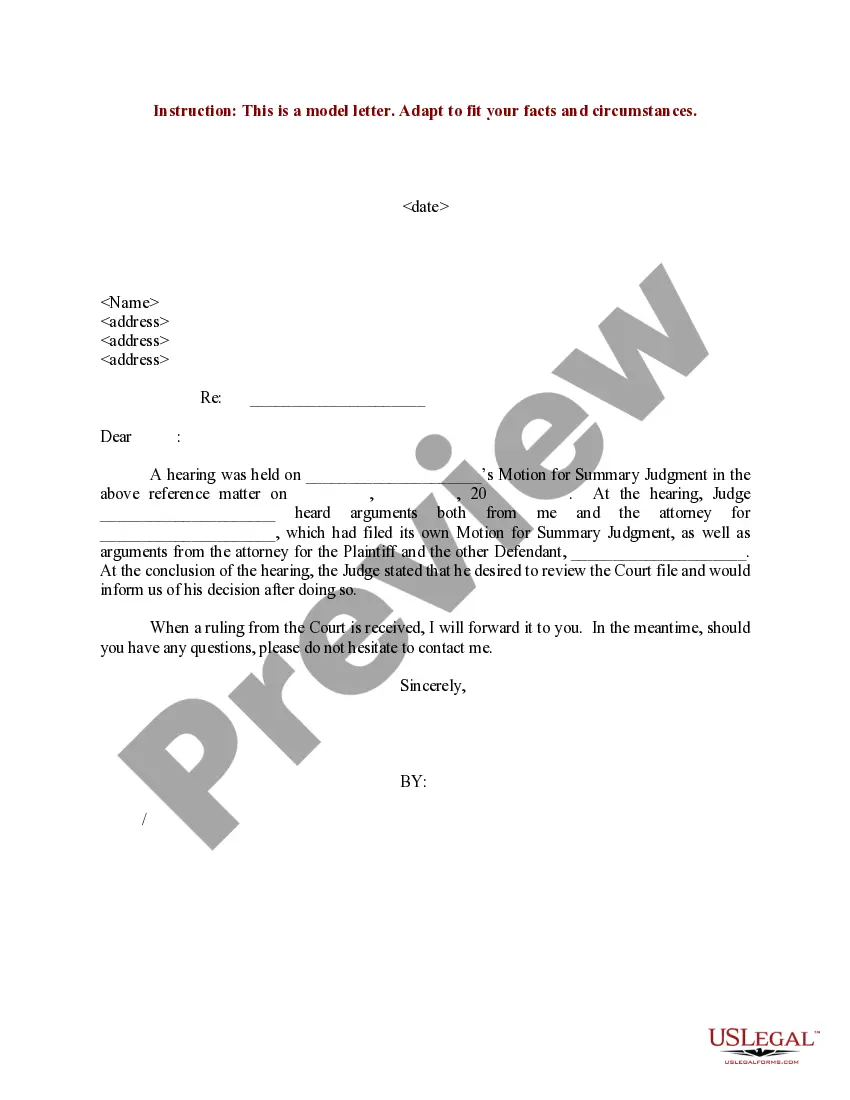
Letter Concerning Hearing Without Consent In Salt Lake
Description

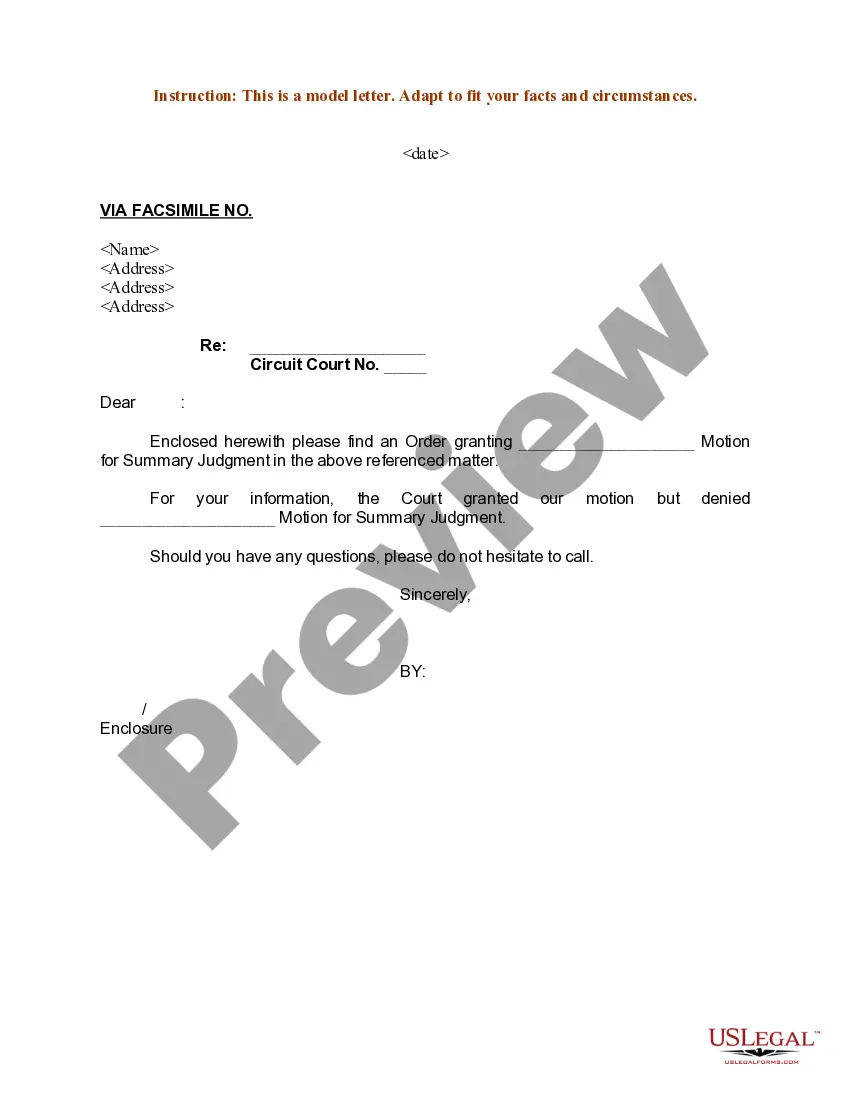

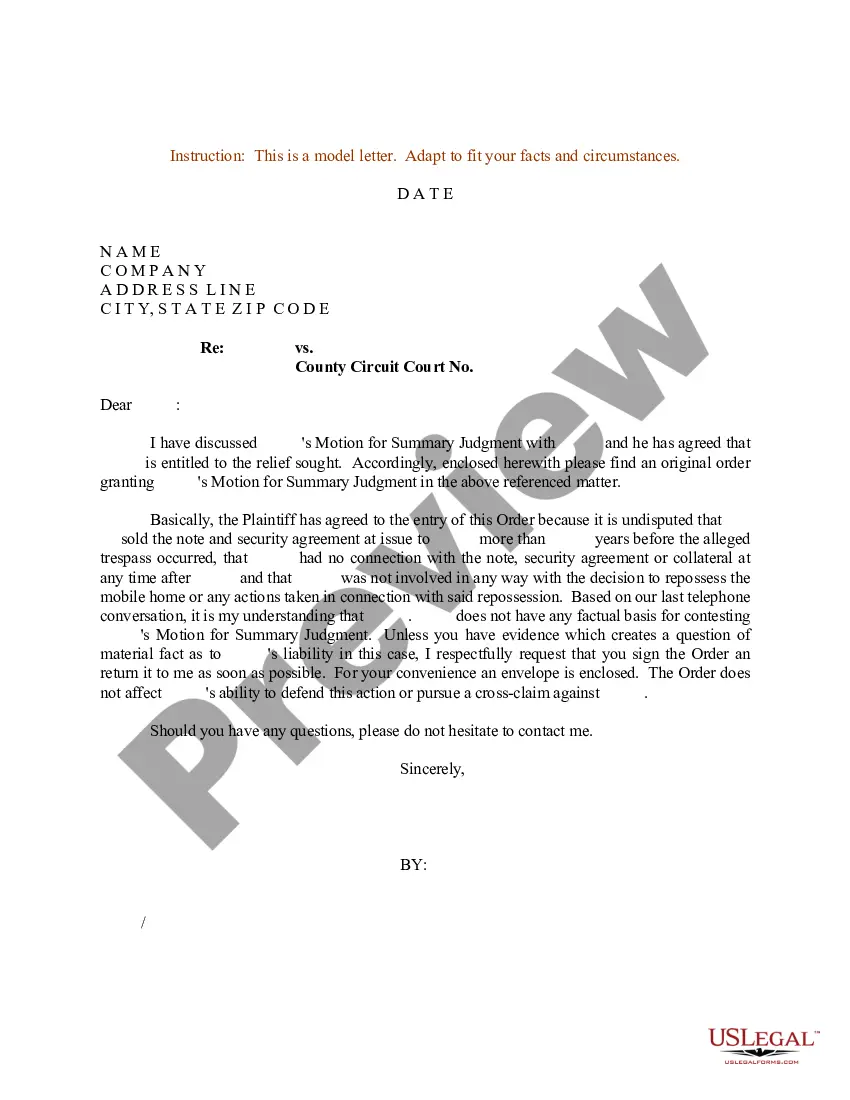
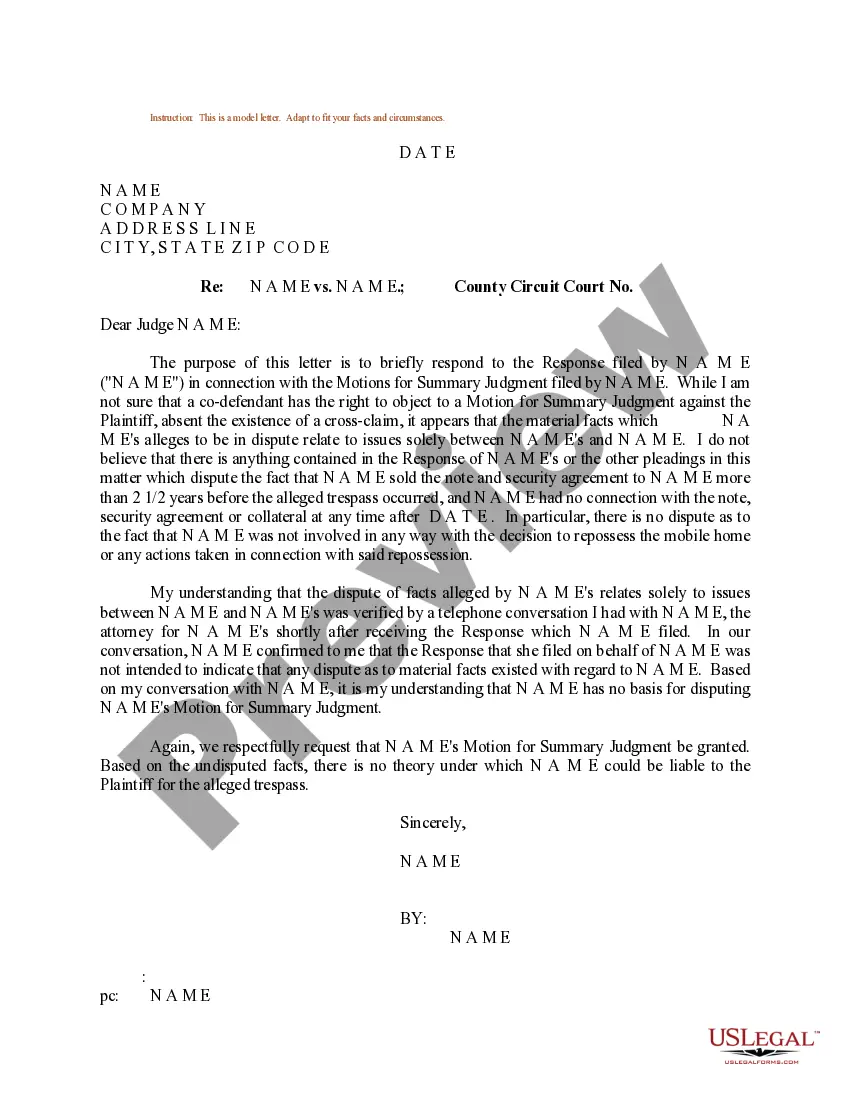
Get your form ready online
Our built-in tools help you complete, sign, share, and store your documents in one place.
Make edits, fill in missing information, and update formatting in US Legal Forms—just like you would in MS Word.
Download a copy, print it, send it by email, or mail it via USPS—whatever works best for your next step.
Sign and collect signatures with our SignNow integration. Send to multiple recipients, set reminders, and more. Go Premium to unlock E-Sign.
If this form requires notarization, complete it online through a secure video call—no need to meet a notary in person or wait for an appointment.
We protect your documents and personal data by following strict security and privacy standards.

Make edits, fill in missing information, and update formatting in US Legal Forms—just like you would in MS Word.

Download a copy, print it, send it by email, or mail it via USPS—whatever works best for your next step.

Sign and collect signatures with our SignNow integration. Send to multiple recipients, set reminders, and more. Go Premium to unlock E-Sign.

If this form requires notarization, complete it online through a secure video call—no need to meet a notary in person or wait for an appointment.

We protect your documents and personal data by following strict security and privacy standards.
Looking for another form?



Form popularity
FAQ
The public is able to attend most court hearings, even if it is being held remotely.
The public is able to attend most court hearings, even if it is being held remotely.
As long as the Hearing is held in an open court room, then anyone can attend to observe. Usually, the only time court rooms are closed are if there are sensitive matters pertaining to a minor child, such as allegations of sexual abuse. So, yes, you should be able to bring a friend for support.
The goal of trial is to determine a defendant's guilt. The goal of a preliminary hearing is to screen cases—weeding out weak cases and protecting defendants from unfounded prosecutions. Unofficially, however, each side uses the preliminary hearing to check out the other side's evidence.
A person who wishes to observe a court in session may check the court calendar online or at the courthouse and watch a proceeding. The U.S. Constitution and court tradition give citizens right of access to court proceedings.
Summary. A summons is a notice served on a person to let them know that a complaint or petition has been filed against them. The summons requires the person to answer the complaint or petition within a certain amount of time, or attend a court hearing on a certain day and time.
The Judge will ask you how you will plead, guilty or not guilty. You'll plead not guilty, usually and then the Judge will set the case for some other pre-trial hearings and if you cannot afford an attorney, the Judge will appoint one for you. Also, at the arraignment, the Judge is going to set release conditions.
But while a summons marks the beginning of a court case, a subpoena comes after a case has begun and requires the person who receives it to provide evidence that is considered important to the outcome of the case. You can still receive a subpoena even if you aren't directly involved in the case.