Demand For Bonds Increases In Michigan
Description

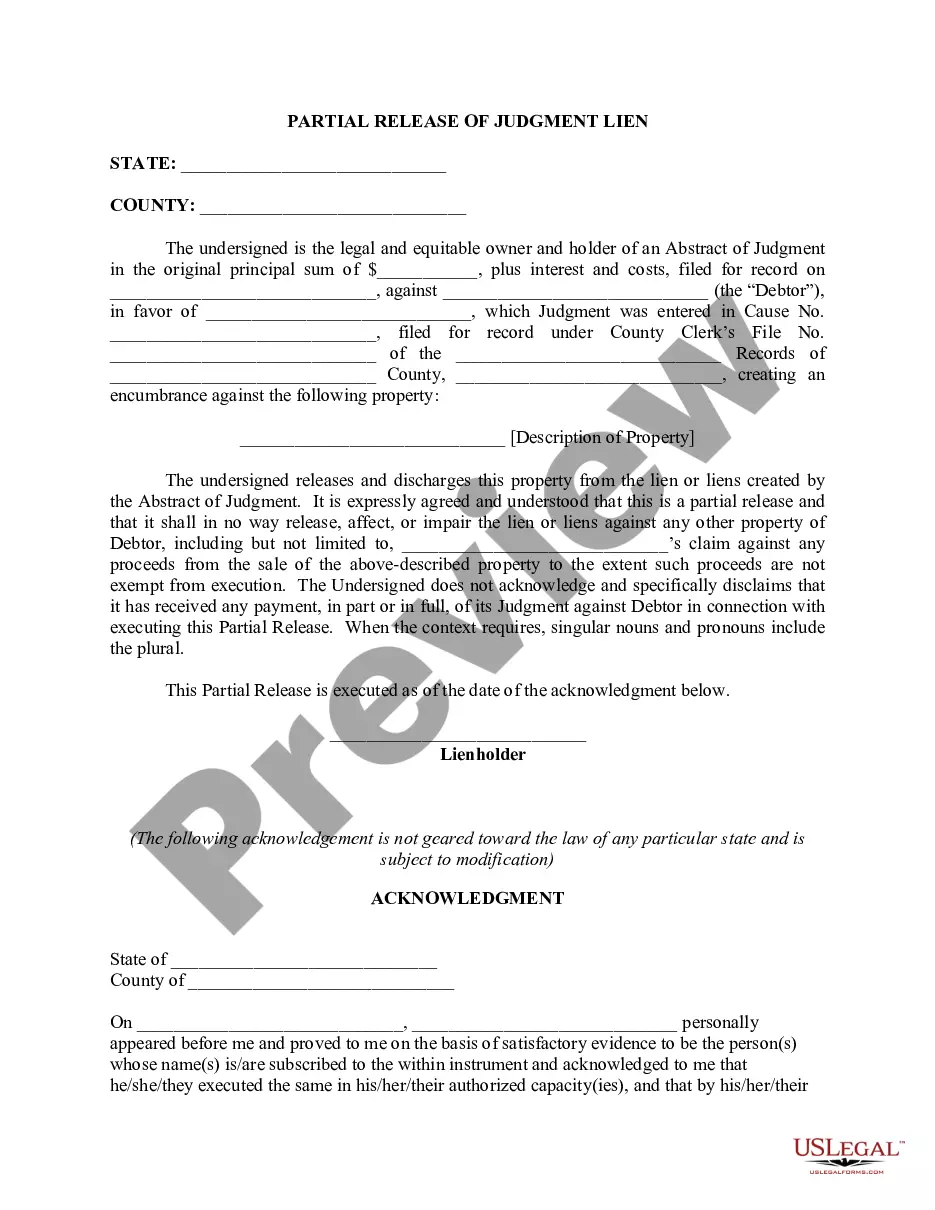
Get your form ready online
Our built-in tools help you complete, sign, share, and store your documents in one place.
Make edits, fill in missing information, and update formatting in US Legal Forms—just like you would in MS Word.
Download a copy, print it, send it by email, or mail it via USPS—whatever works best for your next step.
Sign and collect signatures with our SignNow integration. Send to multiple recipients, set reminders, and more. Go Premium to unlock E-Sign.
If this form requires notarization, complete it online through a secure video call—no need to meet a notary in person or wait for an appointment.
We protect your documents and personal data by following strict security and privacy standards.

Make edits, fill in missing information, and update formatting in US Legal Forms—just like you would in MS Word.

Download a copy, print it, send it by email, or mail it via USPS—whatever works best for your next step.

Sign and collect signatures with our SignNow integration. Send to multiple recipients, set reminders, and more. Go Premium to unlock E-Sign.

If this form requires notarization, complete it online through a secure video call—no need to meet a notary in person or wait for an appointment.

We protect your documents and personal data by following strict security and privacy standards.
Looking for another form?









Form popularity
FAQ
Bonds have an inverse relationship to interest rates. When interest rates rise, bond prices usually fall, and vice-versa. To those unfamiliar with bond trading, the negative correlation between interest rates and bond prices may be counterintuitive.
If the interest rate is expected to increase for any reason (including, but not limited to, expected increases in inflation), bond prices are expected to fall, so the quantity demanded will decrease.
The demand curve for bonds shifts due to changes in wealth, expected relative returns, risk, and liquidity. Wealth, returns, and liquidity are positively related to demand; risk is inversely related to demand. Wealth sets the general level of demand. Investors then trade off risk for returns and liquidity.
Apart from purchasing power, inflation can influence bonds in another way. When inflation rises above a certain level, interest rates also tend to rise as central banks try to put pressure on consumers to reduce spending. In response, bond prices fall which can reduce their total return.
Under Michigan's Little Miller Act, almost every public project (i.e. funded by the state, local, or municipal government entity) the prime contractor is required to post a payment bond. If unpaid on a public works project, a party can make a claim against that payment bond.
The two are correlated. A well-known maxim of bond investing is that when interest rates fall, bond prices rise, and vice versa. This is also referred to as interest rate risk. And some bonds are more sensitive to interest rate changes than others.
Rising interest rates can be good for bond investors as they can take advantage of the higher rates to boost their portfolios' long-term growth potential.
For investors, inflation-linked bonds without credit risk are the safest long-term asset, allowing them to reduce long-horizon risk and hedge liabilities, but also take short-term positions on inflation expectations.
The value of most bonds and bond strategies are impacted by changes in interest rates. Bonds and bond strategies with longer durations tend to be more sensitive and volatile than those with shorter durations; bond prices generally fall as interest rates rise, and low interest rate environments increase this risk.
Most bond investors recommend short-term bonds when inflation is on the horizon, so they can dump their bonds soon and buy higher-interest bonds in the future. If inflation is expected to drop, and bonds are paying high interest rates, then bonds can be a very good investment.

