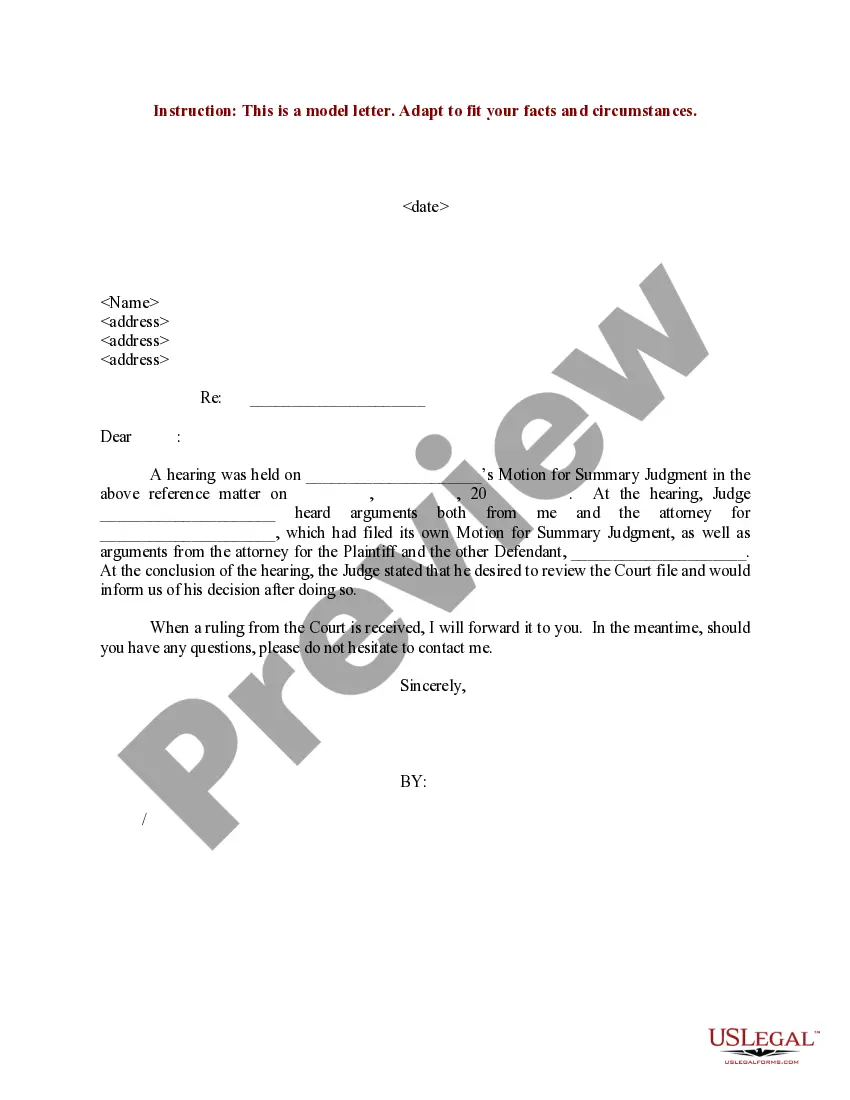
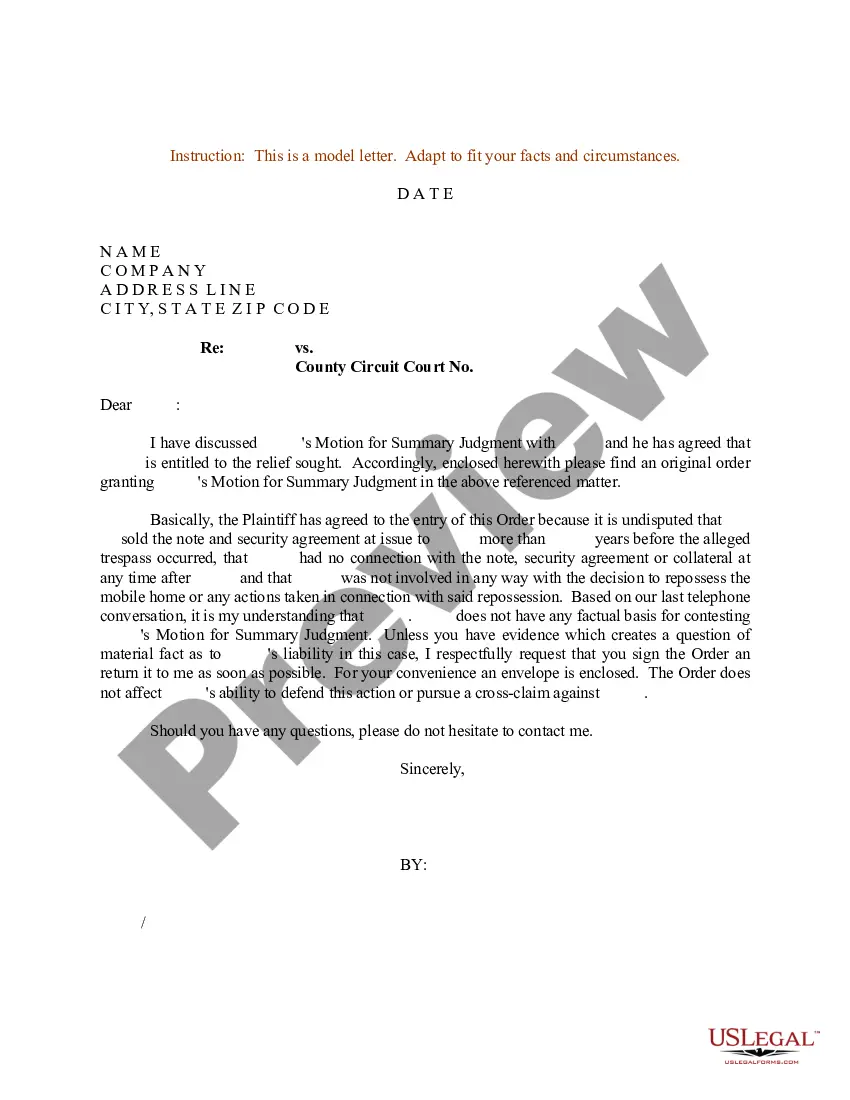
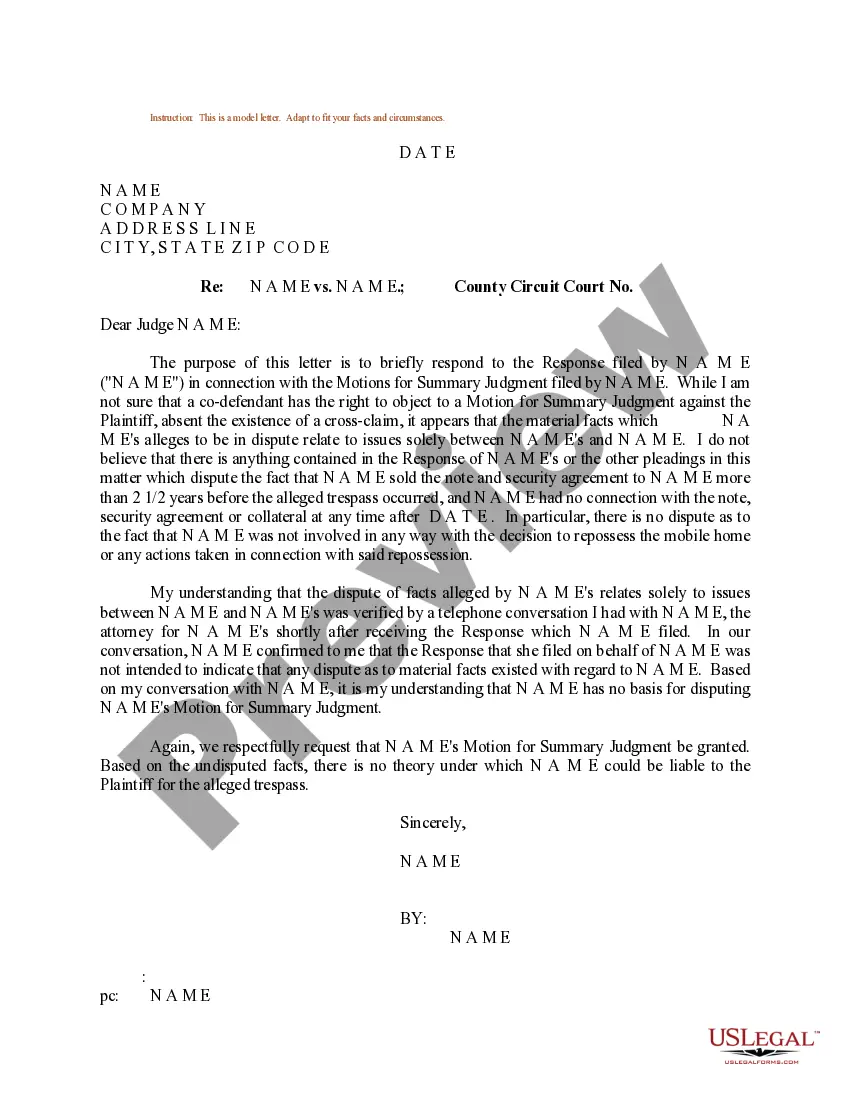
Letter Concerning Hearing For Employee In Nevada
Description
Get your form ready online
Our built-in tools help you complete, sign, share, and store your documents in one place.
Make edits, fill in missing information, and update formatting in US Legal Forms—just like you would in MS Word.
Download a copy, print it, send it by email, or mail it via USPS—whatever works best for your next step.
Sign and collect signatures with our SignNow integration. Send to multiple recipients, set reminders, and more. Go Premium to unlock E-Sign.
If this form requires notarization, complete it online through a secure video call—no need to meet a notary in person or wait for an appointment.
We protect your documents and personal data by following strict security and privacy standards.

Make edits, fill in missing information, and update formatting in US Legal Forms—just like you would in MS Word.

Download a copy, print it, send it by email, or mail it via USPS—whatever works best for your next step.

Sign and collect signatures with our SignNow integration. Send to multiple recipients, set reminders, and more. Go Premium to unlock E-Sign.

If this form requires notarization, complete it online through a secure video call—no need to meet a notary in person or wait for an appointment.

We protect your documents and personal data by following strict security and privacy standards.
Looking for another form?








Form popularity
FAQ
Whenever feasible, hostile work environment victims should tell human resources about the problem. But if HR cannot fix the issue, then the victim may file a claim with either of these administrative agencies: Nevada Equal Rights Commission (NERC), or. Equal Employment Opportunity Commission (EEOC)
Your employer should have a written grievance procedure that tells you what to do and what happens at each stage of the process. After raising the grievance you'll have a meeting to discuss the issue. You can appeal if you do not agree with your employer's decision. You can also use mediation to resolve a problem.
Grievance Procedure Supervisor reviews formal grievance and makes a decision. If unresolved, Manager reviews formal grievance and makes a decision. If unresolved, applicable Deputy Director, with the assistance of the LRO, reviews grievance and makes a decision. The LRO frequently writes the decision.
Valid reasons to file a grievance include discrimination, harassment, contract violations, unsafe working conditions, unfair treatment, retaliation, denial of leave or accommodations, bullying, and unpaid wages or benefits.
Three Types of Grievances Individual grievance. One person grieves that a management action has violated their rights under the collective agreement. Group grievance. A group grievance complains that management action has hurt a group of individuals in the same way. Policy or Union grievance.
Reasons to file a grievance Terms and conditions. It is common for employees to feel that they are undertaking work of a type which was not expected previously. Unrealistic workload/expectations. Bullying. Discrimination. Harassment. Health and safety. Reasonable adjustments. Failure to follow procedures.
A “grievance” means an act, omission or occurrence that a permanent employee feels. constitutes an injustice relating to any condition arising out of the relationship between an. employer and an employee. (
The Appeals Referee's decision can be appealed to the Board of Review, which must be filed within 11 days after the decision is mailed. Instructions for appealing to the Board of Review can be found in your “Nevada Unemployment Insurance Facts for Claimants” Handbook or the department's web site.
Tell the story logically – often that means in chronological order saying what you did and why and what you found out. 3. If your case involves service users' names or the names of other who should remain anonymous, use initials only.
An opening statement should include : A brief summary of the case. Reference to any facts that are not in dispute. The issues that are in dispute. What has to be decided by the Chairman. How you intend to demonstrate your case through your evidence. What result you are seeking.