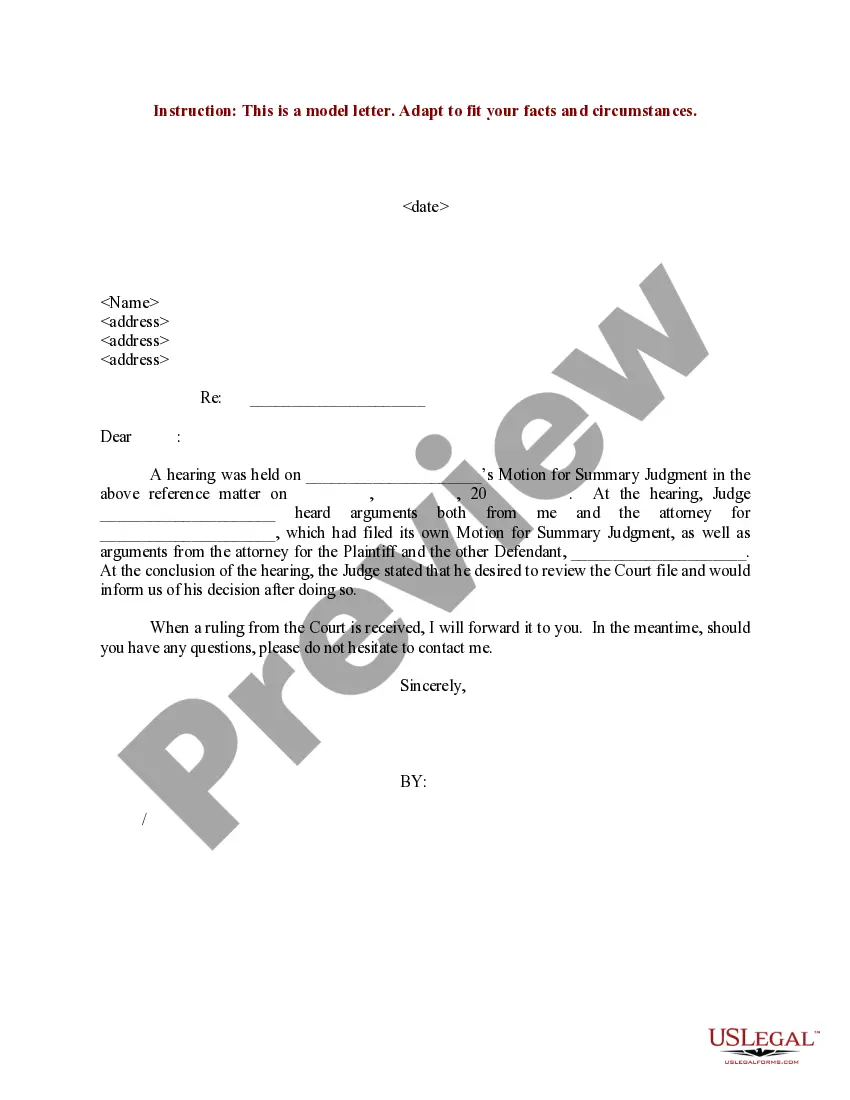
Letter Concerning Hearing Without Consent In Kings
Description
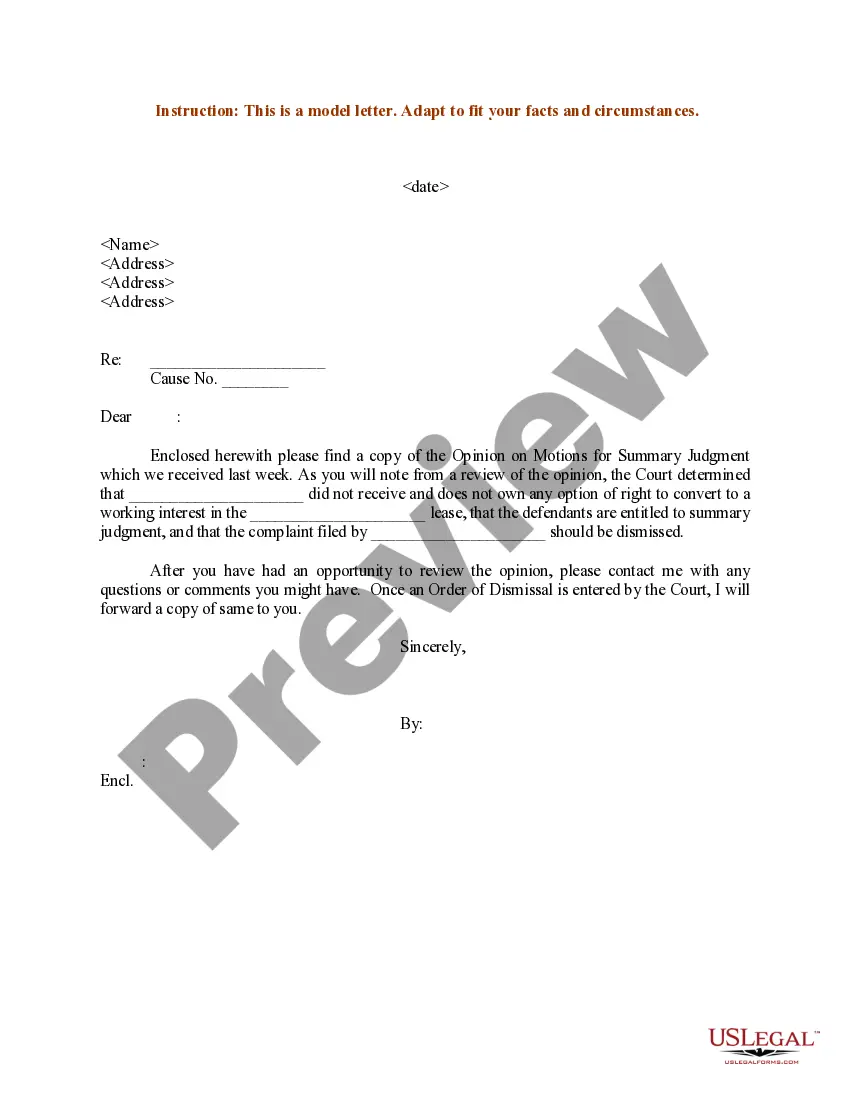
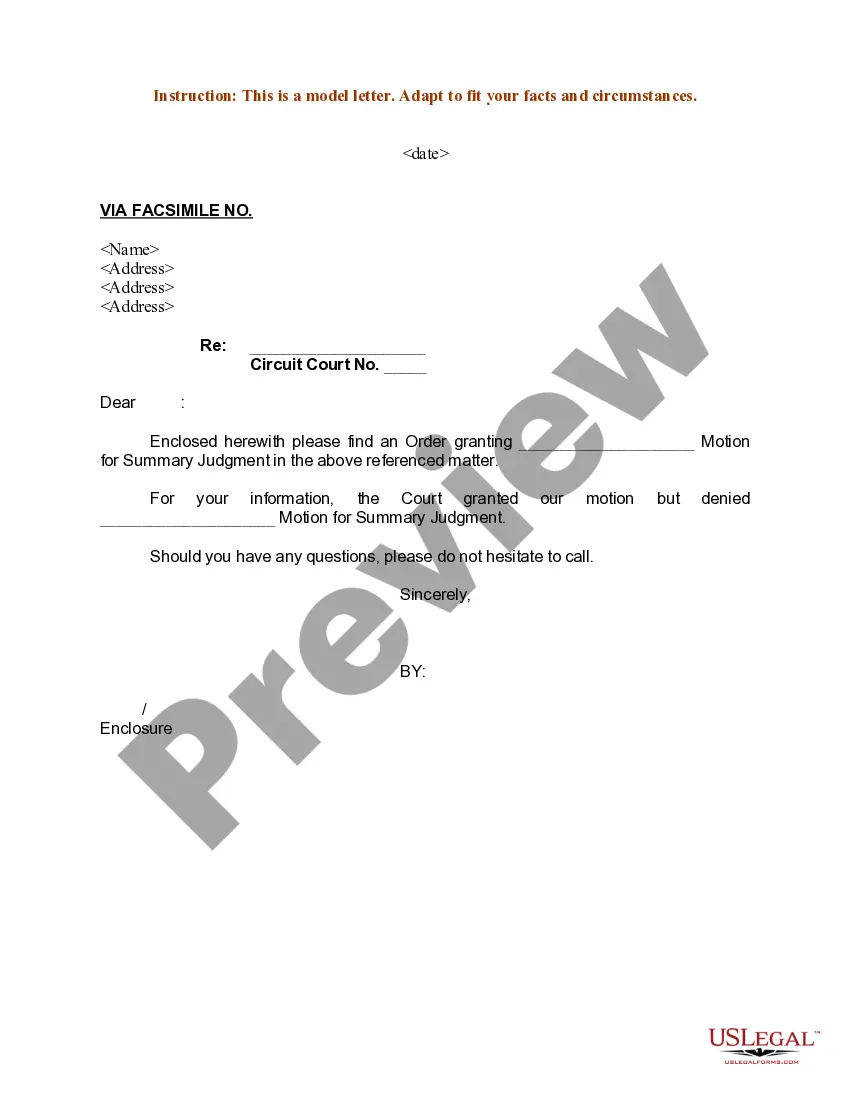
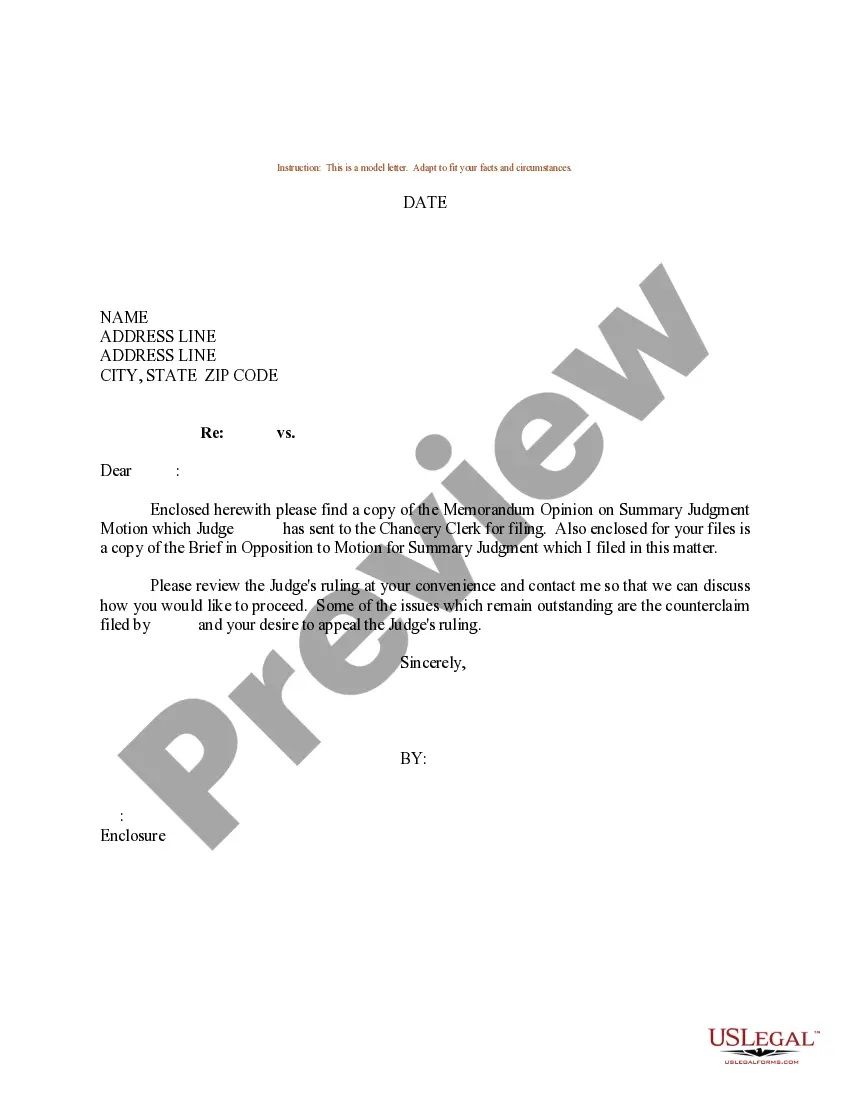
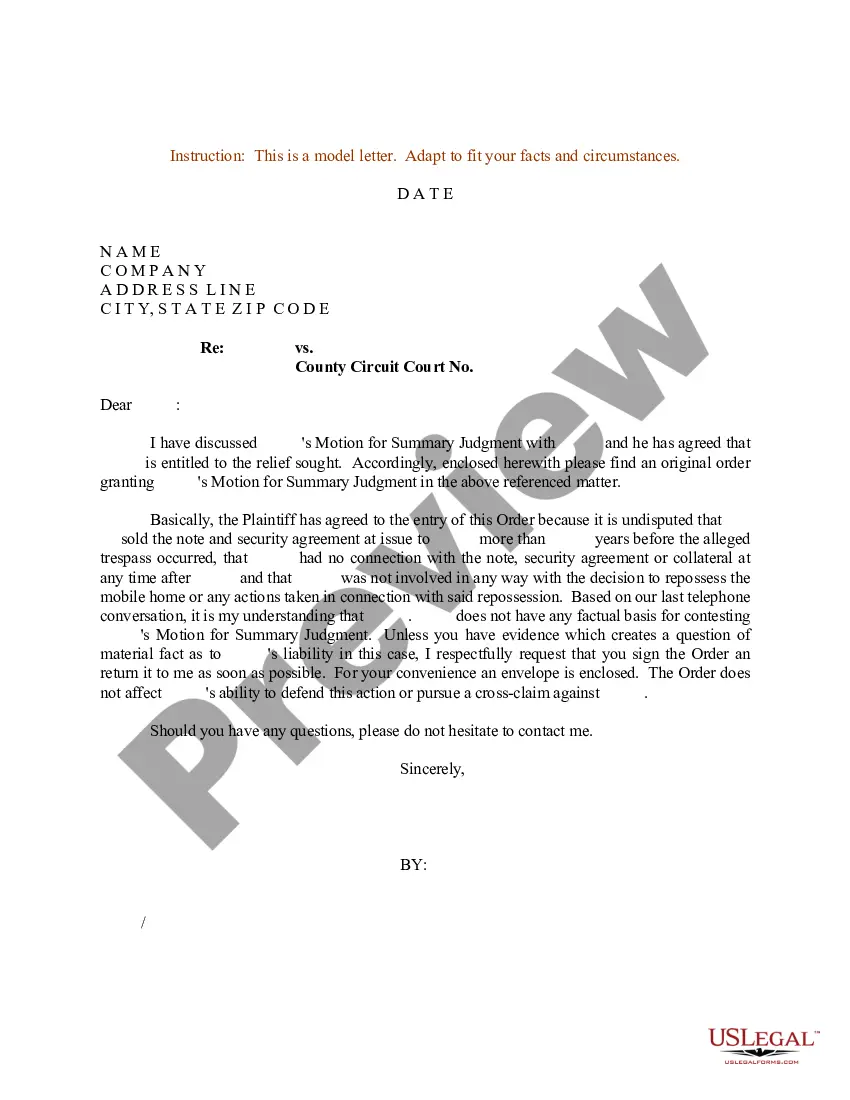
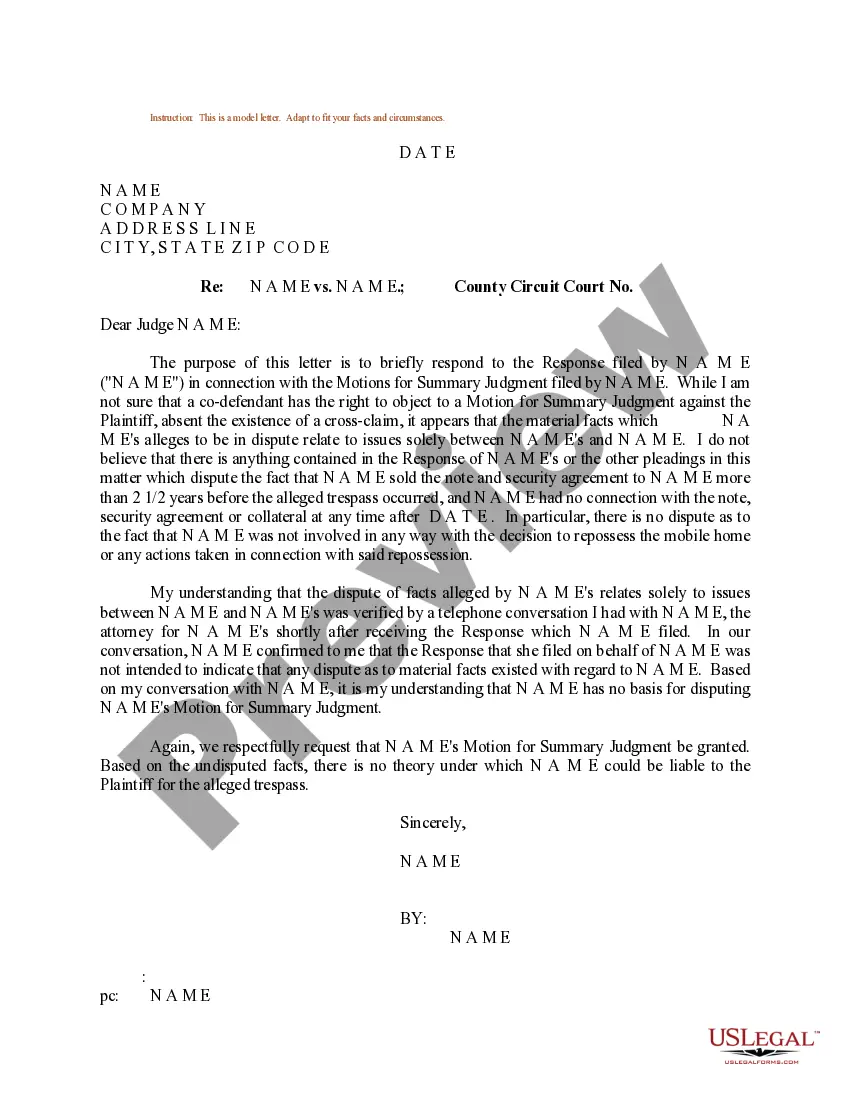
Get your form ready online
Our built-in tools help you complete, sign, share, and store your documents in one place.
Make edits, fill in missing information, and update formatting in US Legal Forms—just like you would in MS Word.
Download a copy, print it, send it by email, or mail it via USPS—whatever works best for your next step.
Sign and collect signatures with our SignNow integration. Send to multiple recipients, set reminders, and more. Go Premium to unlock E-Sign.
If this form requires notarization, complete it online through a secure video call—no need to meet a notary in person or wait for an appointment.
We protect your documents and personal data by following strict security and privacy standards.

Make edits, fill in missing information, and update formatting in US Legal Forms—just like you would in MS Word.

Download a copy, print it, send it by email, or mail it via USPS—whatever works best for your next step.

Sign and collect signatures with our SignNow integration. Send to multiple recipients, set reminders, and more. Go Premium to unlock E-Sign.

If this form requires notarization, complete it online through a secure video call—no need to meet a notary in person or wait for an appointment.

We protect your documents and personal data by following strict security and privacy standards.
Looking for another form?






Form popularity
FAQ
We recommend contacting the court in advance so you can find out more about when to attend. You can find and visit any court you like for your observations and see opening hours and contact details. HM Courts & Tribunals Service (HMCTS) publishes public lists of hearings.
The first step to making a defamation claim is to draft and issue a Letter of Claim, setting out information such as the basis of the claim and what remedies the claimant is seeking. In setting out details of the claim, the claimant should include information such as: What publication contains the defamatory statements.
The cases we most commonly handle are disputes relating to: personal injury. negligence. breach of contract. breach of a statutory duty. breach of the Human Rights Act 1998. libel, slander and other torts.
Burden of proof on the defendant While specific legal requirements may differ depending on local laws, the common laws of libel generally only require the claimant to prove that a statement was made by the defendant, and that it was defamatory – a relatively easy element to prove.
Cases are usually heard by a High Court Judge in the Royal Courts of Justice or a Circuit Judge outside London. There may also be a jury if your case involves libel, defamation or slander. Both sides will have the chance to: make opening and closing statements.
VMalicious defamatory Libel, by Imprisonment or Fine. And be it enacted, That if any Person shall maliciously publish any defamatory Libel, every such Person, being convicted thereof, shall be liable to Fine or Imprisonment or both, as the Court may award, such Imprisonment not to exceed the Term of One Year.
What Are The 5 Elements Of Defamation? Publication Of Information Is Required. The Person Being Defamed Was Identified By The Statement. The Remarks Had A Negative Impact On The Person's Reputation. The Published Information Is Demonstrably False. The Defendant Is At Fault.
A quick definition of King's Court: It was a group of advisers who traveled with the king, advising him on political matters and acting as an appellate court in important or complicated cases. Over time, the functions of the court became exclusively judicial in nature.