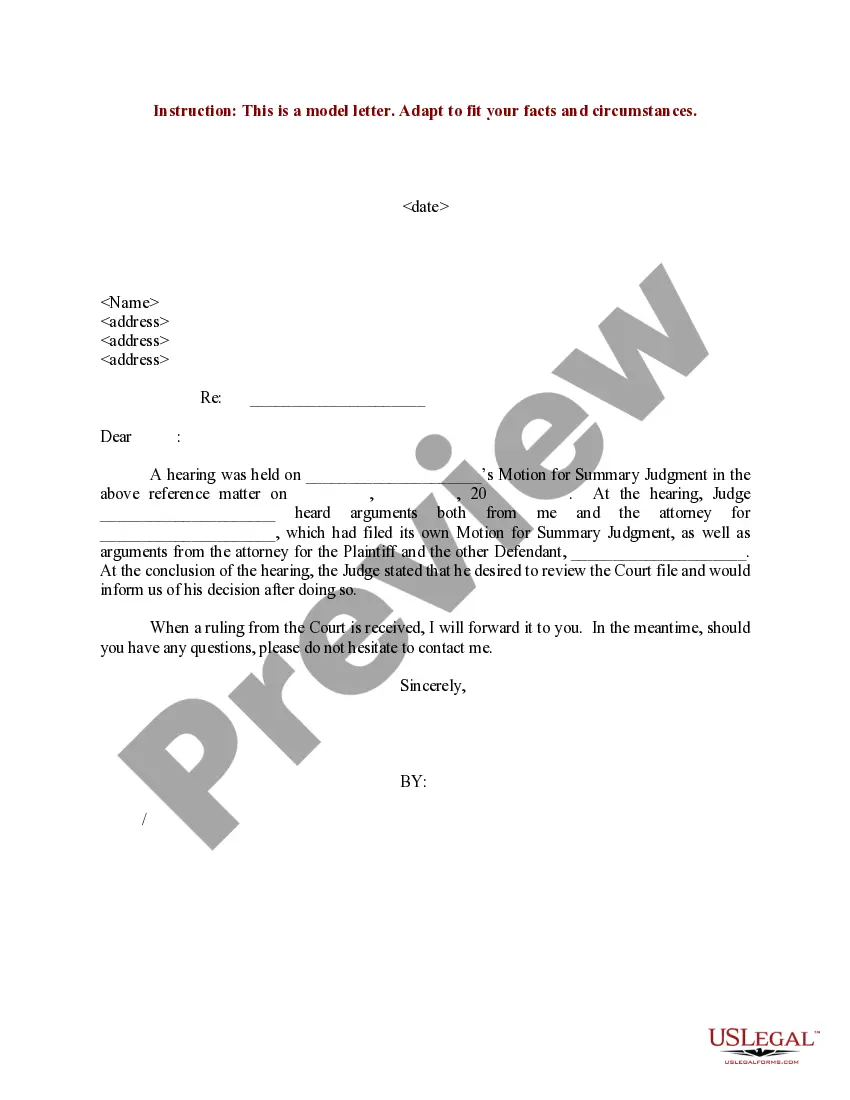
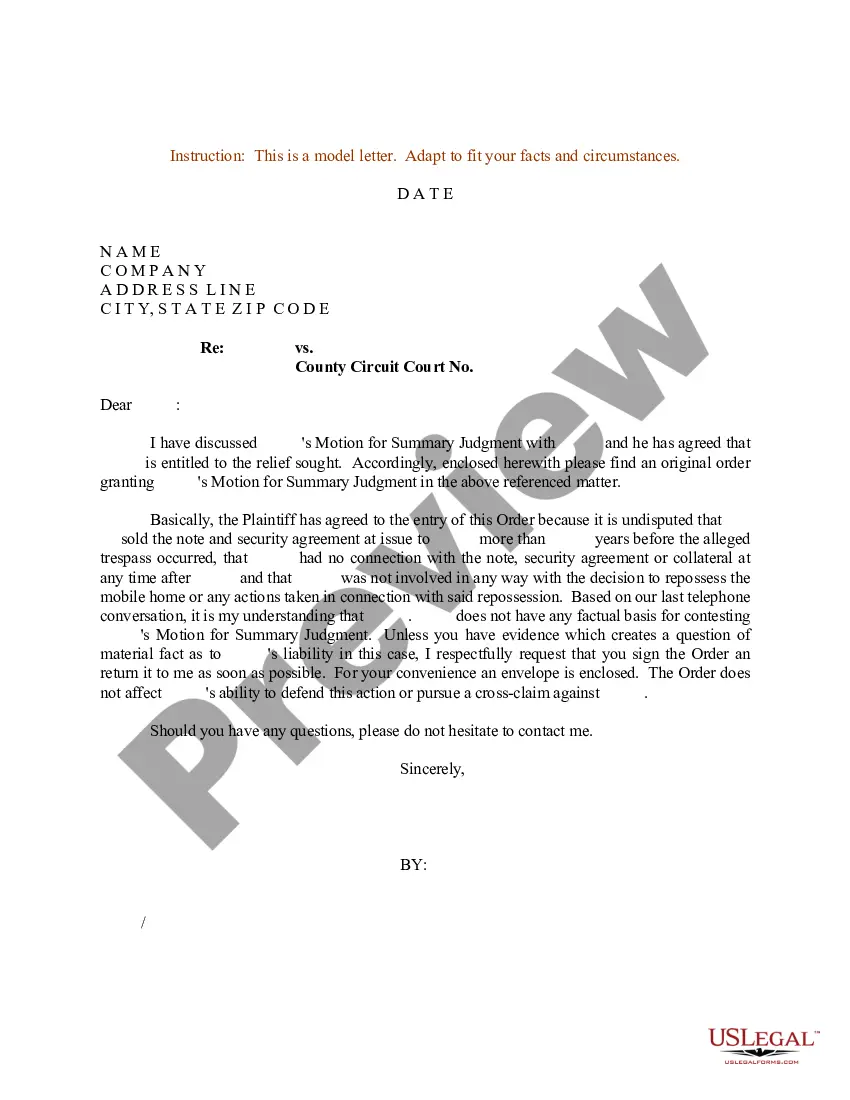
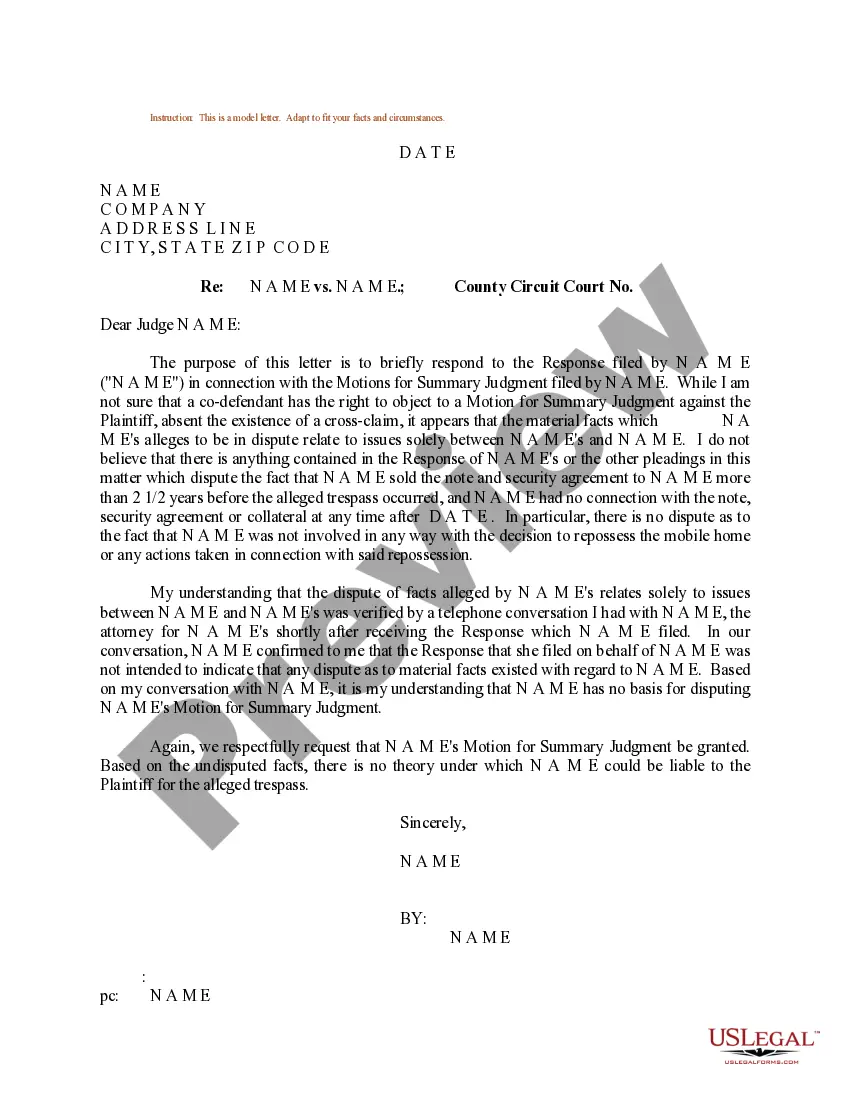
Letter Concerning Hearing For Employee In Harris
Description
Get your form ready online
Our built-in tools help you complete, sign, share, and store your documents in one place.
Make edits, fill in missing information, and update formatting in US Legal Forms—just like you would in MS Word.
Download a copy, print it, send it by email, or mail it via USPS—whatever works best for your next step.
Sign and collect signatures with our SignNow integration. Send to multiple recipients, set reminders, and more. Go Premium to unlock E-Sign.
If this form requires notarization, complete it online through a secure video call—no need to meet a notary in person or wait for an appointment.
We protect your documents and personal data by following strict security and privacy standards.

Make edits, fill in missing information, and update formatting in US Legal Forms—just like you would in MS Word.

Download a copy, print it, send it by email, or mail it via USPS—whatever works best for your next step.

Sign and collect signatures with our SignNow integration. Send to multiple recipients, set reminders, and more. Go Premium to unlock E-Sign.

If this form requires notarization, complete it online through a secure video call—no need to meet a notary in person or wait for an appointment.

We protect your documents and personal data by following strict security and privacy standards.
Looking for another form?





Form popularity
FAQ
Notice of disciplinary hearing letter: possible warning Today's date Dear name of employee ... give details. I enclose the following evidence: list of enclosed evidence. The possible consequences arising from this hearing might be: give possible consequences. Name of manager
Explain the nature of the misconduct The disciplinary outcome letter should provide a summary of the employee's misconduct, including when the offence occurred. what impact the misconduct had on the employee's work and colleagues.
Guideline: Notice of a Disciplinary Hearing The employee must be notified of the allegations in a form and language that he/she can reasonably understand; The employee must be allowed a reasonable time to prepare (usually 48 hours is considered sufficient, but this should be extended in complex matters);
Dear Employee's Name, I am writing to inform you that you are required to attend a disciplinary hearing in Place on Date at Time. The purpose of the hearing is to consider an allegation of misconduct OR gross misconduct against you. The allegation is that Set Out Specific Details Of Allegation.
I do not agree that I have committed this offence because state your reasoning/main points of your case. If whatever is alleged actually took place then it was not my fault because outline your reasoning/main points of why you are not responsible.
An opening statement should include : A brief summary of the case. Reference to any facts that are not in dispute. The issues that are in dispute. What has to be decided by the Chairman. How you intend to demonstrate your case through your evidence. What result you are seeking.
At the start of the disciplinary hearing, the manager should introduce everyone present; explain the allegations against the employee and the purpose of the hearing. The employee should again be reminded of their right to be accompanied if they have attended unaccompanied.
Initiating disciplinary proceedings - step by step guide Inform the employee: Notify the employee in writing about the alleged misconduct or performance issue, providing clear and specific details. Ensure that the employee understands the nature of the allegations and the potential consequences of their actions.
What happens in the meeting remain impartial. do their best to understand the feelings of the person raising the grievance. take notes or appoint someone else to take them. go through the evidence. consider if they need to investigate further.
In civil cases, the first stage is the filing of a petition by a plaintiff, which states the legal basis for the lawsuit. A petition sets out the petitioner's version of the facts. The defendant then receives a copy of it and a notice to appear in court. In legal terms, petitions are similar to complaints.