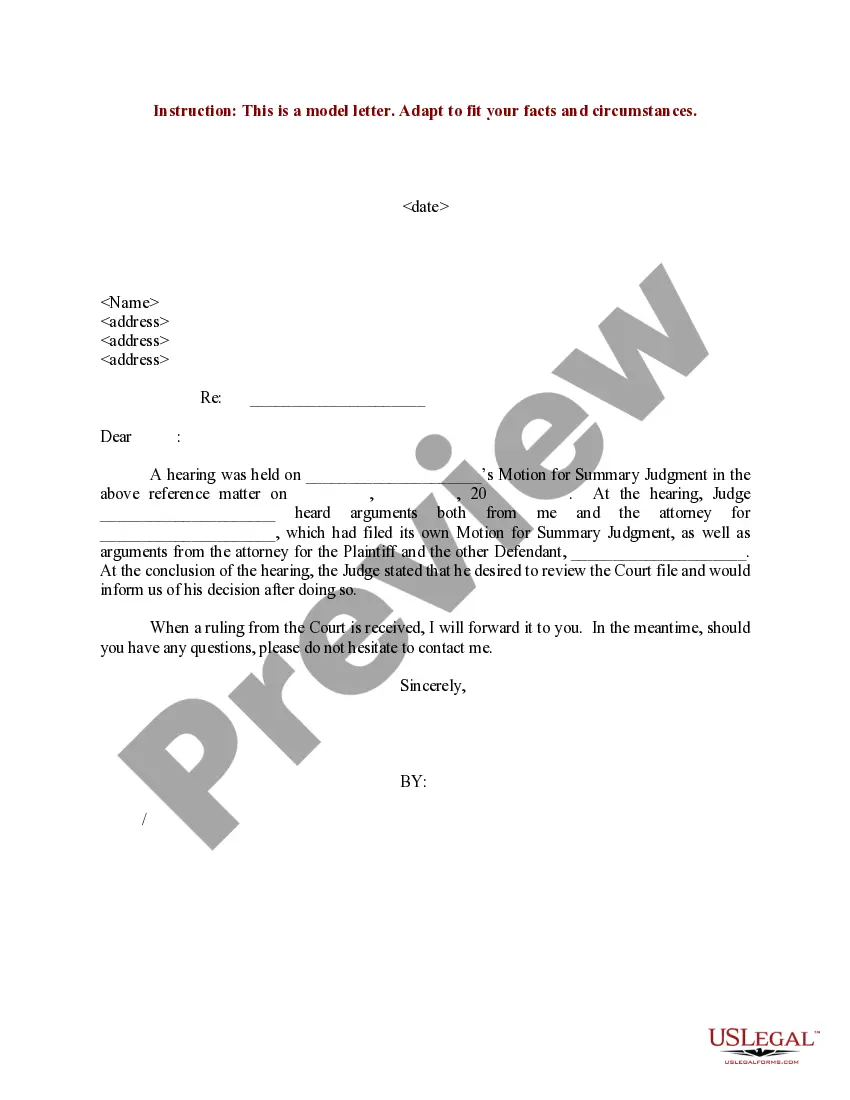
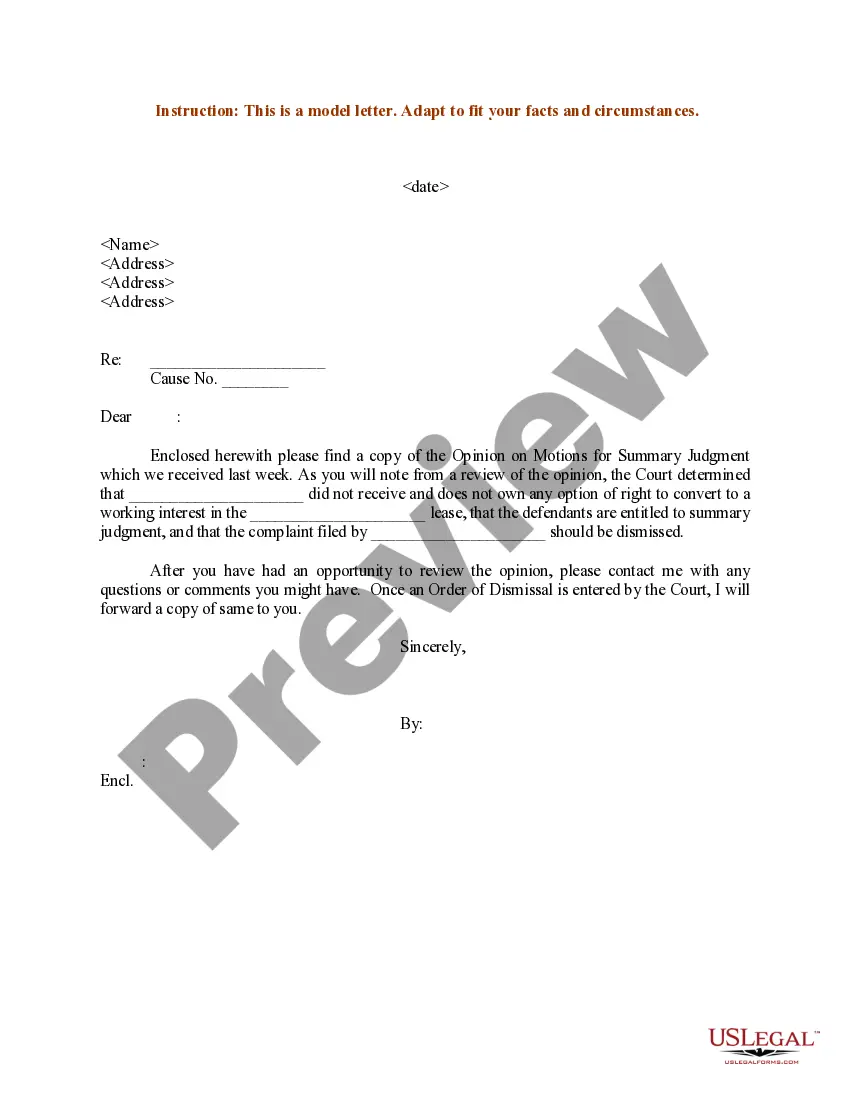
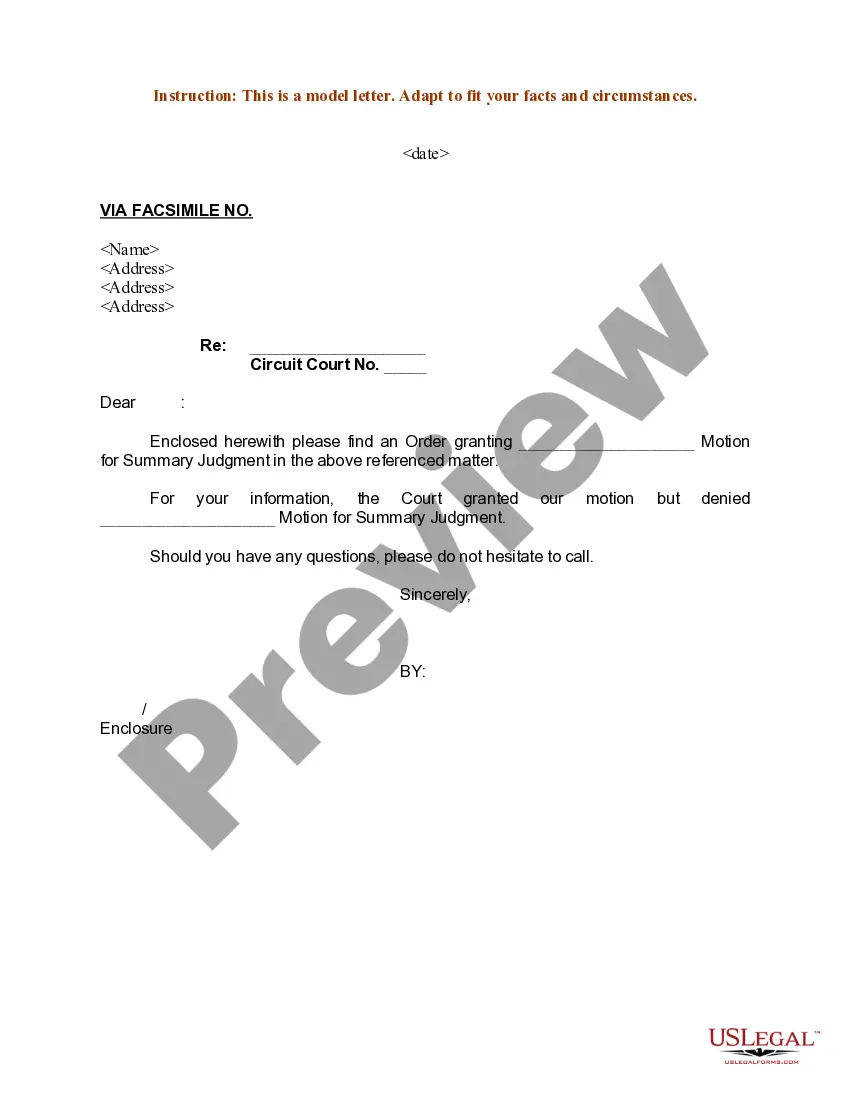
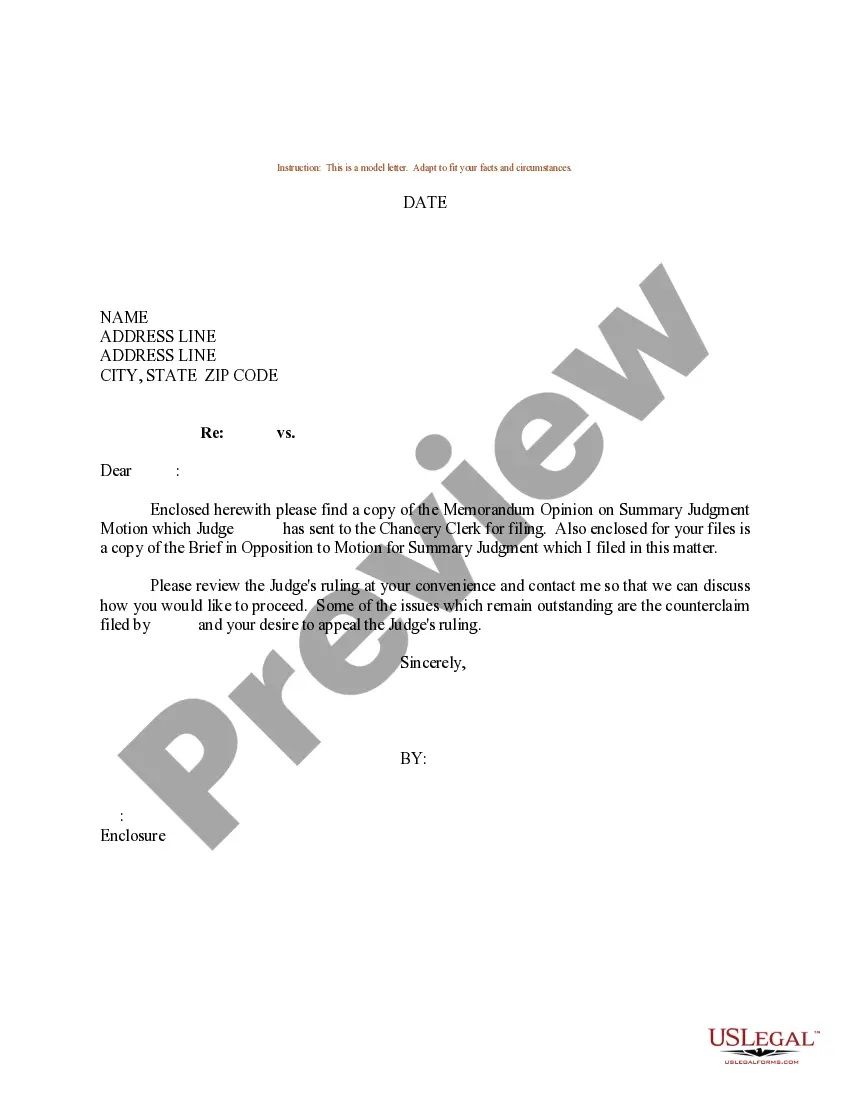
Motion Hearing In Court In Alameda
Description
Get your form ready online
Our built-in tools help you complete, sign, share, and store your documents in one place.
Make edits, fill in missing information, and update formatting in US Legal Forms—just like you would in MS Word.
Download a copy, print it, send it by email, or mail it via USPS—whatever works best for your next step.
Sign and collect signatures with our SignNow integration. Send to multiple recipients, set reminders, and more. Go Premium to unlock E-Sign.
If this form requires notarization, complete it online through a secure video call—no need to meet a notary in person or wait for an appointment.
We protect your documents and personal data by following strict security and privacy standards.

Make edits, fill in missing information, and update formatting in US Legal Forms—just like you would in MS Word.

Download a copy, print it, send it by email, or mail it via USPS—whatever works best for your next step.

Sign and collect signatures with our SignNow integration. Send to multiple recipients, set reminders, and more. Go Premium to unlock E-Sign.

If this form requires notarization, complete it online through a secure video call—no need to meet a notary in person or wait for an appointment.

We protect your documents and personal data by following strict security and privacy standards.
Looking for another form?








Form popularity
FAQ
If you want to file a motion, the process is generally something like this: You write your motion. You file your motion with the court clerk. The court clerk inserts the date and time your motion will be heard by the judge. You “serve” (mail) your motion to the other side.
You will have to formally prepare the Motion or oppose a Motion on pleading paper in ance with the law and California Rules of Court. There are no fillable forms. Motions are complicated. You may wish to seek the advice of a lawyer to be sure the documents are properly prepared.
In every case, to present an ex parte application to the court, a party must: reserve a hearing date with the applicable department (for applications that require a hearing.) ... file the motion with the court, and. give notice of the hearing date as required by law.
What does a motion mean in a hearing? A motion is a formal request made to the court by one of the parties involved in the case, asking the judge to issue a ruling or order on a specific legal or procedural matter.
A party seeking a continuance of the date set for trial, whether contested or uncontested or stipulated to by the parties, must make the request for a continuance by a noticed motion or an ex parte application under the rules in chapter 4 of this division, with supporting declarations.
Unless otherwise required by law, a motion must consist of at least the following: A notice of hearing on the motion. The motion itself. A memorandum in support of the motion or demurrer (referred to as points and authorities)
If you want to file a motion, the process is generally something like this: You write your motion. You file your motion with the court clerk. The court clerk inserts the date and time your motion will be heard by the judge. You “serve” (mail) your motion to the other side.
A motion is a kind of letter, which includes at least three things: What the party wants the Administrative Law Judge, or ALJ,to do; An explanation as to why the ALJ should do it; and. Any facts the party thinks are important that support the requested action.