Chattel Mortgage Form With Balloon In Utah
Description

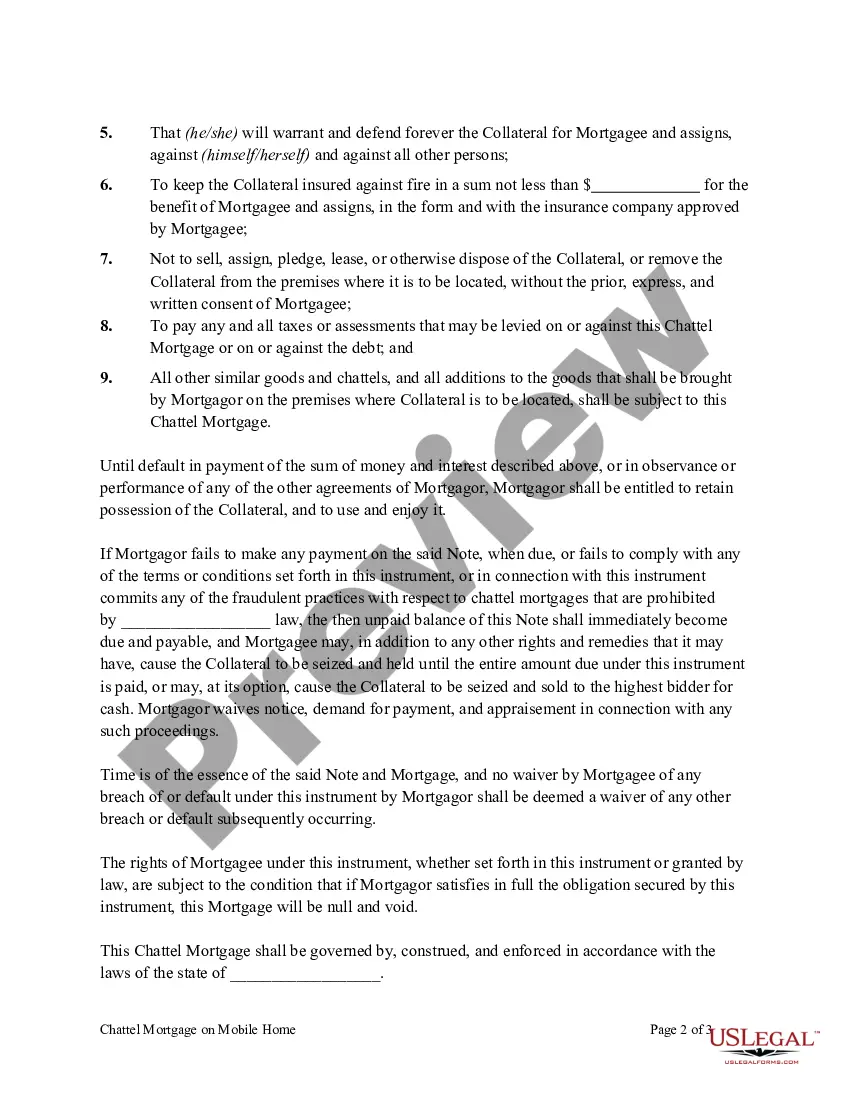
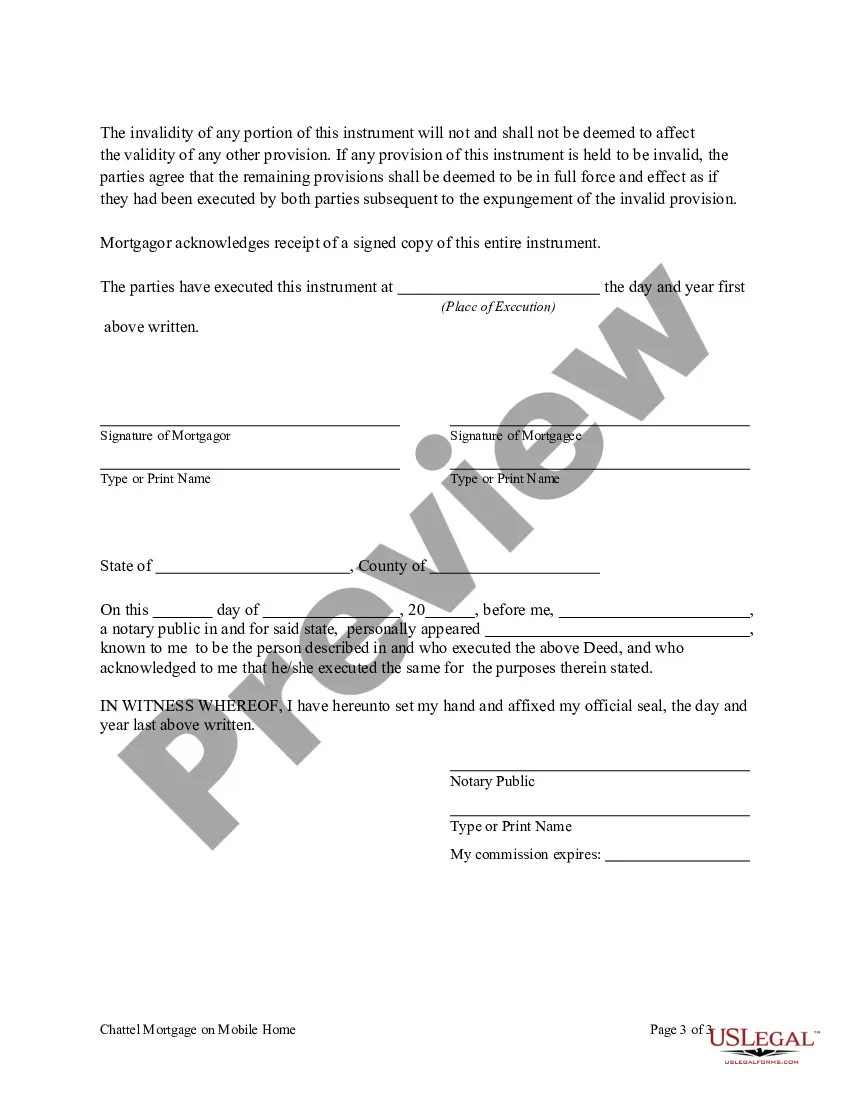
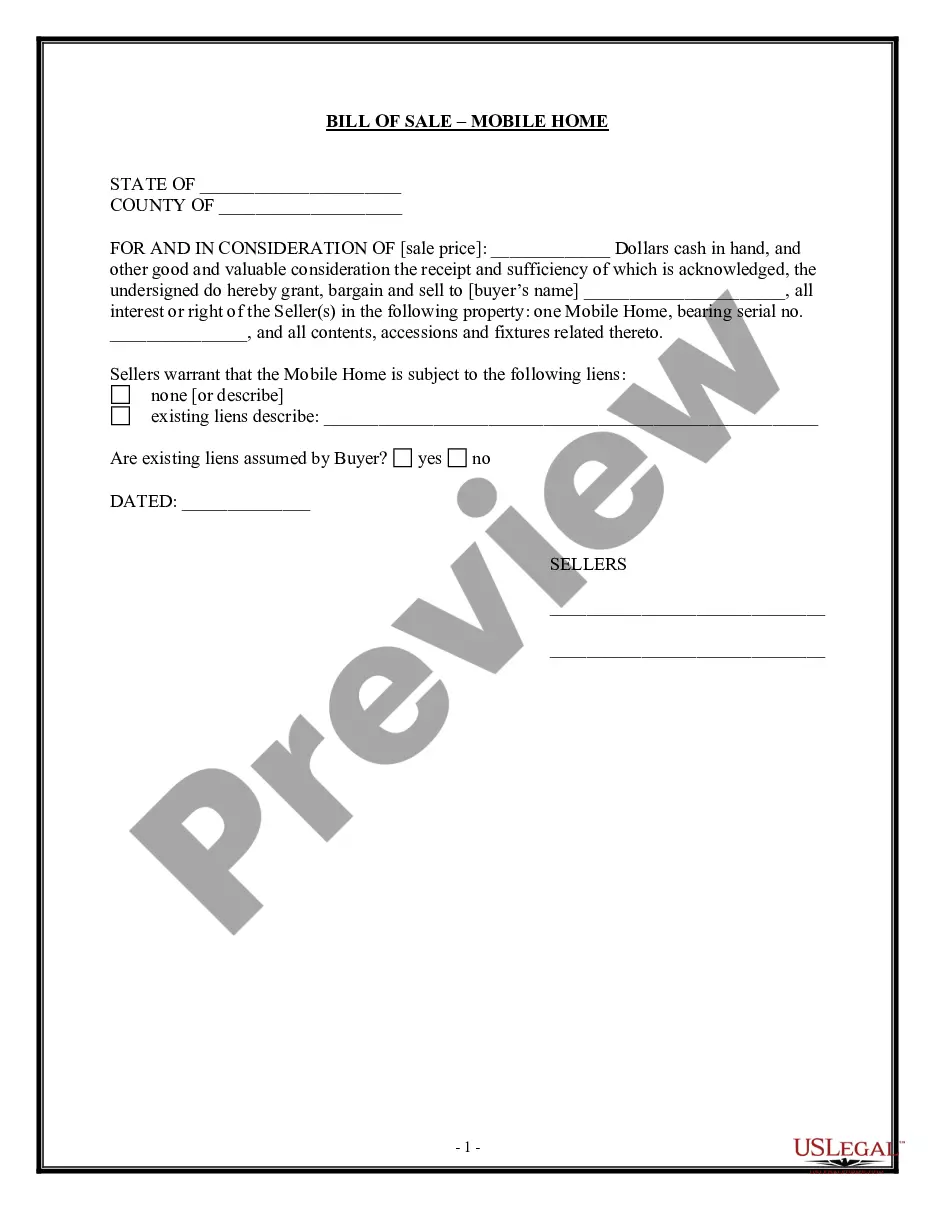
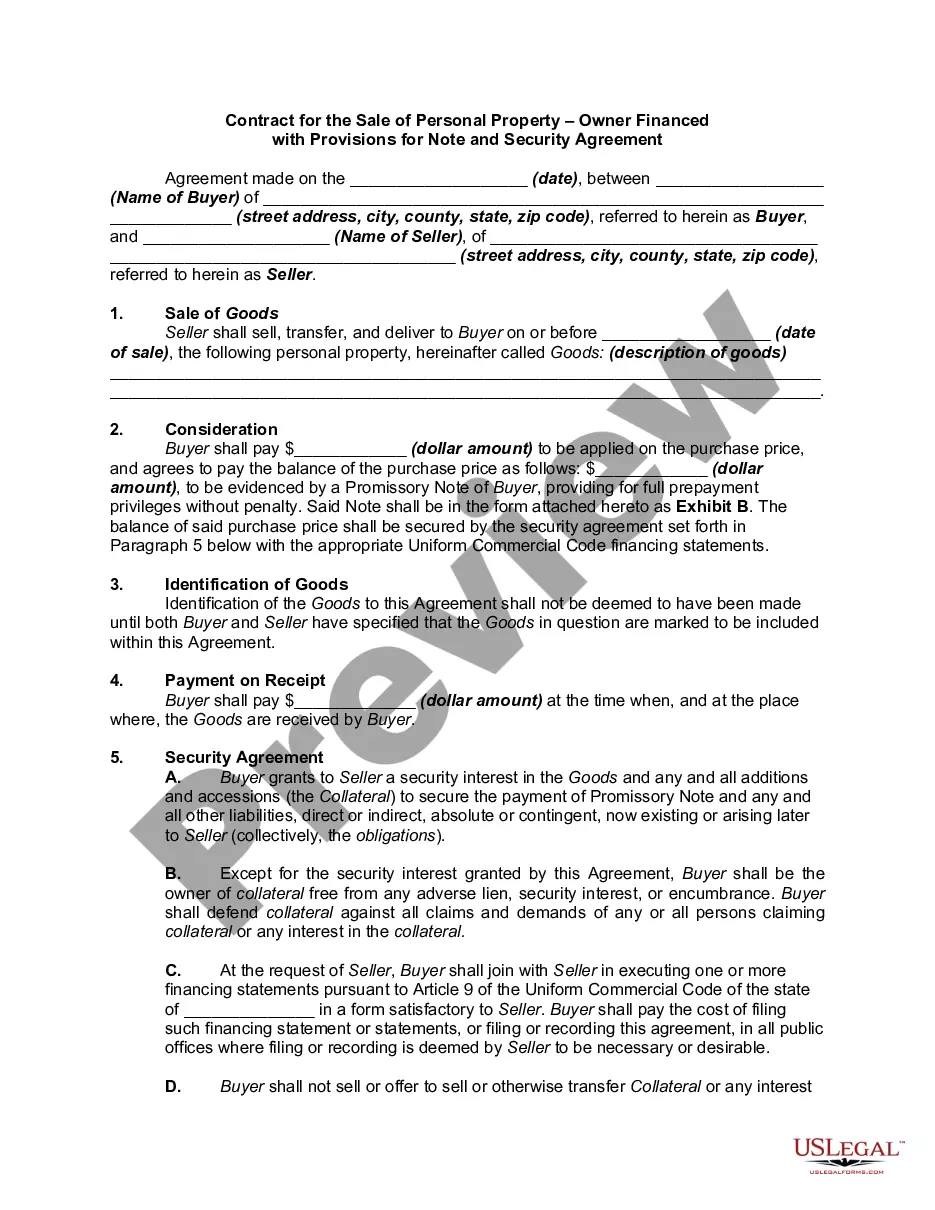
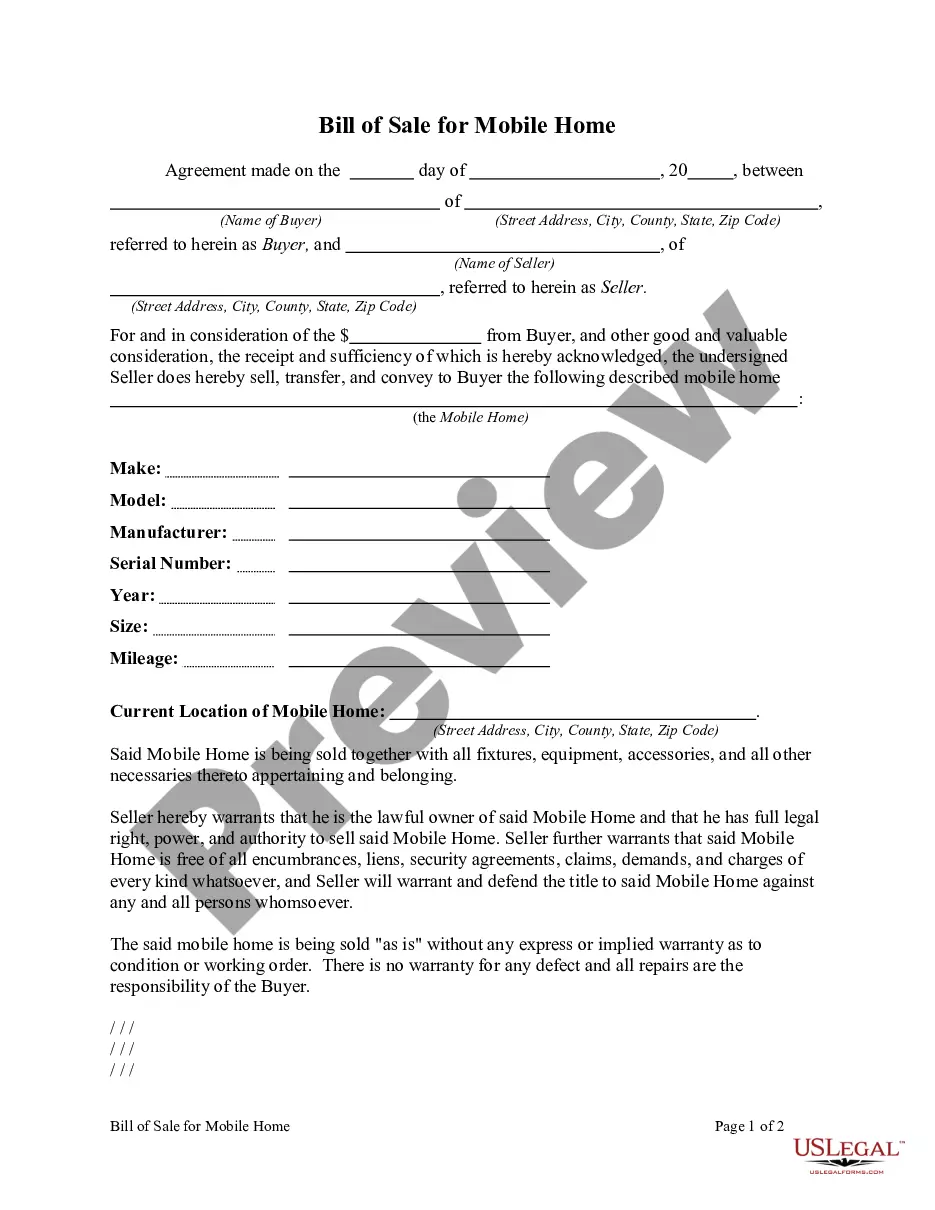
Get your form ready online
Our built-in tools help you complete, sign, share, and store your documents in one place.
Make edits, fill in missing information, and update formatting in US Legal Forms—just like you would in MS Word.
Download a copy, print it, send it by email, or mail it via USPS—whatever works best for your next step.
Sign and collect signatures with our SignNow integration. Send to multiple recipients, set reminders, and more. Go Premium to unlock E-Sign.
If this form requires notarization, complete it online through a secure video call—no need to meet a notary in person or wait for an appointment.
We protect your documents and personal data by following strict security and privacy standards.

Make edits, fill in missing information, and update formatting in US Legal Forms—just like you would in MS Word.

Download a copy, print it, send it by email, or mail it via USPS—whatever works best for your next step.

Sign and collect signatures with our SignNow integration. Send to multiple recipients, set reminders, and more. Go Premium to unlock E-Sign.

If this form requires notarization, complete it online through a secure video call—no need to meet a notary in person or wait for an appointment.

We protect your documents and personal data by following strict security and privacy standards.
Looking for another form?









Form popularity
FAQ
Balloon mortgages are short-term loans that begin with a series of fixed payments and end with a final, lump-sum payment. That one-time payment is called a balloon payment because it's often at least twice as much as the previous ones, leaving many borrowers with a final bill for tens of thousands of dollars (or more).
Potential Downsides of Balloon Mortgages for Homebuyers Foreclosure can result in the loss of the home, emotional distress, and impact the borrower's credit negatively, generally for seven years. The first balloon mortgage payments primarily cover the interest rather than the principal.
The term of a balloon mortgage is usually short (e.g., 5 years), but the payment amount is amortized over a longer term (e.g., 30 years). An advantage of these loans is that they often have a lower interest rate, but the final balloon payment is substantial.
onsale clause is a clause found in some deeds of trust giving the mortgagee the right to declare an acceleration of the mortgage debt if the property is sold without the mortgagee's written consent. The clause is also called an alienation clause, call clause, or a right to sell clause.
Nearly all loans originated today contain a standard “due on sale” clause which usually reads something like: “If all or any part of the property herein is transferred without the lender's prior written consent, the lender may require all sums secured hereby immediately due and payable.”
Garn-St. Germain Federal Depository Institutions Act. This Act made it federal law that banks could enforce a due-on-sale clause, with certain exceptions. The Garn-St. Germain Act did not make it illegal to transfer the title of a mortgaged property, so violations will not result in any criminal penalties.
Uniform contracts are typically created by state or local real estate associations and are legally binding. However, some contracts may have different clauses or terms depending on the region, so it's crucial to review them carefully before signing.
