Chattel Mortgage Form Foreclosure In Mecklenburg
Description

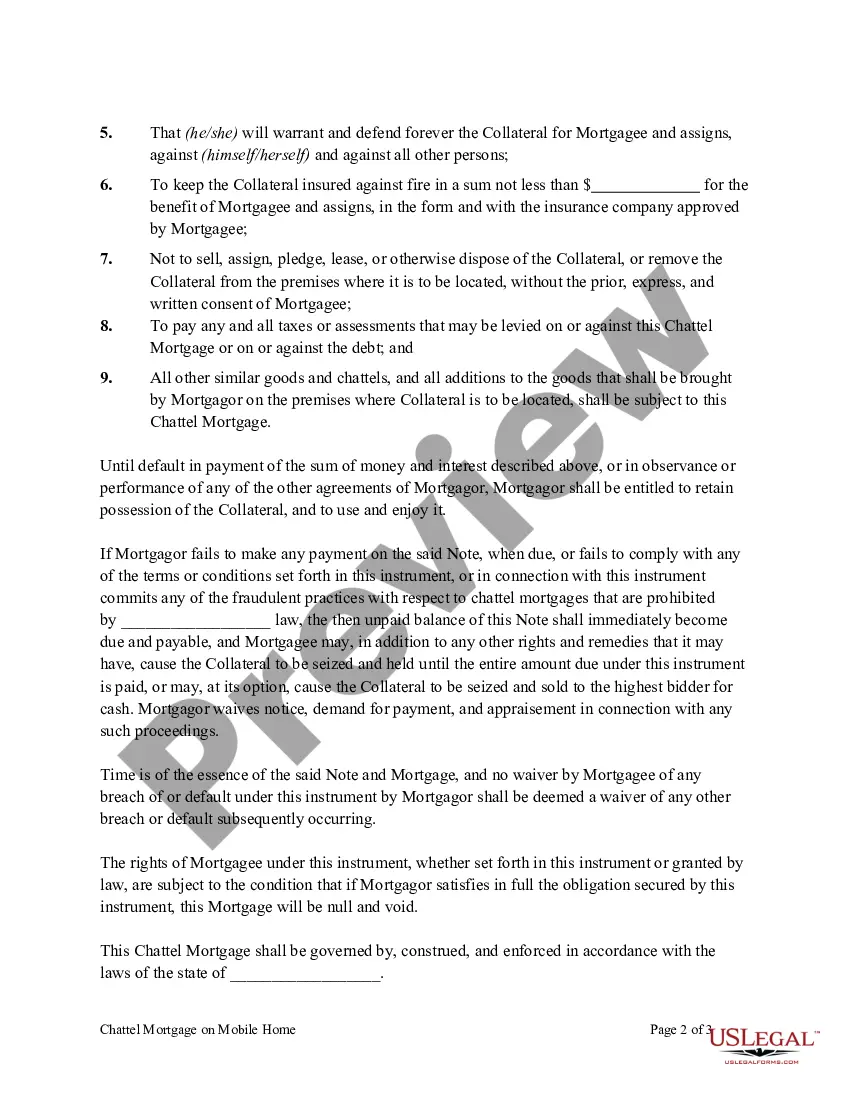
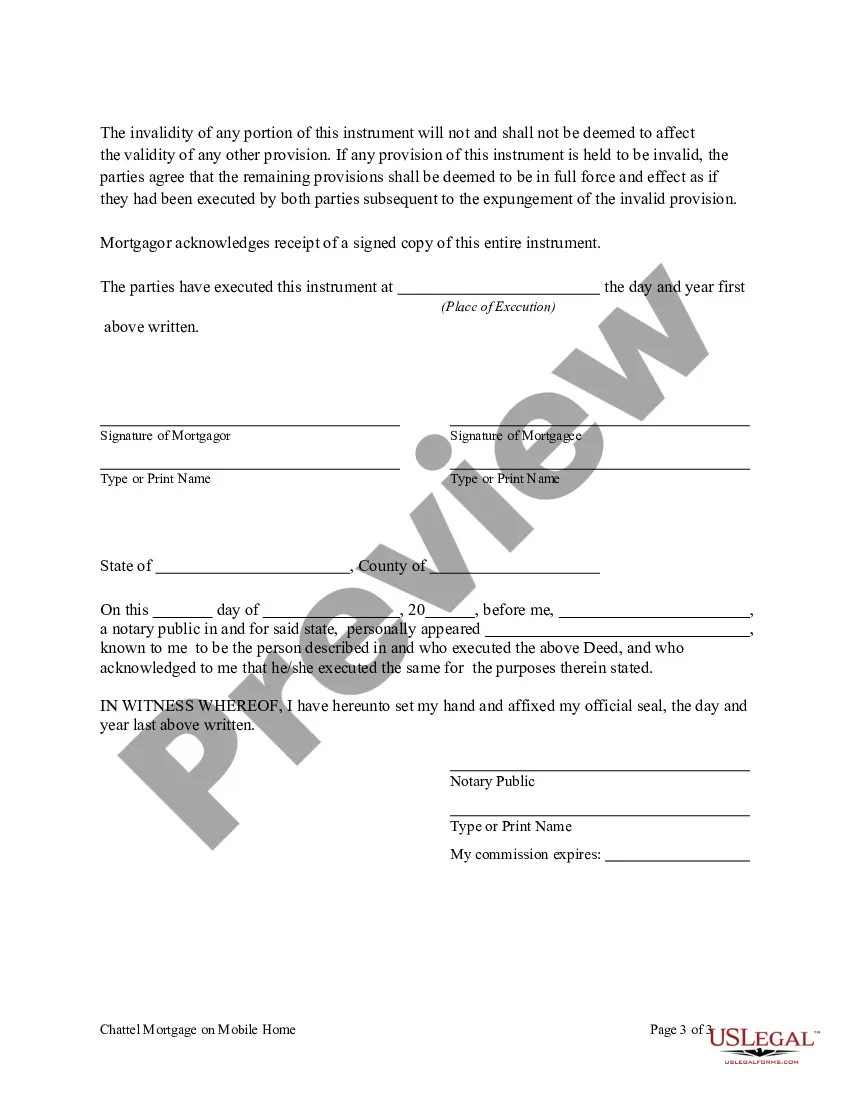
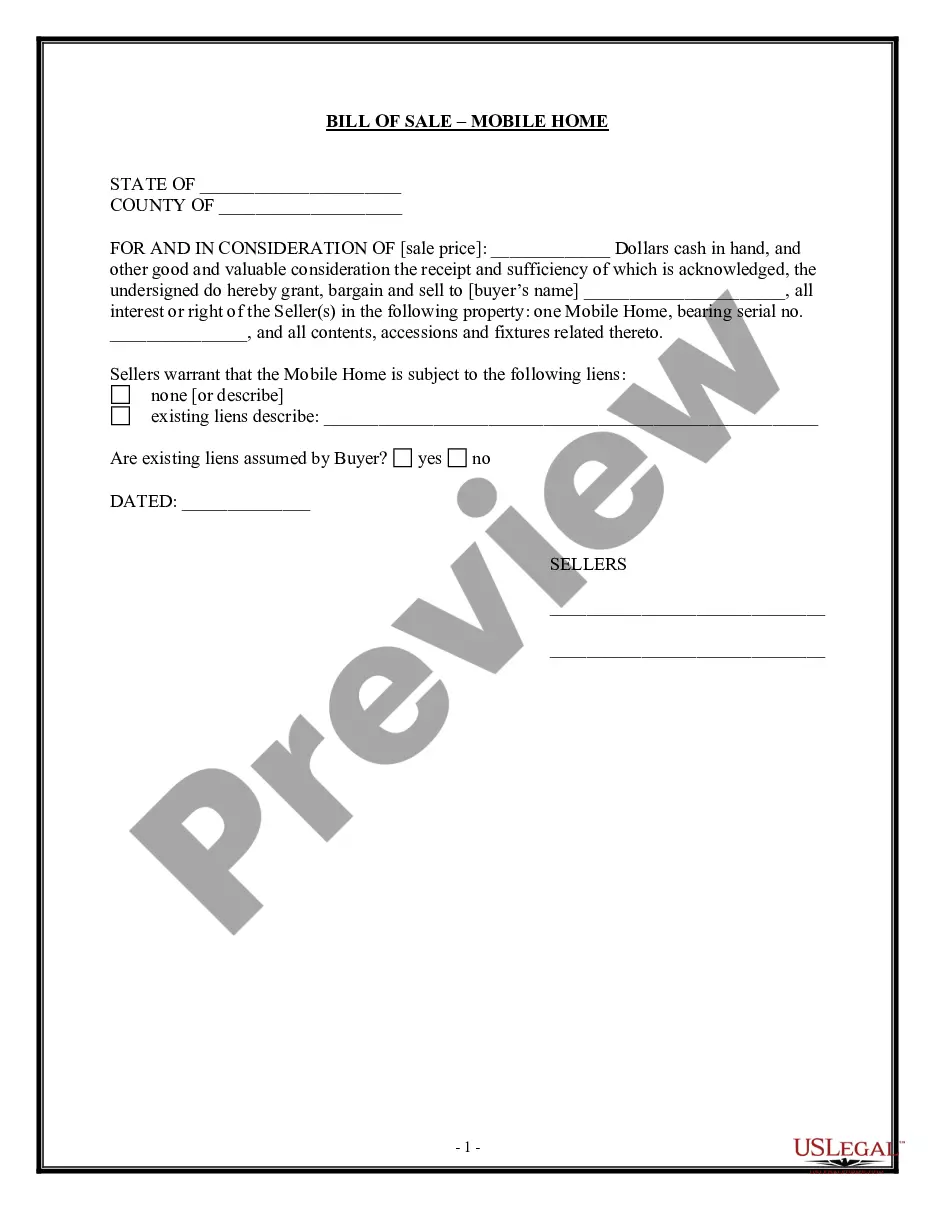
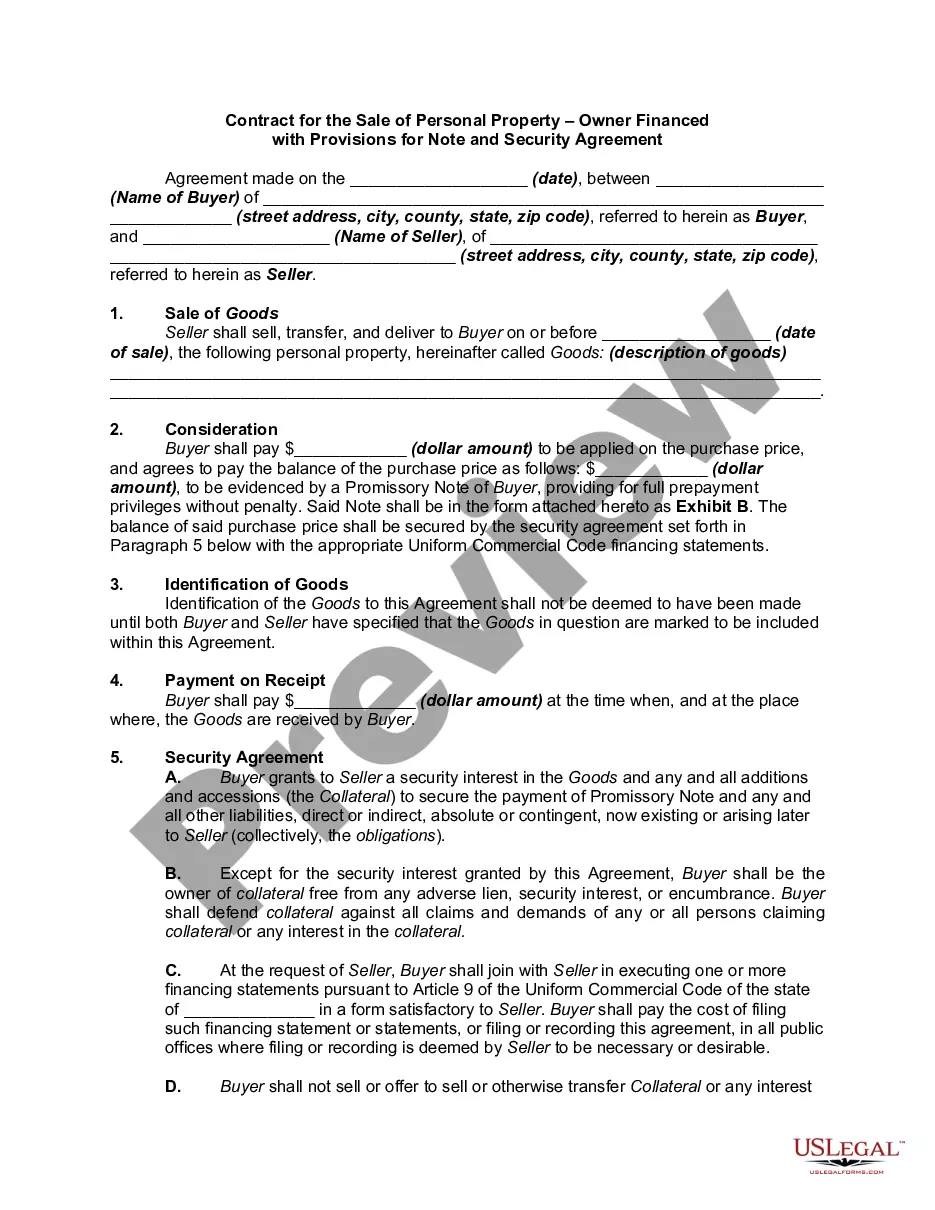
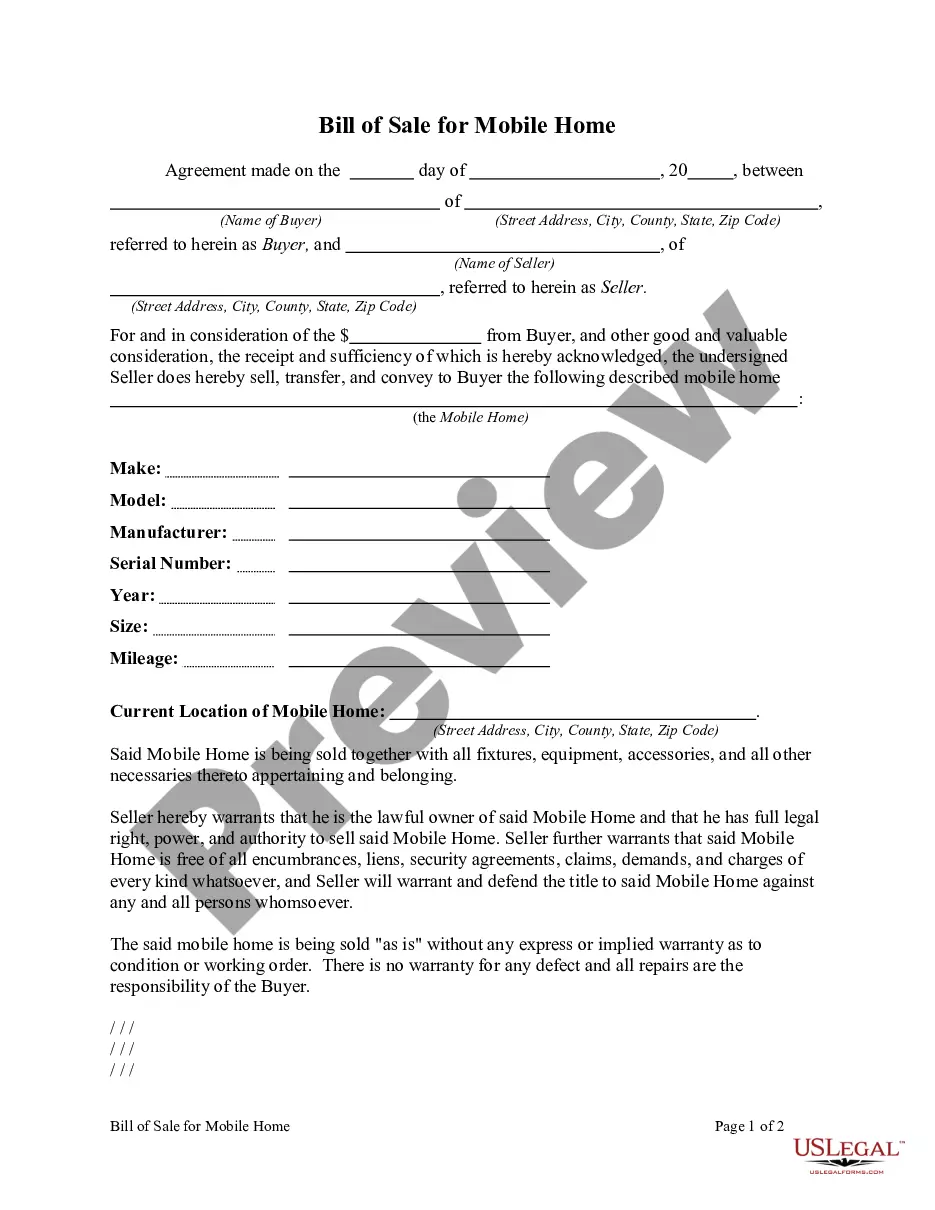
Get your form ready online
Our built-in tools help you complete, sign, share, and store your documents in one place.
Make edits, fill in missing information, and update formatting in US Legal Forms—just like you would in MS Word.
Download a copy, print it, send it by email, or mail it via USPS—whatever works best for your next step.
Sign and collect signatures with our SignNow integration. Send to multiple recipients, set reminders, and more. Go Premium to unlock E-Sign.
If this form requires notarization, complete it online through a secure video call—no need to meet a notary in person or wait for an appointment.
We protect your documents and personal data by following strict security and privacy standards.

Make edits, fill in missing information, and update formatting in US Legal Forms—just like you would in MS Word.

Download a copy, print it, send it by email, or mail it via USPS—whatever works best for your next step.

Sign and collect signatures with our SignNow integration. Send to multiple recipients, set reminders, and more. Go Premium to unlock E-Sign.

If this form requires notarization, complete it online through a secure video call—no need to meet a notary in person or wait for an appointment.

We protect your documents and personal data by following strict security and privacy standards.
Looking for another form?


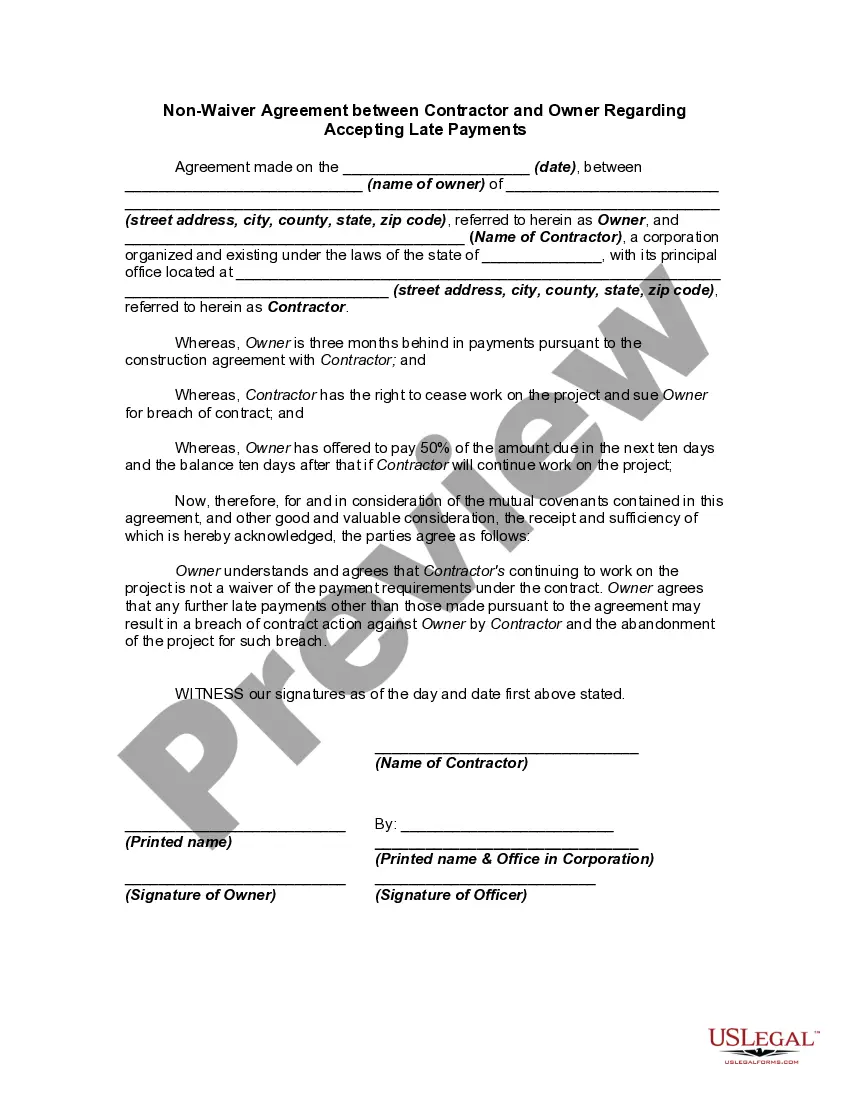

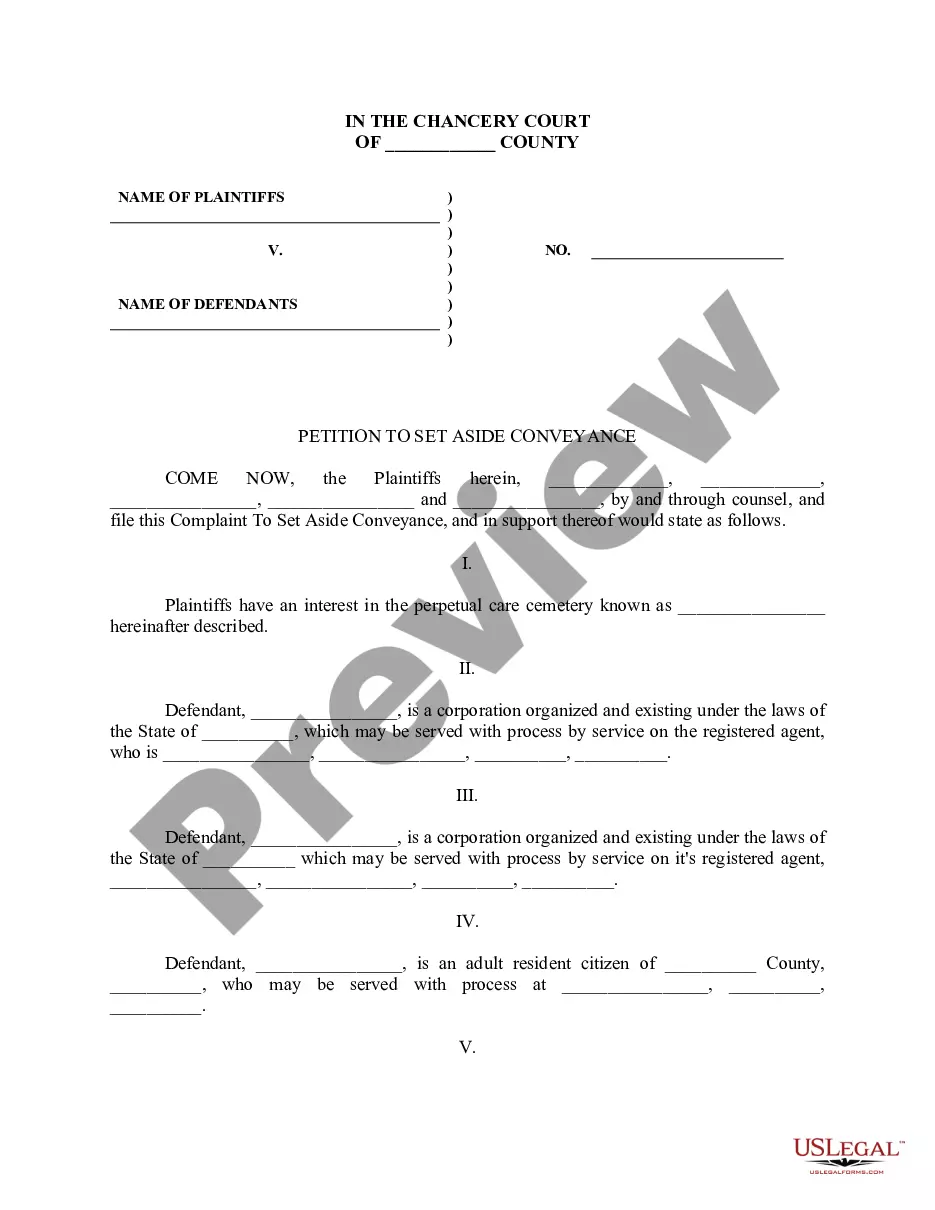
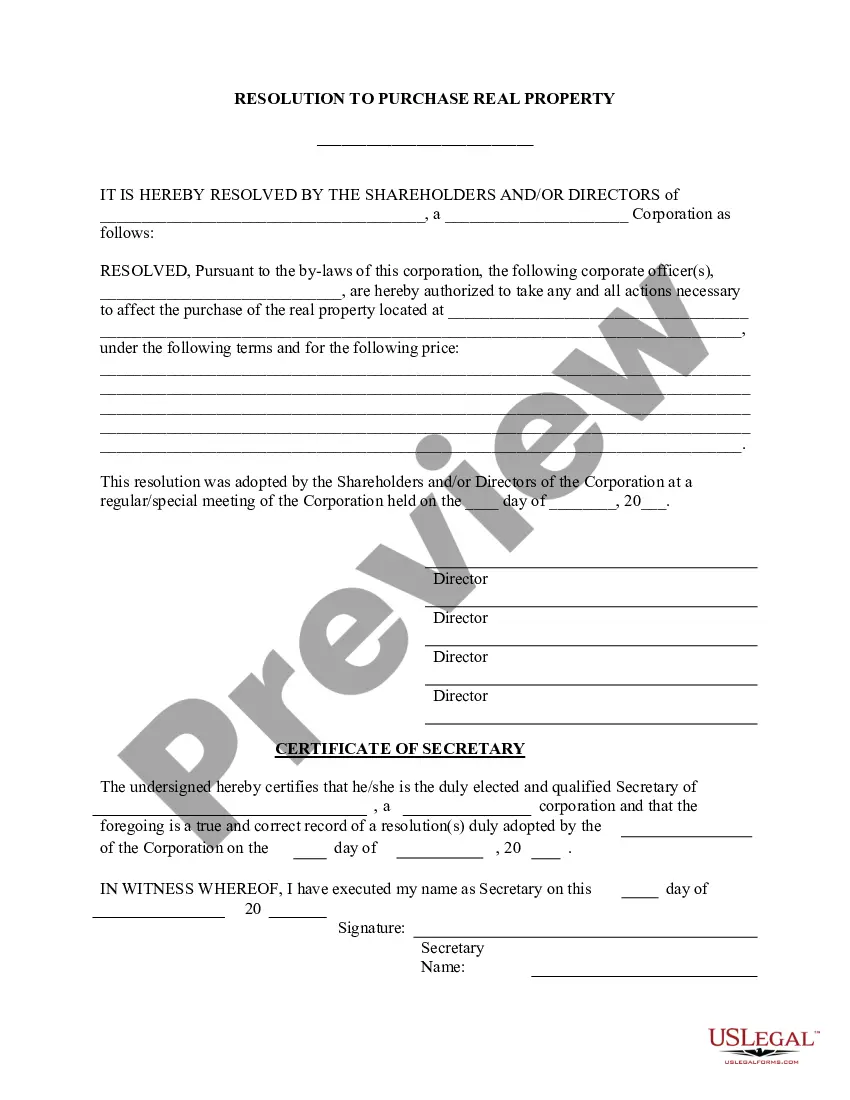


Form popularity
FAQ
In many cases, filing for Chapter 7 bankruptcy can delay the foreclosure by a matter of months. Or, if you want to save your home, filing for Chapter 13 bankruptcy might be the answer. To find out about the options available, speak with a local bankruptcy attorney.
Federal foreclosure laws prevent lenders from starting a foreclosure until a homeowner's payments have been past due for at least 120 days. This gives a North Carolina homeowner time to catch up on payments, apply for loss mitigation, or begin the bankruptcy process.
In North Carolina, the foreclosure process typically takes around 120 days from the date the first payment is missed to when the property is sold at a foreclosure sale. The timeline may vary depending on several factors, including: The lender's policies and procedures. The type of foreclosure.
Paying someone else's taxes will not entitle you to any legal ownership to the property.
If you are interested in purchasing a tax foreclosure property in North Carolina, we encourage you to look over our up-to-date list of properties going up for auction. In most cases, the bidding process occurs at the County Courthouse.
Federal law mandates that the lender cannot officially move forward with foreclosure until you're 120 days delinquent on the payments.
In nonjudicial pre-foreclosure situations, the pre-foreclosure process is usually quick. For example, the pre-foreclosure process can be as short as 111 days in California. This includes a 90-day default notice period and a 21-day foreclosure sale notice.
Redemption Period After a Foreclosure Sale in North Carolina In North Carolina, you can redeem the home during the "upset bid" period. In North Carolina, following the foreclosure sale, another buyer may buy the home by making a higher bid than was bid at the sale.
In North Carolina, the foreclosure process typically takes around 120 days from the date the first payment is missed to when the property is sold at a foreclosure sale. The timeline may vary depending on several factors, including: The lender's policies and procedures.
The Timeframe for an Eviction You do not have to leave the home on the same day that the house is sold. Once again, you are entitled to a notice asking you to leave, and you have ten days from the time that the new owner provides you with this notice to do so.
