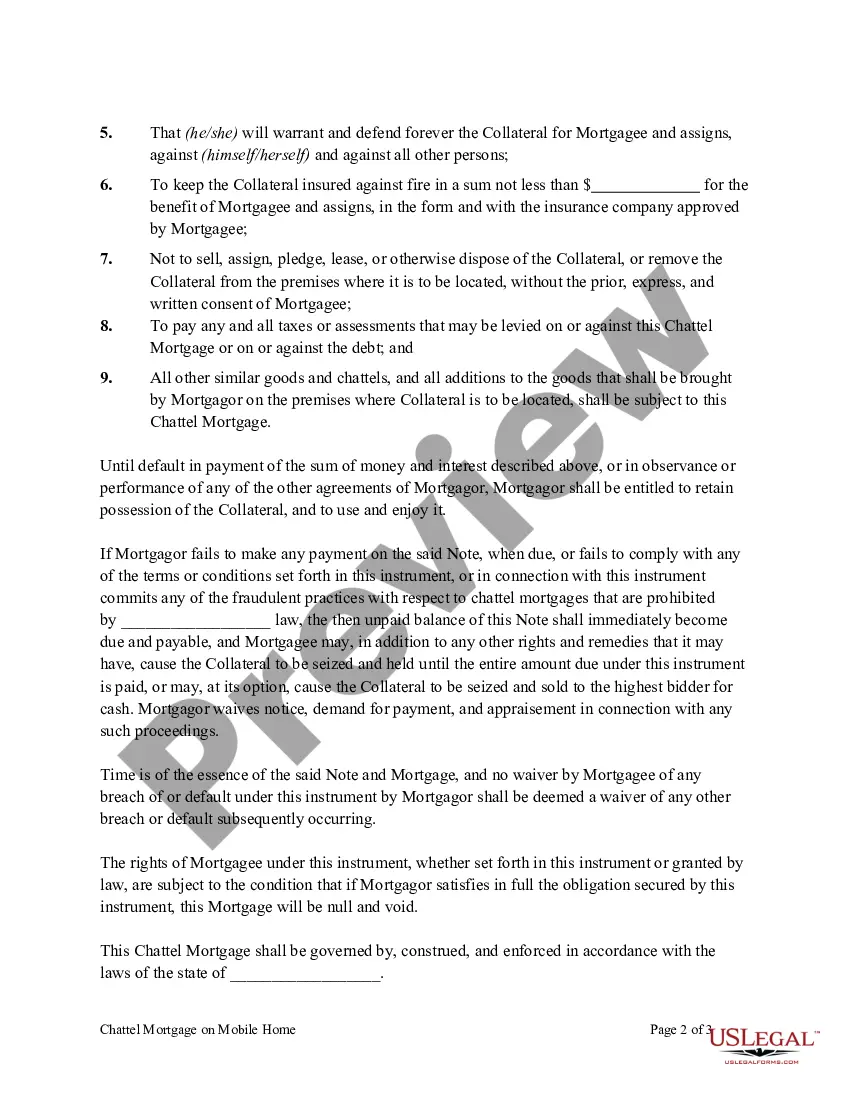
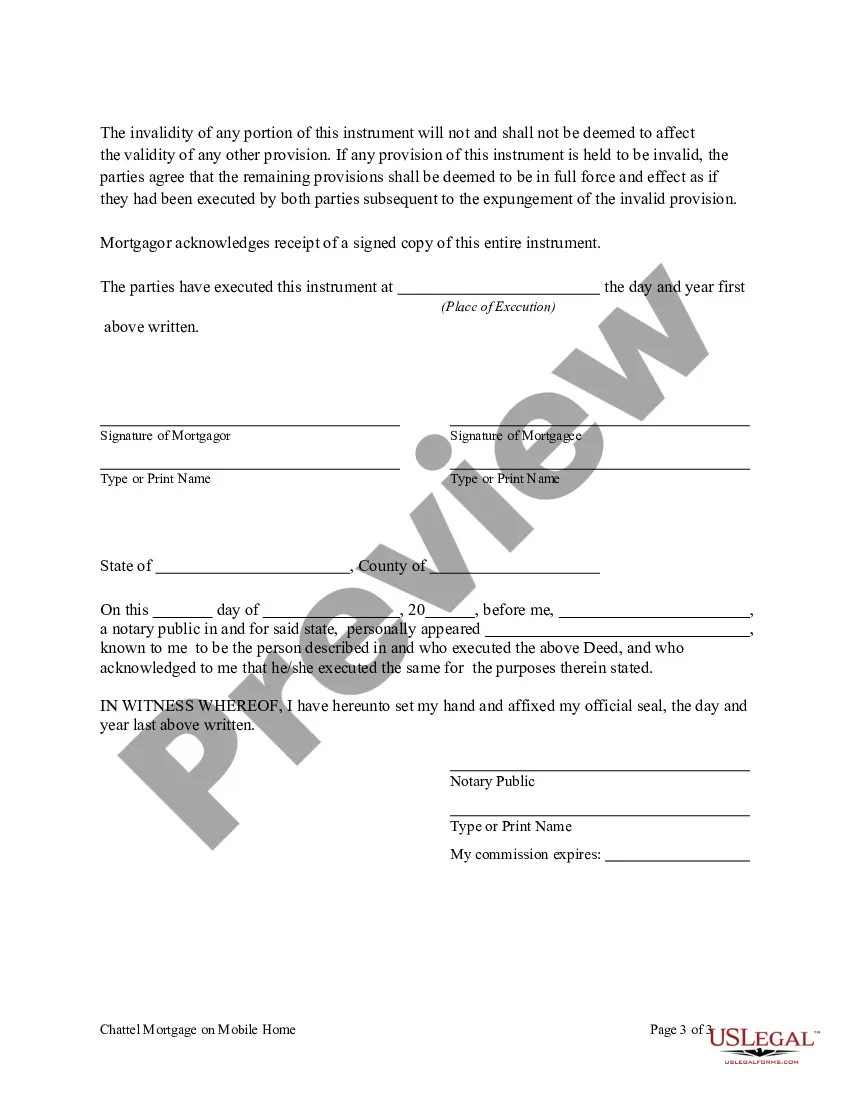
Chattel Mortgage Form Foreclose In Fairfax
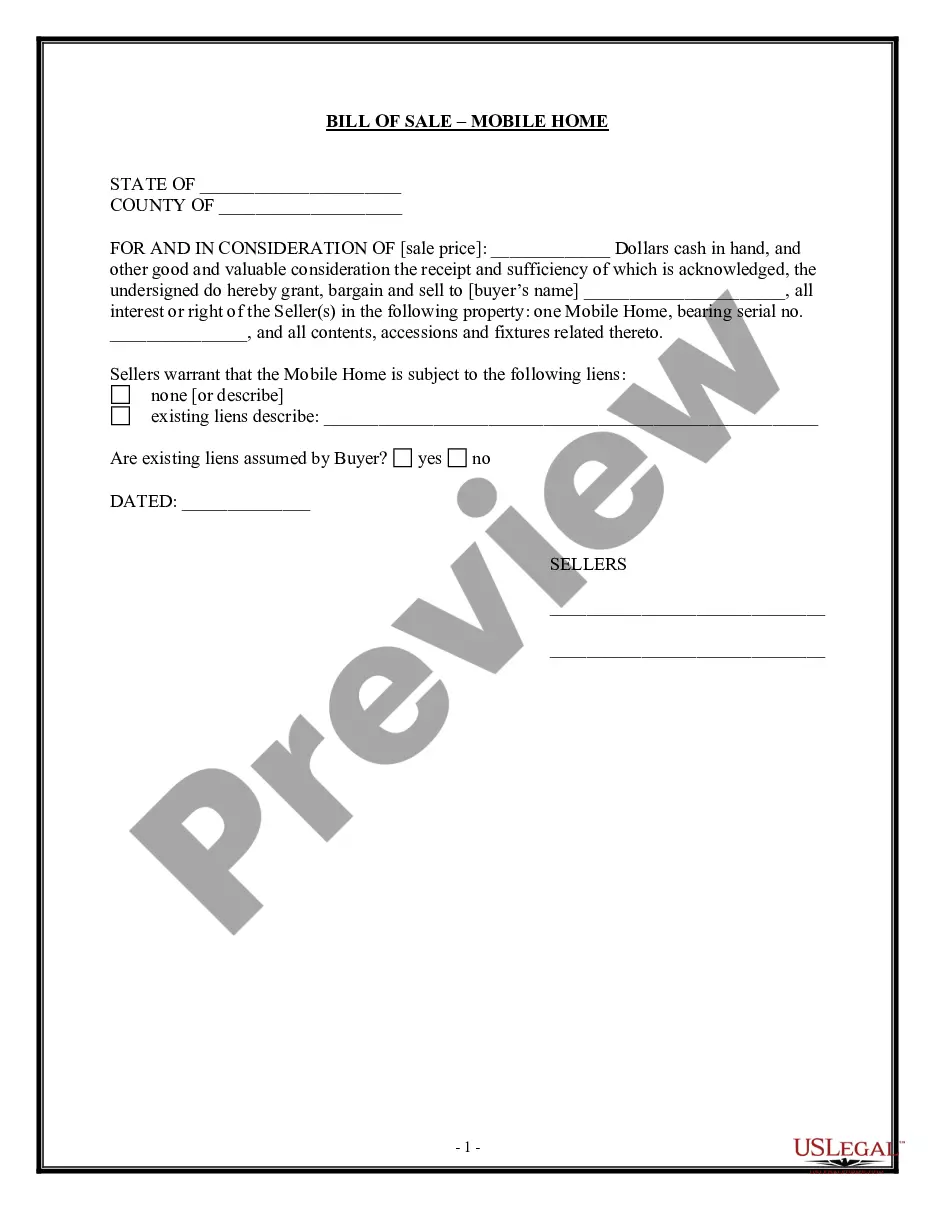
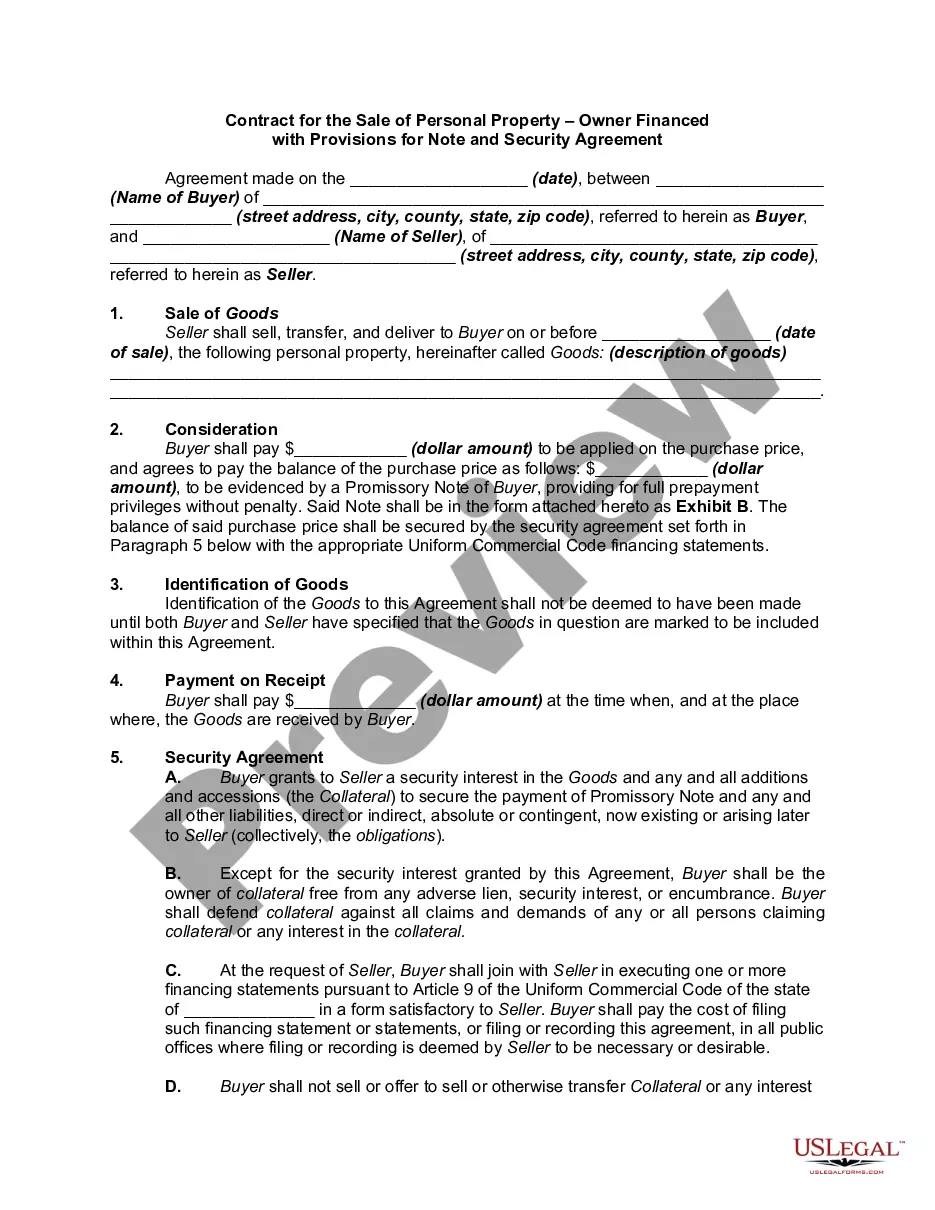
Description

Get your form ready online
Our built-in tools help you complete, sign, share, and store your documents in one place.
Make edits, fill in missing information, and update formatting in US Legal Forms—just like you would in MS Word.
Download a copy, print it, send it by email, or mail it via USPS—whatever works best for your next step.
Sign and collect signatures with our SignNow integration. Send to multiple recipients, set reminders, and more. Go Premium to unlock E-Sign.
If this form requires notarization, complete it online through a secure video call—no need to meet a notary in person or wait for an appointment.
We protect your documents and personal data by following strict security and privacy standards.

Make edits, fill in missing information, and update formatting in US Legal Forms—just like you would in MS Word.

Download a copy, print it, send it by email, or mail it via USPS—whatever works best for your next step.

Sign and collect signatures with our SignNow integration. Send to multiple recipients, set reminders, and more. Go Premium to unlock E-Sign.

If this form requires notarization, complete it online through a secure video call—no need to meet a notary in person or wait for an appointment.

We protect your documents and personal data by following strict security and privacy standards.
Looking for another form?


Form popularity
FAQ
Chattel is any tangible personal property that is movable. Examples of chattel are furniture, livestock, bedding, picture frames, and jewelry.
A property can be foreclosed in Virginia in as little as 60 days if it foreclosed through the non judicial foreclosure process and the borrower does not contest or stall the proceedings. Judicial foreclosures vary in length depending on the court schedule and rulings.
The Consumer Financial Protection Bureau (CFPB), which is a federal agency, has set forth rules that say there can't be a foreclosure on some mortgages until the borrower is at least 120 days behind in payments.
Some states have a law that gives a foreclosed homeowner time after the foreclosure sale to redeem the property. Virginia, however, doesn't have a law providing a post-sale redemption period. So, you won't be able to redeem the home following a foreclosure.
A Cancellation of Chattel Mortgage is used when the parties agree to cancel the mortgage over the property. It is often used when the obligation secured by the mortgage has been fulfilled, cancelled or is no longer existing for any reason.
Under Virginia law, foreclosures are done outside of court. Virginia is a non-judicial state therefore the Trustee simply sells your property, usually at a public auction to the highest bidder. Before doing this, the Trustee must follow the rules set forth in your Deed of Trust.
Virginia law, however, doesn't provide a post-sale redemption period after a nonjudicial foreclosure.
Here's how the process works. The foreclosing lender must serve you a notice of sale, usually by mail, no less than 60 days (previously, state law required only 14 days) before the sale if the home is owner-occupied and must include information about legal aid and how to contact a HUD-approved housing counselor. (Va.