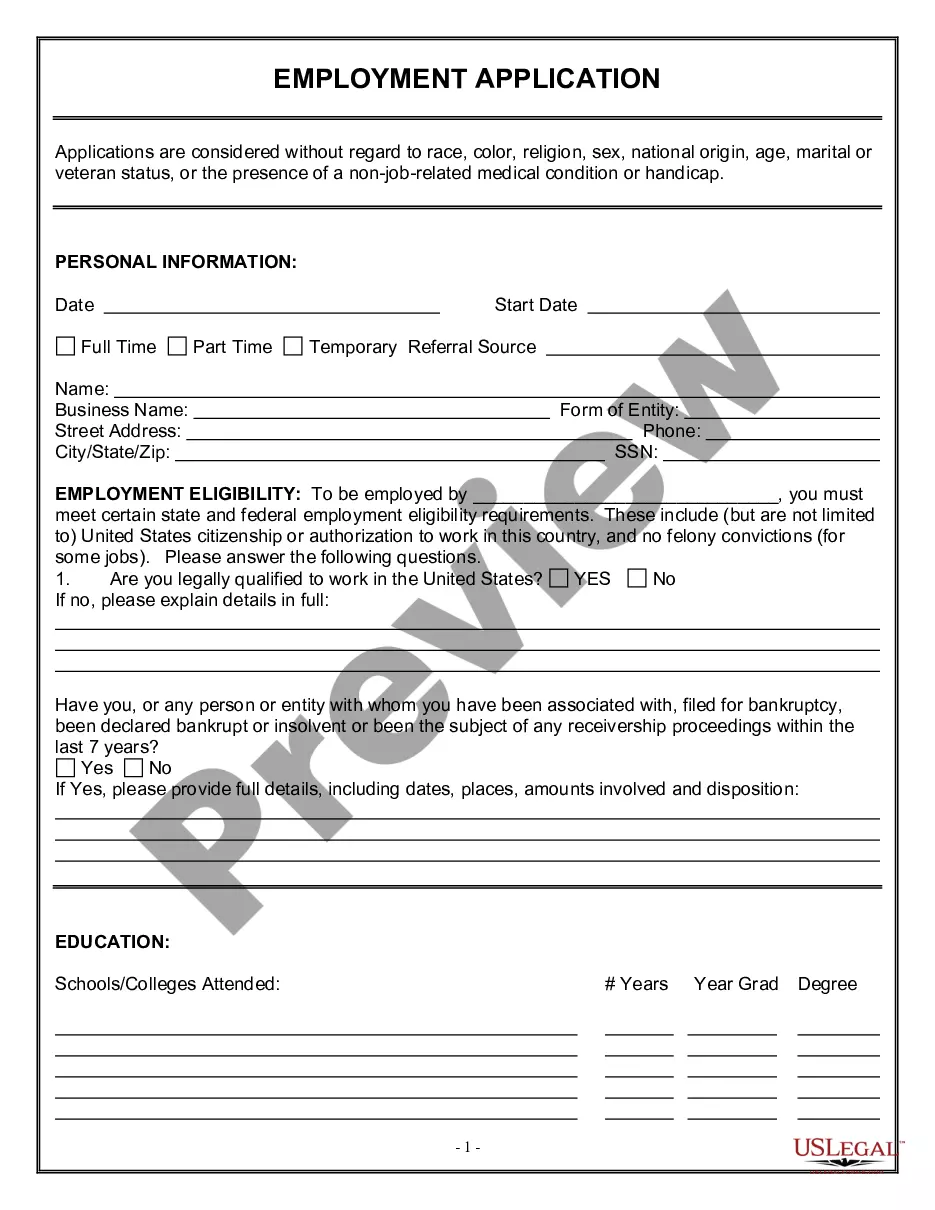
Acta Directorio Withdraw In Travis
Description

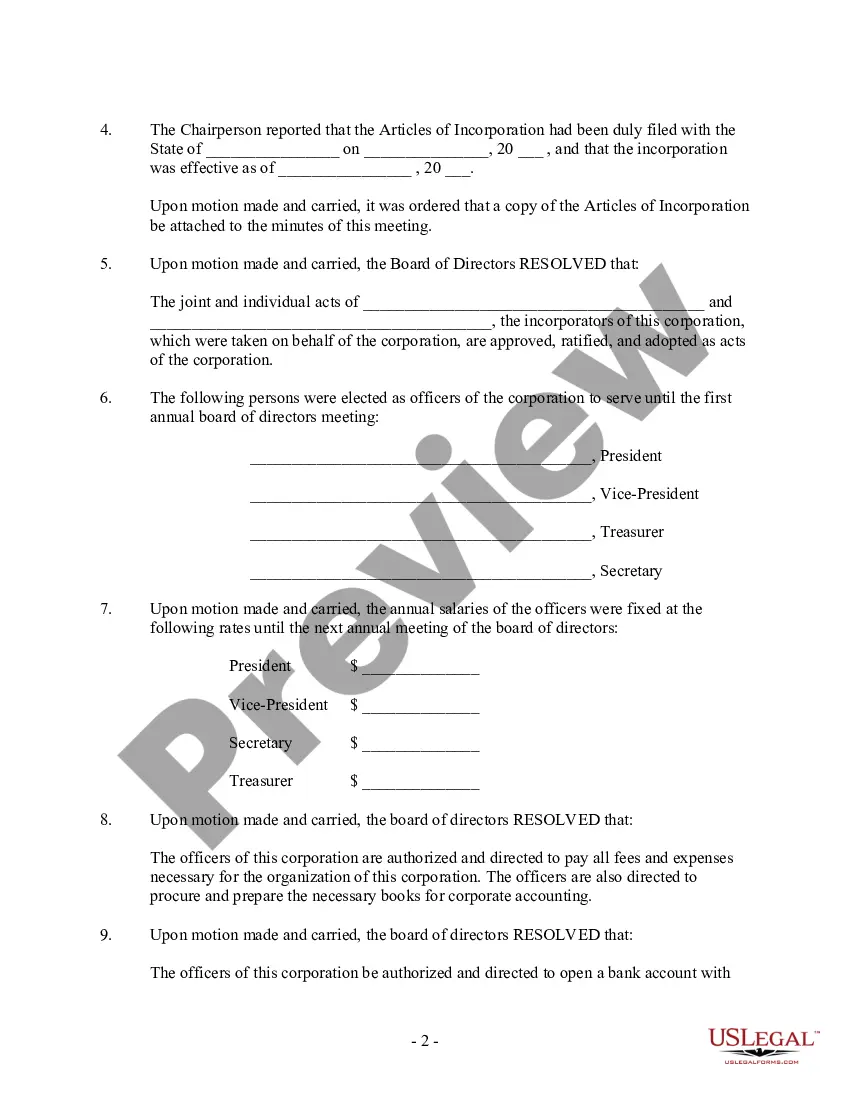
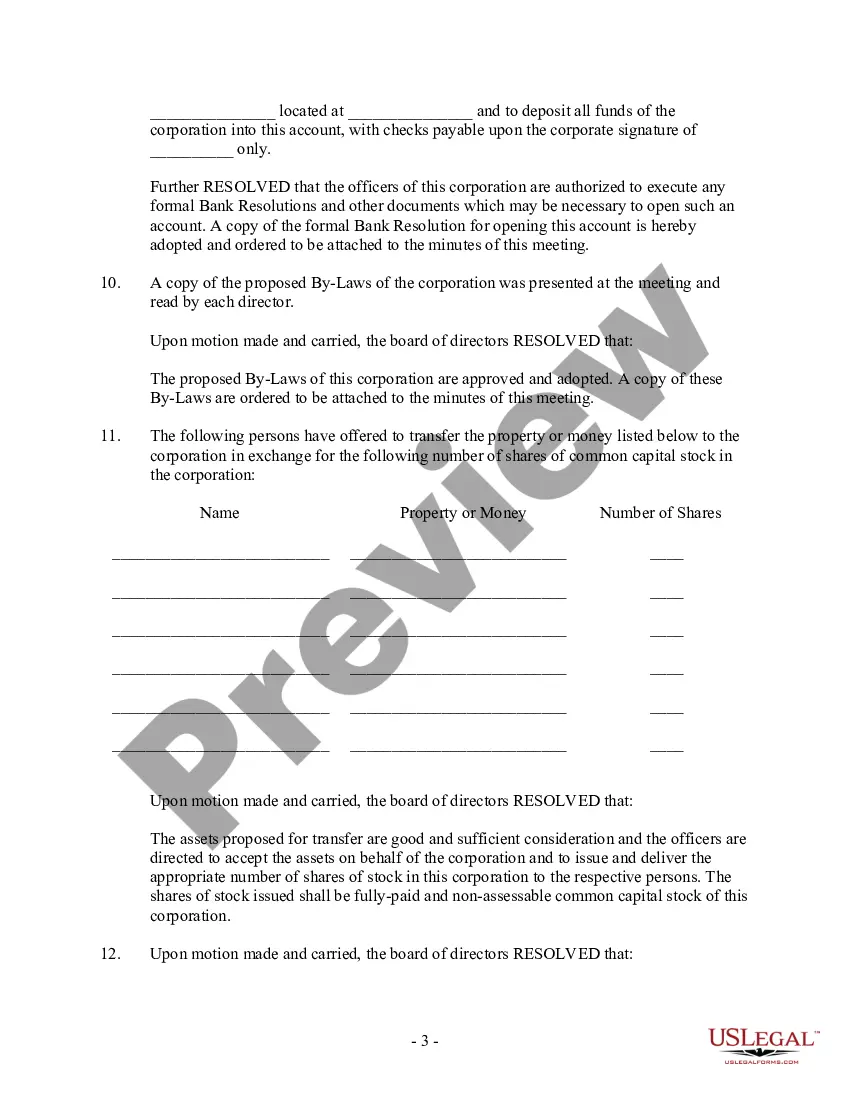
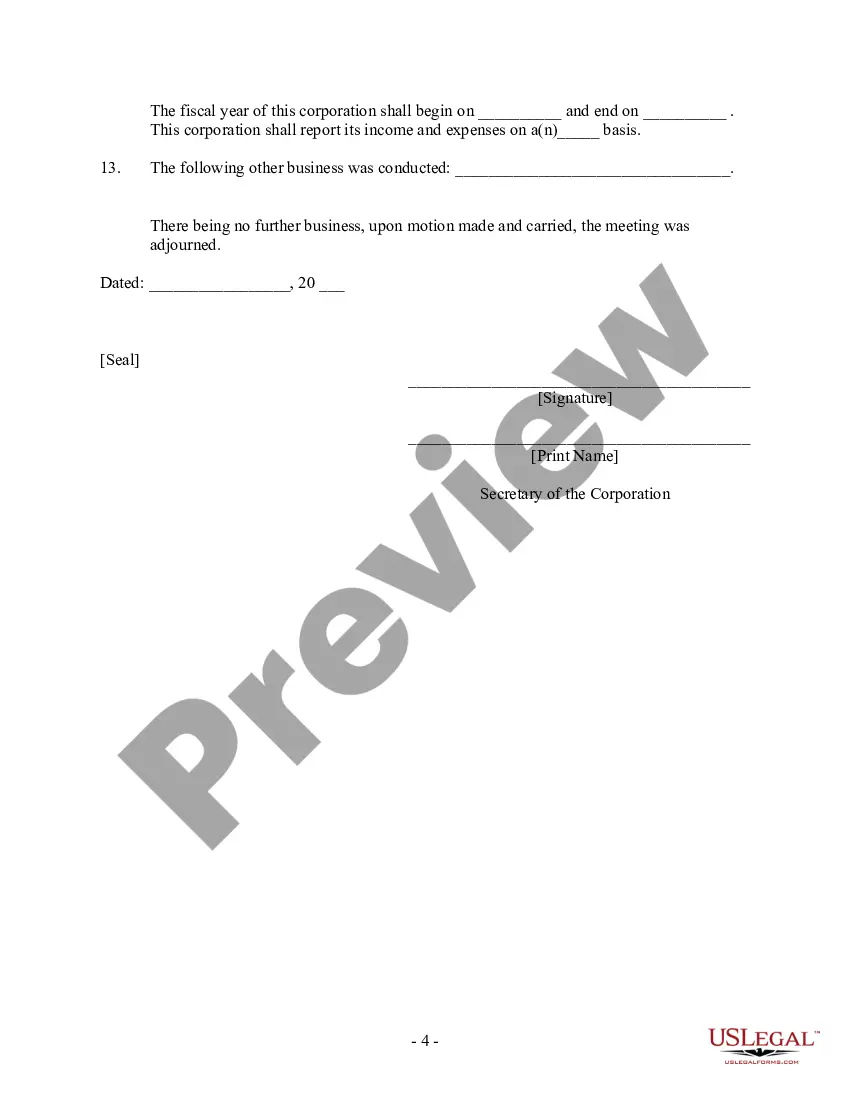

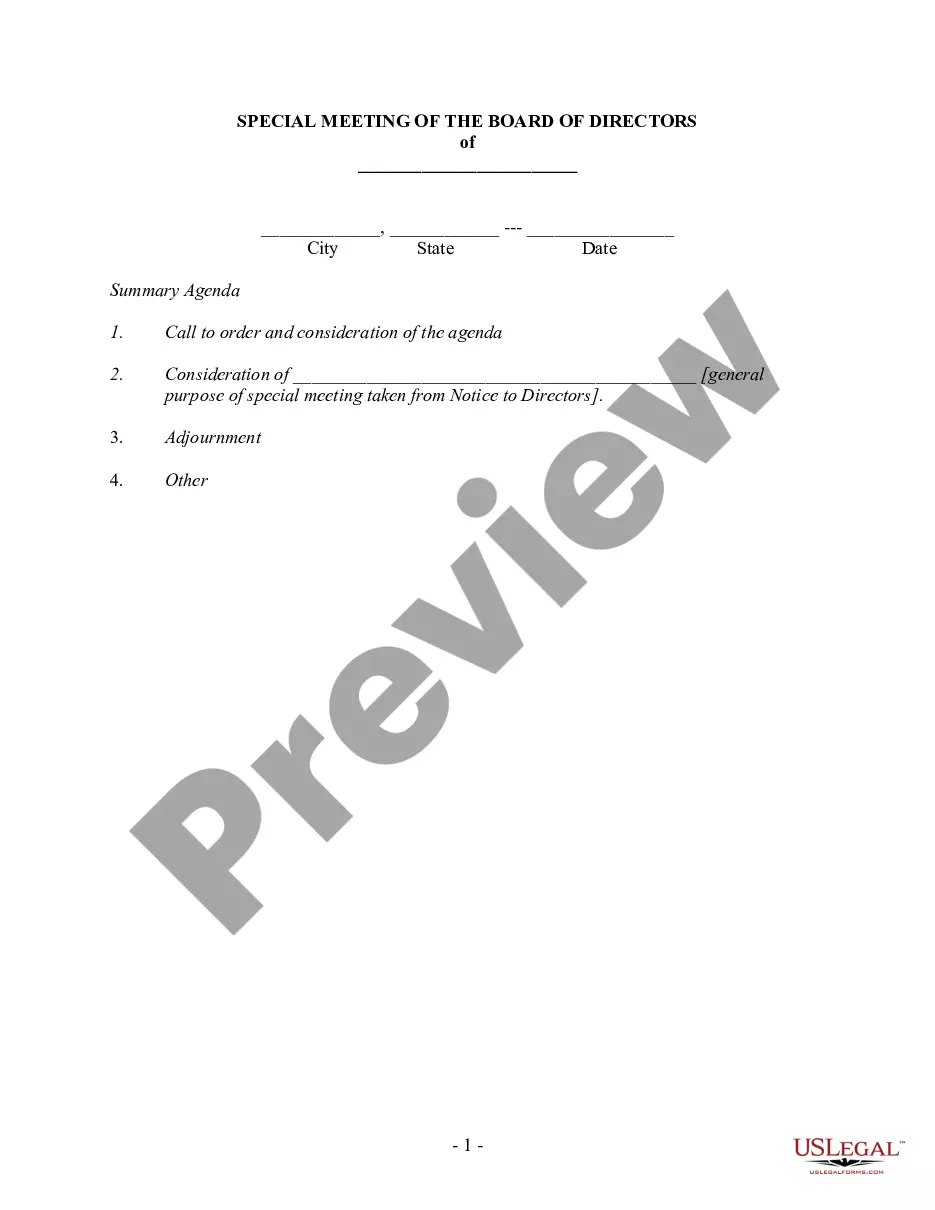
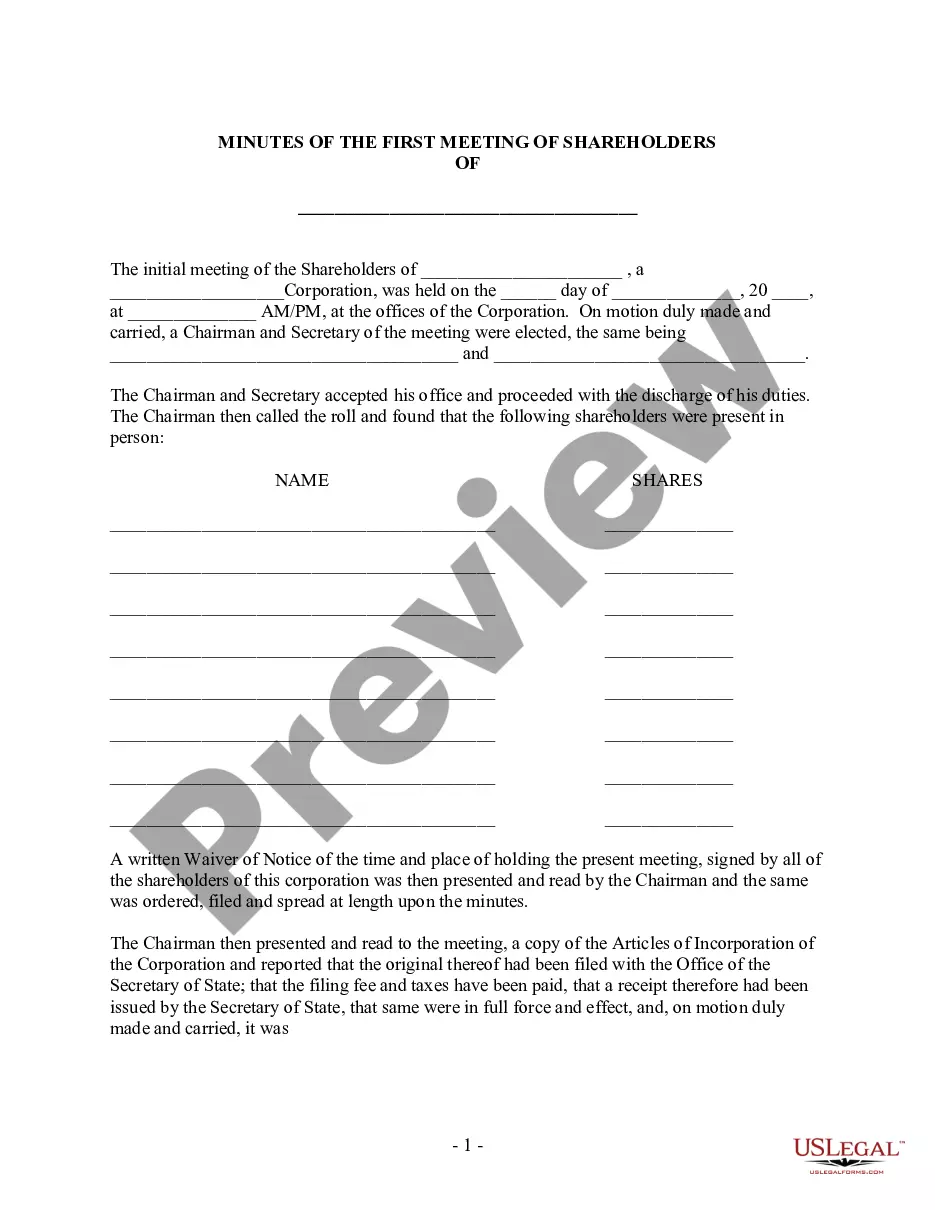
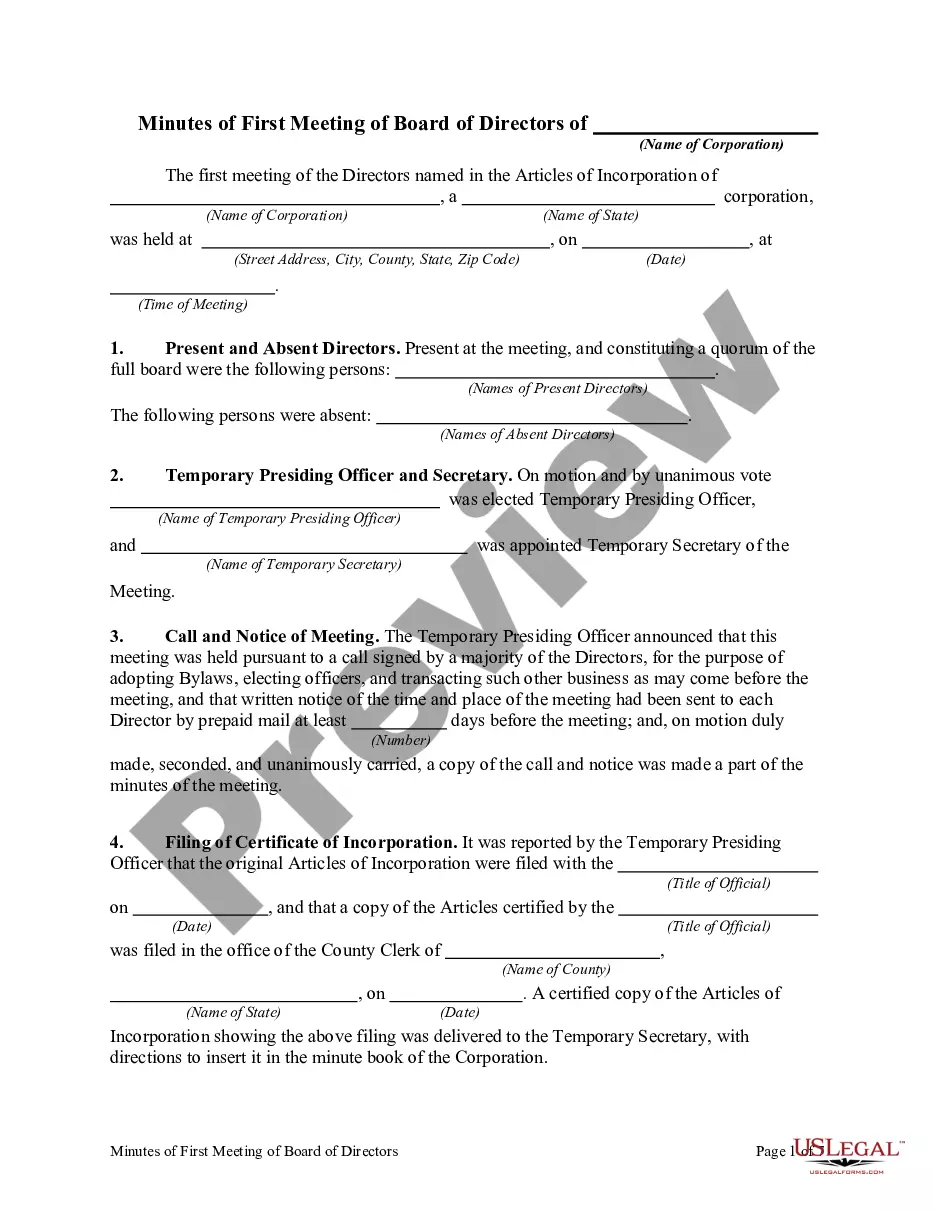
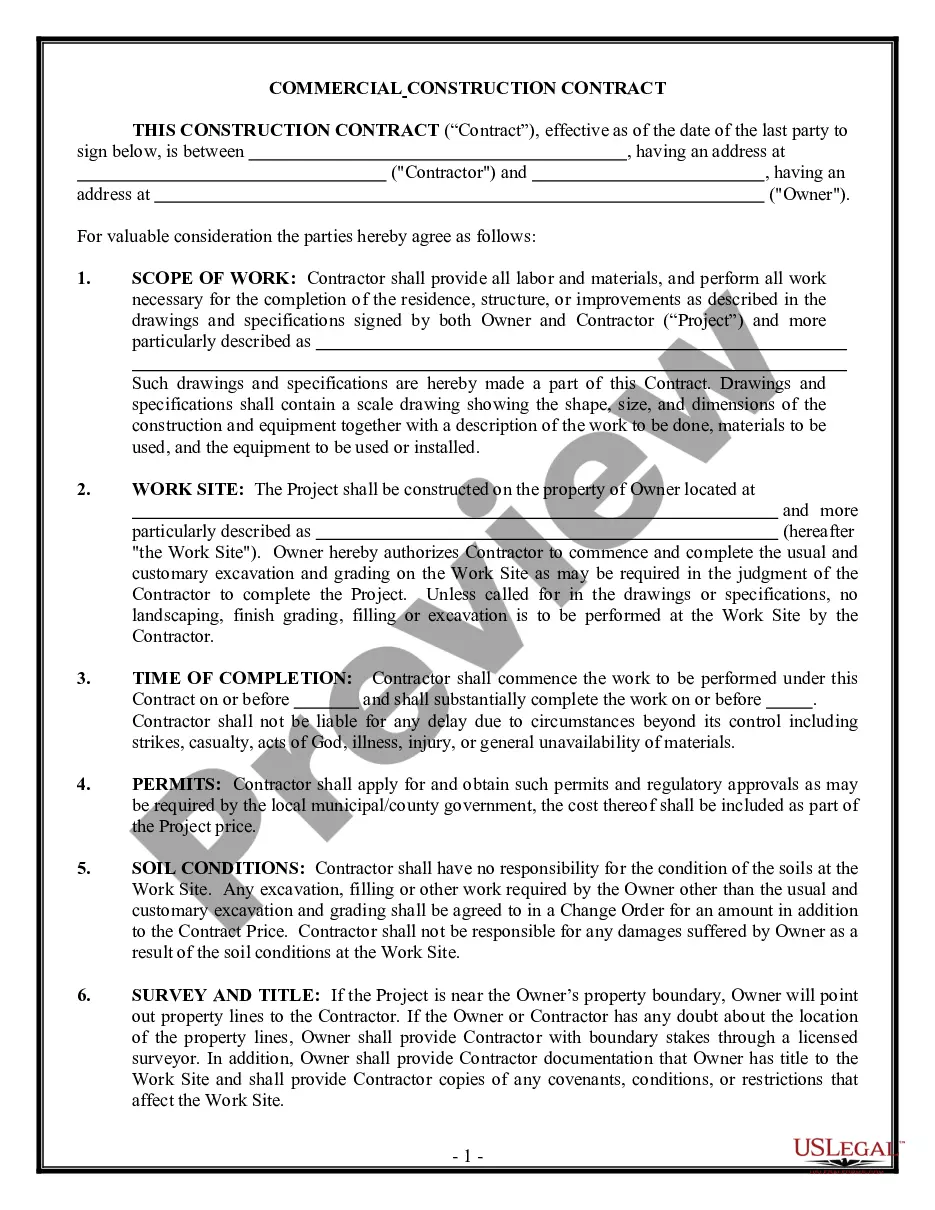
Get your form ready online
Our built-in tools help you complete, sign, share, and store your documents in one place.
Make edits, fill in missing information, and update formatting in US Legal Forms—just like you would in MS Word.
Download a copy, print it, send it by email, or mail it via USPS—whatever works best for your next step.
Sign and collect signatures with our SignNow integration. Send to multiple recipients, set reminders, and more. Go Premium to unlock E-Sign.
If this form requires notarization, complete it online through a secure video call—no need to meet a notary in person or wait for an appointment.
We protect your documents and personal data by following strict security and privacy standards.

Make edits, fill in missing information, and update formatting in US Legal Forms—just like you would in MS Word.

Download a copy, print it, send it by email, or mail it via USPS—whatever works best for your next step.

Sign and collect signatures with our SignNow integration. Send to multiple recipients, set reminders, and more. Go Premium to unlock E-Sign.

If this form requires notarization, complete it online through a secure video call—no need to meet a notary in person or wait for an appointment.

We protect your documents and personal data by following strict security and privacy standards.
Looking for another form?








Form popularity
FAQ
Texas Government Code, Chapter 552, gives you the right to access government records. All government information is presumed to be available to the public, although exceptions may apply to the disclosure of some information. Read more about the Public Information Act.
To set a hearing, contact the Court Operations Officer at (512) 854-9241. It is recommended that you consult an attorney or have an attorney represent you.
The Defendant's Answer For most defendants, the answer is due by the end of the 14th day after the day the defendant was served with the citation and the petition. For defendants that were served by publication, the answer is due by the end of the 42nd day after the day the citation was issued.
Judicial records are open to the public unless exempt from disclosure, and where a respondent does not raise exemptions and the special committee cannot conclude any apply the records must be released.