Board Directors Meeting Minutes With Action Items In Tarrant
Description
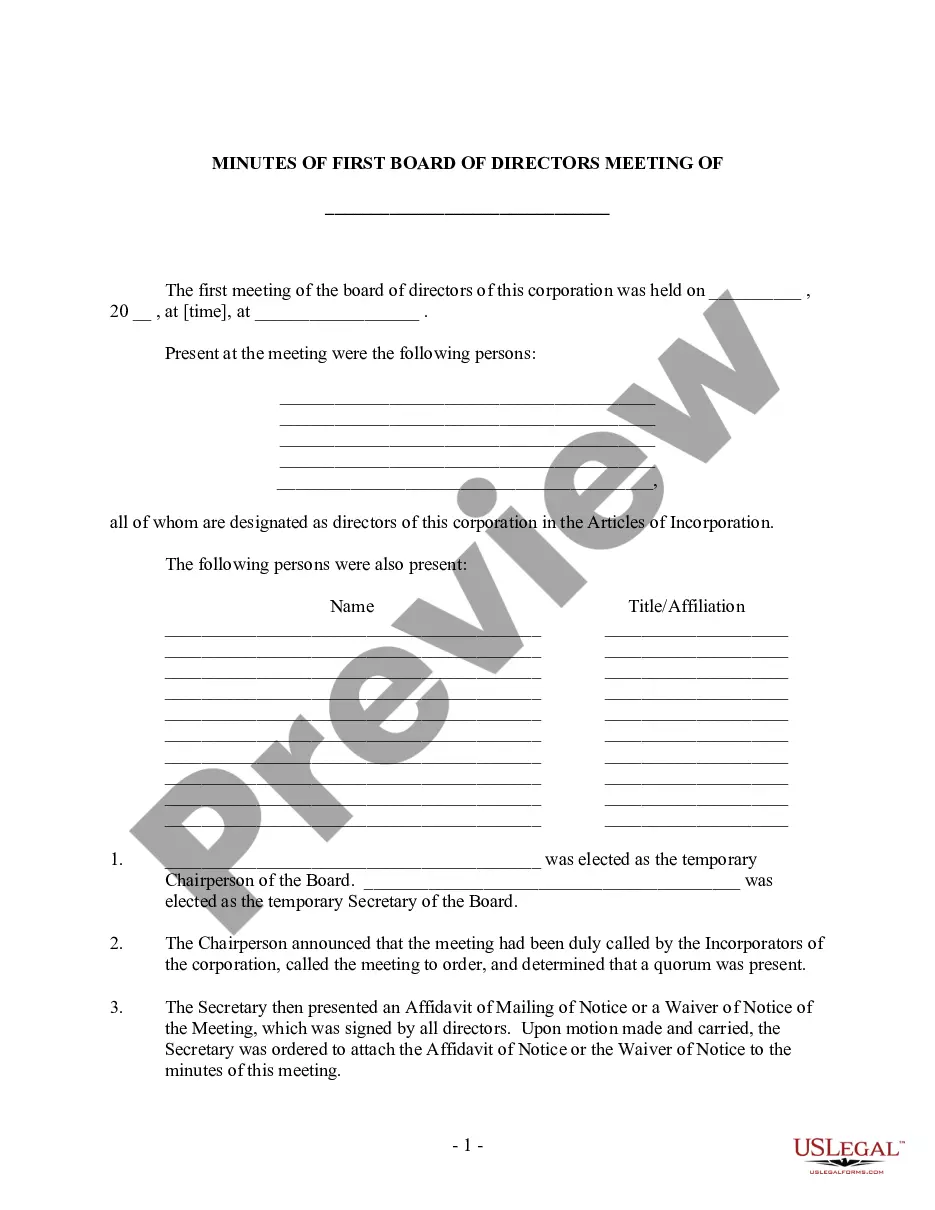
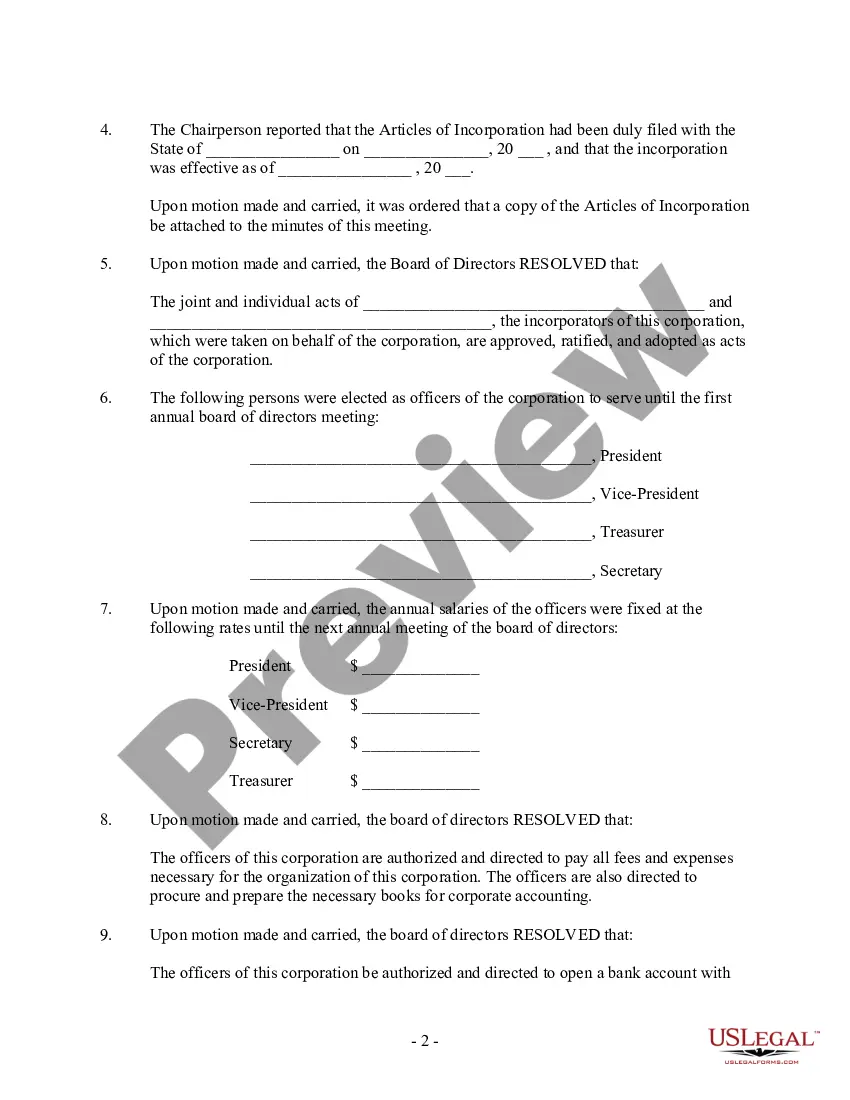
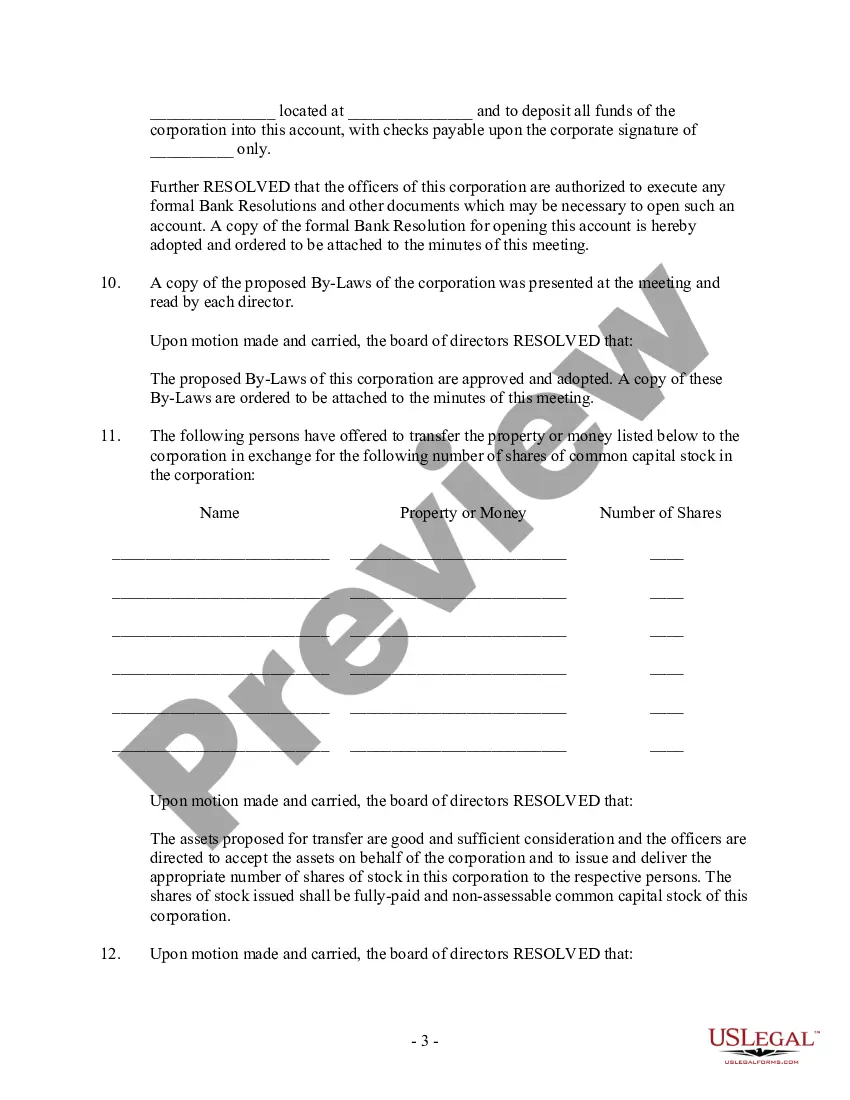
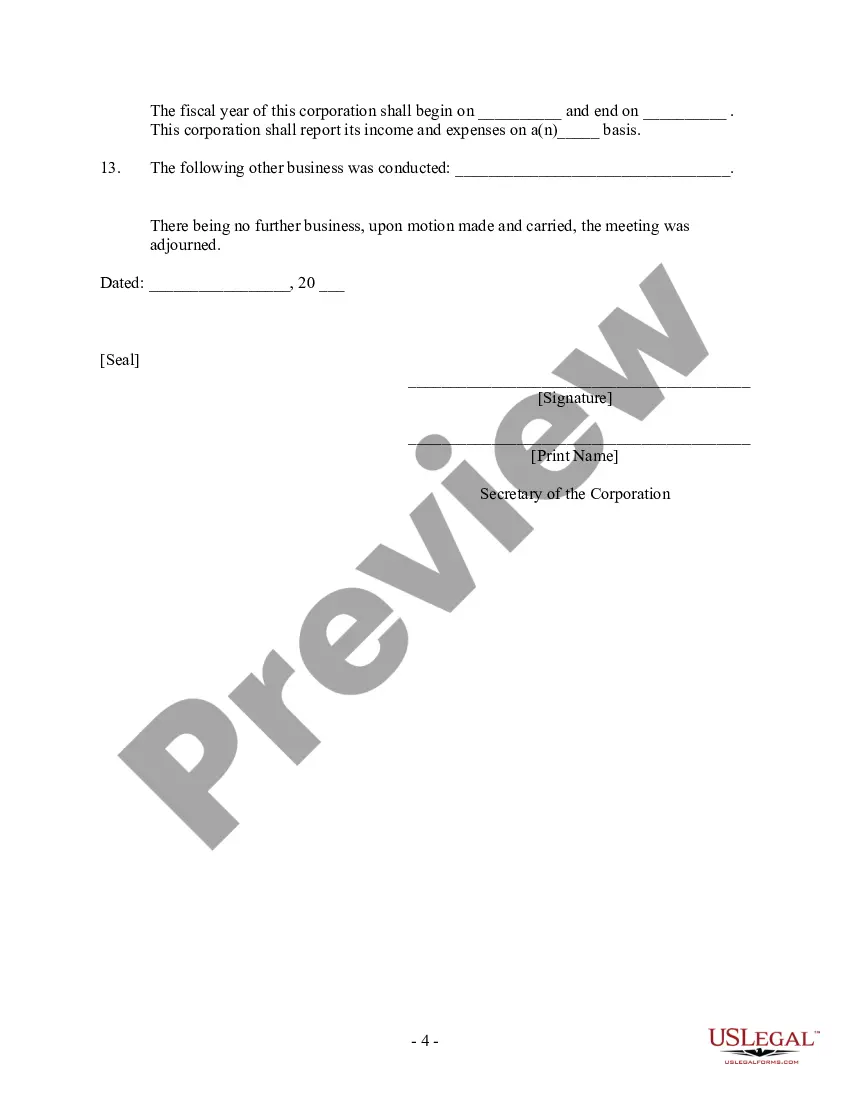
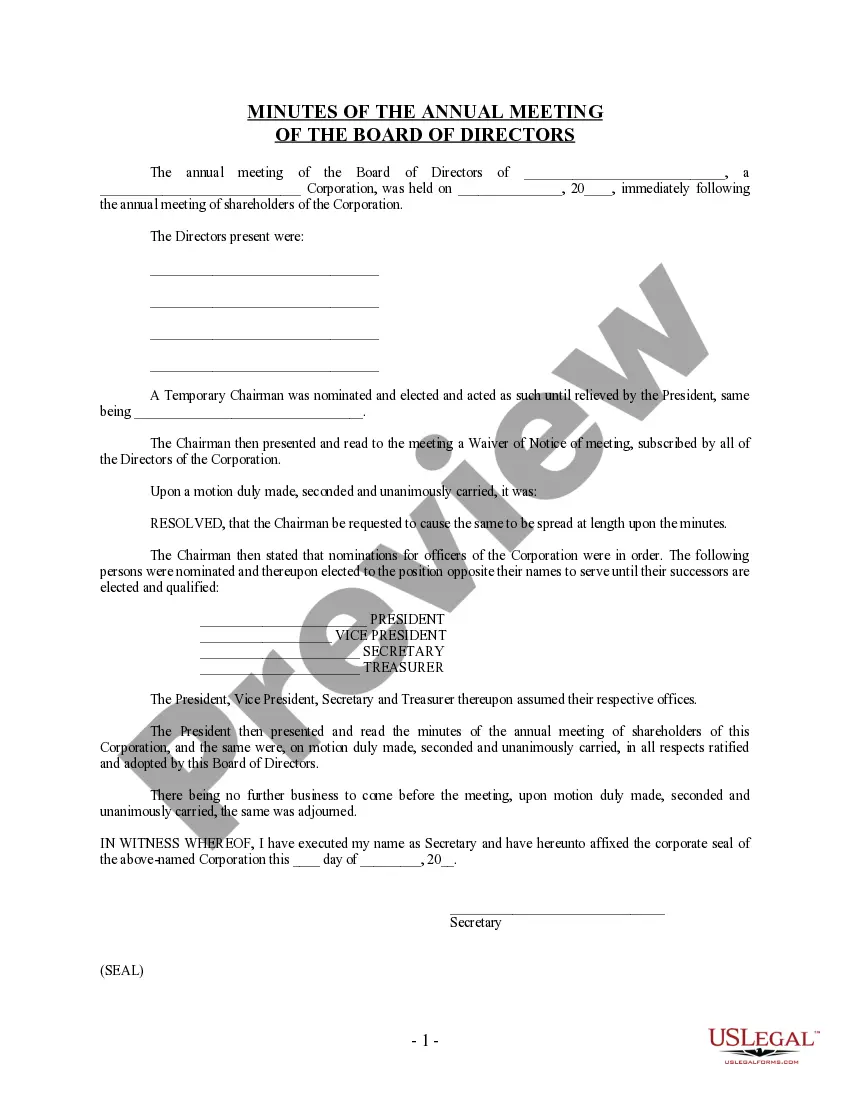
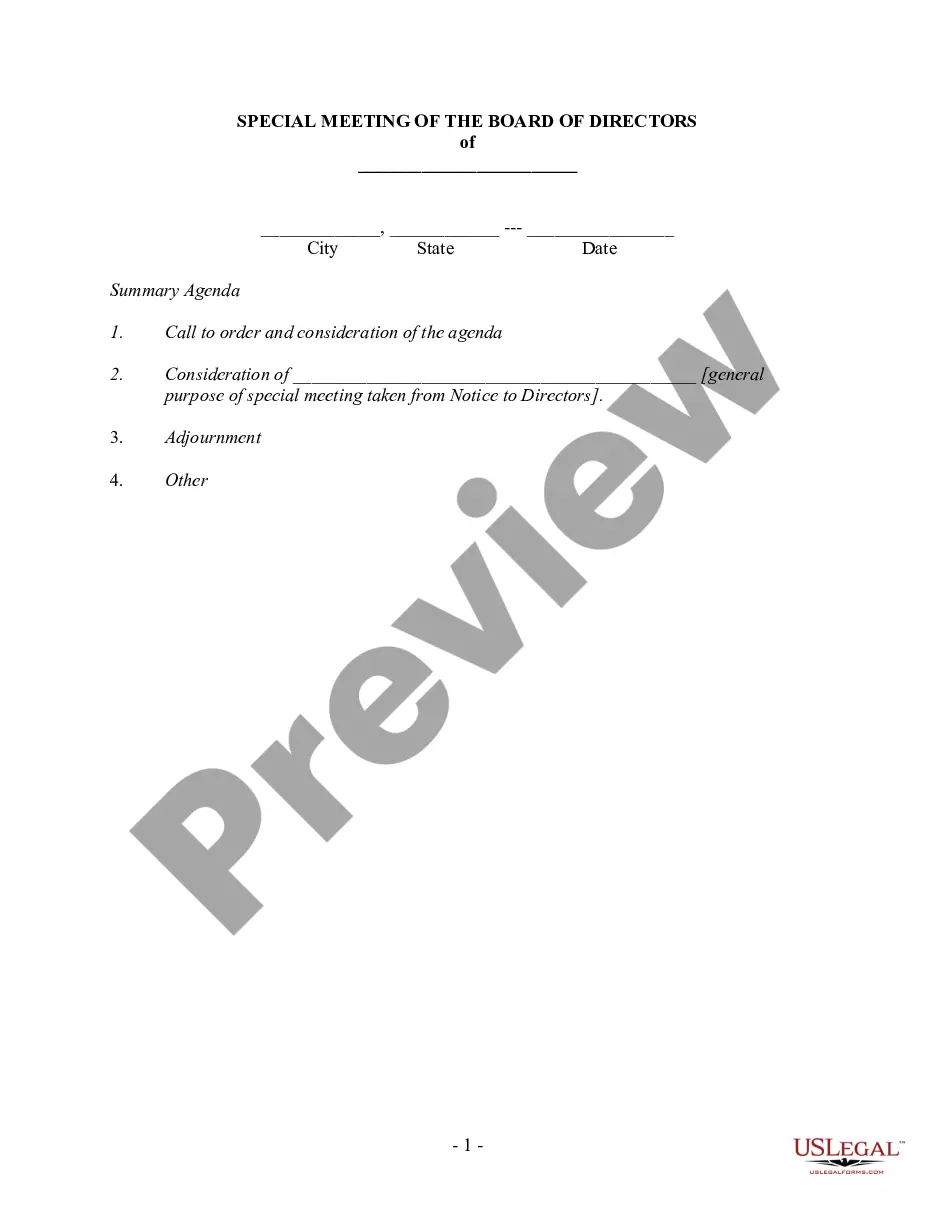
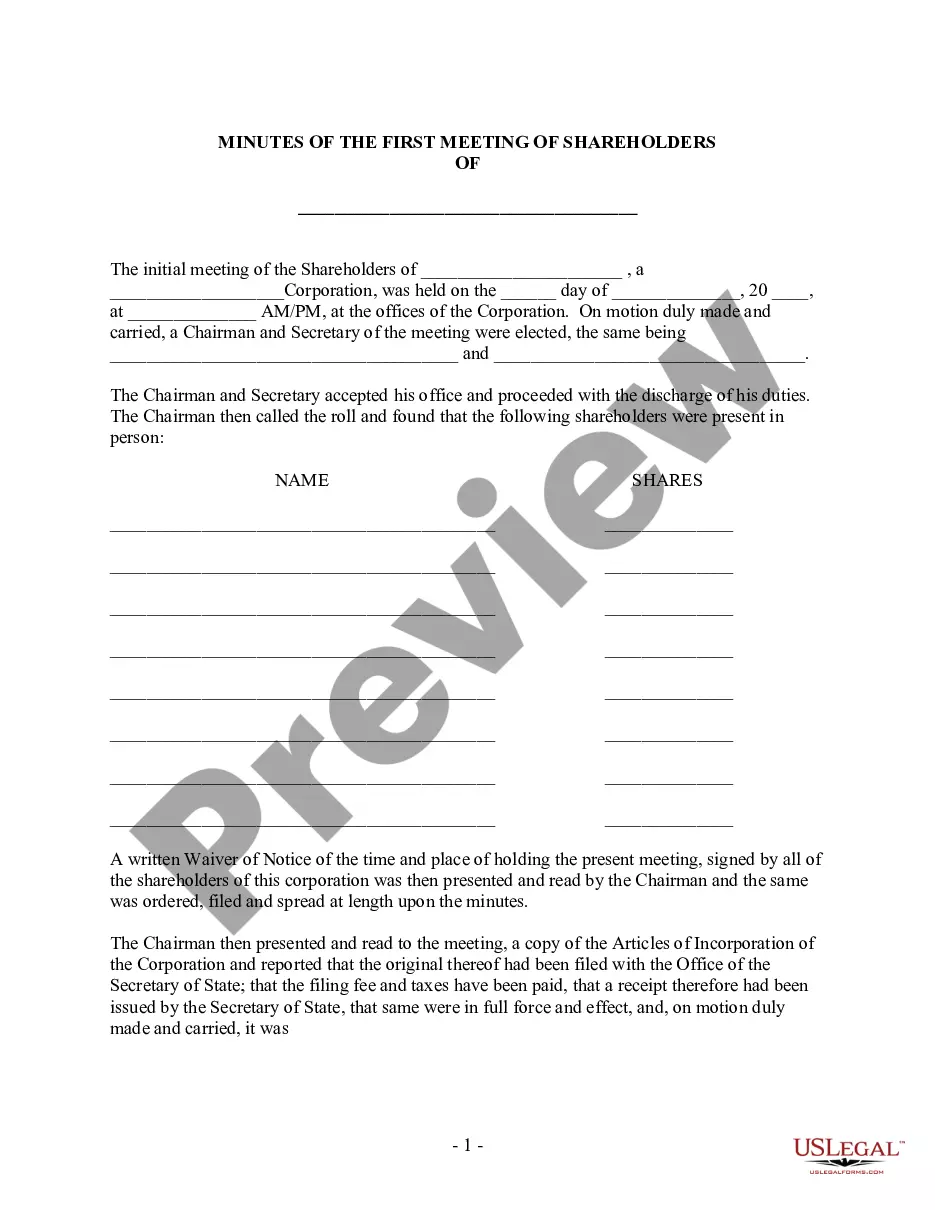
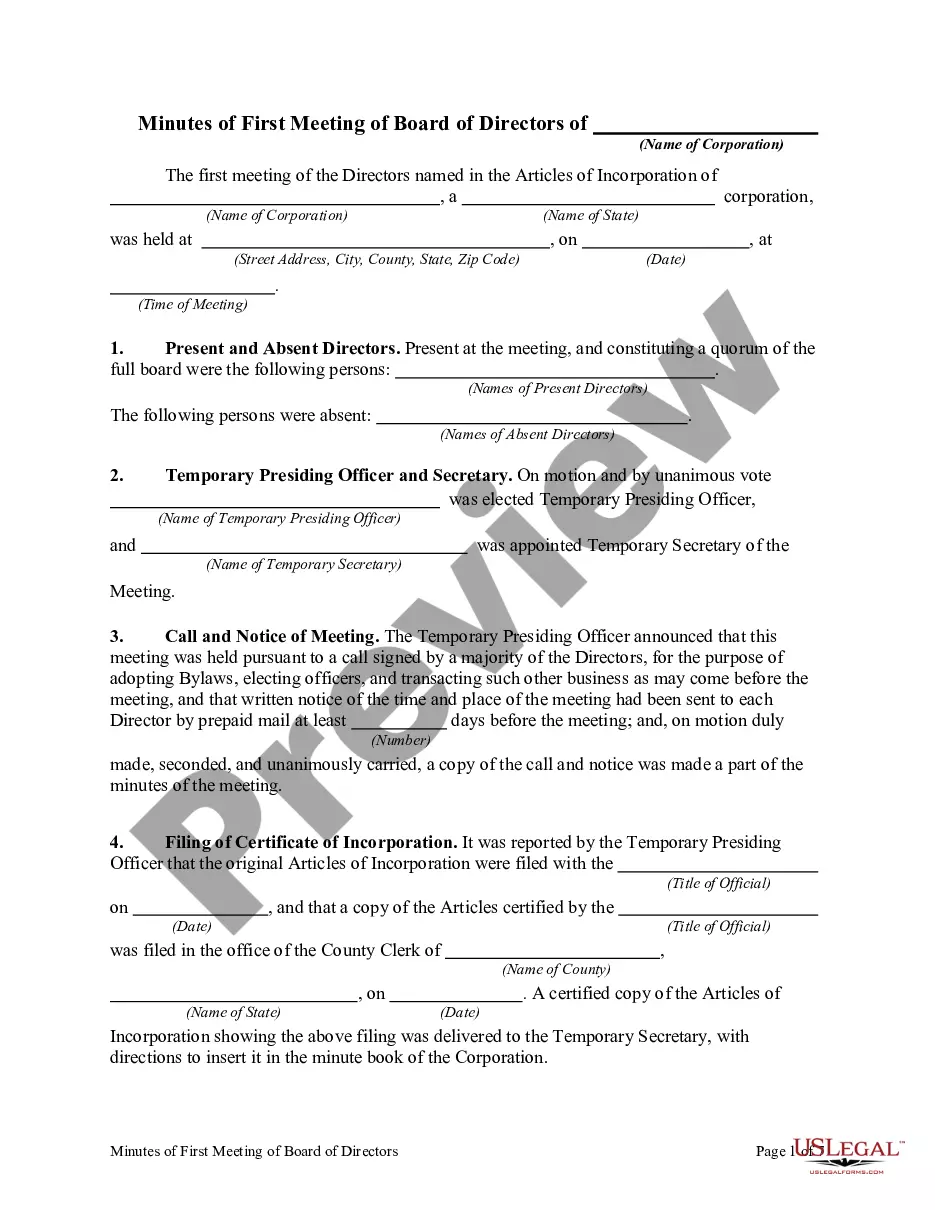
Get your form ready online
Our built-in tools help you complete, sign, share, and store your documents in one place.
Make edits, fill in missing information, and update formatting in US Legal Forms—just like you would in MS Word.
Download a copy, print it, send it by email, or mail it via USPS—whatever works best for your next step.
Sign and collect signatures with our SignNow integration. Send to multiple recipients, set reminders, and more. Go Premium to unlock E-Sign.
If this form requires notarization, complete it online through a secure video call—no need to meet a notary in person or wait for an appointment.
We protect your documents and personal data by following strict security and privacy standards.

Make edits, fill in missing information, and update formatting in US Legal Forms—just like you would in MS Word.

Download a copy, print it, send it by email, or mail it via USPS—whatever works best for your next step.

Sign and collect signatures with our SignNow integration. Send to multiple recipients, set reminders, and more. Go Premium to unlock E-Sign.

If this form requires notarization, complete it online through a secure video call—no need to meet a notary in person or wait for an appointment.

We protect your documents and personal data by following strict security and privacy standards.
Looking for another form?
Form popularity
FAQ
An action item is a single, clearly defined task that must be done. For example, a personal action item could be to walk the dog or to call mom. While action items help you keep track of and complete the things you need to accomplish in your daily life, they have a bigger importance in the workplace.
What information do board meeting minutes contain? Meeting date, time and location. Type of meeting. Names and titles of attendees and guests. Any absent board directors. Quorum. Notes about directors who left early or re-entered the meeting. Board approvals, resolutions and acceptance of reports. Overview of discussions.
5 steps to write impactful meeting action items Write the action item (what) Discuss the purpose (why) Set a due date (when) Assign a person to every action item (who) Think about what happens next.
Personal observations or judgmental comments should not be included in meeting minutes. All statements should be as neutral as possible. Avoid writing down everything everyone said. Minutes should be concise and summarize the major points of what happened at the meeting.
What to include Meeting date, time and location. Names of the committee or other group holding the meeting, the Chair and Secretary. List of those present, including guests in attendance, and any recorded regrets/absences. A record of formal motions and outcomes.
They are legally required to include these details: Date, time, and location of the meeting. Record of notice of board meeting provision and acknowledgment. Names of attendees and absentees, including guests. Approval of previous meeting minutes.
Action items: List any tasks that have been assigned or agreed upon, along with the details of the assignees and deadlines. Next steps: Don't forget to record any remaining tasks to be accomplished, follow-up meetings, or plans for implementation.
How to Write Action Items Define a Title and Tracking Number for your Action Items. Define Expected Deliverables. Establish a Priority Level for Each Action Item. Set Due Dates for Action Items. Assign a Task Owner for your Action Items. Write a Short Description for Each Action Item. Add a Section for Specific Details.
5 steps to write impactful meeting action items Write the action item (what) Discuss the purpose (why) Set a due date (when) Assign a person to every action item (who) Think about what happens next.
Note that minutes of meetings and accompanying documentation can be requested under FIPPA, and with few exceptions, access to these records may be granted. Therefore, in creating your minutes be mindful that they may be made accessible beyond the original audience.