Companies Board Meeting Rules In Maryland
Description
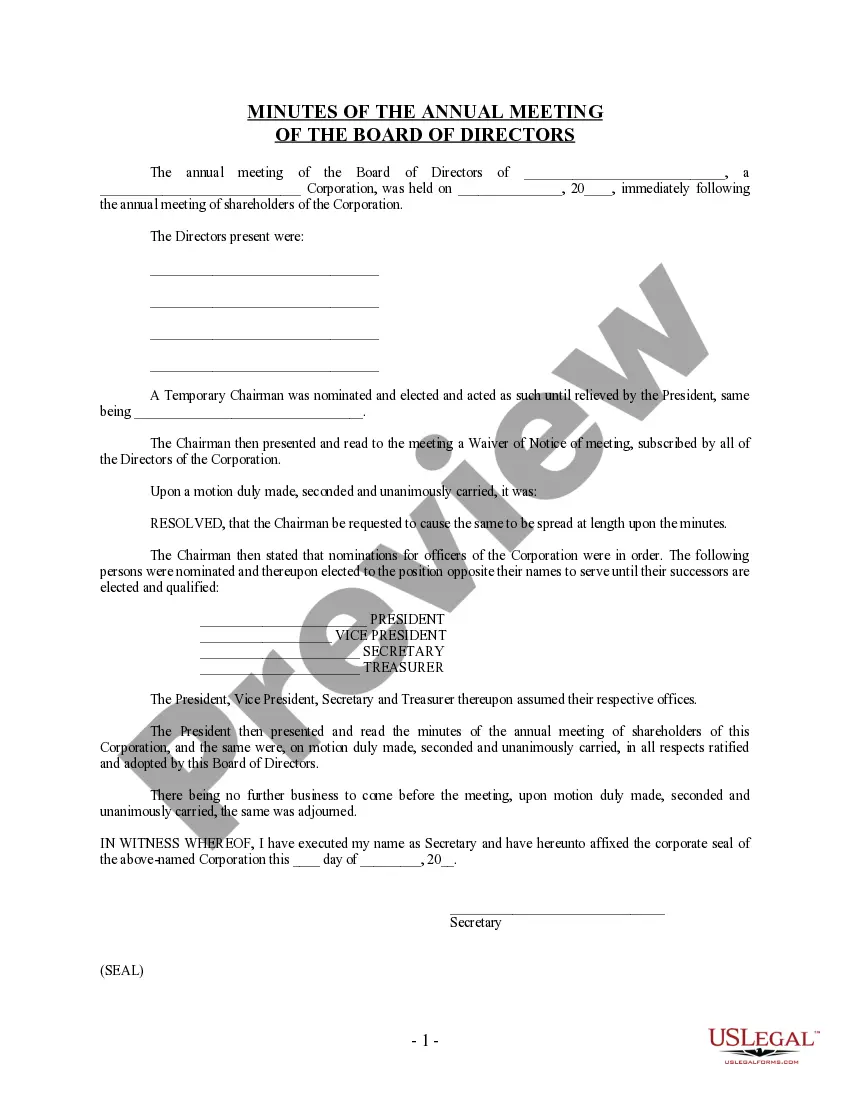
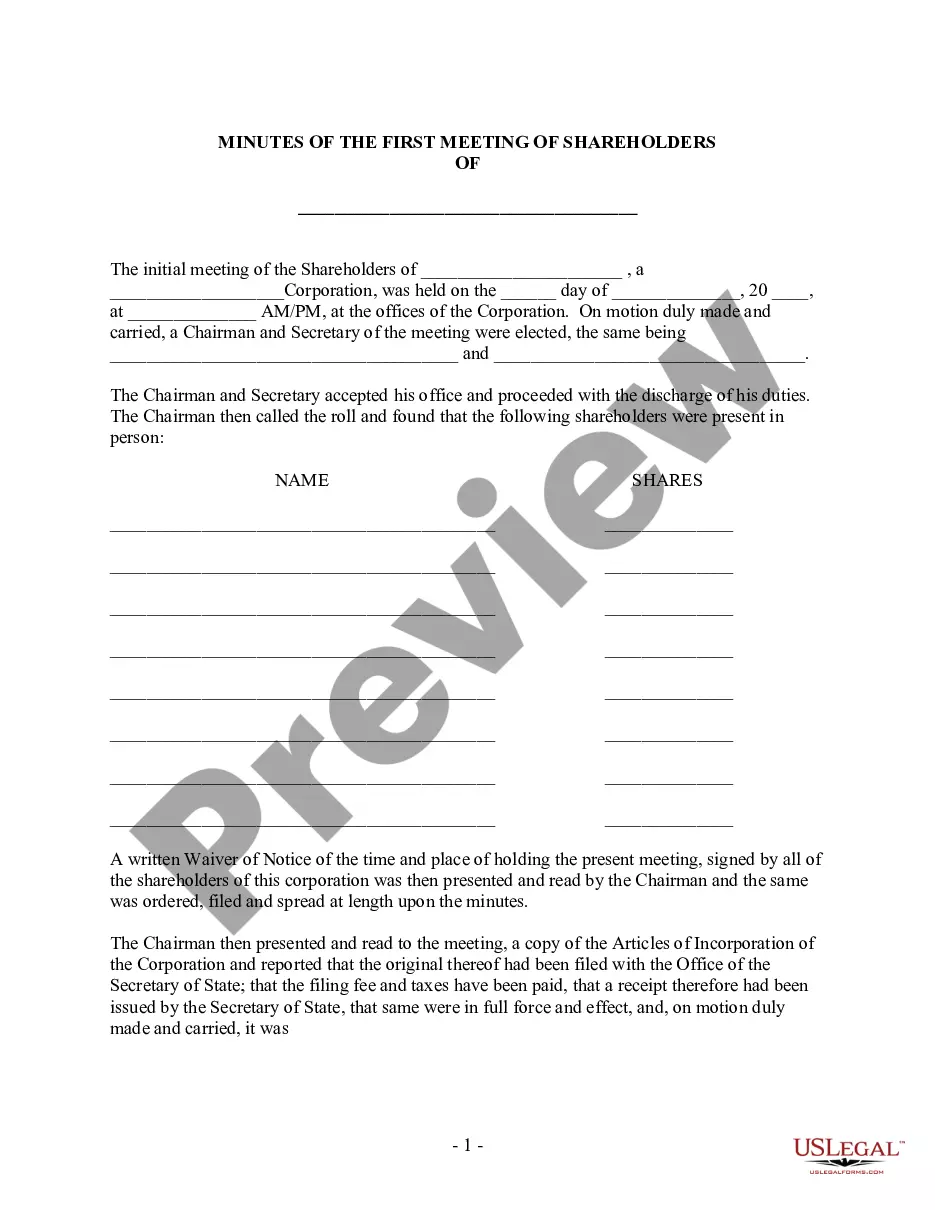
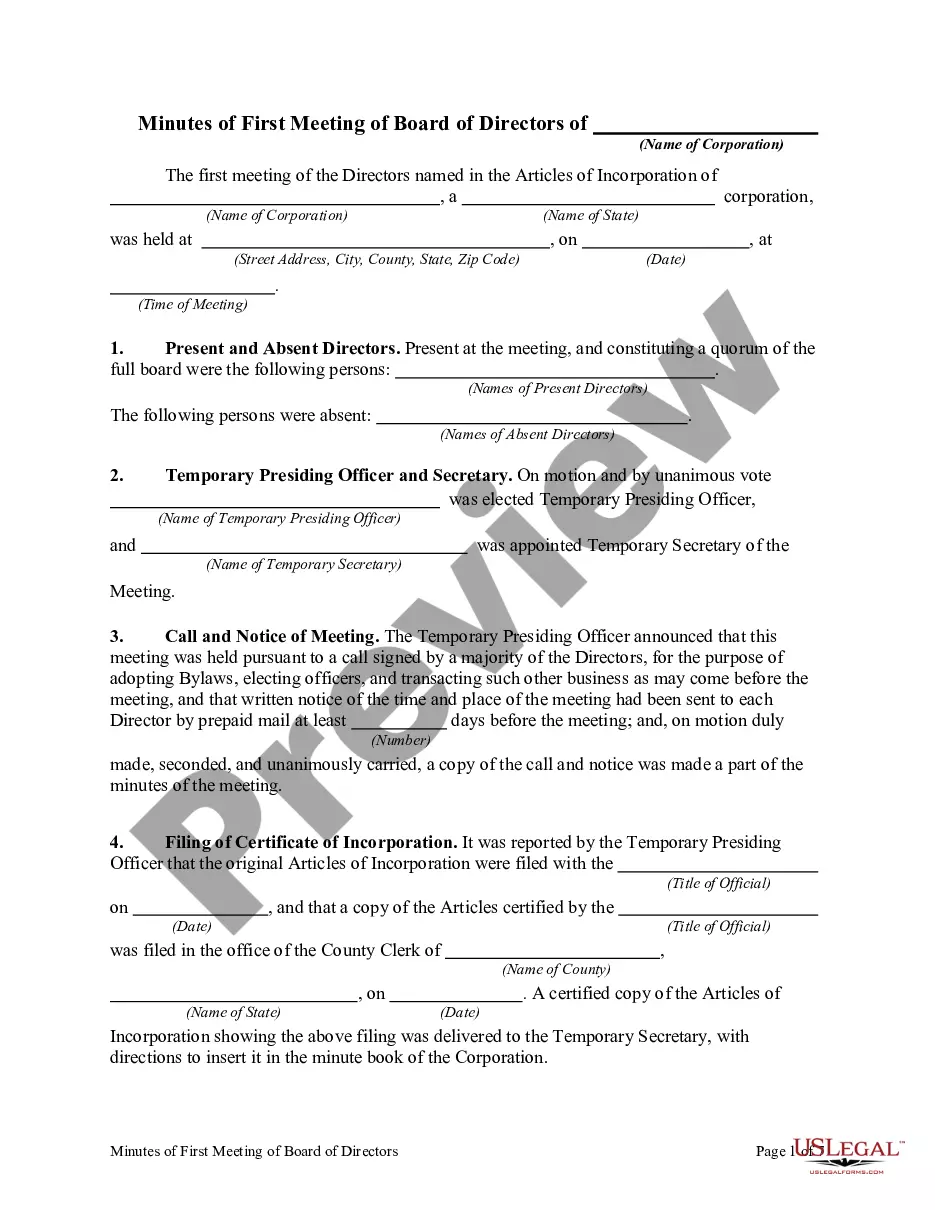
Get your form ready online
Our built-in tools help you complete, sign, share, and store your documents in one place.
Make edits, fill in missing information, and update formatting in US Legal Forms—just like you would in MS Word.
Download a copy, print it, send it by email, or mail it via USPS—whatever works best for your next step.
Sign and collect signatures with our SignNow integration. Send to multiple recipients, set reminders, and more. Go Premium to unlock E-Sign.
If this form requires notarization, complete it online through a secure video call—no need to meet a notary in person or wait for an appointment.
We protect your documents and personal data by following strict security and privacy standards.

Make edits, fill in missing information, and update formatting in US Legal Forms—just like you would in MS Word.

Download a copy, print it, send it by email, or mail it via USPS—whatever works best for your next step.

Sign and collect signatures with our SignNow integration. Send to multiple recipients, set reminders, and more. Go Premium to unlock E-Sign.

If this form requires notarization, complete it online through a secure video call—no need to meet a notary in person or wait for an appointment.

We protect your documents and personal data by following strict security and privacy standards.
Looking for another form?


Form popularity
FAQ
OMA requires State and local public bodies to hold their meetings in a manner that is open to the public, to give the public adequate notice of those meetings and their expected content, and to make minutes and any recordings of the meetings available to the public afterward.
In some states there are laws known as “Sunshine laws” that require groups to open their meetings to the public, however, these laws generally only apply to governmental or quasi-governmental groups. Unless the nonprofit is a governmental entity, there is no obligation to open board meetings to the public.
This provision establishes that, although the Maryland Sunshine Law is the touchstone by which public bodies are to conduct their meetings, the statute is not exclusive in its application.
An AGM (Annual General Meeting) is a crucial event where shareholders review the company's progress and financial reports. Several important activities take place, including the presentation of the annual report, which details the company's performance over the financial year compared to the previous year.
Rule 4 – Matters NOT to be dealt with in a meeting through video conferencing or other audio visual means. the approval of the matter relating to amalgamation, merger, demerger, acquisition and takeover.
Prepare an annual meeting script. From start to finish, script every detail of what must occur and when, down to the minute. This will ensure that all goals are met while maintaining control and preventing the meeting from running long, which is sure to displease shareholders and guests.
The notice for an annual meeting must state the time of the meeting, the place of the meeting, if any, and the means of remote communication, if any, by which stockholders and proxy holders may be deemed to be present and entitled to vote at the meeting. Quorum and Presence at the Meeting.
How to Plan HOA Annual Meetings With These 9 Simple Tips Organize the Agenda. The agenda is the official plan for the meeting and should be focused and accurate. Set the Date. Start Planning Early. Ensure a Quorum. Give Notice Well Ahead of Time. Get the Word Out. Hold a Forum. Throw a Party.
Most board meeting agendas follow a classic meeting structure: Calling meeting to order – ensure you have quorum. Approve the agenda and prior board meeting minutes. Executive and committee reports – allow 25% of time here for key topic discussion. Old/new/other business. Close the meeting and adjourn.
Maryland's Open Meetings Act is a statute that requires many State and local public bodies to hold their meetings in public, to give the public adequate notice of those meetings, and to allow the public to inspect meetings minutes.