Board Of Directors In Corporate Governance In Fulton
Description
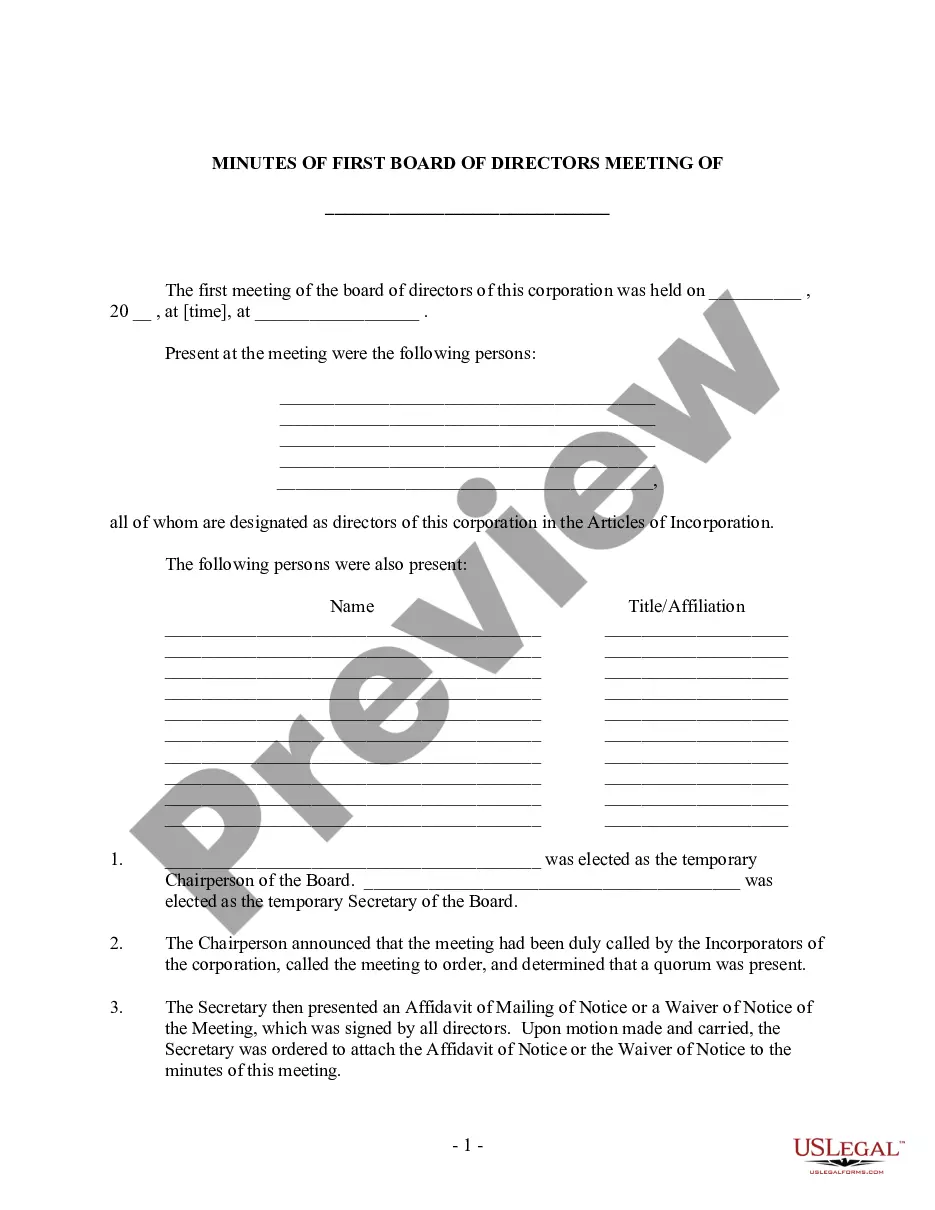
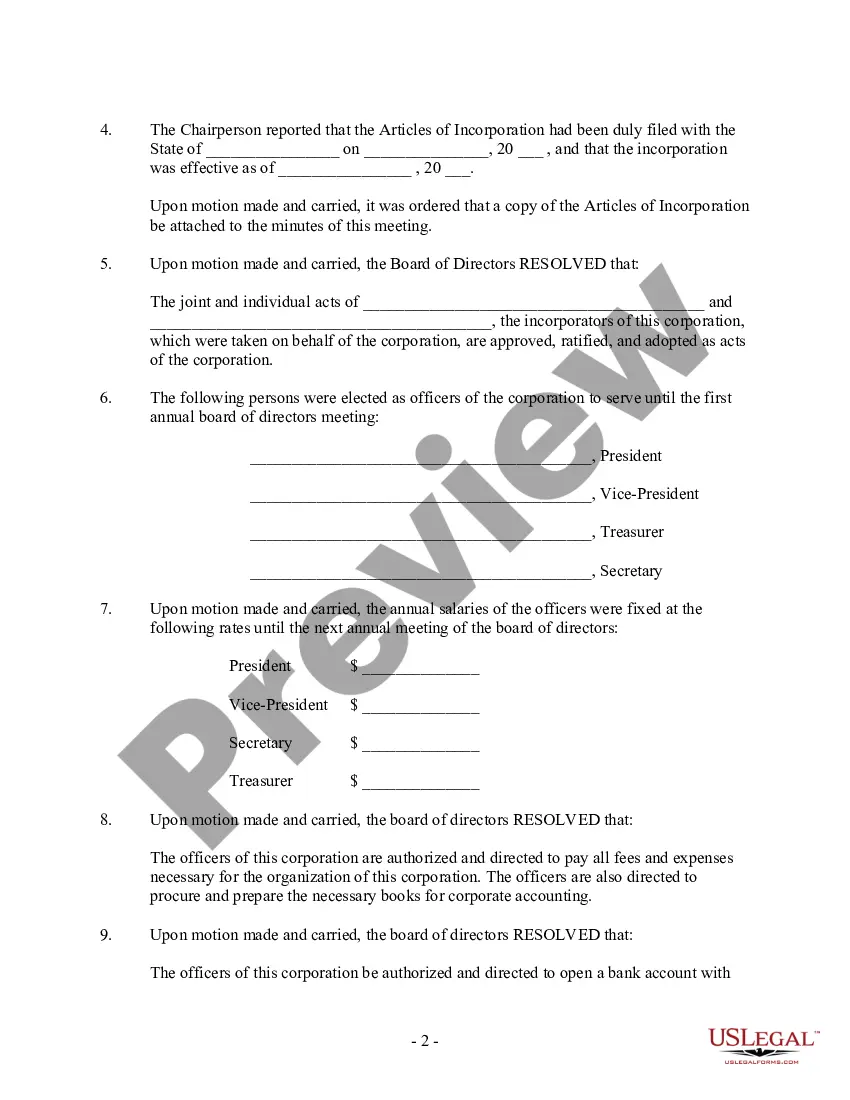
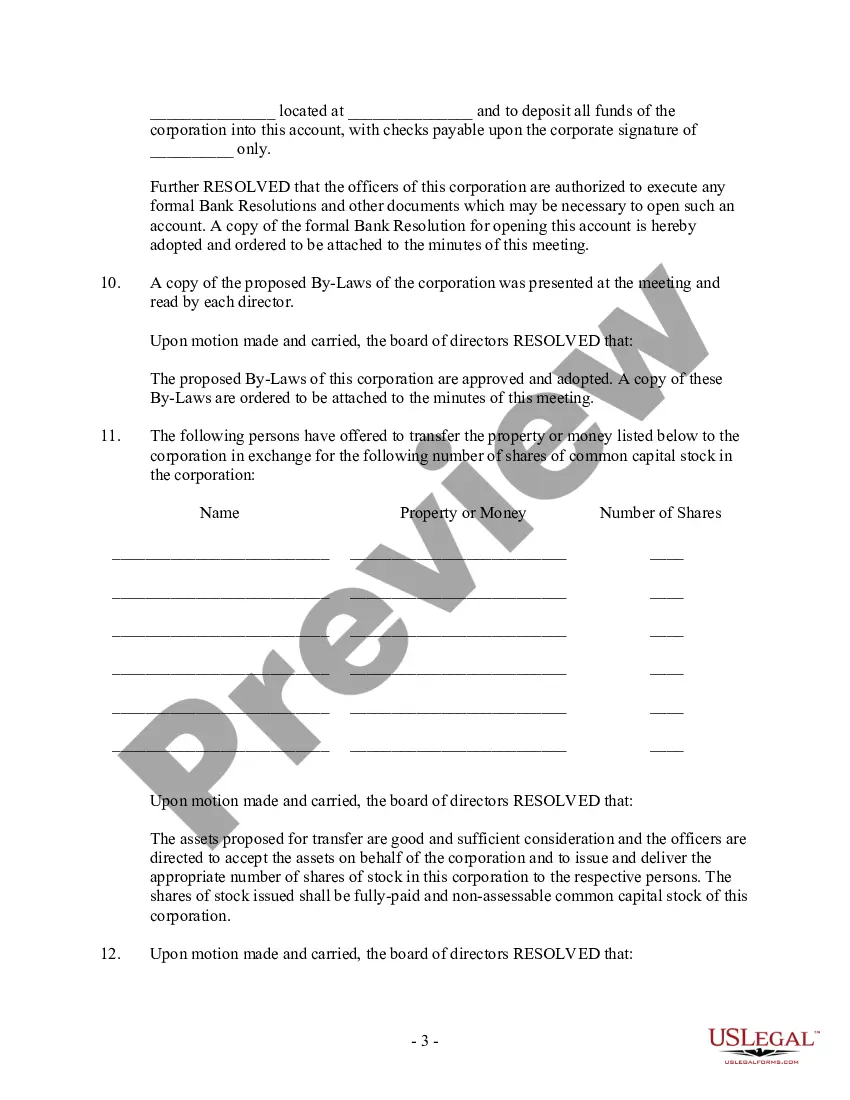
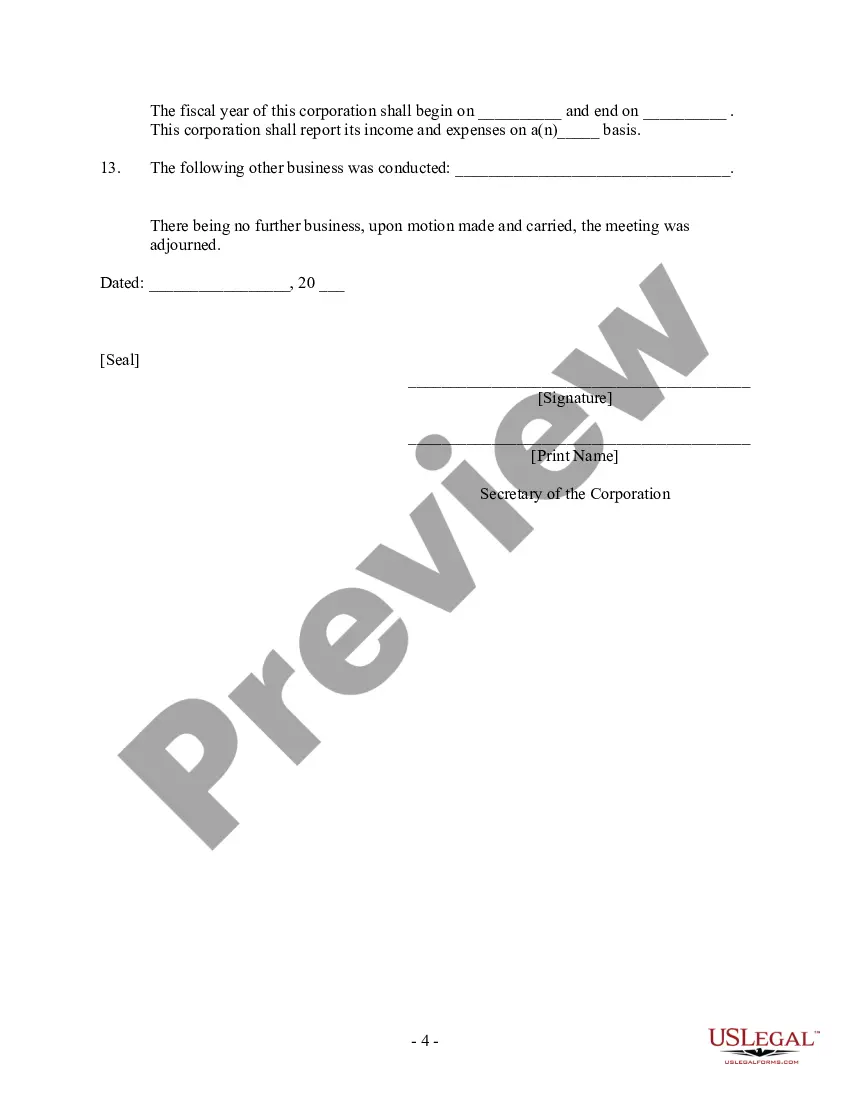
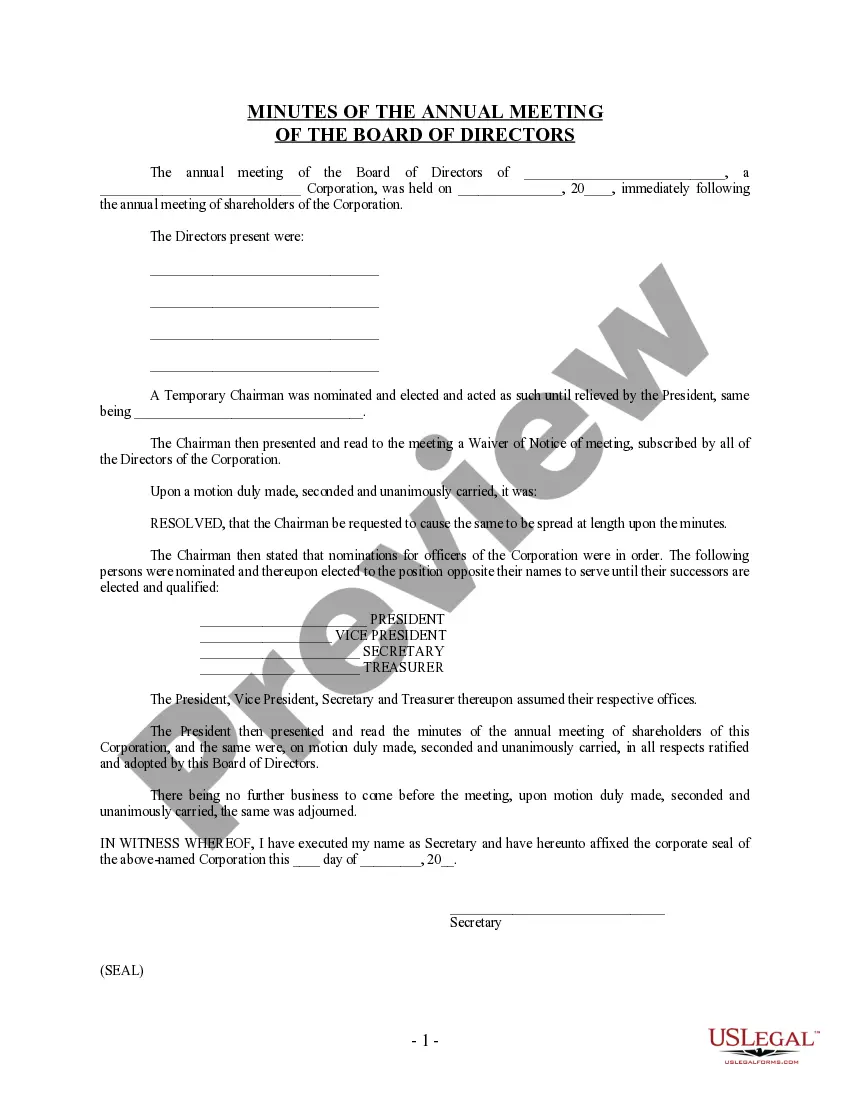

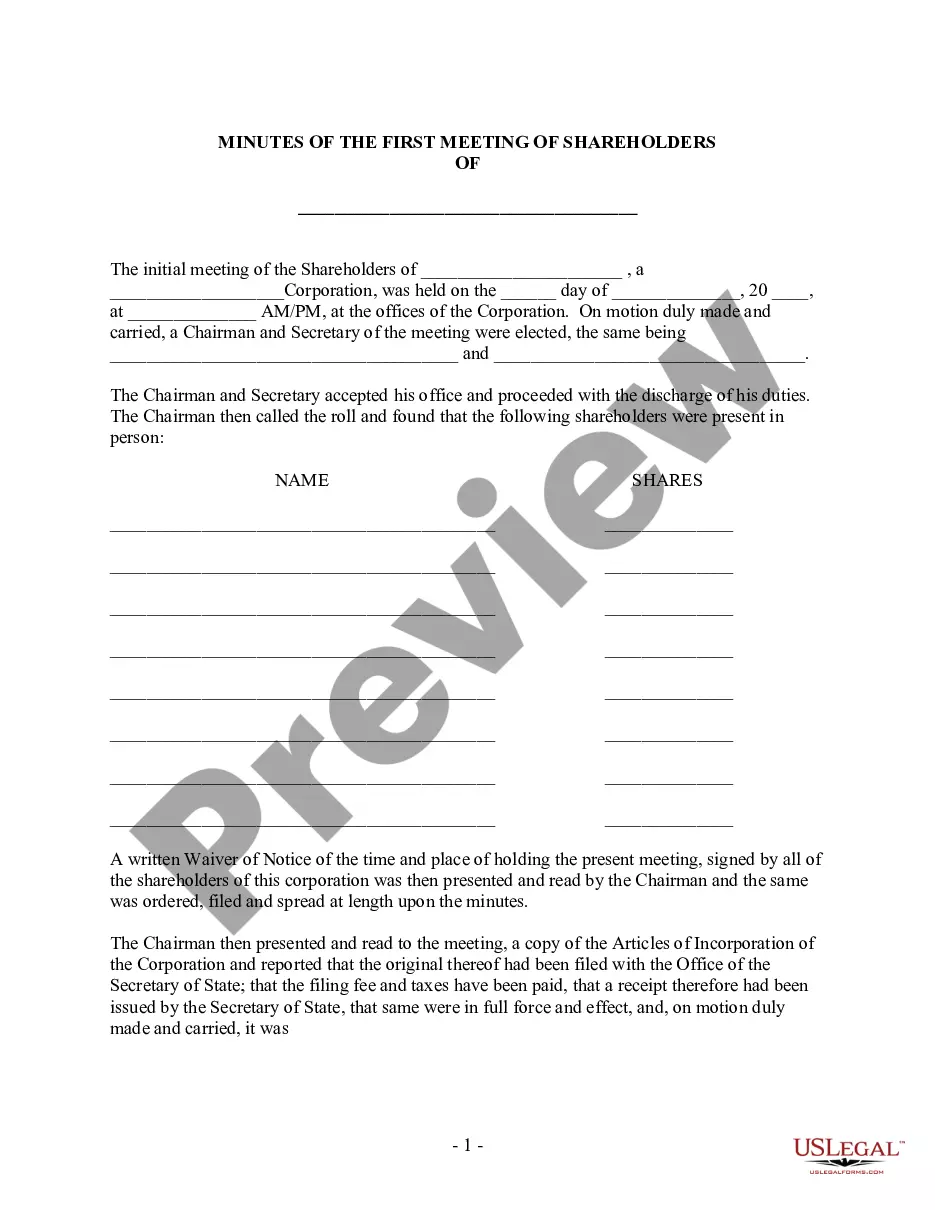
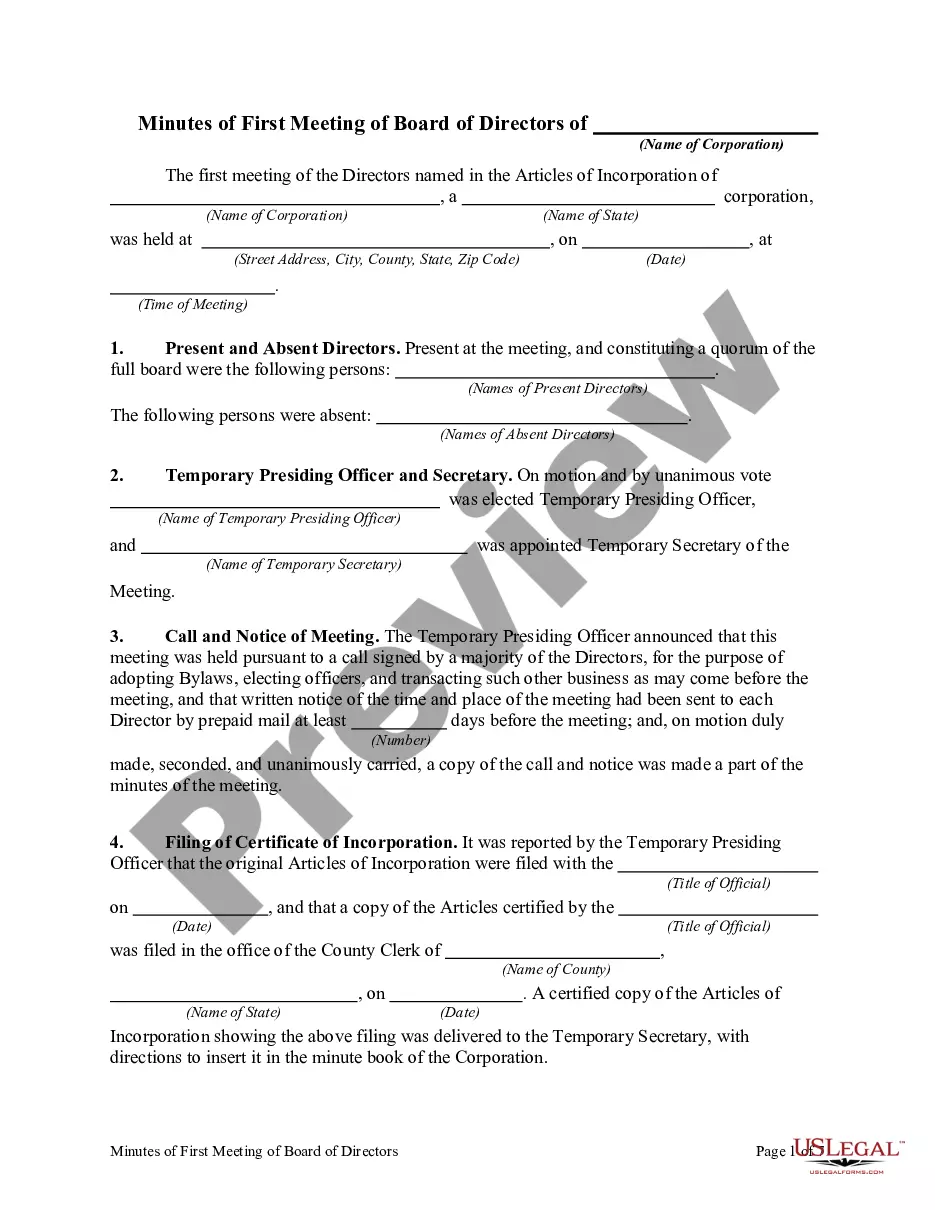
Get your form ready online
Our built-in tools help you complete, sign, share, and store your documents in one place.
Make edits, fill in missing information, and update formatting in US Legal Forms—just like you would in MS Word.
Download a copy, print it, send it by email, or mail it via USPS—whatever works best for your next step.
Sign and collect signatures with our SignNow integration. Send to multiple recipients, set reminders, and more. Go Premium to unlock E-Sign.
If this form requires notarization, complete it online through a secure video call—no need to meet a notary in person or wait for an appointment.
We protect your documents and personal data by following strict security and privacy standards.

Make edits, fill in missing information, and update formatting in US Legal Forms—just like you would in MS Word.

Download a copy, print it, send it by email, or mail it via USPS—whatever works best for your next step.

Sign and collect signatures with our SignNow integration. Send to multiple recipients, set reminders, and more. Go Premium to unlock E-Sign.

If this form requires notarization, complete it online through a secure video call—no need to meet a notary in person or wait for an appointment.

We protect your documents and personal data by following strict security and privacy standards.
Looking for another form?

Form popularity
FAQ
A board of directors (BofD) is the governing body of a corporation or other organization, whose members are elected by shareholders (in the case of public companies) to set strategy, oversee management, and protect the interests of shareholders and stakeholders. Every public company must have a board of directors.
Curtis J. Myers became Chairman of the Board and Chief Executive Officer of Fulton Financial Corporation effective on January 1, 2023. Mr. Myers has been the President and Chief Operating Officer of Fulton since January 1, 2018.
Corporate Governance and the Board of Directors The board of directors is the primary direct stakeholder influencing corporate governance. Directors are elected by shareholders or appointed by other board members and charged with representing the interests of the company's shareholders.
For publicly traded companies, boards typically comprise executive, nonexecutive, and independent directors elected by shareholders. This is known as a one-tier board structure. The board of directors often includes the CEO and sometimes the CFO of the company.
A board of directors is a group of people who represent the interests of a company's shareholders. It also provides guidance and advice to an organization's CEO and executive team. A board provides general oversight of operations without getting involved in day-to-day operations.
Today, as part of Fulton Financial Corporation, an over $30 billion financial services holding company, Fulton Bank offers a broad array of financial products and services in Pennsylvania, New Jersey, Maryland, Delaware, and Virginia.
For example, if you work for a public company, company directors are above the CEO. If you work for a private company, it could be owners or board members who rank above the CEO. In most organizations, the positions above the CEO include Chairman of the Board, President and Vice President.
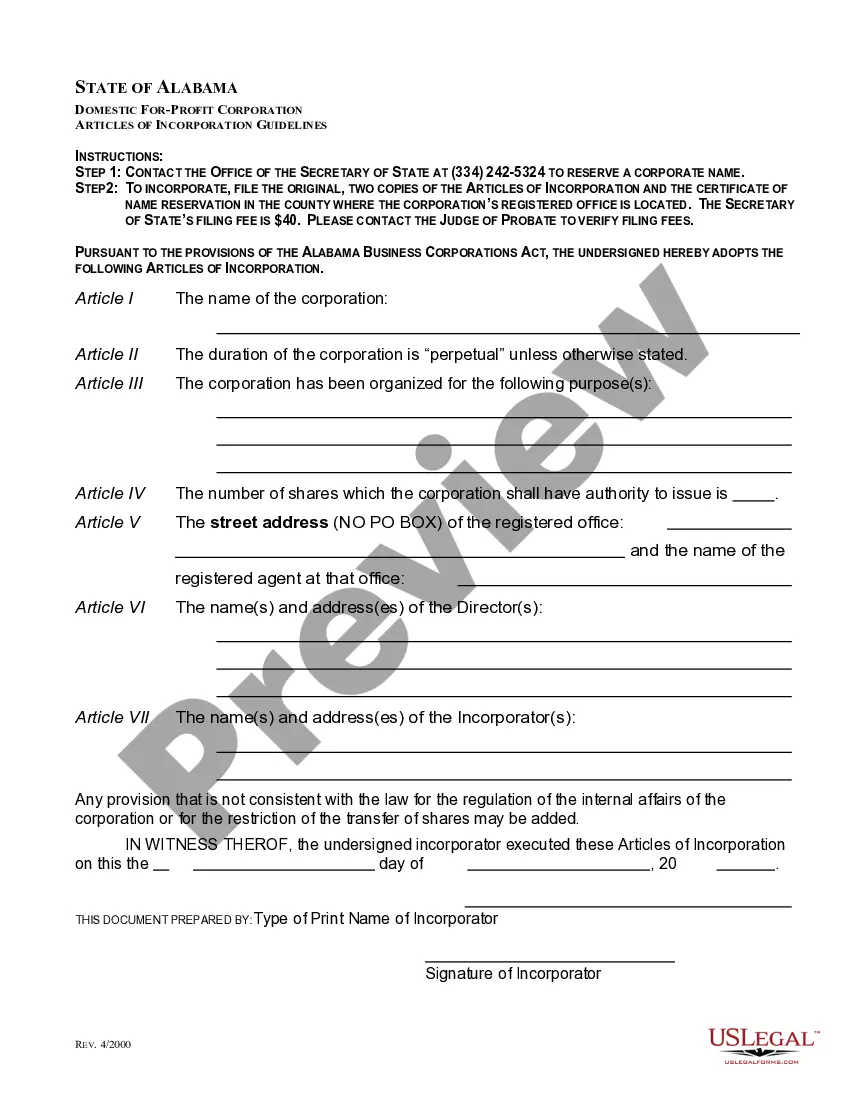
There are several common actions to take to organize your board of directors, though, including these five steps: Register articles of incorporation. Create bylaws. Set up a board of directors agreement. Select your board of directors. Have an initial shareholder meeting.
How to form a board of directors Register articles of incorporation. You must file articles of incorporation in your state to gain legal status as a corporation. Create bylaws. Set up a board of directors agreement. Select your board of directors. Have an initial shareholder meeting.
Normally, the board or the shareholders by an ordinary resolution (a majority in favour) decide the appointment. The Articles may contain provisions that require more than 51% of shareholders to agree to the appointment.