Sample Order For Judge To Sign In Washington
Description


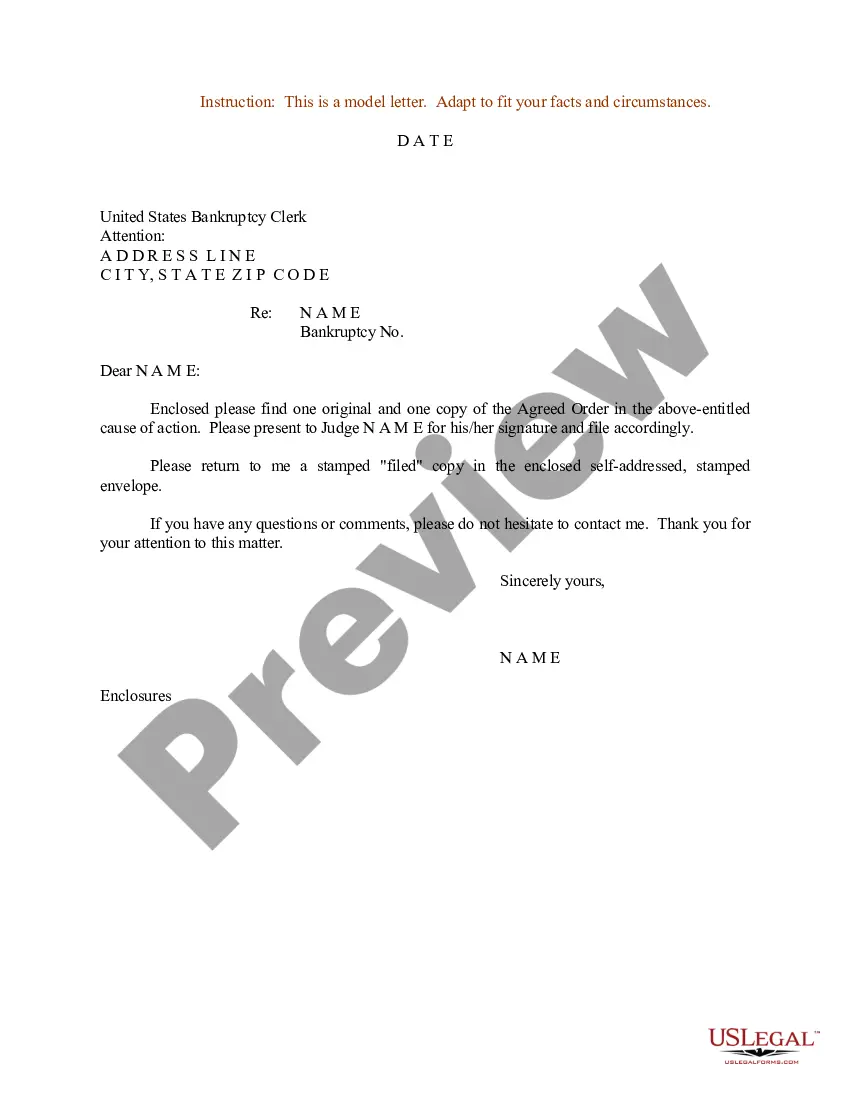
Get your form ready online
Our built-in tools help you complete, sign, share, and store your documents in one place.
Make edits, fill in missing information, and update formatting in US Legal Forms—just like you would in MS Word.
Download a copy, print it, send it by email, or mail it via USPS—whatever works best for your next step.
Sign and collect signatures with our SignNow integration. Send to multiple recipients, set reminders, and more. Go Premium to unlock E-Sign.
If this form requires notarization, complete it online through a secure video call—no need to meet a notary in person or wait for an appointment.
We protect your documents and personal data by following strict security and privacy standards.

Make edits, fill in missing information, and update formatting in US Legal Forms—just like you would in MS Word.

Download a copy, print it, send it by email, or mail it via USPS—whatever works best for your next step.

Sign and collect signatures with our SignNow integration. Send to multiple recipients, set reminders, and more. Go Premium to unlock E-Sign.

If this form requires notarization, complete it online through a secure video call—no need to meet a notary in person or wait for an appointment.

We protect your documents and personal data by following strict security and privacy standards.
Looking for another form?








Form popularity
FAQ
If you want to file a motion, the process is generally something like this: You write your motion. You file your motion with the court clerk. The court clerk inserts the date and time your motion will be heard by the judge. You “serve” (mail) your motion to the other side.
Rule 7 – Pleadings allowed (b) Motions and Other Papers. (1) In General. A request for a court order must be made by motion. The motion must: (A) be in writing unless made during a hearing or trial; (B) state with particularity the grounds for seeking the order; and (C) state the relief sought.
Unless agreed by the parties and with the permission of the court, all discovery shall be completed within 60 days of the demand, or 90 days of service of the summons and complaint, or counterclaim, or cross complaint, whichever is longer.
(a) Computation. In computing any period of time prescribed or allowed by these rules, by the local rules of any district court, by order of court, or by any applicable statute, the day of the act, event, or default from which the designated period of time begins to run shall not be included.
An application to the court for an order shall be by motion which, unless made during a hearing or trial, shall be made in writing, shall state with particularity the grounds therefor, and shall set forth the relief or order sought.
When signing the letter, you should close out with “Respectfully” or “Sincerely,” followed by both a typed and handwritten signature with your first and last name.
If you want to tell the judge about your case or ask the judge to take a certain action in your case, you should file a written motion with the clerk of the court in which your case was filed explaining what relief you are seeking and why you are entitled to that relief.
Show cause orders instruct parties to “show cause” why the court should decide in their favor on a motion. More accurately, a show cause order instructs a party to appear at a hearing and show cause why the court should not grant a motion another party filed.
A notice to show cause is a formal document issued to one party in a dispute. It sets out details of an alleged offence or misconduct. In doing so, the receiving party will have the chance to explain themselves or otherwise face some further consequences.

