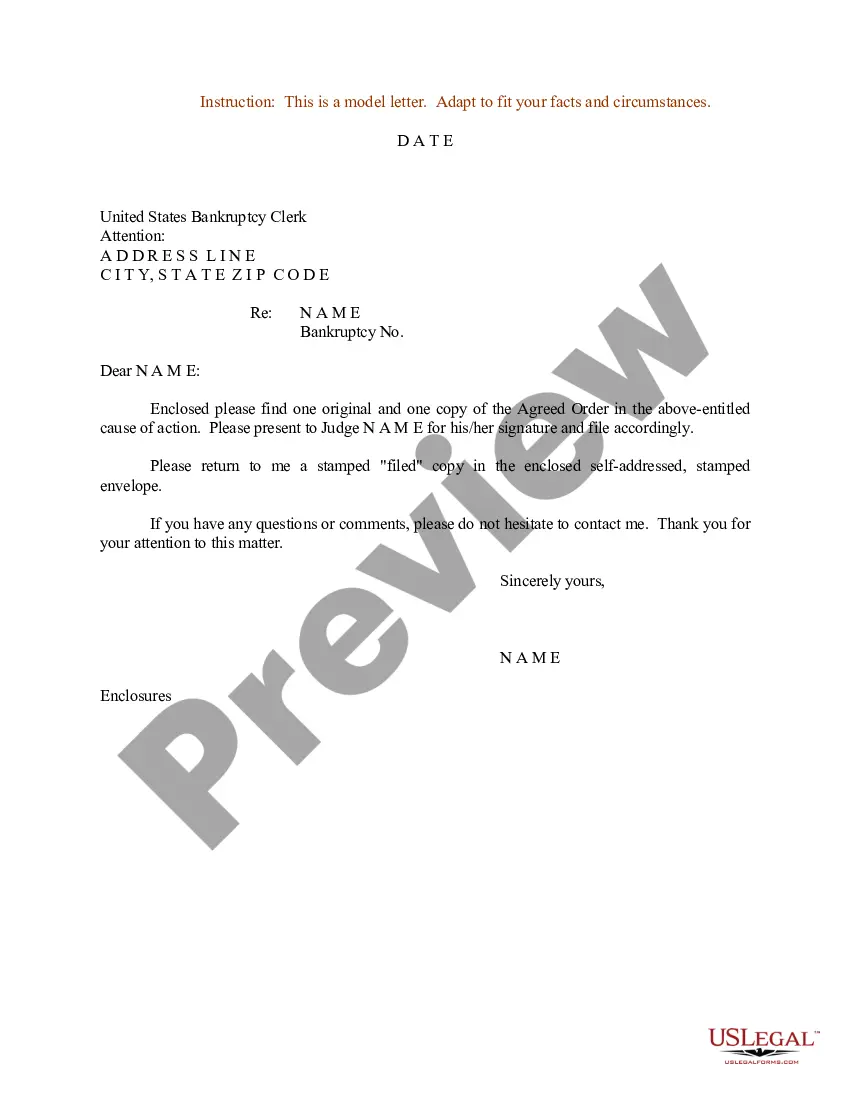
Sample Order For Judge To Sign In Riverside
Description


Get your form ready online
Our built-in tools help you complete, sign, share, and store your documents in one place.
Make edits, fill in missing information, and update formatting in US Legal Forms—just like you would in MS Word.
Download a copy, print it, send it by email, or mail it via USPS—whatever works best for your next step.
Sign and collect signatures with our SignNow integration. Send to multiple recipients, set reminders, and more. Go Premium to unlock E-Sign.
If this form requires notarization, complete it online through a secure video call—no need to meet a notary in person or wait for an appointment.
We protect your documents and personal data by following strict security and privacy standards.

Make edits, fill in missing information, and update formatting in US Legal Forms—just like you would in MS Word.

Download a copy, print it, send it by email, or mail it via USPS—whatever works best for your next step.

Sign and collect signatures with our SignNow integration. Send to multiple recipients, set reminders, and more. Go Premium to unlock E-Sign.

If this form requires notarization, complete it online through a secure video call—no need to meet a notary in person or wait for an appointment.

We protect your documents and personal data by following strict security and privacy standards.
Looking for another form?

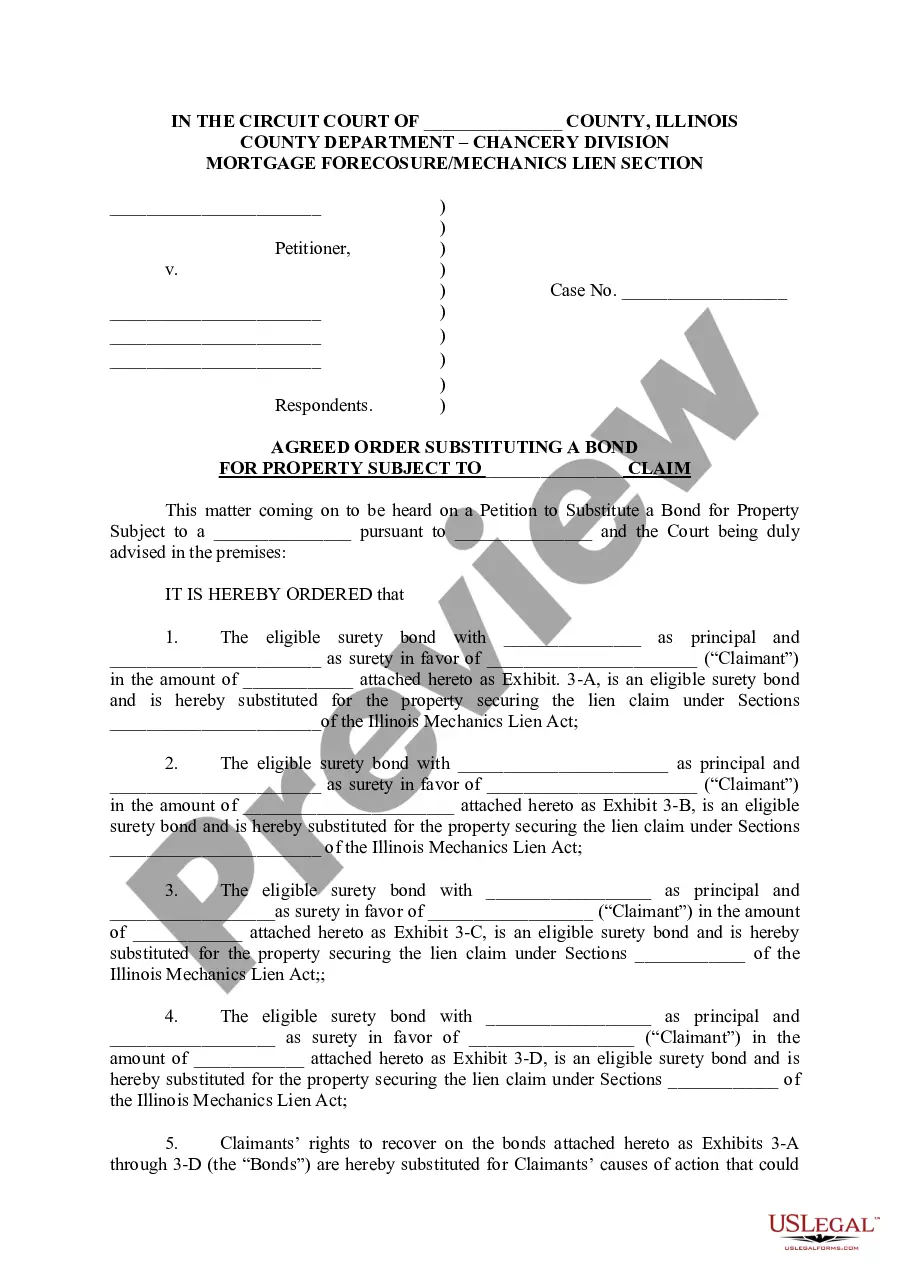
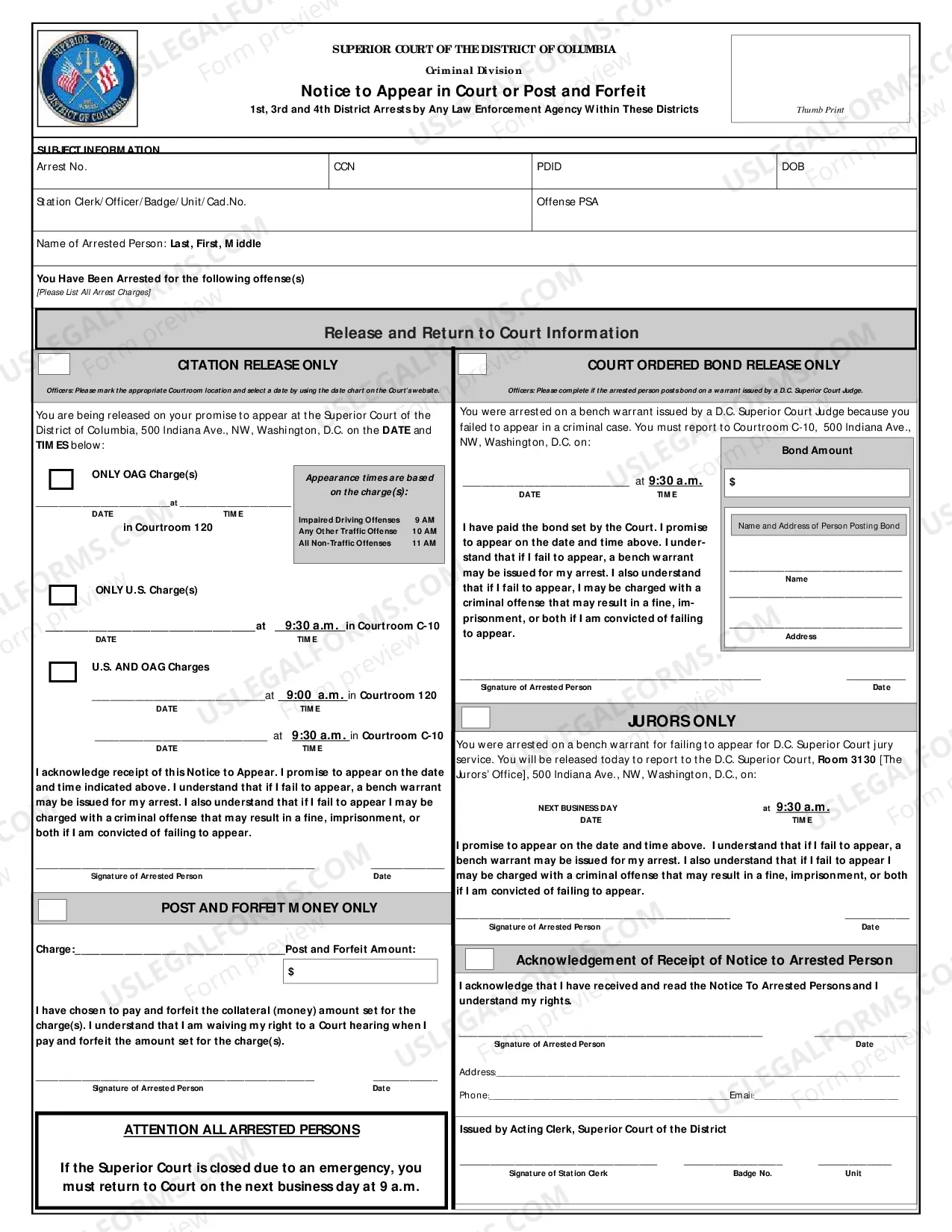

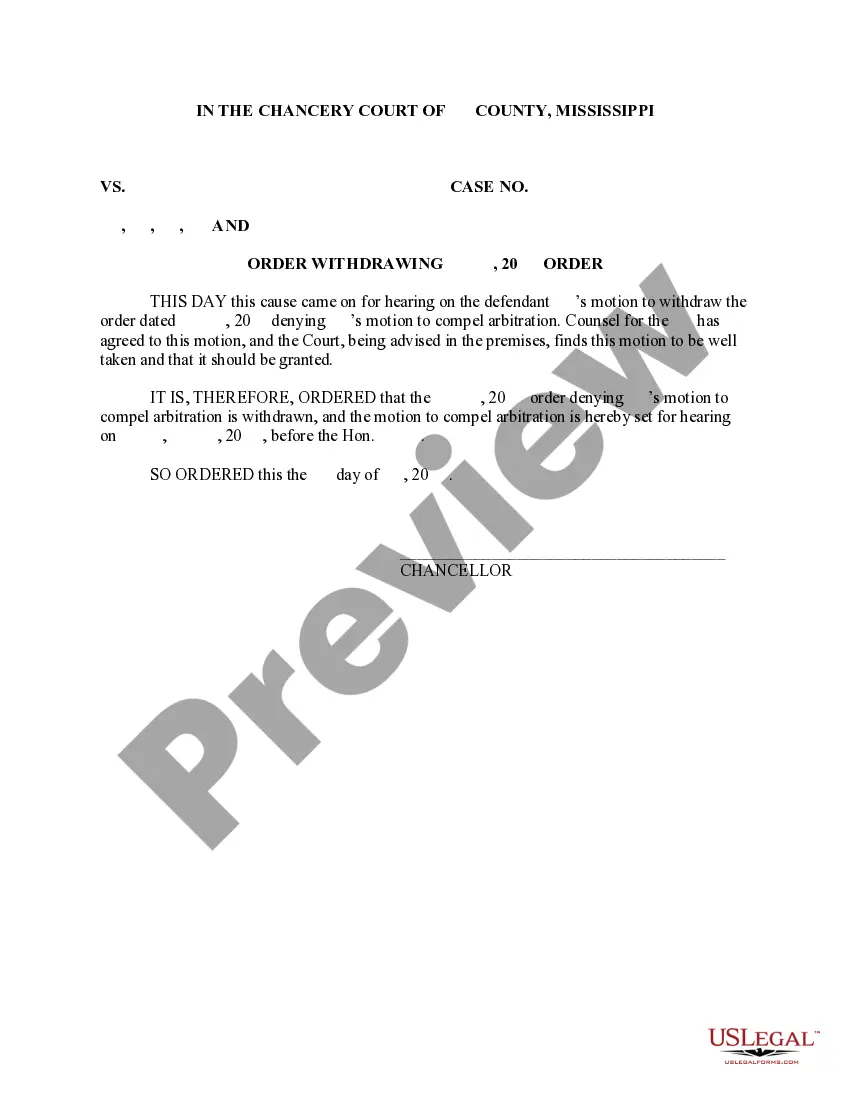
Form popularity
FAQ
Trial Setting Conference Statement Riverside Form. Use a Trial Setting Conference Statement Riverside template to make your document workflow more streamlined.
Ex Parte Applications Ex parte documents must be eFiled before am the court day before the hearing. Ex parte written oppositions must be eFiled before am the day of the hearing. Printed courtesy copies of ex parte oppositions must be provided to the court the day of the ex parte hearing.
The Ex Parte Application must show there is an emergency such that there will be irreparable harm or immediate danger if the order is not granted. An Ex Parte Application should only be filed when there is not enough time to hear a regularly noticed motion (16 court days minimum).
Ex parte orders are typically temporary. They usually remain in effect only until a full hearing can be held with both parties present, usually within 10 to 20 days, depending on the jurisdiction.
In law, ex parte (/ɛks ˈpɑːrteɪ, -iː/) is a Latin term meaning literally "from/out of the party/faction of" (name of party/faction, often omitted), thus signifying "on behalf of (name)". An ex parte decision is one decided by a judge without requiring all of the parties to the dispute to be present.
Comply with Local Rule 3116, which provides that a written response to any OSC be filed with the Court at least 5 days in advance of the hearing (although the Court encourages filing any response at least 10 days in advance of the OSC where possible).
California Rules of Court Rule 4.545 offers some additional clarity, which provides, “the order to show cause is issued if the petitioner has made a prima facie showing that he or she is entitled to relief; it does not grant the relief requested. An order to show cause may also be referred to as 'granting the writ.
On the next court date, there will be a hearing to determine if you have indeed violated a previous written order of the court. If you are unable to show the Court that you have not violated the Order, then you will most likely be held in Contempt of Court.
An Order issued by the court that a party appear in court on a specified date and time to give reason (show cause) why an order requested by the opposing party should not be made.
Legal Examples: A Show Cause Order is issued to a party who has allegedly violated a court order. The individual must appear in court to explain why they should not be held in contempt for failing to comply with the original order, such as not paying court-ordered child support.
