Sample Character Letter To Judge For Friend In Palm Beach
Description


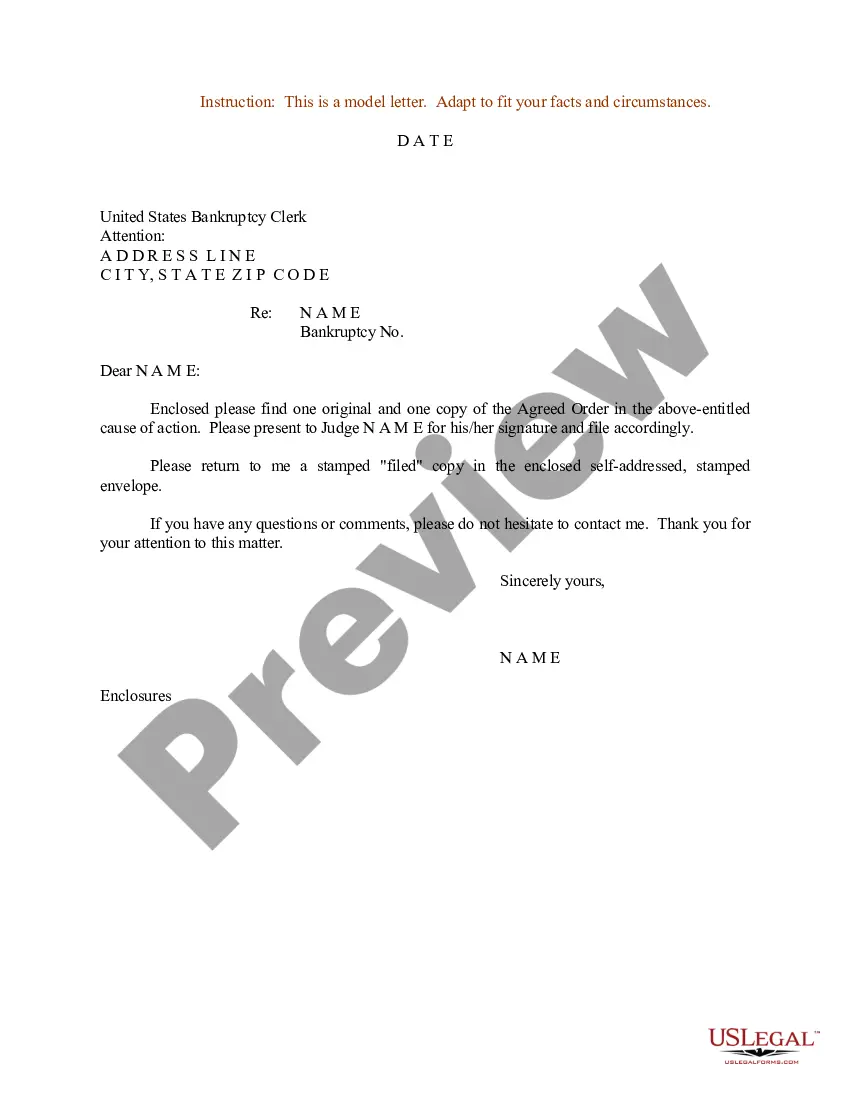
Get your form ready online
Our built-in tools help you complete, sign, share, and store your documents in one place.
Make edits, fill in missing information, and update formatting in US Legal Forms—just like you would in MS Word.
Download a copy, print it, send it by email, or mail it via USPS—whatever works best for your next step.
Sign and collect signatures with our SignNow integration. Send to multiple recipients, set reminders, and more. Go Premium to unlock E-Sign.
If this form requires notarization, complete it online through a secure video call—no need to meet a notary in person or wait for an appointment.
We protect your documents and personal data by following strict security and privacy standards.

Make edits, fill in missing information, and update formatting in US Legal Forms—just like you would in MS Word.

Download a copy, print it, send it by email, or mail it via USPS—whatever works best for your next step.

Sign and collect signatures with our SignNow integration. Send to multiple recipients, set reminders, and more. Go Premium to unlock E-Sign.

If this form requires notarization, complete it online through a secure video call—no need to meet a notary in person or wait for an appointment.

We protect your documents and personal data by following strict security and privacy standards.
Looking for another form?


Form popularity
FAQ
{Name} operates with integrity, and never has a bad word to say about anyone. {He/she} is also hard working and dedicated, and never leaves a job unfinished. On a personal level, may I just say that I really like {Name}, and I have no doubts about {his/her} abilities to succeed in the future.
Here's an example: “Friend's name is an incredibly compassionate and reliable individual. Their unwavering support and genuine kindness make them a trusted confidant and a valuable asset to any team or project.
If you are asked to write a character letter for someone, it can be helpful to keep the following tips in mind when creating your letter: Address Your Letter to the Judge. Establish a Clear Relationship with the Defendant. Be Truthful. Be Positive. Include a Discussion of the Crime. Do Not Suggest Penalties for the Crime.
Keep the following tips in mind when writing a character reference letter: Be sure to include how long you have known the person. Mention what capacity you have known them in. Include an example of their positive character traits.
How to structure a character reference: Introduce yourself, state what your occupation is and any qualifications you hold. In what capacity do you know them the defendant? Tell the court that you're aware of the proceedings. Give some background surrounding your relationship with the defendant.
Person's name has always been a loving and caring friend/family member/co-worker since we first met. That is why I am writing this letter to defend person's name, because he/she has always been a respected person in the community, and a genuine person to everyone he/she has come across.
When writing, avoid simply describing the defendant in terms like “he is loyal.” Instead, tell a story about his loyalty, or how he has been an upstanding member of the community. A story will stand out in the judge's mind more than adjectives will, making your letter more effective.
The list of key parts are: Introduction and statement of recommendation. List of specific reasons you are recommending them to the position. Personal story with evidence of their qualities (soft and hard skills) Closing statement with contact information. Signature.
Here's an example: “Friend's name is an incredibly compassionate and reliable individual. Their unwavering support and genuine kindness make them a trusted confidant and a valuable asset to any team or project.
If you are asked to write a character letter for someone, it can be helpful to keep the following tips in mind when creating your letter: Address Your Letter to the Judge. Establish a Clear Relationship with the Defendant. Be Truthful. Be Positive. Include a Discussion of the Crime. Do Not Suggest Penalties for the Crime.

