Sample Letter To Judge For Guardianship In Miami-Dade
Description


Get your form ready online
Our built-in tools help you complete, sign, share, and store your documents in one place.
Make edits, fill in missing information, and update formatting in US Legal Forms—just like you would in MS Word.
Download a copy, print it, send it by email, or mail it via USPS—whatever works best for your next step.
Sign and collect signatures with our SignNow integration. Send to multiple recipients, set reminders, and more. Go Premium to unlock E-Sign.
If this form requires notarization, complete it online through a secure video call—no need to meet a notary in person or wait for an appointment.
We protect your documents and personal data by following strict security and privacy standards.

Make edits, fill in missing information, and update formatting in US Legal Forms—just like you would in MS Word.

Download a copy, print it, send it by email, or mail it via USPS—whatever works best for your next step.

Sign and collect signatures with our SignNow integration. Send to multiple recipients, set reminders, and more. Go Premium to unlock E-Sign.

If this form requires notarization, complete it online through a secure video call—no need to meet a notary in person or wait for an appointment.

We protect your documents and personal data by following strict security and privacy standards.
Looking for another form?
Form popularity
FAQ
While guardianship and custody can seem very similar in concept, legally speaking, they are very different. They involve different rights and responsibilities, and they have different implications for the child, the child's parents, and the guardian (if involved).
A guardian must be represented by an attorney who will serve as “attorney of record.” Guardians are usually required to furnish a bond (financial institutions and public guardians are not required to file a bond) and may be required to complete a court-approved training program.
Through an attorney, a petition for guardianship is filed with the court. In Florida, an attorney must represent the concerned person or entity throughout the guardianship proceedings. In the event of an emergency, an Emergency Temporary Guardian may be appointed.
The guardianship process is as follows: A petition is filed. Any competent adult may file with the court a petition to determine another person's incapacity. A hearing is held. The court will hold a hearing to review the reports of the examining committee. If necessary, a guardian will be appointed.
In Florida a professional guardian can be an adult and legal resident of the state. You will be required to successfully complete the state approved 40 hours of instruction and training course, which includes passing the in-course exam, and afterwards pass the statewide Florida Competency Guardianship Exam.
In Florida, guardianships typically require several weeks to establish. It is easy to imagine that an incapacitated individual may need more immediate help. In this situation, the Court may appoint a temporary guardian.
Florida law allows both voluntary and involuntary guardianships. A voluntary guardianship may be established for an adult who, though mentally competent, is incapable of managing his or her own estate and who voluntarily petitions for the appointment.
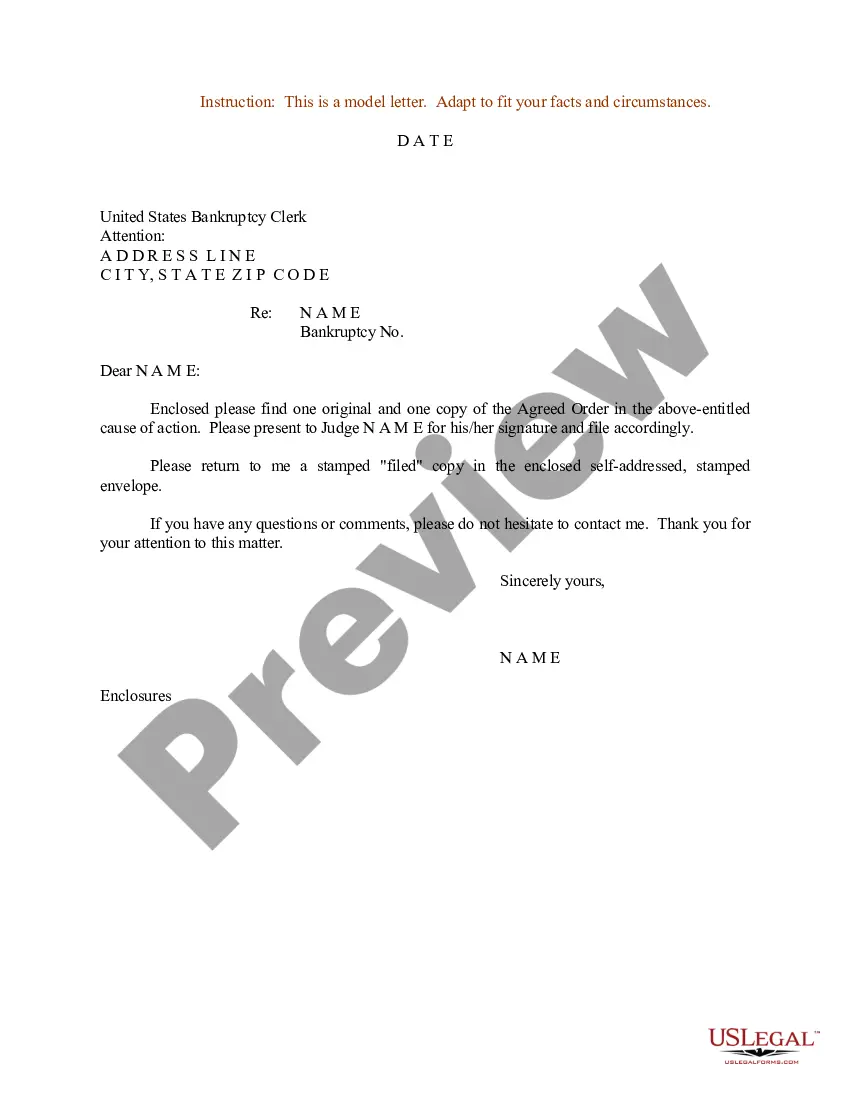
Drafting the Guardianship Letter Insert preliminary information. Include the subject heading of the letter. Draft the body of the letter. Describe the powers. State the duration of the temporary guardianship. Include contact information. Include information about your children and the guardian. Add a signature block.

