Residential Lease Rules and Regulations
Understanding this form
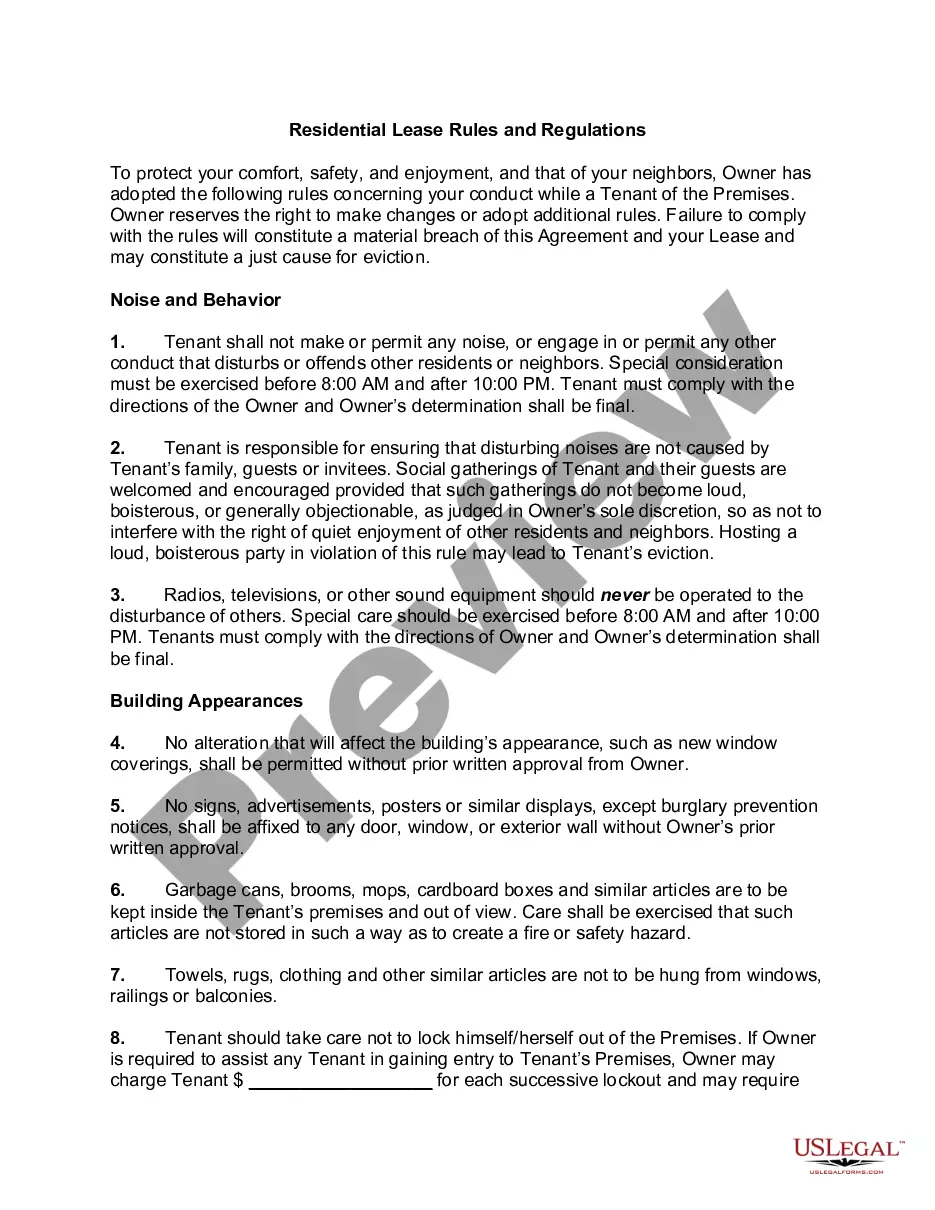
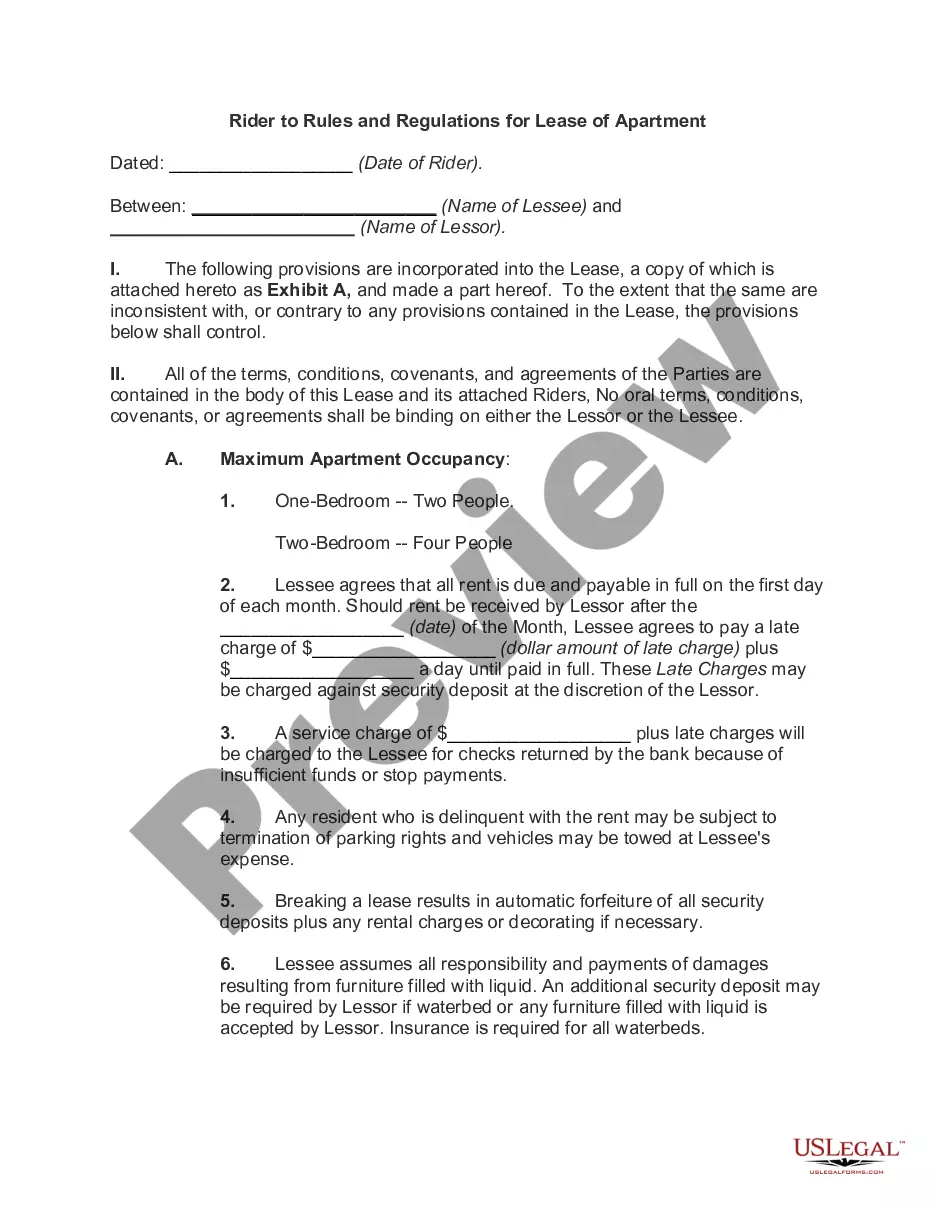
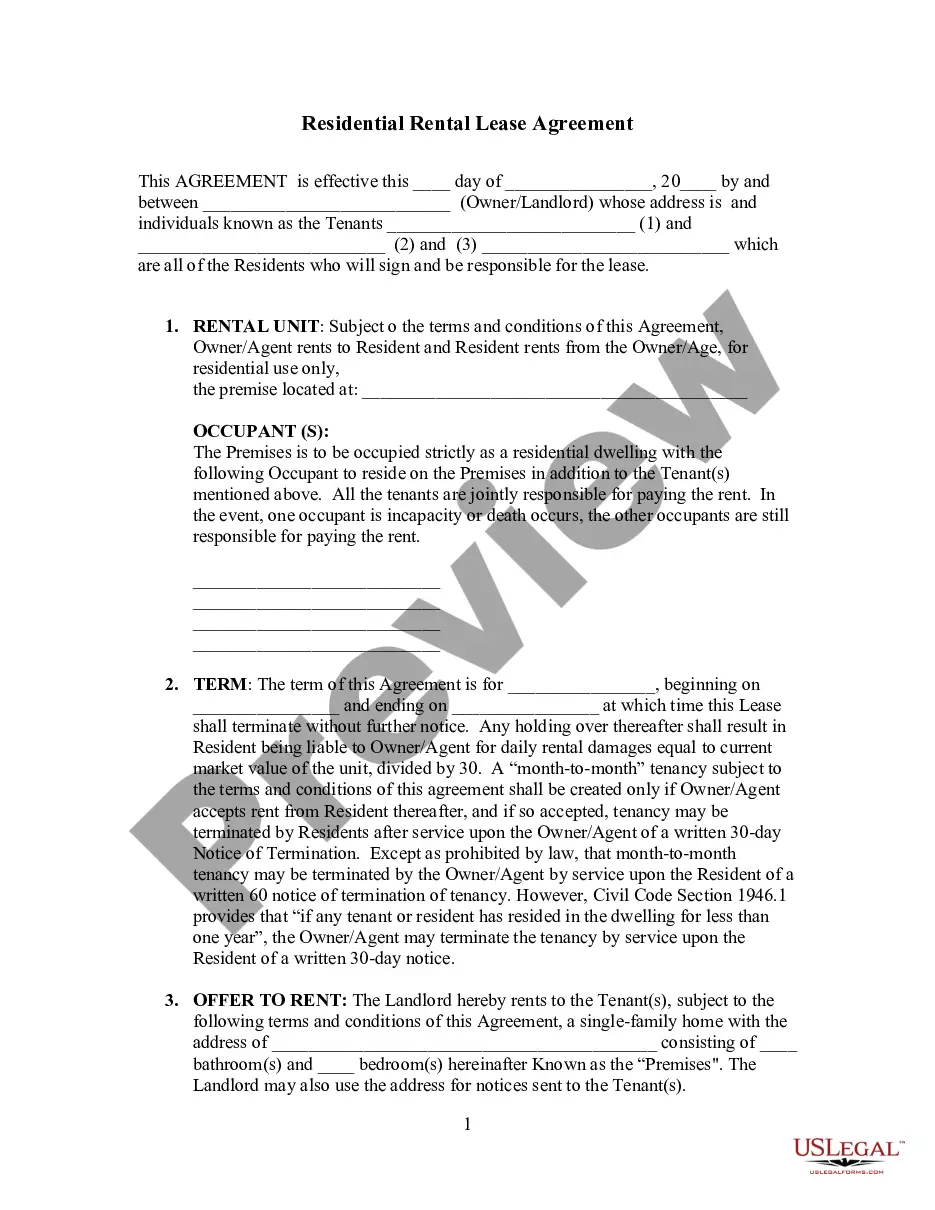
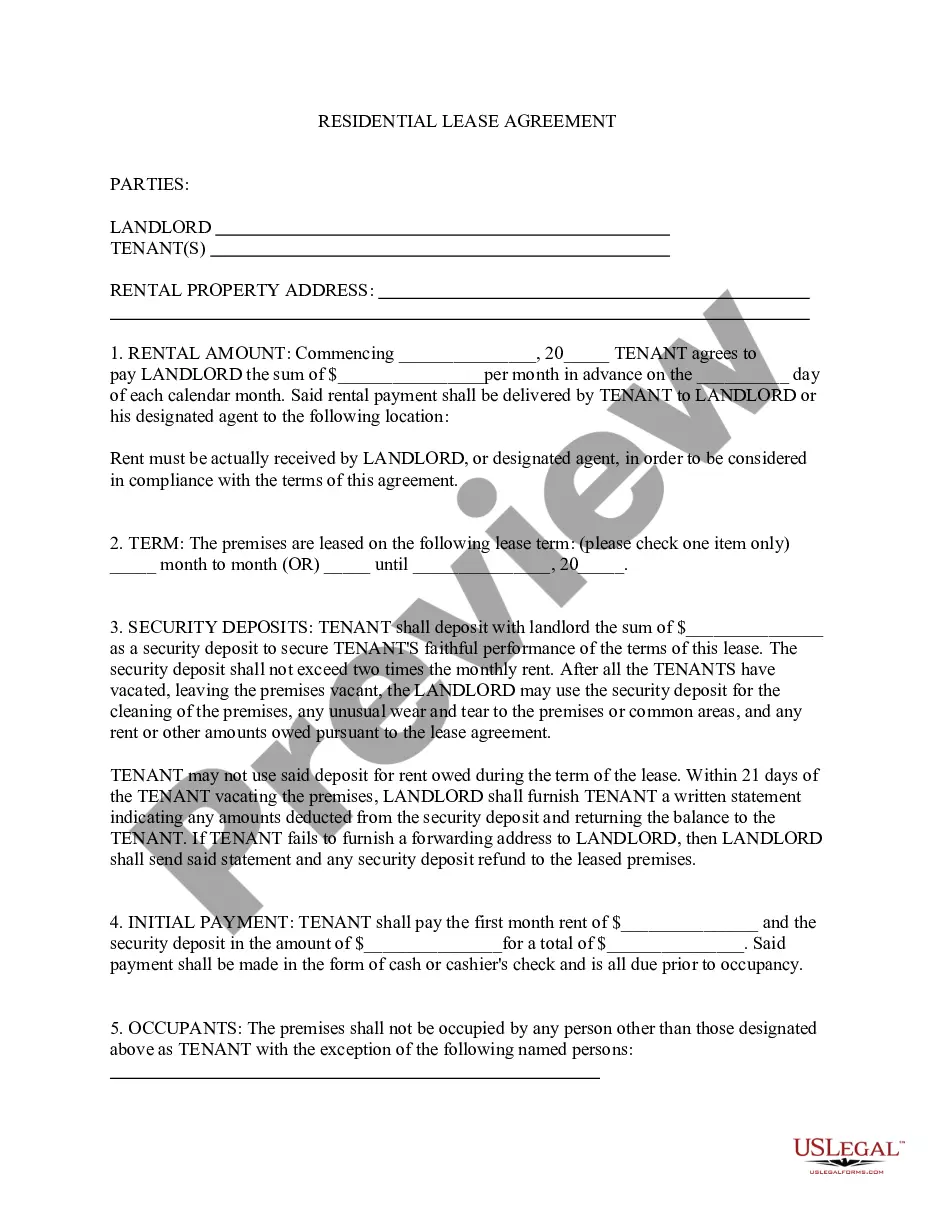
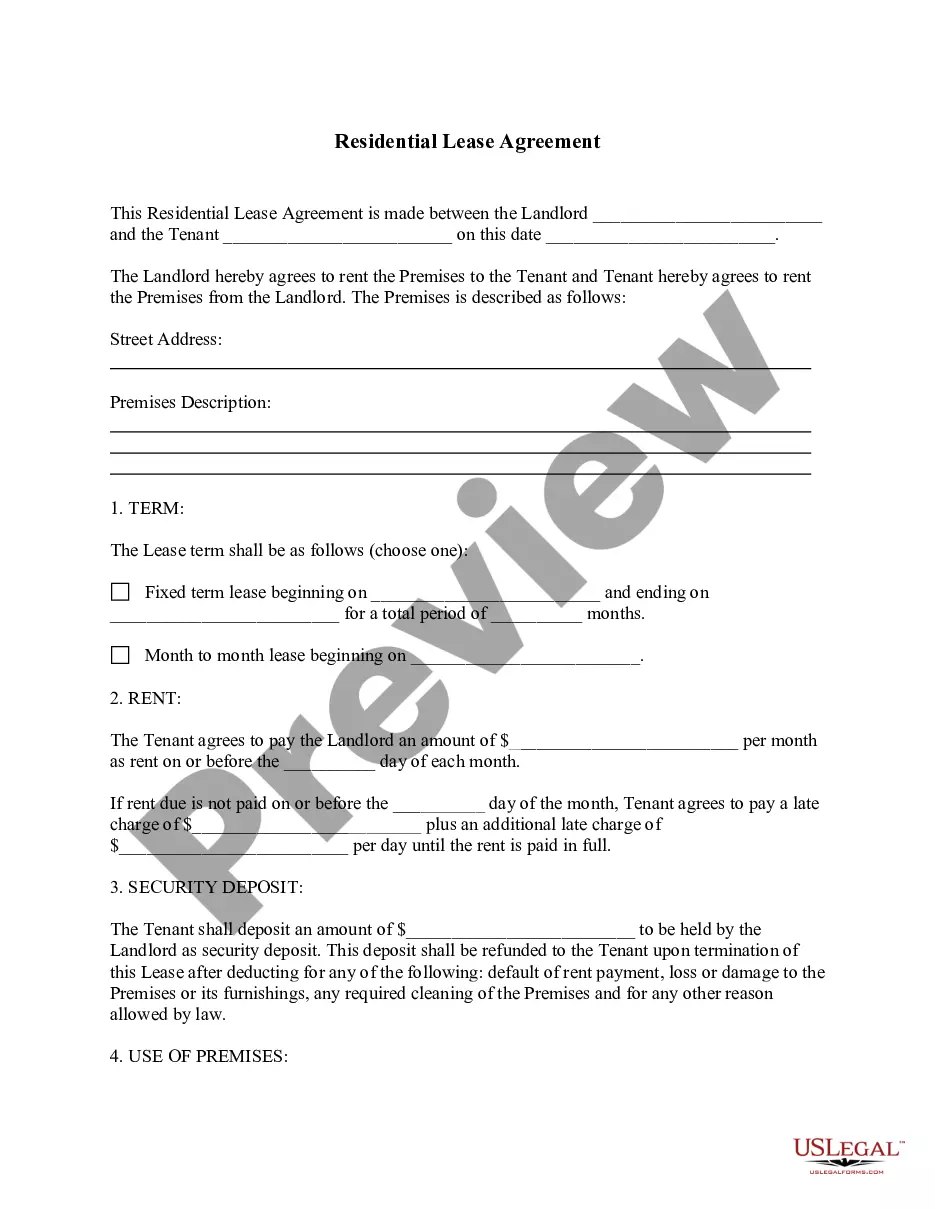
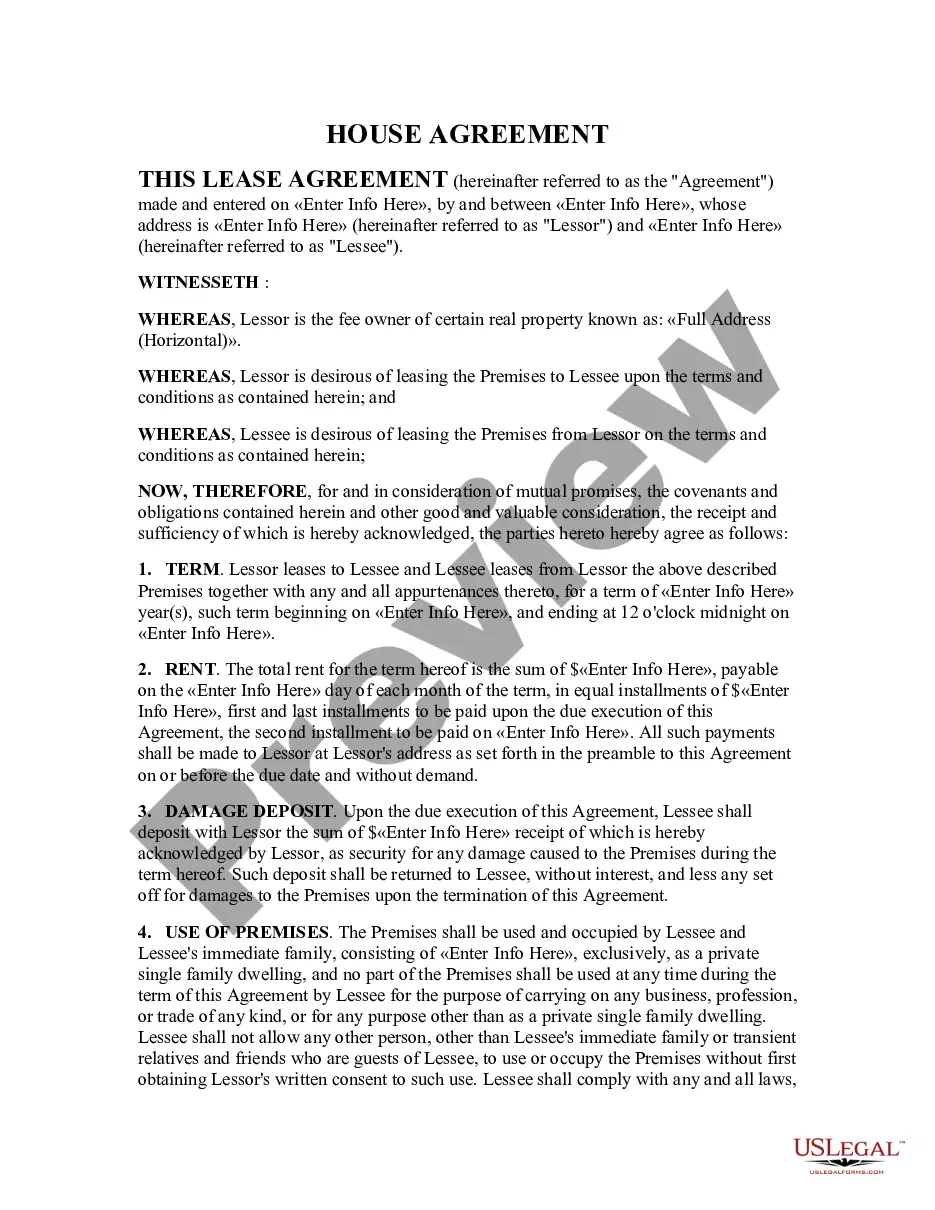
The Residential Lease Rules and Regulations form is designed for landlords to establish and communicate the expected behaviors and rules for tenants living in a residential property. It serves to maintain order and comfort within the property and defines the grounds upon which violations may lead to eviction. Unlike standard lease agreements, this form specifically outlines conduct rules and expectations for common areas and interactions among tenants and with management.
Main sections of this form
- Rules regarding noise and behavior to ensure peaceful living conditions.
- Guidelines for maintaining the building's appearance and cleanliness.
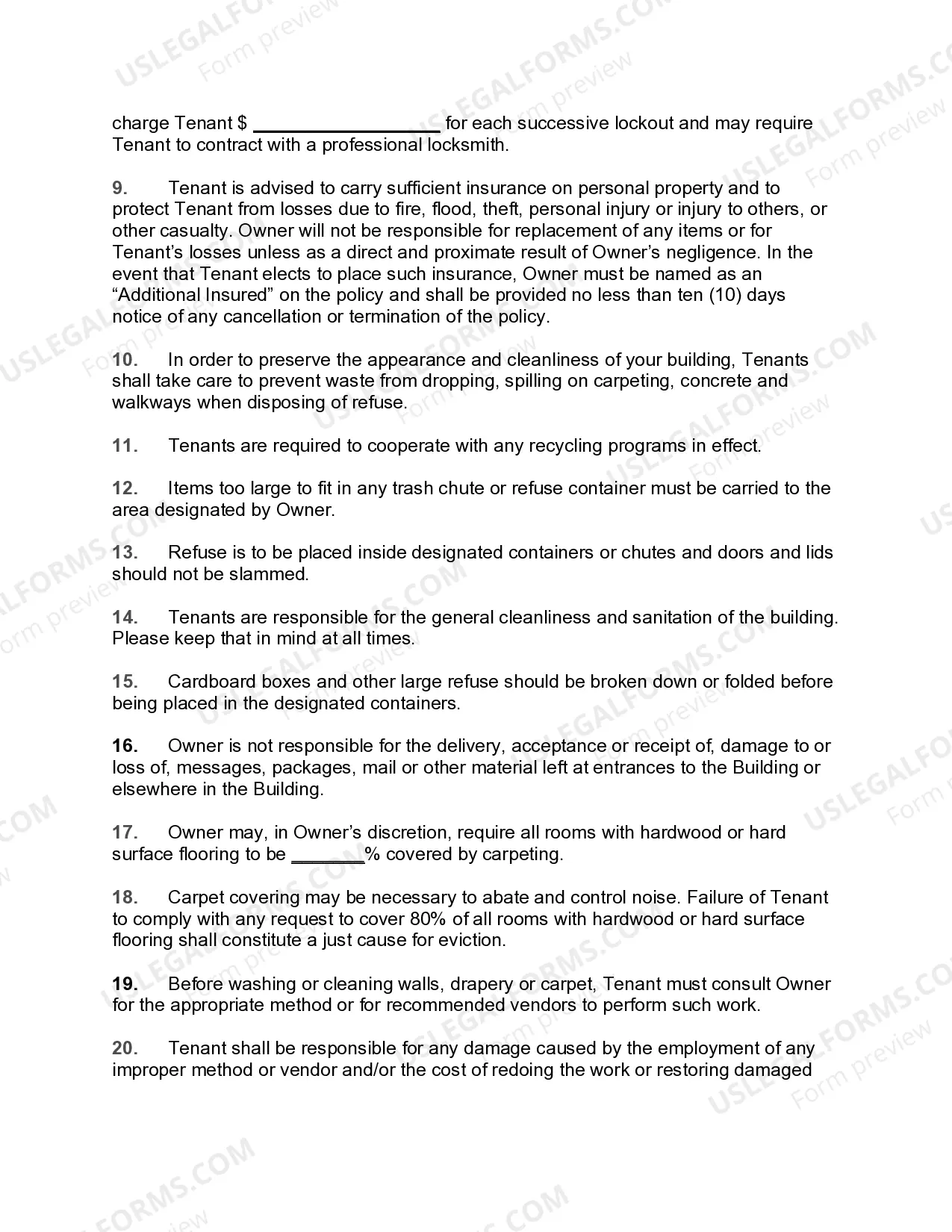
- Stipulations about personal property insurance and liability.
- Requirements for alterations to the property and responsibilities for damages.
- Policy on refuse disposal and recycling obligations.
When this form is needed
This form should be used by landlords at the beginning of a rental agreement to clearly outline the acceptable conduct for tenants. It is also relevant when renewing leases or when issues regarding tenant behavior arise, as it provides a legal foundation for enforcing property rules and addressing violations.
Who should use this form
- Landlords and property managers looking to set clear house rules for tenants.
- Property owners seeking to establish legally enforceable regulations in their rental properties.
- Tenants who want to understand their rights and responsibilities under the residential lease agreement.
Steps to complete this form
- Identify the property and parties involved (landlord and tenant).
- Clearly outline the specific house rules that tenants must follow.
- Include any penalties for violations, such as grounds for eviction.
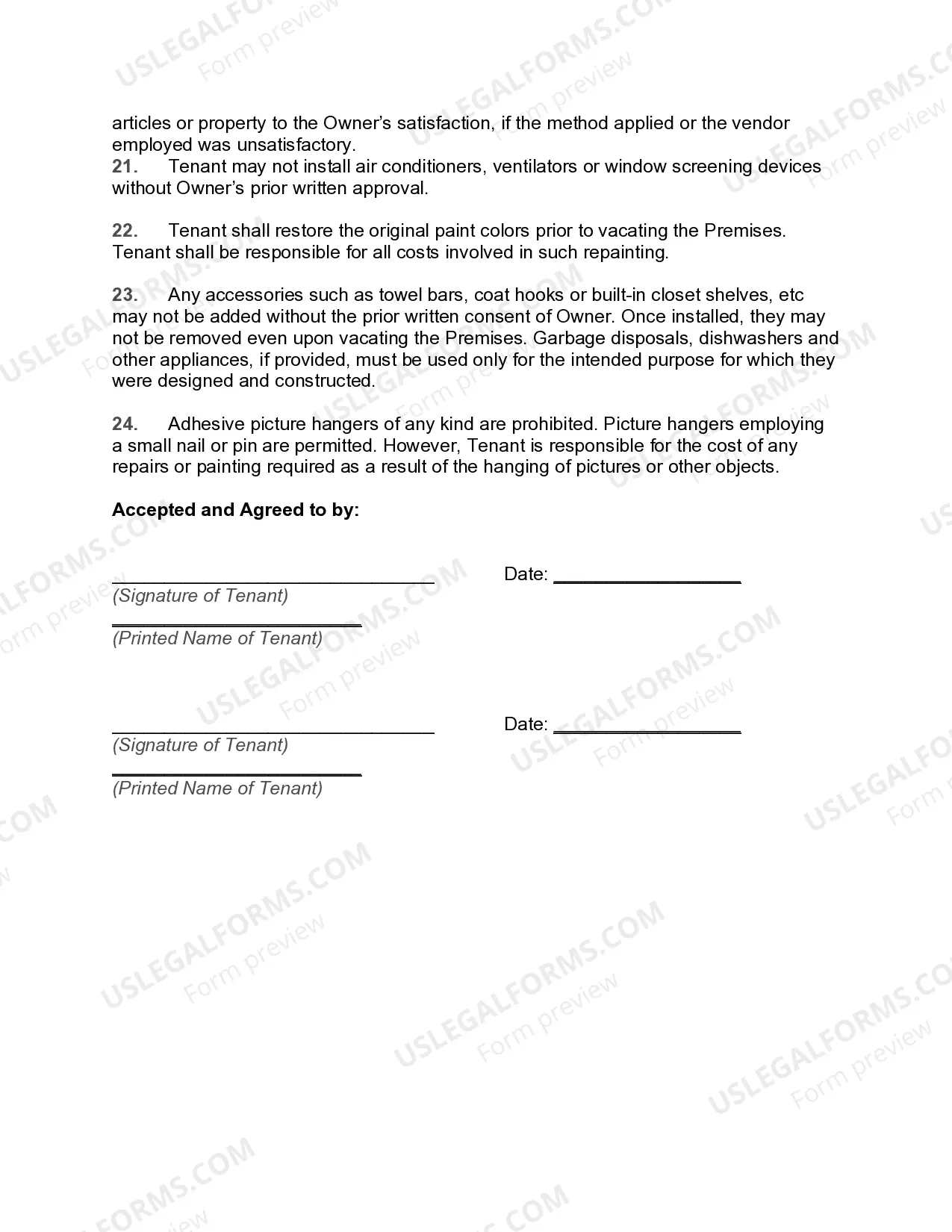
- Ensure both parties sign and date the document to confirm their understanding and agreement.
- Keep copies of the signed form for both the landlord and tenant records.
Does this form need to be notarized?
Notarization is generally not required for this form. However, certain states or situations might demand it. You can complete notarization online through US Legal Forms, powered by Notarize, using a verified video call available anytime.
Get your form ready online
Our built-in tools help you complete, sign, share, and store your documents in one place.
Make edits, fill in missing information, and update formatting in US Legal Forms—just like you would in MS Word.
Download a copy, print it, send it by email, or mail it via USPS—whatever works best for your next step.
Sign and collect signatures with our SignNow integration. Send to multiple recipients, set reminders, and more. Go Premium to unlock E-Sign.
If this form requires notarization, complete it online through a secure video call—no need to meet a notary in person or wait for an appointment.
We protect your documents and personal data by following strict security and privacy standards.

Make edits, fill in missing information, and update formatting in US Legal Forms—just like you would in MS Word.

Download a copy, print it, send it by email, or mail it via USPS—whatever works best for your next step.

Sign and collect signatures with our SignNow integration. Send to multiple recipients, set reminders, and more. Go Premium to unlock E-Sign.

If this form requires notarization, complete it online through a secure video call—no need to meet a notary in person or wait for an appointment.

We protect your documents and personal data by following strict security and privacy standards.
Typical mistakes to avoid
- Failing to communicate changes to the rules after the form is signed.
- Not keeping a signed copy for both the landlord and tenant.
- Overlooking local or state-specific regulations that may affect enforceability.
Why use this form online
- Convenient access to customizable templates that fit various property types.
- Streamlined process for drafting and sharing rules with tenants.
- Ability to quickly update and edit rules as needed, ensuring compliance with changing regulations.
Legal use & context
- This form serves as a legal document establishing house rules that can be enforced in a court of law.
- Understanding and adhering to these rules can help both landlords and tenants avoid disputes.
- Non-compliance may lead to eviction, making it crucial for tenants to be aware of the contents.
What to keep in mind
- The Residential Lease Rules and Regulations form provides clear expectations for tenants.
- Compliance with these rules is crucial for maintaining good landlord-tenant relationships.
- Understanding the implications of rule violations can protect both tenants and landlords from disputes.
Looking for another form?

Form popularity
FAQ
Collect each party's information. Include specifics about your property. Consider all of the property's utilities and services. Know the terms of your lease. Set the monthly rent amount and due date. Calculate any additional fees. Determine a payment method. Consider your rights and obligations.
The Lease Must be in Writing It does not matter if the lease is handwritten or typed.
Most landlords will want you to fill out a rental application with information on your employment, income, credit and financial information, rental housing history, and any criminal convictions. It's legal to ask for all this information and use it to make rental decisions.
Inspect the Property and Record Any Current Damages. Know What's Included in the Rent. Can You Make Adjustments and Customizations? Clearly Understand the Terms Within the Agreement and Anticipate Problems. Communicate with Your Landlord About Your Expectations.
Names of All Tenants and Occupants. Description of Rental Property. Term of the Tenancy. Rental Price. Security Deposits and Fees. Repair and Maintenance Policies. Landlord's Right to Enter Rental Property. Rules and Important Policies.
When writing your own renters agreement you are able to include your own classes, such as tenants aren't allowed to have pets. However, these added clauses must be in line with both the landlord's and tenants' rights and if they infringe on these rights then they are void and can't stand up in a court of law.
ESSENTIAL ELEMENTS OF A VALID LEASE AGREEMENT. Competent Parties. Legal Purpose. Statute of Frauds. Reversionary Right. Property Description. Mutual Assent (Offer and Acceptance) Consideration.
The Lease Must be in Writing It does not matter if the lease is handwritten or typed. If the lease is for more than one year, it must be in written form and contain the following terms.
Collect each party's information. Include specifics about your property. Consider all of the property's utilities and services. Know the terms of your lease. Set the monthly rent amount and due date. Calculate any additional fees. Determine a payment method. Consider your rights and obligations.