Corporation Corporate Officer Format In Montgomery
Description

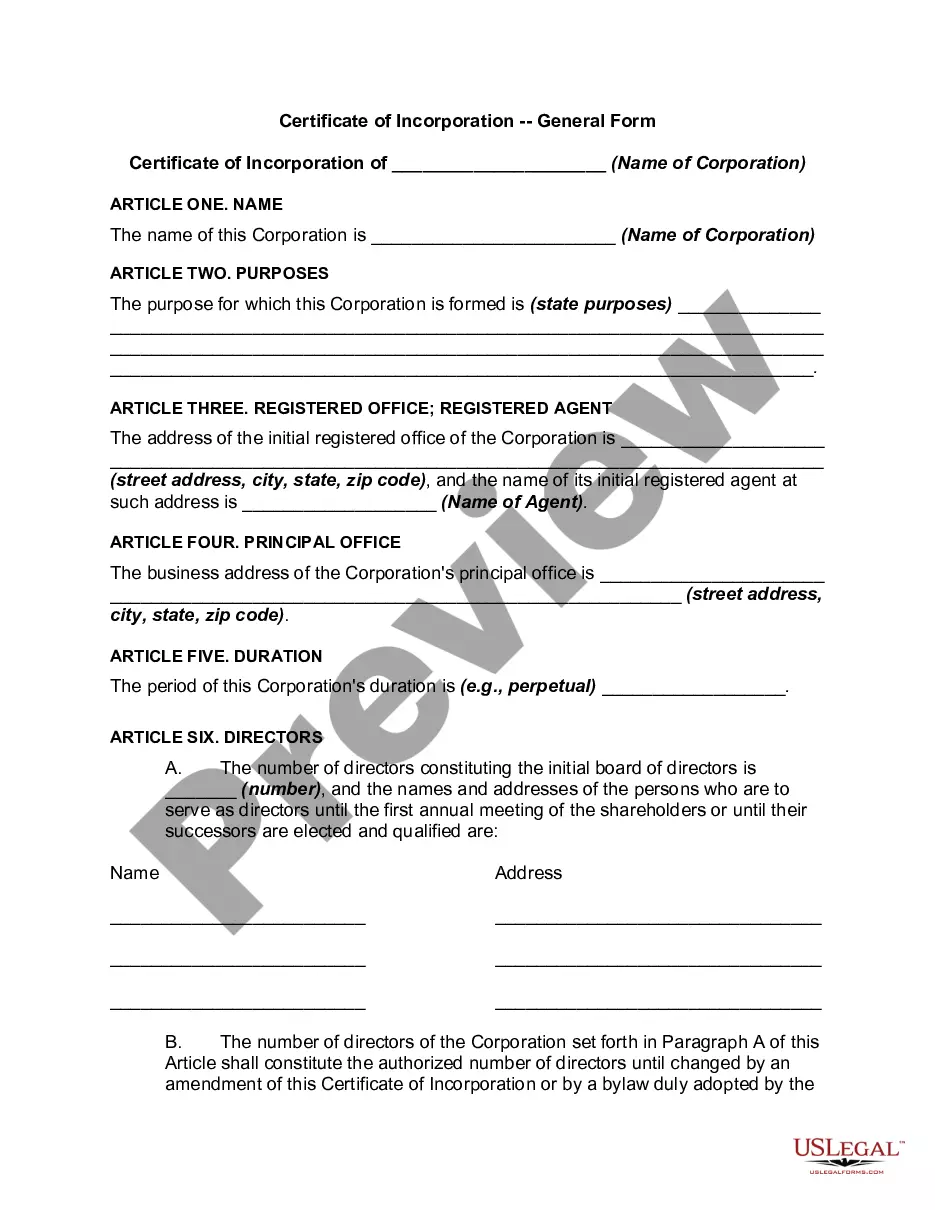
Get your form ready online
Our built-in tools help you complete, sign, share, and store your documents in one place.
Make edits, fill in missing information, and update formatting in US Legal Forms—just like you would in MS Word.
Download a copy, print it, send it by email, or mail it via USPS—whatever works best for your next step.
Sign and collect signatures with our SignNow integration. Send to multiple recipients, set reminders, and more. Go Premium to unlock E-Sign.
If this form requires notarization, complete it online through a secure video call—no need to meet a notary in person or wait for an appointment.
We protect your documents and personal data by following strict security and privacy standards.

Make edits, fill in missing information, and update formatting in US Legal Forms—just like you would in MS Word.

Download a copy, print it, send it by email, or mail it via USPS—whatever works best for your next step.

Sign and collect signatures with our SignNow integration. Send to multiple recipients, set reminders, and more. Go Premium to unlock E-Sign.

If this form requires notarization, complete it online through a secure video call—no need to meet a notary in person or wait for an appointment.

We protect your documents and personal data by following strict security and privacy standards.
Looking for another form?
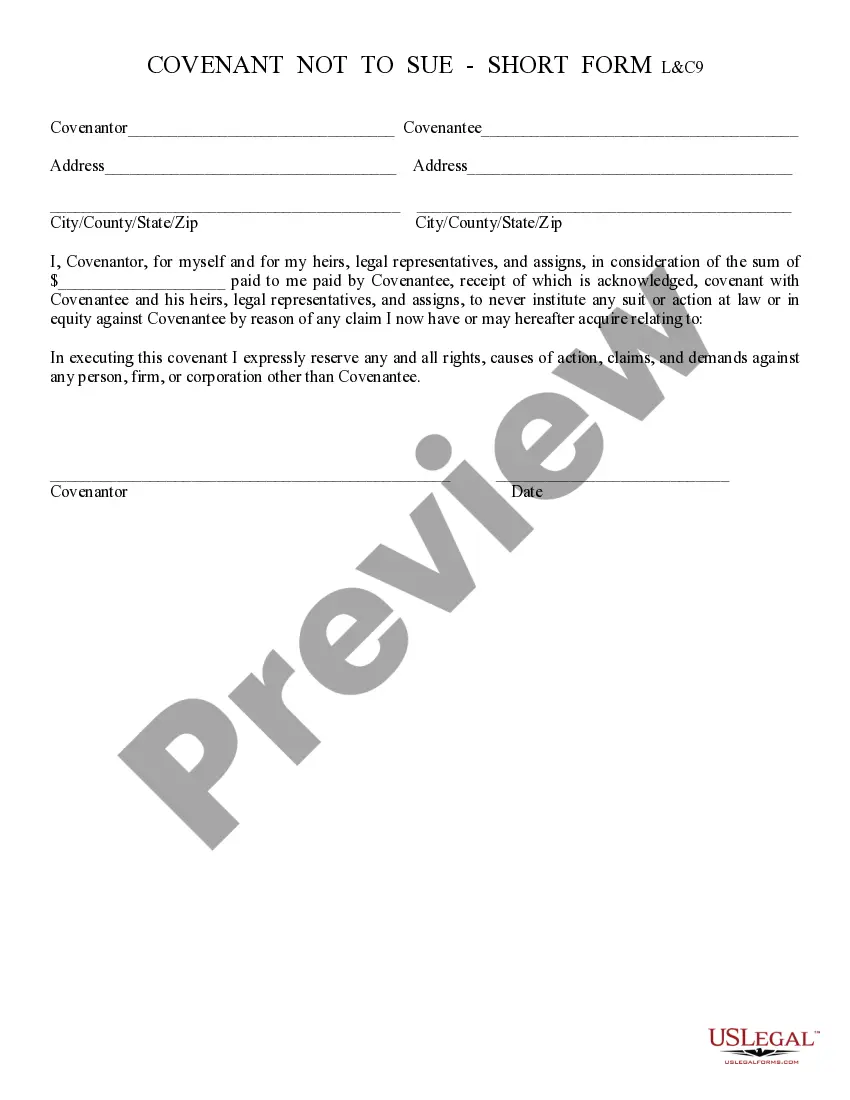
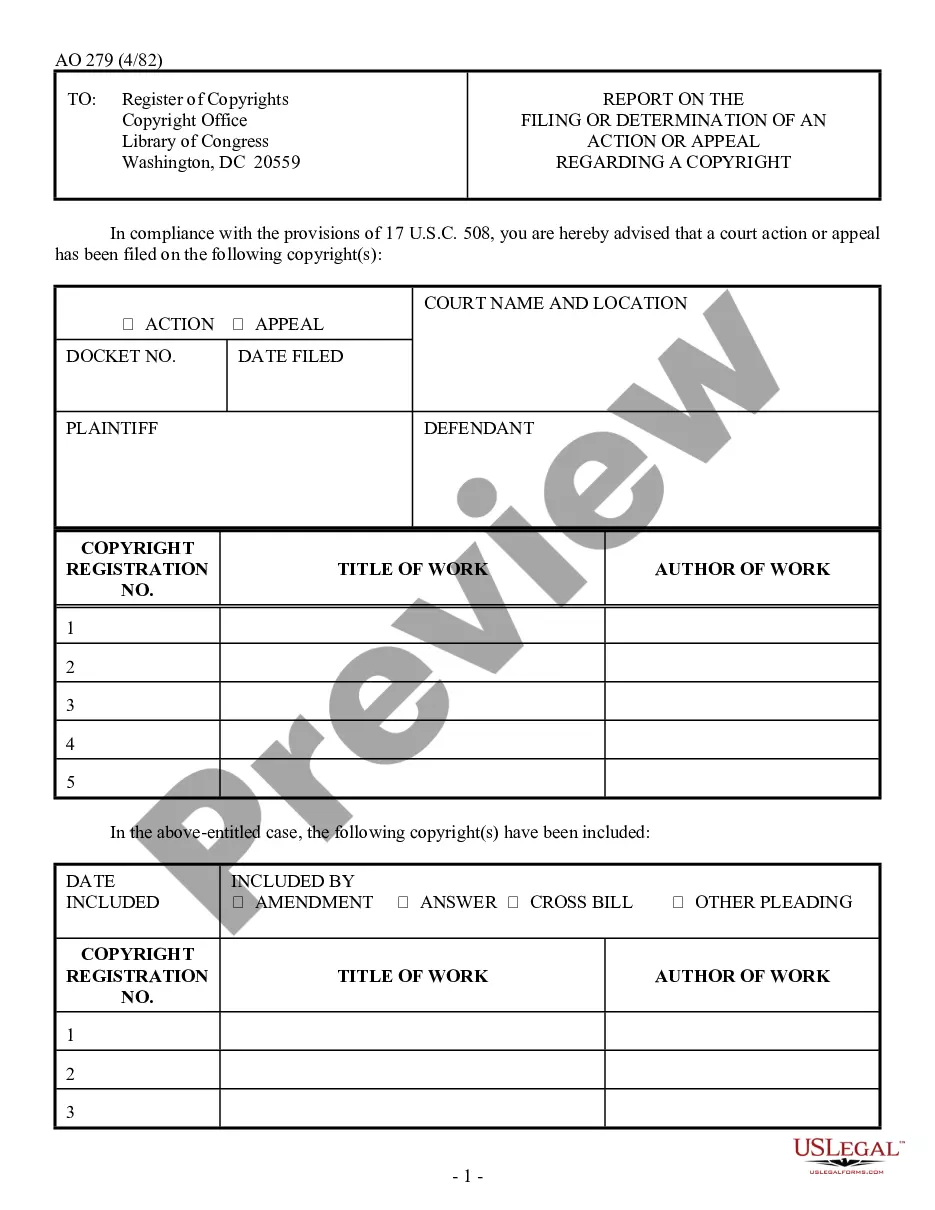

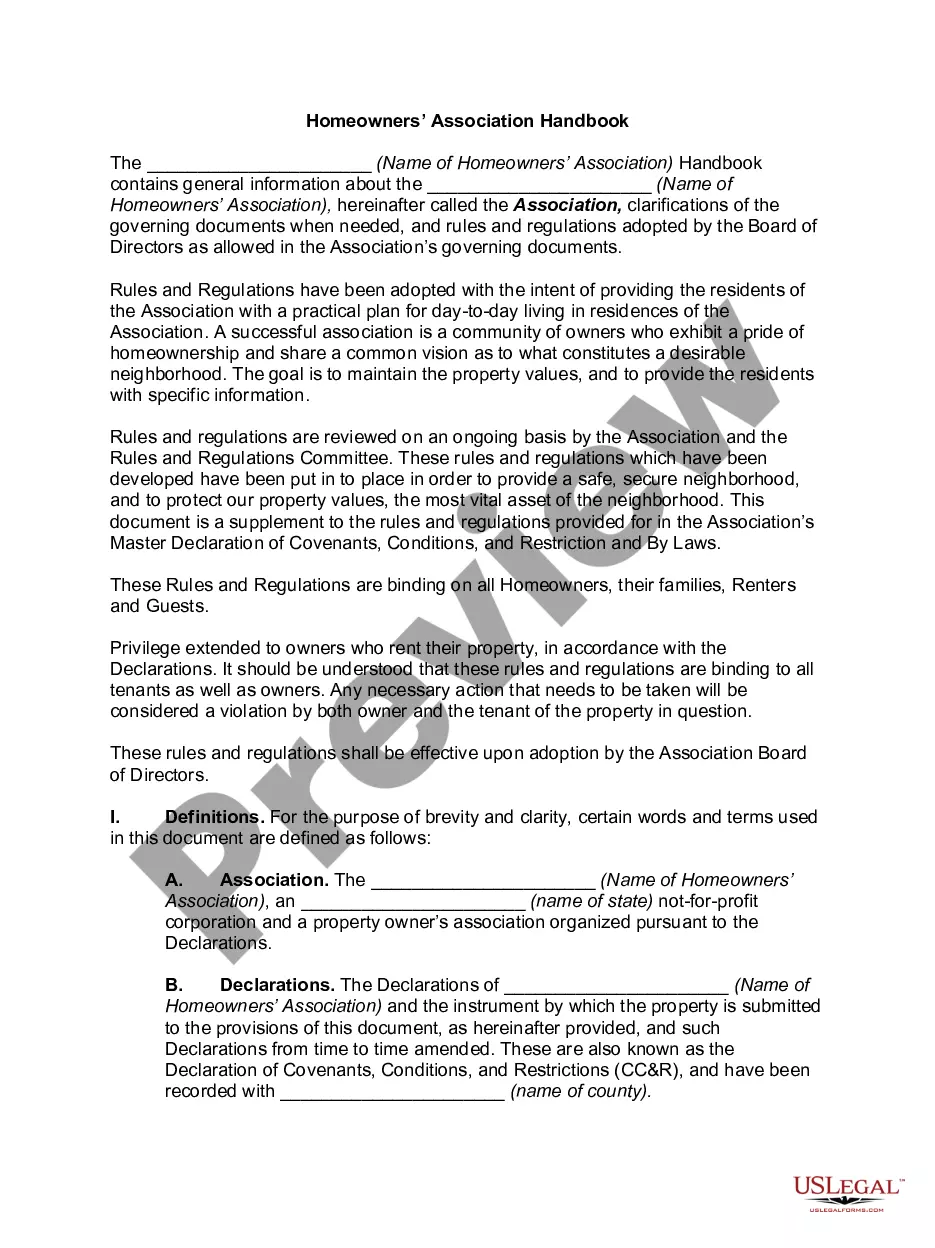

Form popularity
FAQ
To start a corporation in Alabama, you'll need to do three things: appoint a registered agent, choose a name for your business, and file a Certificate of Incorporation with the Alabama Secretary of State. You can file this document online or by mail.
Step 1: Name Your Alabama LLC. Step 2: Choose a Registered Agent. Step 3: File the Alabama Certificate of Formation. Step 4: Create an Operating Agreement. Step 5: File Form 2553 to Elect Alabama S Corp Tax Designation.
Follow these four key steps to ensure your corporation is set up correctly and ready to operate in Alabama. Choose a name for your business. Designate a Registered Agent. File Your Articles of Incorporation in Alabama. Create your Corporate Bylaws. Appoint your Corporate Directors.
Compare business structures Business structureOwnership Partnerships Two or more people Limited liability company (LLC) One or more people Corporation - C corp One or more people Corporation - S corp 100 people or fewer certain trusts and estates no partnerships, corporations, or non-resident aliens3 more rows •
Choose a business name. An important first step when starting a corporation is selecting a business name. Register a DBA. Appoint directors. File your articles of incorporation. Write your corporate bylaws. Draft a shareholder agreement. Hold initial board of directors meeting. Issue stock.
How do I form a corporation in Maryland? Step 1: Name your Maryland corporation. Step 2: Appoint directors. Step 3: Choose a Maryland resident agent. Step 4: File the Maryland Articles of Incorporation. Step 5: Create corporate bylaws. Step 6: Draft a shareholder agreement. Step 7: Issue shares of stock.
Although actual requirements can vary depending on the state, they typically involve the following: Select a state of incorporation. Choose a business name. File incorporation paperwork. Appoint a registered agent. Prepare corporate bylaws. Draft a shareholders' agreement. Hold the first board meeting. Get an EIN.
Review Corporate Bylaws and Contracts For instance, a company might have in its bylaws that an officer can be removed if two-thirds of the board of directors votes in favor of the removal. Alternatively, the officer's contract might stipulate specific circumstances under which they can be terminated.
The Statutory Procedure for Removing a Director Importantly, the resolution must be proposed at a formal shareholders' meeting and cannot be passed as a written resolution. This can be at the AGM if the company holds AGMs. If the company's Articles allow, the meeting could be held by electronic means.
The officers of a corporation are the agents through which the board of directors acts. The board makes the decisions and designates the officers to execute them. In general, the duties of each officer are set forth in the bylaws or, to the extent consistent with the bylaws, are prescribed by the board of directors.
